South Africa – Cholera Outbreak Claims 10 Lives In South Africa As 1 Billion Remain At Risk Globally

IBT

Food Illness

KEY POINTS

  • 10 people, including a 3-year-old child, died in Gauteng Province
  • Cholera can be mild in some patients, but deadly in others
  • UN last week said about one billion people in 43 countries are at risk of cholera

A cholera outbreak in South Africa has claimed the lives of 10 people. The infection is not endemic to the region and it has seen a surge in cases globally in recent years.

The announcement from officials in Gauteng Province comes after samples of 19 people with symptoms at a hospital were confirmed for cholera, the Gauteng Department of Health (GDoH) noted in a statement Sunday.

At least 95 people have shown similar symptoms like diarrhea, stomach cramps and nausea since May 15. Thirty-seven people remain at the hospital, while 10 have died, which includes nine adults and a 3-year-old.

USA – Missoula County Health Officials issue warning about raw milk following possible Coxiella burnetii exposure

Food Poison Journal

Following potential exposure to bacteria from unpasteurized milk sold at a farmers’ market in Missoula County, the Missoula City-County Health Department is warning residents of the dangers of consuming unpasteurized, or “raw,” milk.

Milk that was recently sold at a local farmers market came from a herd where two cows tested positive for Coxiella burnetii, which is the bacteria that causes Q fever. While one of those cows had not yet produced milk, the other produced about 10% of the farmer’s yield.

“We don’t know if the cow was shedding the bacteria at the time it was milked, or if that cow’s milk was sold at the farmers market,” said Environmental Health Director Shannon Therriault. “So, we can’t say for sure whether anyone was exposed. However, what we do know is that unpasteurized milk can contain harmful bacteria that can make you and your loved ones sick.”

Unpasteurized milk products have been linked to outbreaks of E. coli, campylobacter, salmonella, brucella, listeria and cryptosporidium. In the case of Q fever, symptoms can take two or three weeks to present following exposure. According to the Centers for Disease Control and Prevention, symptoms of Q fever include fever, chills, fatigue, headache, muscle aches, nausea, vomiting, diarrhea, chest pain, stomach pain, weight loss and a non-productive cough.

FDA – Investigation of Illnesses: Morel Mushrooms (May 2023)

FDA

Product

Morel mushrooms are a type of edible mushroom that are commonly foraged from the wild and are sometimes cultivated for commercial sale. Morel mushrooms are generally considered safe to eat, but they may contain some toxins that can cause health problems. The toxins in morel mushrooms that may cause illness are not fully understood; however, using proper preparation procedures, such as cooking can help to reduce toxin levels.

The US Food and Drug Administration (FDA) and the Centers for Disease Control and Prevention (CDC) are assisting Gallatin City-County Health DepartmentExternal Link Disclaimer and the Montana Department of Public Health and Human Services (DPHHS) with an investigation of illnesses at a single restaurant in Montana. The restaurant temporarily closed following the illnesses and at this time, there does not appear to be any further risk to the public. Available epidemiological evidence indicates that imported cultivated morel mushrooms, consumed at a single Montana restaurant, were the likely source of illnesses.

Stores Affected

The morel mushrooms served at the restaurant in Montana were distributed to multiple states; however, at this time, this appears to be a localized issue and no illnesses have been identified outside of the single restaurant in Montana.

Symptoms of morel and other mushroom poisonings:

Symptoms depend on the type of mushroom consumed, the specific toxin and amount ingested. Symptoms can also vary depending on the individual who ate them.  

Investigation Status

Ongoing

Recommendation

While there appears to be no ongoing risk related to this investigation, the following are general safety tips related to morel and other wild-type mushrooms (this includes mushrooms that are traditionally wild and foraged but can also be cultivated). If you become ill after consuming any mushroom, please contact your healthcare provider and/or call the poison control help lineExternal Link Disclaimer at 1-800-222-1222.

Consumers, restaurants, and retailers:

Consumers should eat morel and other wild-type mushrooms at their own risk. Properly cooking morel mushrooms can reduce risk of illness, however there is no guarantee of safety even if cooking steps are taken prior to consumption. Anyone eating, selling, or serving morel mushrooms, or other wild-type of mushrooms, should exercise caution. There are varieties of poisonous wild mushrooms that look very similar to morel mushrooms. If you are preparing morels, you should confirm the identity of each mushroom, and consult with a knowledgeable expert as the poisonous species have been known to grow near edible species in the wild.  

If you are preparing morel or other wild-type mushrooms, you should inspect for any signs of spoilage as toxin presence and levels may be affected by freshness or lack thereof. Choose mushrooms that are dry and firm and avoid those that are bruised, discolored, or slimy. 

Mushrooms should be refrigerated at a temperature of 40° F or below, either in their original packaging or in breathable type packaging, such as a paper bag.

Harvesters and manufacturers:

Conditions in which wild-type mushrooms are packaged and stored can contribute to growth of harmful bacteria and toxins. Harvesters and manufacturers should pack mushrooms in breathable packaging to allow air flow through the container which will prevent growth of these pathogens.

Additional information on selecting, storing, and serving fresh produce, such as mushrooms, can be found on the FDA website.


Current Update

May 19, 2023

Per request from Gallatin City-County Health Department and the Montana (DPHHS), the FDA and CDC are assisting with an investigation of illnesses at a single restaurant in Montana. The restaurant temporarily closed following the illnesses and there does not appear to be any further risk to the public. Preparation and storage methods at the restaurant continue to be examined as part of the investigation into the cause of illnesses and this advisory will be updated as information becomes available.

As of May 15, 2023, the investigation has identified 50 ill people who ate at the restaurant between March 28 and April 17, 2023, of whom 44 people reported eating morel mushrooms. There have been three hospitalizations and two deaths associated with this incident. A sample of leftover mushrooms were collected from the restaurant and laboratory analysis determined that the sampled mushrooms were true morels.

Currently, no pathogen, toxin, pesticide, or heavy metal has been identified; however, state and local partners have collected consumer samples from the restaurant and testing and analysis are ongoing. Although epidemiological evidence indicates that morel mushrooms consumed at the restaurant are likely the cause of illnesses, mushroom poisonings can be difficult to diagnose as the exact chemical nature of some toxins found in wild-type mushrooms are currently unknown. 

USA – Boston Restaurant, Los Amigos Taqueria, Linked to Salmonella Outbreak

Outbreak News Today

kswfoodworld salmonella

According to the local media, a local restaurant chain has been shut down by the local health department due to “a slew of health violations” and “unsanitary working conditions that appear to be linked to a Salmonella outbreak in the area.”

The health department recommends that customers of the “Los Amigos Taqueria Brighton location between May 12 and May 18 to monitor themselves for symptoms of Salmonella infection, including fever, diarrhea, and abdominal pain, and to contact a healthcare provider for an evaluation and testing if appropriate.”

Health agents’ report said that “multiple rodent droppings” were also found on pineapple cans, bags of pinto beans, single-use beverage holders, and storage tables.

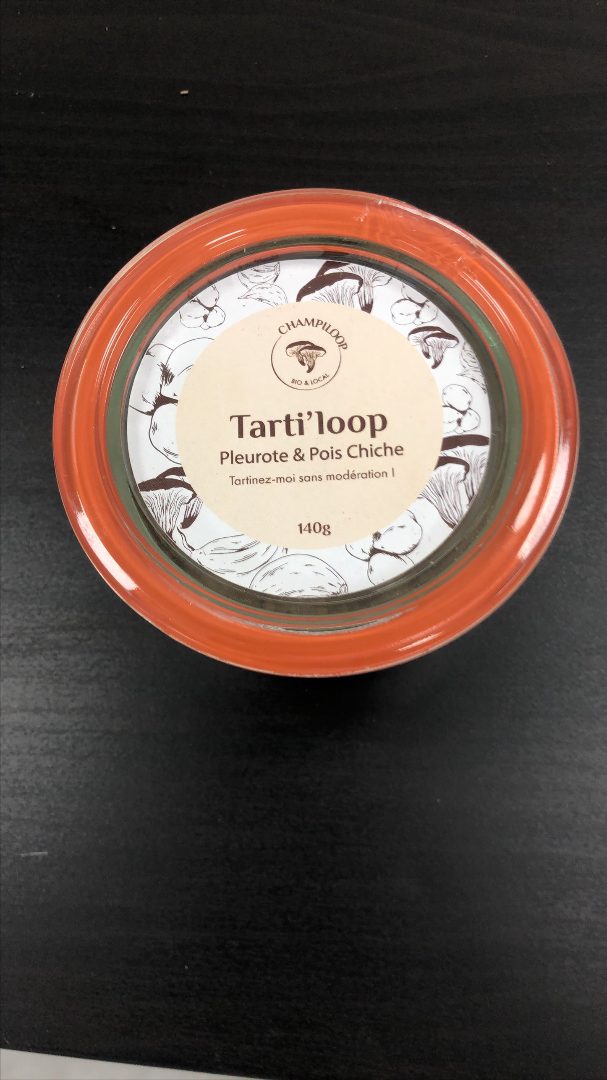
France – Chickpea Oyster Mushroom Tartiloop – Clostridium botulinum

Gov france

Identification information of the recalled product

  • Product category Feed
  • Product subcategory Others
  • Product brand name Champiloop – Tartiloop
  • Model names or references Chickpea oyster mushroom tartiloop, vegan spread with mushrooms
  • Identification of products
    GTIN Batch Date
    3770025912066 2022299-1 Use-by date 26/10/2024
  • Packaging 140g
  • Marketing start/end date From 01/11/2022 to 18/04/2023
  • Storage temperature Product to be stored at room temperature
  • Further information weck jar
  • Geographic area of ​​sale agglomeration of Grenoble
  • Distributors38000: the little ravito, montvrac, the good pickaxe, cse synchrotron 38410: manabio

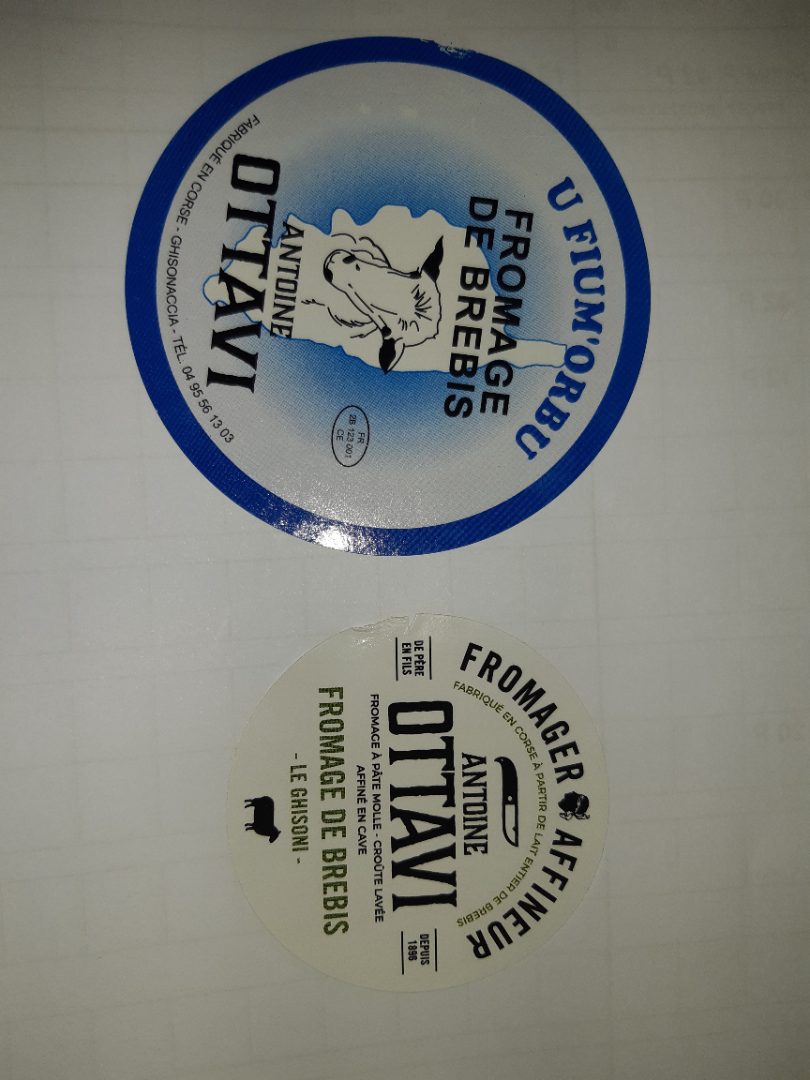
France – Soft sheep cheese 350g – Fiumorbu Sheep – Listeria monocytogenes

Gov france

Identification information of the recalled product

  • Product category Feed
  • Product subcategory Milk and dairy products
  • Product brand name Fiumorbu Sheep 350g
  • Model names or references Fiumorbu Sheep 350g
  • Identification of products
    Batch Date
    WC053 Use-by date 06/20/2023
    WF053 Use-by date 06/20/2023
  • Storage temperature Product to be stored in the refrigerator
  • Health mark FR 2B 123 001 EC
  • Geographic area of ​​sale Whole France
  • Distributors GMS
  • List of points of saleDOC180523-18052023093919.pdf

France – Soft sheep cheese 350g – Listeria monocytogenes

Gov france

Identification information of the recalled product

  • Product category Feed
  • Product subcategory Milk and dairy products
  • Product brand name Ghisoni sheep 350g
  • Model names or references Ghisoni sheep 350g
  • Identification of products
    Batch Date
    wc053 Use-by date 06/20/2023
    WF053 Use-by date 06/20/2023
  • Storage temperature Product to be stored in the refrigerator
  • Health mark FR 2B 123 001 EC
  • Geographic area of ​​sale Whole France
  • Distributors GMS
  • List of points of sale DOC180523-18052023093919.pdf

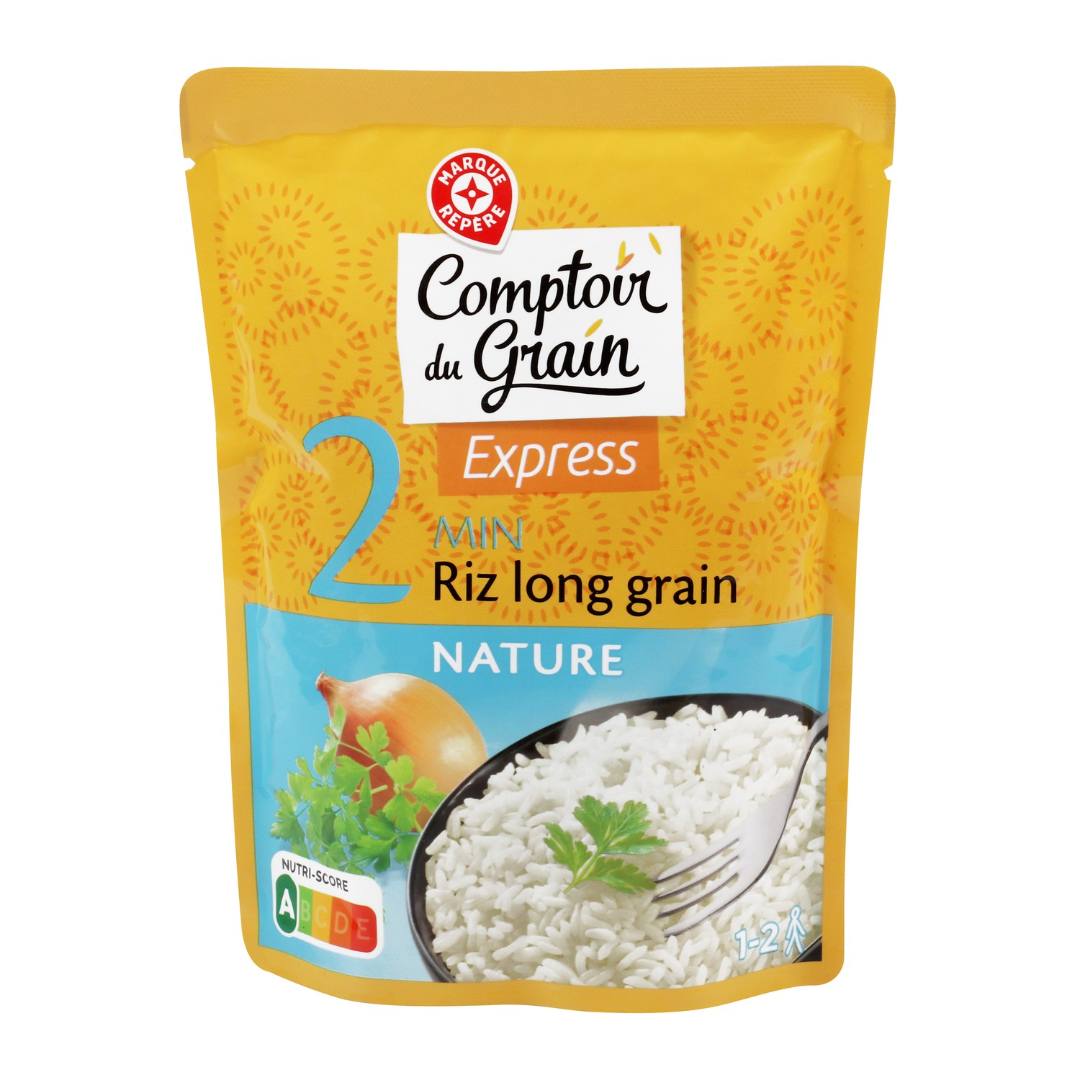
France – LONG GRAIN RICE NATURE EXPRESS 2MIN 250G – Risk of Microbial Contamination

Gov france

entification information of the recalled product

  • Product category Feed
  • Product subcategory Cereals and baked goods
  • Product brand name GRAIN COUNTER
  • Model names or references LONG GRAIN RICE NATURE EXPRESS 2MIN 250G
  • Identification of products
    GTIN Batch Date
    3564700873304 M102-3 Date of minimum durability 04/12/2024
  • Products Lis tPoster_reminder_Riz_long_grain_nature_Express_250g_Comptoir_du_Grain.pdfAttachment
  • Packaging DOY PACK 250G
  • Marketing start/end date From 04/21/2023 to 05/17/2023
  • Storage temperature Product to be stored at room temperature
  • Geographic area of ​​sale Whole France
  • Distributors E.LECLERC

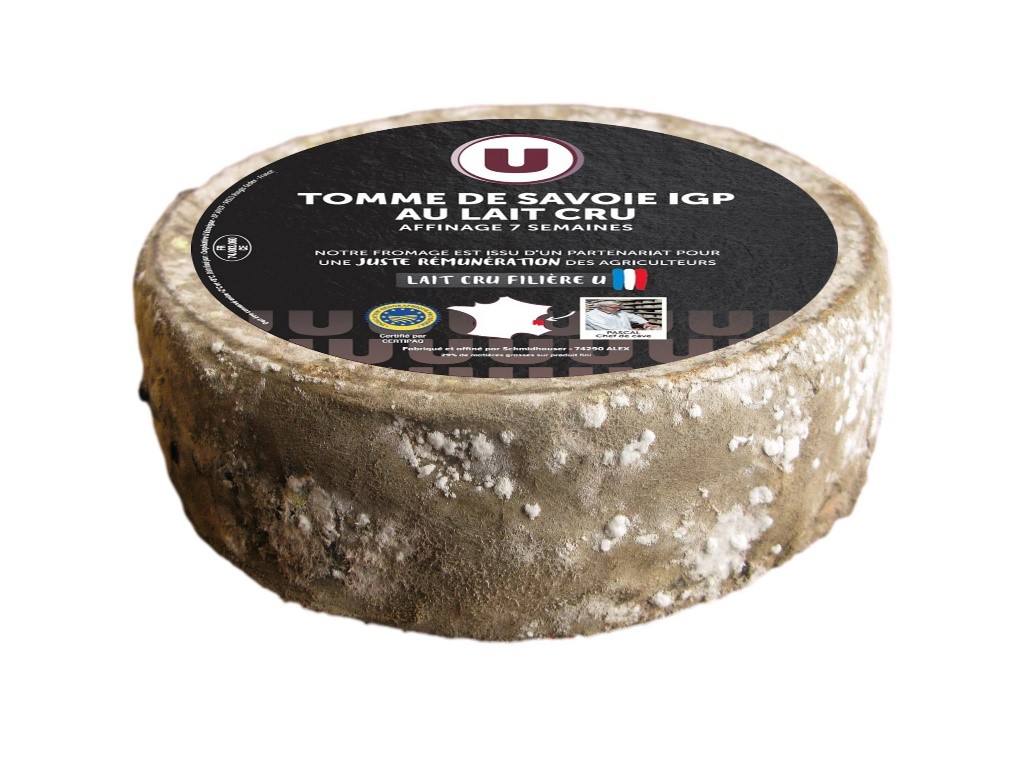
France – Tomme de Savoie IGP U FLAVORS – Salmonella

Gov france

Identification information of the recalled product

  • Product category Feed
  • Product subcategory Milk and dairy products
  • Product brand name FLAVORS
  • Model names or references Tomme de Savoie U Saveurs
  • Identification of products
    GTIN Batch Date
    3368954155960 120 022 23 08 2 Use-by date 04/23/2023
    3368954155960 120 022 23 08 2 Use-by date 05/24/2023
    3368954155960 120 022 23 08 2 Use-by date 05/31/2023
    3368954155960 120 022 23 08 2 Use-by date 07/06/2023
  • Packaging Cheese between 1.5 to 2 kg
  • Marketing start/end date From 04/13/2023 to 05/17/2023
  • Storage temperature Product to be stored in the refrigerator
  • Health mark FR 74 003 060 EC
  • Geographic area of ​​sale Whole France
  • Distributors U-stores

Research – U.S. heads up Codex ciguatera efforts

Food Safety News

The United States is to lead work on a document covering the prevention or reduction of ciguatera poisoning.

The plan was given the go-ahead at a recent Codex Committee on Contaminants in Foods meeting.

An electronic working group, chaired by the U.S. and co-chaired by France, Spain, and Panama, will work on a proposed code of practice or guidelines for consideration at the next meeting of the committee in 2024.

In 2022, the committee established a working group chaired by the U.S. and co-chaired by the European Union to prepare a discussion paper on the topic.

Generally, codes of practice provide practical guidance or measures to reduce or prevent a hazard in food, while a guideline gives higher-level principles and approaches to addressing a particular issue.