Research – Living with Legionella and Other Waterborne Pathogens

MDPI

Legionella spp. and other opportunistic premise plumbing pathogens (OPPPs), including Pseudomonas aeruginosa, Mycobacterium avium, Stenotrophomonas maltophilia, and Acinetobacter baumannii, are normal inhabitants of natural waters, drinking water distribution systems and premise plumbing. Thus, humans are regularly exposed to these pathogens. Unfortunately, Legionella spp. and the other OPPPs share a number of features that allow them to grow and persist in premise plumbing. They form biofilms and are also relatively disinfectant-resistant, able to grow at low organic matter concentrations, and able to grow under stagnant conditions. Infections have been traced to exposure to premise plumbing or aerosols generated in showers. A number of measures can lead to reduction in OPPP numbers in premise plumbing, including elevation of water heater temperatures.

Research – Validation of simulated commercial manufacturing of flour tortillas to control Salmonella contamination

Wiley Online

Salm2

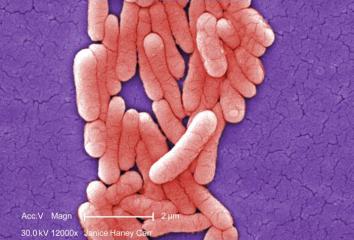
This study validated a typical batch commercial flour tortilla cooking process against Salmonella contamination. Tortilla dough prepared from flour inoculated with a 7‐serovar Salmonella cocktail was pressed in a dough press (preset at 200 °F [93.3°C]) for 3 s, then heated on a griddle (preheated to 221.1°C [430 °F]) for 30, 45 or 60 s on each side, followed by ~8 min of ambient air cooling. The maximum internal temperature of tortillas during cooking was >97°C for all cooking times. The Salmonella counts in tortillas decreased >6‐log at all cooking times; however, tortillas cooked for 30 and 45 s had an undercooked appearance. The water activity and pH of cooked tortillas after 60 s of heating on both sides followed by cooling were 0.934 and 6.62, respectively. The D‐values of the Salmonella cocktail in raw tortilla dough were 22.2, 13.4, and 4.6 min at 55, 58, and 61°C, respectively, and the z‐value was 8.9°C.

Research – Influence of Light and Water Activity on Growth and Mycotoxin Formation of Selected Isolates of Aspergillus flavus and Aspergillus parasiticus

MDPI

kswfoodworld

Image CDC

Aspergillus flavus and A. parasiticus are the main causes of aflatoxin contamination in various foods, particularly grains, as they can thrive in environments with lower water activity and higher temperatures. The growth of Aspergillus and the formation of the mycotoxins aflatoxin and cyclopiazonic acid are strongly influenced by environmental stimuli and can be reduced by modulating parameters such as water activity, pH, temperature and light during the storage. This study has two objectives—on the one hand, to assess how global warming and an increase in exposure to sunlight affect growth and mycotoxin formation, and on the other hand, how the findings from these experiments can be used to reduce fungal growth and mycotoxin formation in stored foods. Using growth substrates with two different water activities (aw 0.95, aw 0.98), together with a light incubation device consisting of different chambers equipped with diodes emitting visible light of five different wavelengths (455 nm, 470 nm, 530 nm, 590 nm, 627 nm) plus white light, we analyzed the growth and mycotoxin formation of selected Aspergillus flavus and A. parasiticus isolates. It was shown that light with a wavelength of 455/470 nm alone, but especially in combination with a lower water activity of aw 0.95, leads to a significant reduction in growth and mycotoxin formation, which was accompanied by reduced transcriptional activity of the responsible mycotoxin biosynthetic genes. Therefore, these results can be used to significantly reduce the growth and the mycotoxin formation of the analyzed fungi during storage and to estimate the trend of fungal infestation by Aspergillus flavus and A. parasiticus in water activity- and light exposure-equivalent climate change scenarios. Mycotoxin-producing aspergilli can be effective and sustainably inhibited using a combination of short-wave light and lowered water activity in the substrate. A higher annual mean temperature accompanying climate change may lead to an increased spread of aflatoxin-producing fungi in areas that were previously too cold for them. On the other hand, there will be regions in the world where contamination with aflatoxin-producing fungi will be reduced due to increased drought and sun exposure.

Research – The use of antifungal oat‐sourdough lactic acid bacteria to improve safety and technological functionalities of the supplemented wheat bread

Wiley Online

In the present study, predominant lactic acid bacteria (LAB) were isolated from oat sourdough. Then, the isolates were screened based on their in vitro antifungal activity. Subsequently, biotechnological capabilities of the selected LAB were evaluated in wheat bread supplemented with controlled fermented oat containing the isolate. Pediococcus pentosaceus was molecular identified as predominant antifungal isolate. Based on our results, fermented oat not only significantly (p < .05) reduced the mold expansion on the produced breads, but also improved the quality attributes of the product. Crumb porosity and antioxidant capacity of the supplemented bread revealed the positive effects of the isolate on textural and functional characteristics of the enriched bread. Wheat bread supplemented with controlled fermented oat had also the highest 2,2‐diphenyl‐1‐picrylhydrazyl radical scavenging activity compared to the other samples. Accordingly, the potential applications of P. pentosaceus isolate as profunctional starter culture in processing of mixed wheat‐oat sourdough bread were verified.

Image

Happy New Year – Lets Hope for a Better Year in 2021

Happy-New-Year-Latest-Free-for-Desktop

Research – Food safety against milk mycotoxins

All About Feed

According to the FAO and USDA, 25% of world agricultural crops are contaminated with some kind of mycotoxin and, as a consequence over, 532 million/ton of grains are contaminated. Considering that the base of animal feed is constituted by grains and cereals, most of this production may be contaminated with mycotoxins, which is very alarming. Economic consequences are significant and are not limited only to the added value of raw materials, but also to losses related to the loss of animal productivity, since the spread of mycotoxins occurs throughout the food chain, leading to contamination of final products, such as meat, milk and eggs.

Aflatoxins are secondary metabolites produced by Aspergillus parasiticus, Aspergillus flavus and the uncommon Aspergillus nomius. They appear in foods in the forms of aflatoxin B1 (AFB1), B2, G1 and G2 and in milk in the oxidative forms M1 and M2.

Belgium – 700G turkey roulade (frozen) – Salmonella

AFSCA

12/31/2020
Recall of Aldi
Product: 700G turkey roulade (frozen).
Problem: possible presence of Salmonella.


PRODUCT DESCRIPTION

Denomination: 700G turkey roulade (frozen)
EAN code: 270 5360 7
Brand: Tupelo farm
Expiration date (DLC): 25/09/2021
Batch number: 25089
Sales period: from 12/09/2020 to 12/31 / 2020
Points of sale: ALDI stores

NATURE OF THE PROBLEM

An analysis by our supplier showed the presence of Salmonella in the product “Turkey roll 700G (frozen)”.

ALDI has therefore decided, in consultation with the AFSCA, to withdraw this product from the market and to recall it to consumers.

Other ALDI products are not affected by this product recall.

DESCRIPTION OF THE RISK

The possible symptoms of salmonella poisoning are: fever, abdominal cramps and diarrhea, within 12 to 48 hours of consuming the contaminated food. The risk of infection is higher in the elderly, children, pregnant women and people with weakened immune systems.

People who have consumed these products and who present this type of symptoms are invited to consult their doctor without delay, notifying him of this consumption.

ADVICE FOR CONSUMERS

Please do not consume these products and bring them back to the store.
The returned products will be reimbursed (also without receipt).

For any further information, you can contact ALDI via customercareFR@aldi.be .

USA – FDA Alert: Certain Lots of Sportmix Pet Food Recalled for Potentially Fatal Levels of Aflatoxin

FDA

Fast Facts

  • FDA is alerting pet owners and veterinary professionals about certain Sportmix pet food products (see list below) manufactured by Midwestern Pet Foods, Inc. that may contain potentially fatal levels of aflatoxin.
  • FDA is aware of at least 28 deaths and 8 illnesses in dogs that ate the recalled product.
  • This is an ongoing investigation. Case counts and the scope of this recall may expand as new information becomes available.
  • Aflatoxin is a toxin produced by the mold Aspergillus flavus, which can grow on corn and other grains used as ingredients in pet food. At high levels, aflatoxin can cause illness and death in pets.
  • Pets experiencing aflatoxin poisoning may have symptoms such as sluggishness, loss of appetite, vomiting, jaundice (yellowish tint to the eyes or gums due to liver damage), and/or diarrhea. In severe cases, this toxicity can be fatal. In some cases, pets may suffer liver damage but not show any symptoms.
  • Pet owners should stop feeding their pets the recalled products listed below and consult their veterinarian, especially if the pet is showing signs of illness.  The pet owner should remove the food and make sure no other animals have access to the recalled product.
  • FDA is asking veterinarians who suspect aflatoxin poisoning in their patients to report the cases through the Safety Reporting Portal or by calling their local FDA Consumer Complaint Coordinators. Pet owners can also report suspected cases to the FDA.

What is the Problem?

On December 30, 2020, Midwestern Pet Food, Inc. announced a recall of certain lots of Sportmix pet food products after FDA was alerted about reports of at least 28 dogs that have died and eight that have fallen ill after consuming the recalled Sportmix pet food. Multiple product samples were tested by the Missouri Department of Agriculture and found to contain very high levels of aflatoxin. Aflatoxin is a toxin produced by the mold Aspergillus flavus and at high levels it can cause illness and death in pets. The toxin can be present even if there is no visible mold.

FDA is issuing this advisory to notify the public about the potentially fatal levels of aflatoxin in pet food products that may still be on store shelves, online, or in pet owners’ homes.

FDA is conducting follow-up activities at the manufacturing facility.

This is a developing situation and the FDA will update this page with additional information as it becomes available.

What are the Symptoms of Aflatoxin Poisoning in Pets?

Pets are highly susceptible to aflatoxin poisoning because, unlike people, who eat a varied diet, pets generally eat the same food continuously over extended periods of time. If a pet’s food contains aflatoxin, the toxin could accumulate in the pet’s system as they continue to eat the same food.

Pets with aflatoxin poisoning may experience symptoms such as sluggishness, loss of appetite, vomiting, jaundice (yellowish tint to the eyes, gums or skin due to liver damage), and/or diarrhea. In some cases, this toxicity can cause long-term liver issues and/or death. Some pets suffer liver damage without showing any symptoms. Pet owners whose pets have been eating the recalled products should contact their veterinarians, especially if they are showing signs of illness.

There is no evidence to suggest that pet owners who handle products containing aflatoxin are at risk of aflatoxin poisoning. However, pet owners should always wash their hands after handling pet food.

What Products are Involved?

On December 30, 2020, Midwest Pet Food, Inc. announced a recall of nine total lots of Sportmix pet food products. FDA and the Missouri Department of Agriculture are working with the firm to determine whether any additional products may have been made with the same ingredients containing potentially fatal levels of aflatoxin. As new information becomes available, this product list may continue to expand.

The list of recalled dry pet food products announced by Midwestern Pet Food, Inc. on December 30, 2020 is:

  • Sportmix Energy Plus, 50 lb. bag
    • Exp 03/02/22/05/L2
    • Exp 03/02/22/05/L3
    • Exp 03/03/22/05/L2
  • Sportmix Energy Plus, 44 lb. bag
    • Exp 03/02/22/05/L3
    • Sportmix Premium High Energy, 50 lb. bag
    • Exp 03/03/22/05/L3
  • Sportmix Premium High Energy, 44 lb. bag
    • Exp 03/03/22/05/L3
    • Sportmix Original Cat, 31 lb. bag
    • Exp 03/03/22/05/L3
  • Sportmix Original Cat, 15 lb. bag
    • Exp 03/03/22/05/L2
    • Exp 03/03/22/05/L3

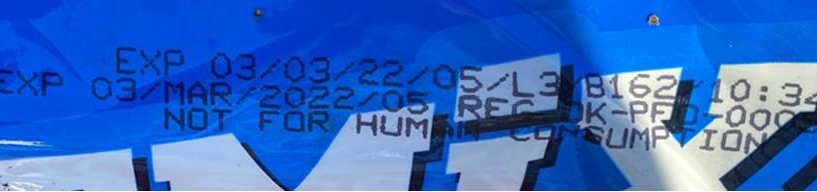
Lot code information may be found on the back of bag and will appear in a three-line code, with the top line in format “EXP 03/03/22/05/L#/B###/HH:MM”

Example product label demonstrating location and format of lot code information.

The affected products were distributed to online retailers and stores nationwide within the United States.

What Do Retailers Need to Do?

Don’t sell or donate the affected pet food products. Contact the manufacturer for further instructions. The FDA also encourages retailers to contact consumers who have purchased recalled products, if they have the means to do so (such as through shopper’s card records or point-of-sale signs).

What Do Pet Owners Need to Do?

If your pet has symptoms of aflatoxin poisoning, contact a veterinarian immediately. Even pets without symptoms may have suffered liver damage, so you may want to contact your veterinarian if your dog has eaten any of the recalled products. Provide a full diet history to your veterinarian. You may find it helpful to take a picture of the pet food label, including the lot number.

Don’t feed the recalled products to your pets or any other animal. Contact the company listed on the package for further instructions or throw the products away in a way that children, pets and wildlife cannot access them. Sanitize pet food bowls, scoops, and storage containers using bleach, rinsing well afterwards with water, and drying thoroughly.

There is no evidence to suggest that pet owners who handle products containing aflatoxin are at risk of aflatoxin poisoning. However, pet owners should always wash their hands after handling any pet food.

You can report suspected illness to the FDA electronically through the Safety Reporting Portal or by calling your state’s FDA Consumer Complaint Coordinators. It’s most helpful if you can work with your veterinarian to submit your pet’s medical records as part of your report. For an explanation of the information and level of detail that would be helpful to include in a complaint to the FDA, please see How to Report a Pet Food Complaint.

What Do Veterinarians Need to Do?

The FDA urges veterinarians treating aflatoxin poisoning to ask their clients for a diet history. We also welcome case reports, especially those confirmed through diagnostic testing. You can submit these reports electronically through the FDA Safety Reporting Portal or by calling your state’s FDA Consumer Complaint Coordinators. For an explanation of the information and level of detail that would be helpful to include in a complaint to the FDA, please see How to Report a Pet Food Complaint.

The information in this release reflects the FDA’s best efforts to communicate what it has learned from the manufacturer and parties involved in the investigation. The agency will update this page as more information becomes available. 

Additional Information

France – Product recall: Picodon AOP Bleus x12 60g from CAVET brand – Salmonella

Oulah

Product recall: Picodon AOP Bleus x12 60g from CAVET brand

ENCOUNTERED PROBLEM

Presence of salmonella

PROPOSED SOLUTION

Those in possession of this product are asked not to consume it and to return it to the point of sale where it was purchased.

Foodborne illness caused by Salmonella results in gastrointestinal disturbances, diarrhea, vomiting and abdominal pain, often accompanied by fever; these symptoms may be more serious in young children, immunocompromised individuals and the elderly. The incubation period can range from 6 to 72 hours.
People who have consumed the products mentioned below and who have these symptoms are invited to consult their doctor, notifying him of this consumption.

FURTHER INFORMATION

▸ Barcode
…

▸ Lot
182_2411

▸ DLC
01/24/2021

▸ Consumer service contact
La Maison CAVET apologizes for these inconveniences and remains at your disposal to answer your questions,
by e-mail to the following address: direction@picodon-cavet.fr

▸ Source
https://www.auchan.fr/

Germany – Lamb chop cut frozen – Enterohaemorrhagic Escherichia coli pathogens (EHEC)

LMW

Warning type:Food
Date of first publication:12/30/2020
Product name:

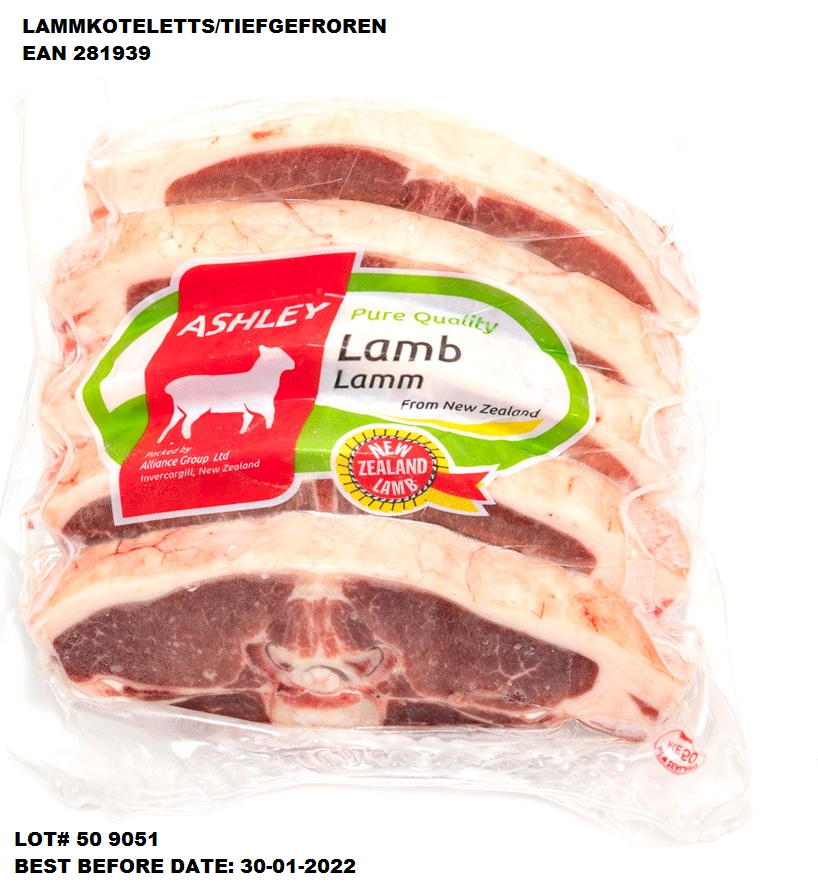
Lamb chop cut frozen

Product pictures:

Produktbild.png
Manufacturer (distributor):Alexander Eyckeler GmbH
Reason for warning:

Enterohaemorrhagic Escherichia coli pathogens (EHEC) were found in a piece from the lot.

Packaging Unit:s. attached customer information
Durability:s. attached customer information
Production date:s. attached customer information
Lot identification:s. attached customer information
Further information:Reference is made to the company’s customer information sheet attached.
Contact to the responsible authorities:
Baden-Württemberg:

poststelle@mlr.bwl.de

Bavaria:poststelle@lgl.bayern.de
Berlin:poststelle@senjustva.berlin.de
Brandenburg:Konsumenterschutz@Msgiv.Brandenburg.de
Bremen:Schnellwarnung@gesundheit.bremen.de
Hamburg:poststelle@bgv.hamburg.de
Hesse:Schnellwarnung@rpda.hessen.de
Mecklenburg-Western Pomerania:poststelle@lm.mv-regierung.de
Lower Saxony:poststelle@ml.niedersachsen.de
North Rhine-Westphalia:poststelle@mulnv.nrw.de
Rhineland-Palatinate:Poststelle.Referat22@lua.rlp.de
Saarland:poststelle-luv@lav.saarland.de
Saxony:poststelle@sms.sachsen.de
Saxony-Anhalt:poststelle@ms.sachsen-anhalt.de
Schleswig-Holstein:poststelle@jumi.landsh.de
Thuringia:LM-Ueberendung@tlv.thueringen.de
Press releases and information
title Attachment or web link
Customer information