Category Archives: Water

Research – Transmission of Cryptosporidium by Fresh Vegetables

Journal of Food Protection

water contamination

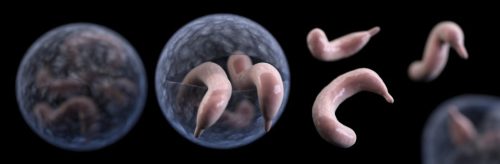
Consumption of fresh fruits and vegetables is increasing thanks to the awareness to the benefits to human health. Vegetables may become contaminated by enteric pathogens (protozoan parasites, bacteria and viruses) by irrigation with contaminated water, fertilization with fresh animal manure or by infected food handlers. Cryptosporidium spp. are fecal-oral protozoan parasites, known to be highly persistent in the environment, which facilitate the transmission of the infectious oocysts. Efficient methods were developed for releasing and concentrating Cryptosporidium oocysts from leafy vegetables and sensitive and specific methods were applied for their enumeration. The aims of this review are to discuss the development and optimization of methods applied to release oocysts from leafy vegetables, the prevalence of Cryptosporidium oocysts on fresh leafy vegetables from various parts of the world and to discuss cryptosporidiosis outbreaks resulting from the consumption of leafy vegetables. Three solutions were used with comparable efficiency to release oocysts from leafy vegetables 1M glycine solution, 0.1% Alconox and filter elution buffer with an efficiency of 36.2%, 72.6% and 44%, respectively. The prevalence of Cryptosporidium oocysts was reported in developed as well as from developing countries, although simple detection methods were applied. Most of the cryptosporidiosis outbreaks were reported in developed countries, which can be related to their efficient surveillance system. Transmission of infectious pathogens, such as Cryptosporidium may be facilitated by fresh vegetables, which are imported and transferred from less developed to highly developed countries and consumed uncooked. Monitoring of Cryptosporidium oocysts by sensitive detection methods may enhance measures to prevent their transmission by freshly consumed vegetables.

Research – An outbreak of cryptosporidiosis associated with drinking water in north-eastern Italy, August 2019: microbiological and environmental investigations

Eurosurveillance

crypto

The enteric parasite , along with norovirus,  and rotavirus, is among the most frequent causes of waterborne disease [1,2]. In humans, transmission of  occurs via the faecal-oral route, either through direct exposure to infected people (person-to-person infection) or animals (animal-to-person infection), or through ingestion of water (drinking water, recreational water such as swimming pools, water parks, lakes, rivers) or consumption of raw or undercooked food contaminated with infectious oocysts [3]. Infection may remain asymptomatic or manifest as acute gastroenteritis (> 80% of infected individuals). Symptoms occur 1 to 12 days (mean: 7 days) after exposure and usually last 6 to 9 days. The severity and duration of symptoms are linked to the immune status of the host, and cryptosporidiosis can be life threatening in immunosuppressed individuals [4].

There are many  species that can infect humans, but the vast majority of cases are due to , a zoonotic species that also infects young ruminants, and , which is essentially only a human pathogen [5]. The environmental route of transmission is of high relevance for  [6]. This is due to several factors including: (i) the high survival rate of oocysts in water (more than 24 months at 20°C), (ii) high resistance to disinfection (30 mg/L of free chlorine are needed to achieve 99% inactivation at pH 7, with a recommended value of 0.2 mg/L for drinking water) [6], (iii) low infectious dose (10–132 oocysts in healthy adults [7]) and (iv) low host specificity [5]. Oocysts lose their infectivity when frozen, boiled or heated over 60°C [6].

The ability of  to survive at high chlorine concentrations [8] and, consequently, at the disinfectant concentrations commonly used in water treatment, has always been a challenge for water treatment plant operators. However, other disinfectants, such as chlorine dioxide, ozone, UV rays and filtration have proved to be rather effective in removing . Water safety mainly depends on the combination of different treatment stages, and a multi-barrier approach is a key paradigm for ensuring safe drinking water [6]. Nonetheless, in small water supplies managed by local communities that serve only few thousand people, multi-barrier treatment systems are usually not implemented. Thus, in order to ensure the safety of drinking water, more traditional treatments, e.g. disinfection, are used and water quality is checked against certain regulatory parameters.

During 2017–20, 60 waterborne outbreaks of cryptosporidiosis have been detected in Europe, the majority of which involving treated recreational water (swimming pools) as the vehicle of infection [9]. The number of outbreaks linked to contaminated drinking water has shown a notable decrease in the past decades, although, when occurring, large numbers of individuals may be involved, as exemplified by the outbreaks reported in 2010–11 in Sweden [10,11].

Research – Reclaimed wastewater in agriculture: health risk from pathogens on fruit and vegetables?

BFR

German Federal Institute for Risk Assessment (BfR) advises against irrigation in certain cases

In Germany, fresh produce intended to be eaten raw that grow close to the ground, such as lettuce, carrots, strawberries or fresh herbs, should not be irrigated with reclaimed wastewater. The German Federal Institute for Risk Assessment (BfR) advises against this, particularly with regard to pathogenic viruses and parasites that can get onto or into the plants via this route. Current data are still insufficient for a conclusive risk assessment. However, there is evidence that certain viruses and single-celled parasites (protozoa) can defy environmental influences and cause diseases via raw fruit and vegetables. “Reclaimed wastewater in agriculture poses a new challenge to food safety,” says BfR President Professor Dr Dr Andreas Hensel. “In order to reduce pathogens as much as possible, we need very good treatment and detection methods.”

Climate change, unpredictable weather patterns and droughts are depleting water resources in Germany and Europe. To counteract this, Regulation (EU) 2020/741 sets minimum requirements for the use of reclaimed wastewater for agricultural irrigation. The EU regulation for water reuse applies from June 26, 2023 and is intended to protect the environment and human and animal health. The BfR has assessed possible health risks from the use of reclaimed wastewater for the irrigation of plant-based foodstuffs with regard to selected pathogenic viruses and protozoa. Particular attention was paid to fruit and vegetables that can be eaten raw, in which any pathogens that may be present are not reduced or killed by heating.

On the basis of available data, the BfR recommends not using reclaimed wastewater to irrigate plants, whose parts intended for raw consumption are growing close to or in the ground. This applies until suitable treatment processes and controls can ensure that the irrigation water does not contain pathogens, especially human-pathogenic viruses or protozoa. Because according to the current state of knowledge, pathogens can get onto or into the edible parts of the plants via all of the irrigation systems considered (subsurface drip irrigation, drip irrigation, furrow irrigation, sprinkler system, hydroponic culture) and cause illness in humans when consumed raw. Depending on the type of pathogen and the state of health of the person affected, the health impairment may vary; severe illnesses are possible in risk groups. Further research is required with regard to the suitability of methods for inactivating or reducing pathogens during wastewater treatment.

In the opinion of the BfR, plants whose raw edible fraction grows far from the soil, for example vineyards and fruit trees, can be irrigated with reclaimed wastewater of quality class A or B, provided that direct contact of the raw edible fraction with the reclaimed wastewater (by selecting a suitable irrigation system) and the irrigated soil is excluded. Since the viruses and protozoa under consideration are heat-sensitive, no adverse health effects due to pathogens in the reclaimed wastewater are to be expected for plant foods that are sufficiently heated before consumption.

RASFF Alert – Illness from Drinking Water

RASFF

45 people sick due to drinking water Chateau in Sint Hubert – Belgium and Netherlands

Italy – Oligomineral Natural Mineral Water 1.5 lt – Staphylococcus aureus

Salute

Brand : Fonte Valle Reale

Name : Oligomineral Natural Mineral Water 1.5 lt

Reason for reporting : Recall due to microbiological risk

Publication date : 2 August 2022

Documentation

Documentation

Research – Dangerous pathogens lurk in wet areas

Science Daily

Hospitals and homes are havens for germs and disease — but a well-regulated hot water system can prevent the spread of waterborne pathogens, including an emerging infectious disease problem from ‘superbugs’ which can be resistant to most antibiotics.

However, Flinders University experts warn that some drinking water treatment methods may be ineffective against some waterborne pathogens that pose a threat to immune-compromised individuals — and point-of-use devices such as taps and showerheads may create havens for these microorganisms to grow.

The elderly, newborns and those with compromised immune systems are especially vulnerable to waterborne infections. Numbers are rising of people with conditions such as advanced age, cancer and immunodeficiency issues who may be more at risk of ‘opportunistic premise plumbing pathogens’ (OPPP) infection.

Regular changes to tap and outlet filters, hot water service maintenance checks (for heat and pressure) and effective cleaning of shower and tap faucets are recommended for immune-compromised patients receiving healthcare at home or post-surgical management.

Healthcare at home has emerged as an alternative to extensive inpatient hospital stays — especially through the COVID-19 pandemic, to reduce the burden on the healthcare system and to support those with potential long term respiratory side effects.

“These measures can help reduce the risk of waterborne infections in home care, along with quality treatments of mains water to provide safe drinking water,” says lead researcher Claire Hayward, from Flinders University’s College of Science and Engineering.

A new study published in the journal Current Opinion in Infectious Diseases, by environmental health experts at Flinders University, found evidence of hospital water as a source of potential infection and even antimicrobial and multidrug resistant organisms.

“Biofilms formed on taps, showers, drains and other outlets provide an ideal niche to harbour these dangerous antibiotic resistant pathogens originating from the supply water or the human microbiota from washing contaminated hands,” says Ms Hayward.

OPPP infections such as Legionella pneumophila, Pseudomonas aeruginosa and Mycobacterium avium are a group of waterborne pathogens that are slowly receiving increased public health attention in infection control guidelines.

“However, drinking water as a source of healthcare-associated infections continues to be overlooked or underestimated in this monitoring,” Ms Hayward says.

The OPPP waterborne pathogens can be disinfectant resistant and persist in refuges with low nutrients, then form biofilms capable of supporting other clinically relevant pathogens such as Staphylococcus aureus, Enterobacteriaceae, Klebsiella pneumoniae and Escherichia coli.  

Once these biofilms are established on plumbing surfaces, there are many ways for contamination and transmission. The design of outlet devices that result in splashing and aerosolising of water can also increase the risk of contaminating nearby areas.

“The rise of these resistant pathogens has been identified by the World Health Organization and US Centers for Disease Control and Prevention as one of the most significant threats to global public health,” says research co-author, Flinders University microbiology expert Professor Melissa Brown.

“While the COVID-19 pandemic has increased the use of disinfectants and sanitisers, particularly in healthcare facilities, these antiseptic soaps do not tackle what’s going on behind the scenes in the water supply pipes and faucets,” she says.

The researchers recommend broad, universal surveillance guidelines to understand the role of drinking water and water-related devices to reduce healthcare associated infections and the rise of possible antimicrobial resistance that poses a threat to at risk individuals in residential and healthcare settings.

Research – Marine Harmful Algal Bloom (HAB)-Related Illness Tracking

OEHHA

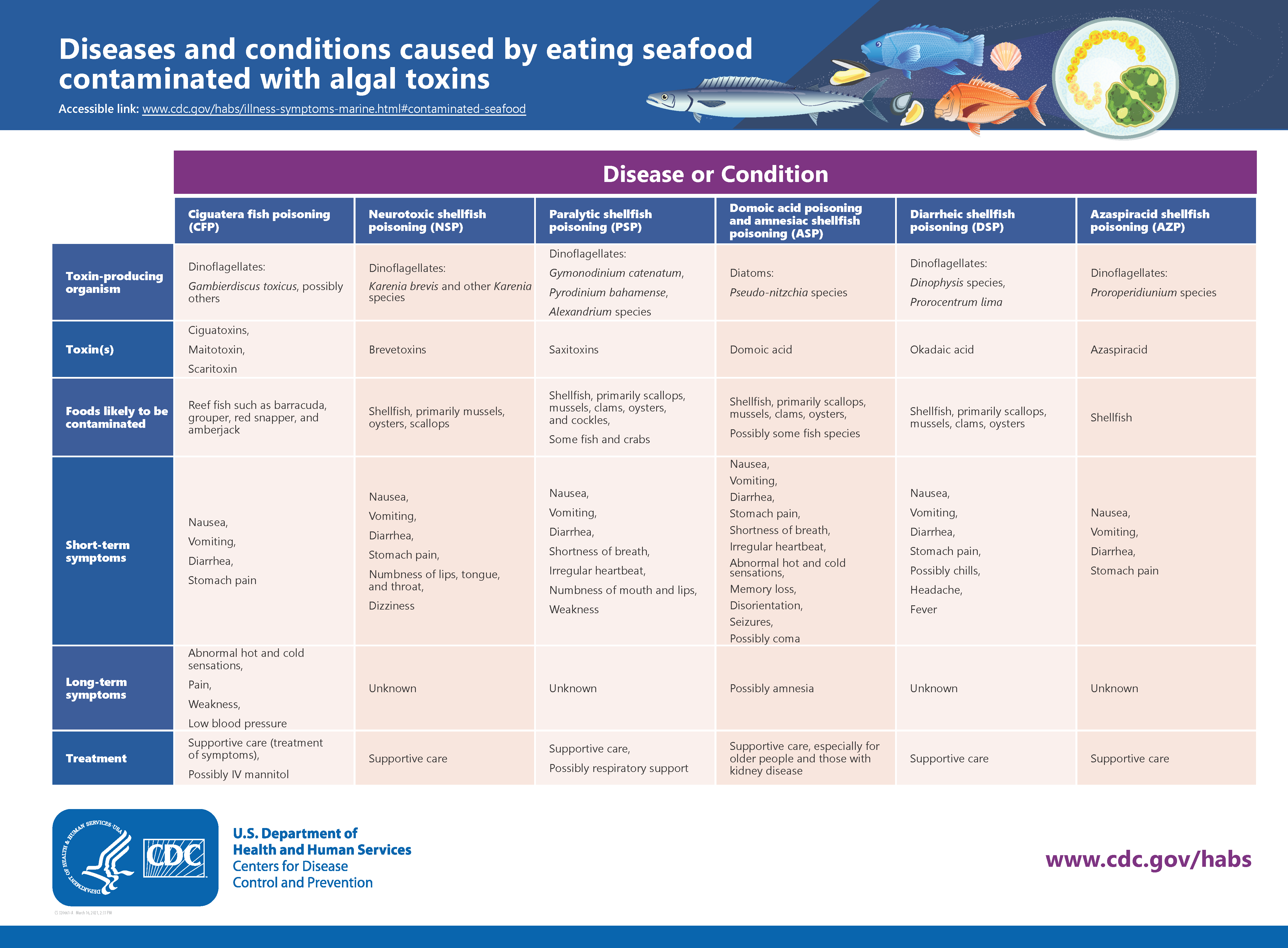
Diseases and conditions caused by eating seafood contaminated with algal toxins

What are marine harmful algal bloom (HAB)-related illnesses?

When phytoplankton and algae in marine waters occur at levels that pose a health risk to humans, animals, and the environment, they are referred to as marine harmful algal blooms (HABs). The US Centers for Disease Control and Prevention (CDC) provide resources on potential human and animal exposures to marine HABs or associated marine biotoxins via skin contact or inhalation, or consumption of fish and shellfish.

Research – Epidemiological and microbiological investigation of a large increase in vibriosis, northern Europe, 2018

Eurosurveillance

Food Illness

The habitat of  spp. bacteria is fresh and brackish water with moderate salinity. Non-toxigenic , as well as several human pathogenic non-cholera  species, including  and , cause vibriosis after seawater exposure or consumption of contaminated seafood [1]. Clinical manifestations range from mild gastroenteritis and otitis to wound infections that may lead to severe necrotising fasciitis and septicaemia with a potentially fatal outcome [25].

The Baltic Sea region is one of the areas where increasing numbers of cases related to  species causing vibriosis (VCV) have been reported in the last decades [6]. Several studies have shown how the occurrence of heatwaves, which lead to an increase in sea surface temperature, are linked with an increase in the number of reported vibriosis cases [4,712]. For instance, the years with an especially warm summer in the Baltic Sea region, 2006, 2010 and particularly 2014 (the warmest year in historical records at the time), were also the years with the largest number of vibriosis cases reported [6,11].

However, there is a notable gap in surveillance data for vibriosis since it is not a notifiable disease in the majority of European countries [1,6]. Therefore, the aim of this multi-country study was to describe the epidemiology of vibriosis cases in countries bordering the North and Baltic Seas area during the exceptionally warm year of 2018 [13,14], in order to investigate the extent of these infections in the study countries, map their genetic diversity, understand the predictors for developing severe vibriosis, and propose recommendations for public health measures.

Austria – S-BUDGET ASTORIA Natural still mineral water in a 1.5 liter non-returnable bottle – Coliforms

AGES

AGES informs about a recall of the company SPAR. On July 4th, 2022, the company recalled the product S-BUDGET ASTORIA still natural mineral water in the 1.5 liter non-returnable bottle:
recall reason
coliform bacteria
Marketed by
SAVE
Manufacturer
SPAR S BUDGET
Expiry Date
06/01/2023

As a precaution, SPAR is recalling S-BUDGET ASTORIA natural mineral water still in the 1.5 liter non-returnable bottle

Salzburg (OTS) – SPAR continuously controls the products of the SPAR brands to ensure the highest quality. During a routine quality control, the product “S-BUDGET ASTORIA natural mineral water still in the 1.5 liter disposable bottle” with best-before dates (MHD) 05/31/2023 and 06/01/2023 was found to contain a small amount of coliform bacteria that is greater than the permissible limit established. For this reason, SPAR is recalling the product with the above best before dates.

Customers are asked not to drink the “S-BUDGET ASTORIA natural mineral water still in the 1.5 liter disposable bottle”. All other S-BUDGET products or mineral water from other SPAR brands are not affected by this recall.

All customers who have already bought one of the products that may be affected can of course return it to the nearest SPAR, EUROSPAR or INTERSPAR store or Maximarkt. Customers are reimbursed the purchase price even without proof of purchase.

Customers who have questions about this are welcome to contact customer service at office@spar.at or call the freephone number 0800 / 22 11 20 .

Nepal – Nepalese cholera outbreak: Kathmandu bans Panipuri

World Akkam

Kathmandu, June 26: Kathmandu, the capital of Nepal, is currently facing another outbreak of cholera. As of Sunday, at least 12 people have been infected with the disease, and authorities are struggling to contain the outbreak.

Cases of cholera have been found in several parts of the city, and health authorities have not yet identified the source. It was found that the water sources in many areas contained Vibrio cholerae.

Meanwhile, Kathmandu’s affiliated city, Lalitpur, has banned the sale of Panipuri and chat from Sunday for fear of cholera.

Lalitpur Metropolitan City (LMC) has decided to stop selling and distributing Panipuri and Chatpate in big cities from Saturday. LMC has banned the sale of Panipuri and Chapati, claiming that Vibrio cholerae was found in the water used in Panipuri.