Category Archives: Vibrio

Research – Emergence of non-choleragenic Vibrio infections in Australia

1 Health

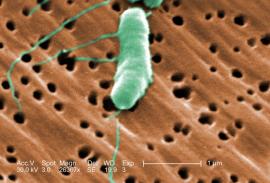
Vibrio_vulnificus_01a

Vibrio infection was rarely reported in Tasmania prior to 2016, when a multistate outbreak of Vibrio parahaemolyticus associated with Tasmanian oysters was identified and 11 people reported ill. Since then, sporadic foodborne cases have been identified following consumption of commercially- and recreationally-harvested oysters. The increases in both foodborne and non-foodborne Vibrio infec-tions in Tasmania are likely associated with increased sea water temperatures. As oyster production increases and climate change raises the sea surface temperature of our coastline, Tasmania expects to see more vibriosis cases. Vibriosis due to oyster consumption has been reported in other Australian states, but the variability in notification requirements between jurisdictions makes case and outbreak detection difficult and potentially hampers any public health response to prevent further illness.

Research – Antibacterial Effect of Oregano Essential Oil against Vibrio vulnificus and Its Mechanism

MDPI

Oregano essential oil (OEO) is an effective natural antibacterial agent, but its antibacterial activity against Vibrio vulnificus has not been widely studied. The aim of this study was to investigate the inhibitory effect and germicidal activity of OEO on V. vulnificus and its possible inhibition mechanism. The minimum inhibitory concentrations (MICs) and minimum bactericidal concentrations (MBCs) of OEO against four V. vulnificus strains (ATCC 27562 and three isolates from seafoods) were from 0.06 to 0.15 μL/mL. Compared with untreated bacteria, OEO reduced the concentration of intracellular adenosine triphosphate (ATP), hyperpolarized the cell membrane, increased the level of reactive oxygen species (ROS), and increased the concentration of intracellular malondialdehyde (MDA), but there was no obvious DNA damage at the OEO test concentration. It was indicated that OEO inactivated V. vulnificus by generating ROS which caused lipid peroxidation of cell membranes, thereby reducing the permeability and integrity of cell membranes and causing morphological changes to cells, but there was no obvious damage to DNA. In addition, OEO could effectively kill V. vulnificus in oysters at 25 °C, and the number of bacteria decreased by 48.2% after 0.09% OEO treatment for 10 h. The good inhibitory effect and bactericidal activity of OEO showed in this study, and the economy and security of OEO make it possible to apply OEO to control V. vulnificus contamination in oysters and other seafoods. View Full-Text

New Zealand – Food Safety Advises Consumers To Cook Mussels Through – Vibrio

Scoop

New Zealand Food Safety is reminding consumers to thoroughly cook mussels following an increase in cases of Vibrio parahaemolyticus around the country this summer.

Deputy Director-General New Zealand Food Safety Vince Arbuckle said, “Since mid-November 2021, there have been 31 confirmed cases with 10 people hospitalised with the illness from around the country, and evidence suggests a change in water temperature and conditions may make live mussels more susceptible to the bacteria.

“As mussel harvesting is a favourite summer pastime of many New Zealanders and are sold live and raw in many New Zealand supermarkets, we advise consumers to cook mussels thoroughly before consumption to avoid getting sick. We have been working with the major supermarket chains to ensure that point-of-sale signage to cook mussels is available for consumers.

“People with low immunity, pregnant, or elderly should always avoid eating raw or undercooked shellfish as the illness can be more severe,” said Mr Arbuckle.

New Zealand Food Safety advises consumers to follow simple food safety guidance to avoid contracting Vibrio parahaemolyticus by following some simple rules.

Slovakia – Report on zoonoses, foodborne diseases and waterborne diseases in the Slovak Republic in 2020

MPSR


The protection of human and animal health can only be achieved through the active cooperation of experts in the field of control and research in the human and veterinary field. The report on zoonoses, foodborne diseases and waterborne diseases in the Slovak Republic for 2020 contains data from official inspections carried out in the field of agriculture and health care, as well as from research institutes and universities. The preparation of the report was coordinated by the National Contact Point for Scientific and Technical Cooperation with the European Food Safety Authority (EFSA EFSA), which is established at the Department of Food Safety and Nutrition of the Ministry of Agriculture and Rural Development of the Slovak Republic (MPRV SR).

The report serves as a basis for the EFSA NCB and scientific experts to set priorities and own national food safety risk assessments. At the same time, the report serves as one of the bases for the Community risk assessment carried out by the European Food Safety Authority (EFSA). Scientific risk assessment is the basis for risk management. The report describes the situation in  35 zoonotic agents, 5 foodborne diseases (ie foodborne diseases) without zoonotic potential and 4 waterborne pathogens. Of the 44 agents monitored, 23 are bacterial, 10 parasitic, 10 viral and prion.

It presents the summary results of examinations and tests performed in 2020 in the Slovak Republic and the evaluation of the national epidemiological situation in humans and animals with a focus on trends and sources of zoonotic and foodborne diseases.

The report presents the summary results of examinations and tests carried out in 2020 and an assessment of the national epidemiological situation in humans and animals , focusing on trends and sources of zoonotic and foodborne diseases . The number of monitored authors, cooperating organizations and experts is growing every year. A wide team of more than 70 experts from 24 scientific and control organizations in the Slovak Republic took part in its elaboration .

In 2020, 17,067 human diseases caused by the study agents were reported, with 29.1% related to campylobacteriosis, 20.9% to Clostridium dificille and 20.4% to salmonellosis. Rotavirus 11.6%, Norwalk virus 5.1%, Borrelia burgdorferi sl 5.6% and  Escherichia coli 1.2% also contributed to a higher percentage of diseases.

Seven of the study agents caused 380 human epidemics, of which 56.6% were salmonellosis, 23.2% were campylobacteriosis and 12.6% of epidemics were caused by rotavirus. Norwalk virus accounted for 5.5%, tick-borne encephalitis virus 1.3%, shigella and 0.5% and yersinia 0.3%.  

35,957 food samples were examined for the presence of 15 pathogens with a positive finding in 2.2% of samples. Higher percentages of positive findings were in  Yersinia spp. 48.1%, Enterococcus spp. 46.3% and  Vibrio spp. 31.8%.

The presence of 30 pathogens was monitored in 2,483,239 samples originating from livestock and wild animals, pets and zoos taken as part of official control, preventive monitoring, research, as well as from sick or dead animals. Positive findings accounted for 0.1% of samples. Higher percentages of positive findings were recorded for  Aeromonas spp. 59.3%, Clostridium spp. 55.4%, Francisella tularensis 50.4%, Babesia spp. 41.1%, Dirofilaria spp. 34.8%, Campylobacter spp. 18.3%, Yersinia spp. 18.3%, Staphylococcus aureus 18.1%, hepatitis E virus 14.1%, Listeria monocytogenes  11.8%, Toxocara spp. 10.5%.

Feed – 385 samples were examined for the presence of Salmonella spp. (1.5% positive samples), Escherichia coli (60.0% positive samples) and Clostridium spp.

(1.7% positive samples).

35,746 water samples were examined for the presence of 9 agents, of which 7.4% were positive, of which Legionella spp. 47.1% and Vibrio spp. 39.5%.

44,633 samples from the environment were examined for the presence of 8 pathogens, of which 2.3% were positive, of which Legionella spp. 36.0%, Vibrio spp. 6.8%,  E.coli 3.6% and  Enterococcus spp. 2.6%.

The report also includes the results of examinations for the resistance of microorganisms to antimicrobials, which has a growing trend worldwide and poses a real danger in the treatment of infections. Microbial resistance was monitored in Salmonella spp., E. coli , Campylobacter spp., Staphylococcus aureus and  Enterococcus spp.

The comprehensive report, which will be published as a publication, has a length of more than 130 pages, will be published in printed form, as a publication with an assigned ISBN. Summaries of individual chapters will be translated into English and published in an electronic version as a publication with an assigned ISBN.

See the appendices for more information.

Attachments (downloadable documents)


Research – New bacteria in UK waters as temperatures rise – Vibrio’s

Science Daily

Food Illness

Rising temperatures are causing a “growing diversity” of Vibrio bacteria in the sea around the UK, new research shows.

The study, led by the University of Exeter, found two Vibrio species — Vibrio rotiferianus and Vibrio jasicida – that have never been recorded in UK waters before.

These species can harm sea creatures such as shellfish, but the increasing range of Vibrio species also raises concerns for human health.

Some Vibrio bacteria can cause gastroenteritis when eaten in raw or undercooked shellfish, and the bacteria can also cause skin infections.

The researchers say the spread of Vibrio species has resulted in a “worldwide surge” of Vibriosis infections in humans and aquatic animals.

Vibrio species can often be found in UK waters in summer, when temperatures are more favourable for them,” said Dr Sariqa Wagley, of the University of Exeter.

“With sea-surface temperatures rising due to climate change, Vibrio activity in the waters is more common, and the diversity of Vibrio species is now increasing.”

The study used Met Office data to identify locations where summer sea-surface temperatures were favourable for Vibrio bacteria (based on average number of days per year warmer than 18°C).

Researchers then analysed shellfish samples from four sites used by the shellfish industry — Chichester Harbour, Osea Island, Whitstable Bay and Lyme Bay.

“We found Vibrio parahaemolyticus — the leading cause of seafood-borne gastroenteritis worldwide — at Chichester Harbour,” Dr Wagley said.

Vibrio alginolyticus, which can also cause illness in humans, was identified at three of the sites that had sea-surface temperatures above 18°C (Chichester Harbour, Osea Island and Whitstable Bay).

“It is important to note that thorough cooking kills harmful Vibrio bacteria in seafood.

“However, increasing abundance and diversity of Vibrio bacteria creates health risks not only for people eating seafood, but for those using the sea for recreation purposes — either due to swallowing infected seawater or from the bacteria entering exposed wounds or cuts.

Vibrio bacteria are also a threat to a variety of marine species including shellfish themselves. Disease costs the global aquaculture industry £6 billion a year, and this burden of disease can be devastating.

“We have not seen mass mortality of shellfish due to Vibrio bacteria here in the UK yet, but this has occurred elsewhere — including in France and Australia.”

Dr Wagley added: “Our findings support the hypothesis that Vibrio-associated diseases are increasing and are influenced by the rise in sea-surface temperature.

“We need to monitor this situation closely, to protect human health, marine biodiversity and the seafood industry.”

Dr Joanne Preston, from the University of Portsmouth, said: “It is important to monitor the impact of increasing sea surface temperature on potential shellfish pathogens, not just for human health and safety, but also to understand the resilience of our coastal species and habitats to climate change.”

Dr Luke Helmer, from the Blue Marine Foundation and the University of Portsmouth, added: “The impacts of climate change on the marine environment are likely to be widespread.

“Understanding how these changes will affect ecologically and commercially important species and the people that rely on them will be crucial moving forward, in order to mitigate against them.”

The study — funded by Biotechnology and Biological Sciences Research Council (BBSRC) — was supported by Chichester and Havant Council and Sussex Inshore Fisheries and Conservation Authority.

Research – Tracking down the origin of cholera pandemics

Science Direct

Food Illness

The bacterium Vibrio cholerae is the causative agent of the diarrheal disease cholera and is responsible for seven known pandemics. The seventh cholera pandemic began in 1961 and is still active. Unlike previous pandemics, it is caused by cholera strains of a slightly different type. How did the modified cholera strains develop and spread, and what might have contributed to their success? Scientists from the Max Planck Institute for Evolutionary Biology in Plön, Germany, and CAU Kiel, in an international team with colleagues from City College New York and the University of Texas Rio Grande Valley, have now gained new insights into a molecular mechanism that provides insight into the interactions between cholera bacteria and may have played a role in the emergence of the seventh pandemic.

In their natural environment, bacteria are subject to competition with other bacteria for space and nutrients. In this process, molecular mechanisms help them to hold their own. One such mechanism is the so-called “type 6 secretion system” (T6SS), with which a bacterium transports toxic proteins into a neighboring bacterium and thereby kills it. Thus, cholera bacteria of the seventh pandemic use their T6SS to keep other bacteria in check and presumably more easily cause infection.

Researchers now had the special opportunity to study the T6SS of cholera bacteria from previous pandemics. For this purpose, among other things, the T6SS genome sequence of cholera bacteria from the 2nd pandemic was reconstructed from a museum specimen from the 19th century in a complex procedure and recreated in the laboratory.

In the process, the scientists were able to show that 2nd and 6th pandemic cholera bacteria lack a functional T6SS. As a result, the bacteria of earlier pandemics not only lack the ability to attack other bacteria, they are themselves killed by bacterial strains of the seventh pandemic. This may have been one of the reasons that older cholera strains were displaced by modified cholera strains of the seventh pandemic and are now hard to find.

Data from new lab

Daniel Unterweger, one of the study’s authors and a group leader at the Max Planck Institute in Plön, Germany, says: “With these findings, we support the theory that microbial competition between bacteria is very important for understanding pathogens and bacterial pandemics. Our research on the cholera bacterium was made possible by an S2 laboratory newly established at the institute. Here, we can conduct experiments with bacterial pathogens under the necessary safety precautions. The study contains some of the first data from the new laboratory.”

Link to Article

RASFF Alert – Vibrio cholerae – Frozen Prawns

RASFF

Vibrio cholerae (presence /25g) in frozen prawns (Litopenaeus vannamei) from Ecuador in Spain

Research – Editorial: Vibrio Species in the Food Processing Chain

Frontiers in Microbiology

Food Illness

Editorial on the Research Topic
Vibrio Species in the Food Processing Chain

Rising concern about the foodborne illnesses caused by pathogenic Vibrio species (mainly V. parahaemolyticus, V. cholera, and V. vulnificus) has led to a strengthening of research on the characterization of the presence of the genus in food matrices, virulence genes, pandemic markers, and the correlation between clinical and environmental isolates from different ecosystems. The emergence of antimicrobial resistance strains (AMR) in Vibrio spp. may produce a decrease in the effectiveness of commonly used antibiotics, thus posing a threat to public health. Progress in genomic studies has identified motile elements implied in gene transfer that may give birth to developing surveillance strategies for risk mitigation. The development of new infection models that can predict the pathogenesis of Vibrio spp. and the use of high-throughput sequencing techniques for serogroup genes may be useful tools for understanding molecular pathways and the infectivity of Vibrio spp. food isolates. In this Research Topic, different approaches, aiming at characterizing Vibrio spp. from aquaculture, marine, and vegetable ecosystems, together with the evaluation of microbial behavior and the development of new infection and serogroup models, are shown.

A mini-review by Dutta et al. discusses the role and antimicrobial resistance of pathogenic Vibrio spp. They present potential sources of antibiotic resistance genes for Vibrio spp., including the horizontal gene transmission from other pathogens as the main route. This has shown the genetic basis of the emergence of multidrug and extensively multidrug resistant Vibrio spp. through different types of highly mobile elements that can be extensively propagated among bacteria. The use of phage or probiotic therapies as alternative treatments for the inactivation of antibiotic resistant species of Vibrio may be helped by the maintenance of good hygiene practices and processing technologies to protect public health.

Antibiotic resistance genes can also originate from the environment, such as wastewater effluents or sediments in marine or aquaculture habitats. In this regard, Siddique et al. studied the characterization of pathogenic V. parahaemolyticus in a fish farm ecosystem (tilapia, rui, and shrimp). Among the 216 samples, 60.2% were positive for the pathogen, including 323 isolates of which 17 harboured the trh virulence gene gene. They confirm the presence of resistant strains to amoxicillin, ampicillin, and penicillin. Pathogenicity was further confirmed by the fluid accumulation in the ileal loop of rabbits being O8: KUT, the most predominant pathogenic serotype.

The presence and characterization of V. parahaemolyticus and V. vulnificus in marine and estuarine environments was studied by da Silva et al. They found 150 isolates of V. parahaemolyticus, including 52 positives for trh gene, and 129 of V. vulnificus from water and blue crab samples. PFGE and agglutination tests were used for molecular subtyping and determination of antibiotic resistance. The study showed the high presence of the O5 pathogenic serotype, together with the multidrug resistant isolates (41%) and the high genetic diversity of both Vibrio species, as no correlations were found among the sampling sites, antimicrobial resistance profiles, and pathogenicity.

The associated presence of Vibrio spp. in water ecosystems may underestimate their origin from other environmental and food sources. Ready-To-Eat vegetables can harbor pathogenic Vibrio spp. if poor manufacturing, hygiene, and storage practices are followed. Igbinosa et al. evaluated the presence of V. parahaemolyticus in minimally processed vegetables. Among the 63 isolates, they found microbial counts from 1.5 to 1,000 MPN/g and drug resistant isolates to ampicillin and cefotaxime mainly (>60%). They studied the biofilm formation finding that 23.8% of the isolates were strong biofilm producers. Regarding the presence of virulence genes, 100, 14.3, and 31.8% of the isolates harbored the toxR gene, trh, and tdh determinants, respectively.

The microbial behavior of Vibrio spp. can be quantified with predictive models. Posada-Izquierdo et al. investigated the fate of a Vibrio spp. cocktail inoculated in lye-treated table olives for 22 days. A predictive growth model was developed as a function of salt concentration (2–12%) and pH (4–9) using a synthetic medium and table olive brines. They found a higher effect of salt concentration than of pH for the growth inhibition of Vibrio spp. However, they were not able to proliferate in the table olives during fermentation, highlighting that phenolics compounds could exert a clear antimicrobial effect.

The disposal of reliable models to predict the pathogenesis of Vibrio spp. are increasingly needed since the use of virulence markers could not fully elucidate the presence of long-standing virulence indicators. This was demonstrated by Santos et al. using clinical and environmental V. parahaemolyticus isolates in two systemic infection models, namely mice and Galleria mellonella larvae. Interestingly, non-pathogenic environmental isolates produced lethal infections regardless of their source, serotype, and genotype (tdh, orf8, toxRSnew, and vpadF). A high correlation was found in the assayed models, supporting that G. mellonella larvae can be used as an alternative model to study the pathogenesis of V. parahaemolyticus.

Recently, the use of high-throughput sequencing technologies has aided researchers in deciphering the genome of different species. This was essential to provide complete knowledge of the molecular and metabolic pathways of microorganisms and the identification of virulence gene clusters. Bian et al. have developed VPsero, a rapid serotyping tool for V. parahaemolyticus using serogroup specific genes obtained from whole-genome sequencing data. The algorithm, based on the comparison of lipopolysaccharide and capsular polysaccharide gene clusters covered 43 K and 12 O serogroups. The authors showed the high sensitivity and specificity of the tool (>0.91), though limitations could be faced in future studies, such as the addition of new serogroups, the verification of the quality of assembled genomes and the availability of short reads.

This Research Topic presents a collection of manuscripts highlighting relevant findings in the pathogenesis of Vibrio spp. in the food chain and suggests future directions for research, enabling progress in the development of novel analytical methods and surveillance actions to mitigate the emerging risk posed by these human pathogens.

Australia – More than 100 sick in Australia as oysters recalled – Vibrio parahaemolyticus

Food Safety News

KSWFOODWORLD

Seven Australian states have recorded more than 100 Vibrio illnesses linked to raw oysters from South Australia.

There are 56 people sick in South Australia since September and three have been hospitalized. Western Australia has 17 cases since late September, Victoria reported 31 illnesses since the first week of October and 15 infections have been recorded in New South Wales. Further illnesses have also been reported in Queensland and the Northern Territory.

Two cases of Vibrio parahaemolyticus were identified in the Australian Capital Territory in people who had recently consumed oysters. Investigations are ongoing to find out where they were sourced from.

Singapore – Recall of raw Pacific oysters from the SA due to Vibrio parahaemolyticus contamination

SFA

Vibrio

SA Health* has issued an order to recall ready-to-eat raw Pacific oysters harvested from Coffin Bay from 4 September 2021 to 16 November 2021 due to Vibrio parahaemolyticus contamination.

2 As the implicated product harvested during the specified period was imported into Singapore, the Singapore Food Agency (SFA) has directed

3 importers, Angliss Singapore Pte Ltd, Evergreen Seafood Pte Ltd and Culina Pte Ltd to recall the product. The recall has been completed by Angliss Singapore Pte Ltd and Culina Pte Ltd while the recall is ongoing for Evergreen Seafood Pte Ltd. 3Vibrio parahaemolyticus is a species of bacterium normally present in raw seafood, such as crustaceans and molluscan shellfish, due to natural contamination from the aquatic environment in the ocean. Consumption of raw seafood with high levels of this bacteria can cause foodborne illnesses including fever, abdominal cramps and severe diarrhoea.

4 Consumers who have purchased the implicated product are advised not to consume it. Those who have consumed the implicated product and have concerns about their health should seek medical advice.

5 Details of the product are as follows. Implicated Product RTE Raw Pacific Oysters from Coffin Bay, South Australia Harvest dates: between 4 September 2021 and16 November 2021.Country of origin: Australia*SA Health is the brand name for the health portfolio of services and agencies under the Government of South Australia.

Issued by the Singapore Food Agency24 November 2021