

The amount of coastal water in which harmful bacteria can live has increased 56% over the past few decades, a report published Wednesday found.
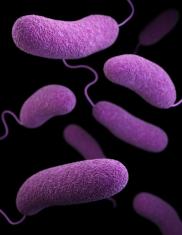
That bacteria family, called Vibrio, lives in salty or brackish coastal waters, including in the US and Canada. The infection it causes, vibriosis, is usually contracted by eating raw or undercooked seafood or by exposing a wound to bacteria-infested seawater. Mild cases resolve in about three days, but Vibrio can also cause severe diseases, including gastroenteritis, life-threatening cholera, dangerous wound infections, and sepsis.
One species of Vibrio bacteria, Vibrio vulnificus, is referred to as flesh-eating because the bacteria can aggressively destroy body tissue. Those infections, though rare, often require intensive care or amputation. And they can be fatal, killing one in five infected people, usually within two days, according to the Centers for Disease Control and Prevention.
The reasons Vibrio is becoming a greater threat are that sea surface temperatures are rising and seawater is getting saltier. That’s one of many alarming findings from the medical journal The Lancet’s sixth annual report on health and climate change. In it, researchers from academia and the United Nations tracked 44 indicators of health effects linked to climate change.



 FoodWorld