Category Archives: STEC E.coli

USA – Fresh Express recalls Romaine for E. coli O26

Food Poison Journal

Fresh Express is voluntarily recalling a limited number of cases of expired 10.5 oz. Fresh Express Kit Caesar Supreme with the Use-By Date of November 8, 2020 and Product Code S296 because it may be contaminated with Escherichia coli STEC 026 bacteria.  The recall is being executed out of an abundance of caution in the unlikely event the product, which is now 8 days past the Use-By Date, is still in stores or consumers’ homes.  The recalled product was distributed primarily in Western and Southwestern U.S. states.

Research – Microbiological Survey of Wheat Flour Sold at Retail in Canada, 2018-2019

Journal of Food Protection

Following two O121 STEC outbreaks linked to wheat flour, this study was conducted to gain baseline information on the occurrence of bacterial pathogens and levels of indicator organisms in wheat flour in Canada. A total of 347 pre-packaged wheat flour samples were analyzed for Salmonella spp., Shiga Toxin-Producing Escherichia coli (STEC), Listeria monocytogenes ( L. monocytogenes ) , aerobic colony count (ACC), total coliforms, and generic Escherichia coli ( E. coli ) . Salmonella spp. and O157 STEC were not detected in any of the samples. L. monocytogenes was identified in two samples (0.6%) at levels below the limit of detection (<0.7 log CFU/g). Non-O157 STEC were isolated from six samples (1.7%) and were characterized for the presence of STEC virulence genes: stx 1, stx 2 and subtypes, eae , hlyA, and aggR . One O103:H25 STEC isolate carried virulence genes ( stx 1 a + eae ) that are known to be capable of causing diarrhea and/or bloody diarrhea in humans. Of the five remaining non-O157 STEC isolates, four carried single stx 2a or stx 2c genes and were considered to have the potential of causing diarrhea. The remaining non-O157 STEC isolate ( stx 2 ), while not a priority non-O157 STEC was not available for sequencing and thus its potential to cause illness is unknown. ACC, total coliforms, and generic E. coli were detected   in 98.8%, 72.6% and 0.6% of the flour samples. The mean counts of ACC were greater in whole-wheat flour as compared to the other flour types tested ( p <0.001). The results of this study suggest that the occurrence of O157 STEC and Salmonella  is low, but the occurrence of non-O157 STEC in wheat flour with the potential to cause human illness of diarrhea is relatively common. Therefore, the consumption of raw flour could increase the likelihood of STEC infections. Further research is merited for potential risk mitigation strategies within the food production system and with consumers.

UK – Investigation – STEC E.coli O157- 2017 Frozen Beef Burgers

Cambridge Press

In November 2017, Public Health England identified an outbreak of Shiga toxin-producing Escherichia coli O157:H7 in England where whole genome sequencing results indicated cases were likely to be linked to a common source, and began investigations.

Hypothesis generation included a review of enhanced surveillance data, a case-case study and trawling interviews. The hypothesis of interest was tested through the administration of focussed questionnaires and review of shopping history using loyalty card data. Twelve outbreak cases were detected, eight were hospitalised and four developed haemolytic uraemic syndrome. Frozen beef burgers supplied by a national retailer were identified as the vehicle of the outbreak. Testing of two left-over burger samples obtained from the freezers of two separate (unlinked) cases and a retained sample from the production premises were tested and found to be positive for the outbreak strain. A voluntary recall of the burgers was implemented by the retailer. Investigations at the production premises identified no contraventions of food safety legislation. Cooking guidance on the product packaging was deemed to be adequate and interviews with the cases/carers who prepared the burgers revealed no deficiencies in cooking practices at home. Given the long-shelf life of frozen burgers, the product recall likely prevented more cases.

RASFF Alert – STEC E.coli – Beef Burger

European Food Alerts

RASFF

shigatoxin-producing Escherichia coli (presence /25g) in beef burger from Lithuania in Latvia

Italy – Fontina Cheese Recalls – STEC E.coli

Salute

Brand : IT 02 2 CE C280 Pre-packaged 250g ATP 08-12-2020

Name : Fontina cheese DOP RED LABEL

Reason for reporting : Recall due to microbiological risk

Publication date : 12 November 2020

Brand : Fontina DOP IPER IT 02 2 CE C280 Pre-packaged 250g ATP TMC 08-12-2020
Name : Cheese Fontina DOP
Reason for reporting : Recall due to microbiological risk
Publication date : 12 November 2020

Recall model Fontina DOP IPER IT 02 2 CE C280 Pre-packaged 250g ATP TMC 08-12-2020 – Fontina DOP cheese


Salute

Brand : Fontina DOP IPER IT 02 2 CE C280 Pre-packaged 250g ATP TMC 08-12-2020
Name : Cheese Fontina DOP
Reason for reporting : Recall due to microbiological risk
Publication date : 12 November 2020

Doumentation

Salute

Brand : Fontina DOP ITALIAMO C280 IT 02 2 CE Pre-packaged 250g ATP TMC 08-12-2020
Name : Fontina DOP cheese
Reason for reporting : Recall due to microbiological risk
Publication date : 12 November 2020

Documentation

USA – Walmart recall: Tanimura & Antle romaine lettuce recalled from more than 1,000 Walmart stores over E. coli risk

USA Today

Eurofins Food Testing UK

Walmart has released a list of the stores that carried the recalled Tanimura & Antle romaine lettuce.

Last week, Salinas, California-based Tanimura & Antle Inc. voluntarily recalled select single heads of romaine lettuce distributed across the country for possible E. coli contamination. The company posted an announcement on the Food and Drug Administration website Friday.

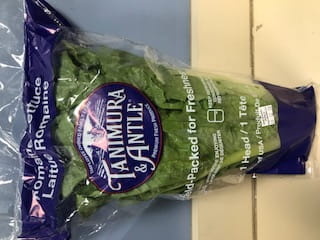
The affected lettuce is labeled with a “packed on date of 10/15/2020 or 10/16/2020,” the company said. The UPC number on the lettuce is 0-27918-20314-9.

According to Tanimura & Antle, no other products or pack dates are being recalled and there have been “no reported illnesses associated with the recalled product.”

USA – Outbreak Investigation of E. coli O157:H7: Unknown Food (Fall 2020)

FDA

The FDA and CDC, in collaboration with state and local partners, is investigating illnesses in a third multistate outbreak of E.coli O157:H7 infections this Fall.

On November 6, 2020, the Michigan Department of Agriculture and Rural Development (MDARD) reported that as a part of routine sampling, they collected a product sample of romaine lettuce for testing. The sample tested positive for E. coli O157:H7 and subsequent whole genome sequencing (WGS) analysis determined that the E. coli O157:H7 present in the samples matches the strain that has caused illnesses in this outbreak.

The strain of E. coli found in the Michigan sample is a third distinct strain not genetically related to the strains causing two distinct multi-state outbreaks of Shiga-toxin producing E. coli O157:H7 (STEC) that FDA and CDC announced on October 28, 2020. At this time, a specific food has not been linked to either of those outbreaks.

On November 6, 2020, Tanimura & Antle, Inc. recalled packaged single head romaine lettuce with a pack date of 10/15/2020 or 10/16/2020 due to possible contamination with E. coli O157:H7. The firm recalled this product based on test results from a product sample collected and analyzed by MDARD before the WGS analysis showing the match to the outbreak strain was completed.

FDA and state partners are working with the firm to determine if additional romaine should be recalled.

At this time, there is not enough epidemiologic and traceback evidence to determine if ill people in this outbreak were exposed to romaine lettuce from Tanimura & Antle, Inc. Additional information will be provided as it becomes available.

Recommendation

Consumers, restaurants, and retailers, should not eat, sell, or serve Tanimura & Antle, Inc. brand packaged single head romaine lettuce with a pack date of 10/15/2020 or 10/16/2020.

USA – Consumer Advisory: Romaine lettuce grown by Tanimura & Antle tests positive for E. coli

MDARD

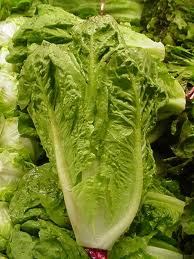
Romaine lettuce

LANSING, Mich. – The Michigan Department of Agriculture and Rural Development (MDARD) is advising consumers not to eat Tanimura & Antle brand romaine lettuce packed as single heads due to food safety concerns.

A routine sample of the lettuce collected at a Walmart in Comstock Park, MI, and tested by MDARD’s Laboratory Division confirmed positive for E. coli 0157:H7. Further analysis conducted by the Michigan Department of Health and Human Services laboratory determined that the strain of E. coli recovered from the product sample is highly related genetically to E. coli causing two recent illnesses in Michigan.

The lettuce was sold in a zip-top clear plastic bag with a blue label and white lettering.  It has the UPC number 0-27918-20314-9 and a white sticker indicating it was packed in Salinas, California on October 15, 2020.

Consumers should discard this product or return it to the place of purchase. If you think you or a family member have become ill from consuming any of these products, please seek immediate medical attention.

E. coli can cause serious or life-threatening illness in some individuals. Symptoms of Shiga toxin-producing E. coli (STEC) infection vary for each person, but often include severe stomach cramps, diarrhea (often bloody), and vomiting. Some people may have a fever, which usually is not very high (less than 101˚F/38.5˚C). Most people get better within 5 to 7 days. Some infections are very mild, but others are severe or even life-threatening. People usually get sick from Shiga toxin-producing E. coli (STEC) 2 to 8 days (average of 3 to 4 days) after ingesting the bacteria. Some people with a STEC infection may get a type of kidney failure called hemolytic uremic syndrome (HUS). E. coli infection is usually diagnosed by testing a stool sample.

Scotland – The risk of STEC contamination in wild venison

FSS

Summary

We have published this report to address knowledge gaps and better understand the risk of STEC (Shiga toxin-producing Escherichia coli) contamination of wild venison.

The report is based on three core objectives to:

  • map the venison industry in Scotland
  • assess STEC prevalence in wild deer faeces in Scotland
  • review cross-contamination risks in the slaughter and processing stages of wild deer from the field to larder

Although the prevalence of STEC O157 in wild deer is low, the report found that when discovered, it is the strain associated with the most severe forms of human disease. Therefore, adherence to strict hygiene practices from cull to final product are strongly recommended within the report.

The venison industry continues to take a cooperative and responsible approach to STEC O157 when found, working to better understand the risks in the sector and how to mitigate them in the interest of public health protection.

Research – Investigation into a national outbreak of STEC O157:H7 associated with frozen beef burgers, UK, 2017

Cambridge Org

In November 2017, Public Health England identified an outbreak of Shiga toxin-producing Escherichia coli O157:H7 in England where whole genome sequencing results indicated cases were likely to be linked to a common source, and began investigations. Hypothesis generation included a review of enhanced surveillance data, a case-case study and trawling interviews. The hypothesis of interest was tested through the administration of focussed questionnaires and review of shopping history using loyalty card data. Twelve outbreak cases were detected, eight were hospitalised and four developed haemolytic uraemic syndrome. Frozen beef burgers supplied by a national retailer were identified as the vehicle of the outbreak. Testing of two left-over burger samples obtained from the freezers of two separate (unlinked) cases and a retained sample from the production premises were tested and found to be positive for the outbreak strain. A voluntary recall of the burgers was implemented by the retailer. Investigations at the production premises identified no contraventions of food safety legislation. Cooking guidance on the product packaging was deemed to be adequate and interviews with the cases/carers who prepared the burgers revealed no deficiencies in cooking practices at home. Given the long-shelf life of frozen burgers, the product recall likely prevented more cases.