Canadian officials have cleared avocados as the source behind an ongoing outbreak of Salmonella infections. They have determined the source of the Salmonella is frozen corn.
“There are now 84 Salmonella illnesses reported across 5 provinces. Based on the investigation findings to date, the outbreak is linked to Alasko brand frozen whole kernel corn,” according to the Public Health Agency of Canada (PHAC).
The Canadian Food Inspection Agency (CFIA) issued food recall warnings on Dec. 14 and 19 for Alasko brand frozen whole kernel corn imported by New Alasko Limited Partnership. Some of the products were possibly distributed nationally. This led to a secondary recall for Fraser Valley Meats brand frozen whole kernel corn on Dec. 18.
As of November 12, 2021, 892 people infected with the outbreak strain of Salmonella Oranienburg have been reported from 38 states and Puerto Rico. Illnesses started on dates ranging from May 31, 2021, to October 25, 2021.
Sick people range in age from less than 1 year to 101 years, with a median age of 37, and 58% are female. Of 571 people with information available, 183 (32%) have been hospitalized.
According to other publicly available data, we expect to see the number of sickened in this outbreak to crest 1,000.
This notice has been updated to communicate the source of the outbreak and reflect 5 additional illnesses that have been reported in the ongoing outbreak investigation. There are now 84 Salmonella illnesses reported across 5 provinces. Based on the investigation findings to date, the outbreak is linked to Alasko brand frozen whole kernel corn.
The Canadian Food Inspection Agency (CFIA) issued food recall warnings on December 14 and 19 for Alasko brand frozen whole kernel corn imported by New Alasko Limited Partnership. Some of these products were possibly distributed nationally. This led to a secondary recall for Fraser Valley Meats brand frozen whole kernel corn on December 18. Additional food recall warnings in Canada are possible. More information on recalled products is available online.
Do not eat, use, sell, or serve any recalled Alasko brand or Fraser Valley Meats brand frozen whole kernel corn. This advice applies to individuals, as well as retailers, distributors, manufacturers and food service establishments such as hotels, restaurants, cafeterias, hospitals and long-term care homes, across Canada.
The Public Health Agency of Canada (PHAC) is collaborating with provincial public health partners, the Canadian Food Inspection Agency (CFIA) and Health Canada to investigate an outbreak of Salmonella infections involving 5 provinces: British Columbia, Alberta, Saskatchewan, Manitoba and Ontario. The illnesses reported in Ontario were related to travel to Alberta and British Columbia.
Many of the individuals who became sick reported eating a variety of raw and cooked produce items before their illness. Initially, investigators identified that fresh avocados were reported by many cases before they became ill; however, more information was needed to confirm the source of the outbreak.
As part of the food safety investigation, the CFIA collected different food items from restaurants where ill people dined. Testing found the outbreak strain of Salmonella in an unopened package of Alasko brand frozen whole kernel corn. Traceback findings identified Alasko as the common brand of frozen corn consumed at various food service establishments by individuals who became sick. Based on the investigation findings to date, the outbreak is linked to Alasko brand frozen whole kernel corn.
The CFIA issued food recall warnings on December 14 and 19 for Alasko brand frozen whole kernel corn. The recalled products were distributed in British Columbia, Alberta, Saskatchewan, Manitoba and Quebec, and may have been distributed in other provinces and territories. This led to a secondary recall for Fraser Valley Meats brand frozen whole kernel corn on December 18. More information on the recalled products are available online. The CFIA is continuing its food safety investigation, which may lead to the recall of other products. If other products are recalled, the CFIA will notify the public through updated food recall warnings.
The outbreak appears to be ongoing, as recent illnesses continue to be reported. Do not eat, use, sell, or serve recalled Alasko brand or Fraser Valley Meats brand frozen whole kernel corn. This advice applies to individuals, as well as retailers, distributors, manufacturers and food service establishments such as hotels, restaurants, cafeterias, hospitals and long-term care homes, across Canada.
This outbreak is an important reminder to Canadians and businesses that frozen vegetables can carry harmful germs that can lead to foodborne illness if not properly handled and cooked prior to consuming.
This public health notice will be updated as the investigation evolves.
Investigation summary
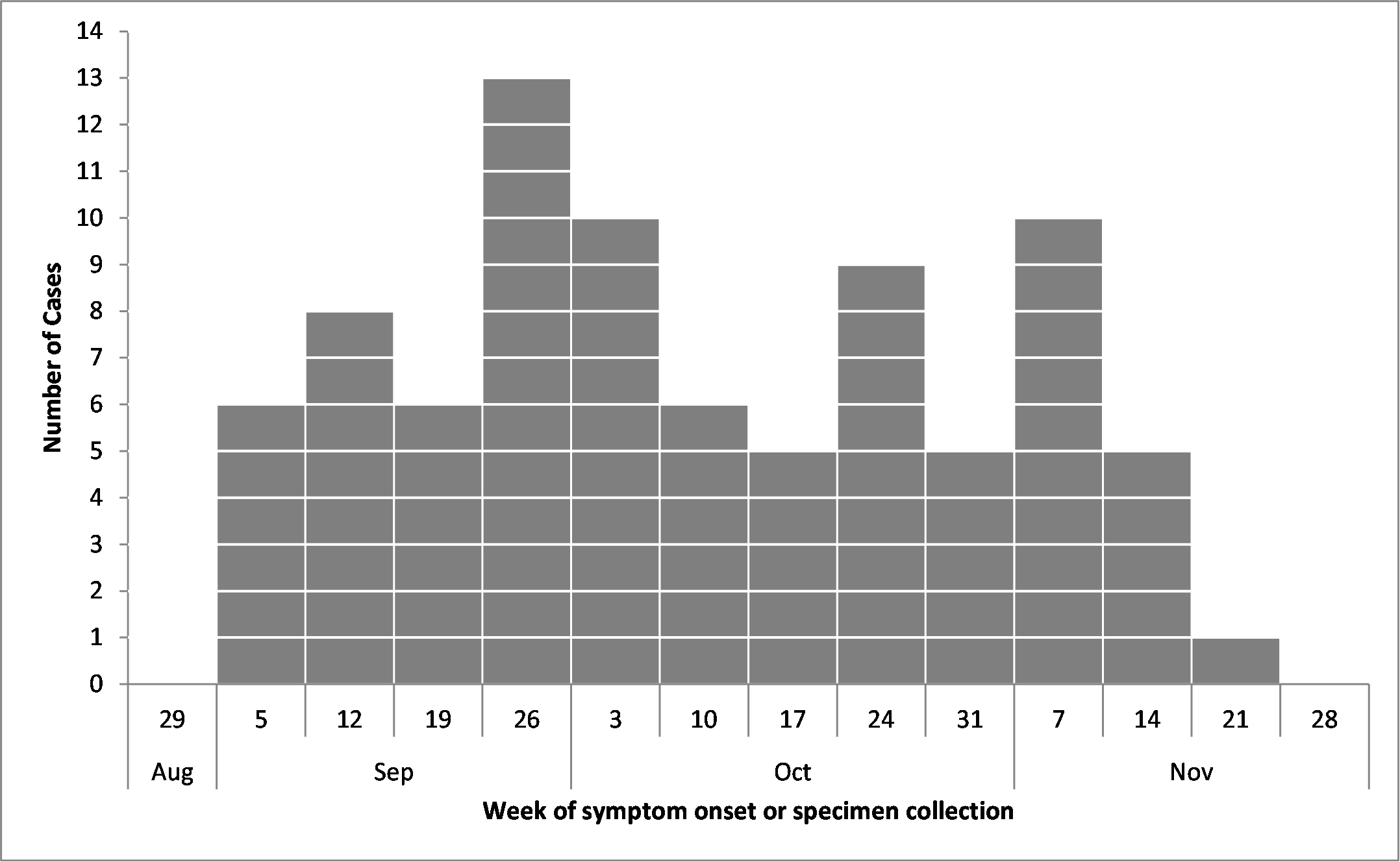
As of December 21, there have been 84 laboratory-confirmed cases of Salmonella Enteritidis illness investigated in: British Columbia (36), Alberta (30), Saskatchewan (4), Manitoba (12) and Ontario (2). The illnesses reported in Ontario are related to travel to Alberta and British Columbia.
Individuals became sick between early September 2021 and late November 2021. Four individuals have been hospitalized. No deaths have been reported. Individuals who became ill are between 5 and 89 years of age. The majority of cases (64%) are female.
The CFIA issued food recall warnings on December 14 and 19 for Alasko brand frozen whole kernel corn; and a secondary recall for Fraser Valley Meats brand frozen whole kernel corn on December 18. The CFIA is continuing its food safety investigation, which may lead to the recall of other products. If other products are recalled, the CFIA will notify the public through updated food recall warnings.
Most people who become ill from a Salmonella infection will recover fully after a few days. It is possible for some people to be infected with the bacteria and to not get sick or show any symptoms, but to still be able to spread the infection to others.
What you should do to protect your health
The following advice applies to individuals, as well as retailers, distributors, manufacturers and food service establishments such as hotels, restaurants, cafeterias, hospitals and long-term care homes, across Canada:
Do not eat, use, sell or serve any recalled Alasko brand or Fraser Valley Meats brand frozen whole kernel corn.
Clean and sanitize all surfaces and storage areas that recalled Alasko brand or Fraser Valley Meats brand frozen whole kernel corn may have come in contact with, including countertops, containers, utensils, freezers, and refrigerators.
If you have been diagnosed with a Salmonella infection or any other gastrointestinal illness, do not cook food for other people.
For general use of frozen vegetables, including frozen corn, the following tips will also help reduce your risk of becoming ill:
Frozen vegetables are not ready to eat products. Always remember to cook frozen vegetables according to the package directions.
Wash your hands with soap and warm water for at least 20 seconds before and after handling frozen vegetables.
Wash and sanitize any surfaces that may have come in contact with frozen vegetables and its packaging, such as countertops, containers, utensils, freezers, and refrigerators.
Symptoms
Symptoms of a Salmonella infection, called salmonellosis, typically start 6 to 72 hours after exposure to Salmonella bacteria from an infected animal or contaminated product.
Symptoms include:
fever
chills
diarrhea
abdominal cramps
headache
nausea
vomiting
These symptoms usually last for 4 to 7 days. In healthy people, salmonellosis often clears up without treatment, but sometimes antibiotics may be required. In some cases, severe illness may occur and hospitalization may be required. People who are infected with Salmonella bacteria can be infectious from several days to several weeks.
People who experience symptoms, or who have underlying medical conditions, should contact their health care provider if they suspect they have a Salmonella infection.
What the Government of Canada is doing
The Government of Canada is committed to protecting the health of Canadians from enteric disease outbreaks.
PHAC leads the human health investigation into an outbreak and is in regular contact with its federal, provincial and territorial partners to monitor the situation and to collaborate on steps to address an outbreak.
Health Canada provides food-related health risk assessments to determine whether the presence of a certain substance or microorganism poses a health risk to consumers.
CFIA conducts food safety investigations into the possible food source of an outbreak.
Epidemiological information
Figure 1 is an epidemiological curve for this outbreak, which shows the numbers of new cases by week. Outbreak investigators use this information to show when illnesses begin, when they peak, and when they trail off. It can take several weeks from the time a person becomes ill to when the illness is reported and testing confirms a link to the outbreak. Data are available for 84 cases.
Figure 1. Number of people infected with Salmonella EnteritidisFigure 1: Text description
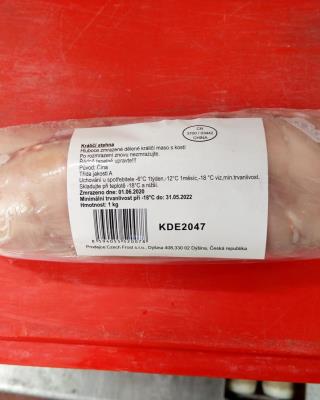
The pathogenic bacterium Salmonella Enterica serum was detected in frozen rabbit meat . Enteritidis . This bacterium can cause a condition called Salmonellosis.
The pathogenic bacterium Salmonella enterica serum was detected in the meat preparation . Enteritis s. This bacterium can cause a condition called salmonellosis.
Food Standards Scotland (FSS) and the Food Standards Agency (FSA) are reminding reptile owners who have purchased certain frozen feeder mice for their pets to take extra precautions in order to avoid contracting salmonellosis. An outbreak of Salmonella has been linked to specific frozen mice products and as a result, a product recall information notice detailing affected products has been issued.
FSS and the FSA are instructing reptile owners and others who have a supply of the affected frozen mice to return them to the place of purchase so they can be carefully disposed of. They are also warning people to be extra careful when handling any frozen rodents, not just the batches identified, due to the risk of Salmonella from other batches linked to this recall.
Since the outbreak was first reported in 2015, there have been almost 900 cases of illness. FSS and the FSA advise that the risk to the general public is considered to be very low.
Itzik HaGadol Ltd./Mitt Boutique recalls Itzik the Great Mitt Boutique brand Meatballs for cooking (~950g; Expiry date 7.2.2022) due to Salmonella contamination.



 FoodWorld