Category Archives: Research

Research – Modeling the interactions among Salmonella enteritidis, Pseudomonas aeruginosa , and Lactobacillus plantarum

Wiley Online

This paper was to investigate the interactions among Salmonella enteritidis, Lactobacillus plantarum , and Pseudomonas aeruginosa at four combinations of initial concentration. Firstly, fitting the growth curves to obtain growth parameters—lag time (λ ), maximal growth rate ( μ max), initial concentration (0), and maximum population density (max) for each strain in monocultures or cocultures. Then interactions among S. enteritidis, P. aeruginosa , and L. plantarum in cocultures at four combinations of initial concentration were quantified by the Lotka–Volterra model with six interaction coefficients. Results indicated that there were no interactions between S. enteritidis and P. aeruginosa S. enteritidis and P. aeruginosa had an inhibitory effect on L. plantarum , but L. plantarum had no effects on another two. Besides, the higher the initial concentrations of S. enteritidis or P. aeruginosa , the lower the growth potential of L. plantarum . This study provided more accurate predictions for the growth of bacteria under actual food contamination conditions.
Research – Comparative study of microbiological transfer from four materials used in direct contact with apples

Science Direct

Several materials such as plastic, wood, cardboard or stainless steel are used as working surfaces or packaging in direct contact with foodstuffs. In food industries, the hygienic surface status is one of the criteria to product conform packaging as described in the European regulation ECR 1935/2004. Today in European Union, it exists one harmonized regulation specific for Food Contact material made of plastic called EU N°10/2011 (Anonymous 2011a). This regulation specifies that materials intended for safe foodstuff contact must not modify food characteristics in terms of chemical, microbiological and sensorial properties.

This study aims to compare the survival and transfer of Penicillium expansum conidia and Escherichia coli cells from several materials to apples. Poplar, cardboards, newly manufactured plastic and reusable plastic specimens were artificially inoculated with both microorganisms, subsequently put in contact with apples and stored under realistic storage conditions. After incubation for up to 1 week, apples and specimens were analysed to assess the survival of the microorganisms and their transfer from materials to apples.

While P. expansum survived and did not grow on any of the materials, E. coli mortality was observed after 1 h on wood and cardboard and after 1 week on both plastics. The proportion of microorganisms transferred was different according to the considered material. This transfer was lower than 1% for wood.

Research -Determination of Enterococcus faecium thermal reduction in normal and high oleic peanut products

Wiley Online

During processing, peanut butter can become contaminated with pathogenic bacteria (e.g., Salmonella ). The introduction of an additional heat treatment step after roasting can help inactivate these microorganisms. In this study, trials were conducted to determine Enterococcus faecium (Salmonella surrogate) reduction rates during the roasting of high oleic (HO) peanuts and heat‐treatment of normal oleic (NO) and HO peanut butters. HO peanuts were inoculated with E. faecium and roasted in a convection oven at 190°C. There was a 2 and 6 log CFU/g reduction at 300 and 480 s, respectively. ‐values for HO peanut butter at 110, 120, and 125°C were 438.9, 165.1, and 80.6 s, respectively. The ‐value was calculated to be 20.8°C. There was no significant difference in ‐values and ‐values between NO and HO peanut butter. In a pilot scale experiment, HO peanut butter was inoculated with E. faecium and agitated in a heated mixer for 21.5 min. E. faecium was reduced by 5.1 log CFU/g after 16.5 min with no apparent change in viscosity or texture. This study demonstrated that significant reductions in E. faecium can be achieved during roasting and through an additional heat‐treatment step.


Research – Variation of antibiotic resistance in Salmonella Enteritidis, Escherichia coli O157 :H7 , and Listeria monocytogenes after exposure to acid, salt, and cold stress

Wiley Online

Abstract

Bacteria with antibiotic‐resistant could seriously threaten to human health, increasing the treatment cost for infections and negatively affecting treatment outcomes. Stress adaptation is one possible mechanism for the acquisition or enhancement of antibiotic resistance in bacteria as a result of cross‐protection. In this study, the effects of acid, salt, and cold stress on the antibiotic resistance of Salmonella Enteritidis, Listeria monocytogenes , and Escherichia coli O157:H7 were investigated using the disc diffusion method. For S. Enteritidis, acidic growth conditions increased resistance to ciprofloxacin and erythromycin ( < .05), and addition of 4% NaCl to growth media decreased resistance to chloramphenicol ( < .05). Irrespective of pH and the NaCl concentration of the growth medium, refrigerated E. coli O157:H7 showed increased resistance to amoxycillin, ciprofloxacin, gentamicin, streptomycin, and erythromycin ( < .05). Acid‐adapted L. monocytogenes showed decreased the resistance to amoxycillin, ampicillin, chloramphenicol, ciprofloxacin, erythromycin, gentamicin, streptomycin, and tetracycline ( < .05). In conclusion, prolonged exposure of foodborne pathogens to acid, salt, and cold stress alters their antibiotic resistance. However, the effect of acid, salt, and cold stress on bacterial antibiotic resistance depend on both the bacterial species and the specific antibiotic. Therefore, multiple factors need to be considered for a foodborne antimicrobial resistant risk assessment.

Research – The effect of royal jelly and propolis alone and in combination on inhibition of Aspergillus parasiticus growth, aflatoxin production, and aflR gene expression

Wiley Online

The objective of this study was to determine the inhibitory effect of royal jelly (RJ) and propolis on growth, aflatoxin production and aflR gene expression in Aspergillus parasiticus . Inhibitory effect of RJ and propolis against a standard strain of A. parasiticus (ATCC 15517) was determined alone and in combination in accordance with the CLSI M38‐A2 and checkerboard methods, respectively. The aflatoxin concentrations in the control and treated media were determined by HPLC. Also, the quantitative changes in the aflR gene expression were analyzed. The minimum inhibitory concentrations (MIC) of RJ and propolis alone were 3,200 and 100μg/ml, respectively. Also, the MICs of RJ and propolis in combination were 200 and 25μg/ml, respectively. When combined, a synergistic interaction was observed with a FICI of 0.312. Total levels of aflatoxin decreased from 386.1ppm to 8.72, 3.01 and 1.75ppm at 1,600μg/ml of RJ, 50μg/ml of propolis and 100+12.5μg/ml of RJ and propolis, respectively. In addition, the level of afIR gene expression was significantly decreased after treatment with RJ and propolis extracts alone and with their combination. The findings reveal that RJ and propolis extracts, either alone or in combination, have a significant inhibitory effect on aflR gene expression in aflatoxin production.

Research – Quantitative microbial spoilage risk assessment (QMSRA) of pasteurized strawberry purees by Aspergillus fischeri (teleomorph Neosartorya fischeri)

Science Direct

Aspergillus fischeri ascospores are known as potential spoilage microorganisms of pasteurized fruit products due to their high incidence in fruits, the ability to survive pasteurization and to grow in acidic conditions. This study aimed to develop a quantitative microbial spoilage risk assessment (QMSRA) model approach to estimate the spoilage risk of packaged strawberry purees due to A. fischeri under various scenarios regarding product formulation, processing and storage conditions. The development of the risk assessment comprised three steps: (1) initial contamination level of raw material by ascospores (N0), (2) inactivation of ascospores during thermal processing (Np) and (3) determination of the number of ascospores which are able to survive thermal processing and develop visible mycelia (D = 2 mm) during storage (Nf). Data of visible growth (tv, days) comprised distributions previously obtained as function of water activity (aw) (0.860–0.985), oxygen (0–21%), temperature (8–30 °C) and pasteurization (95–105 °C/15 s). The simulations were performed in triplicate with 100,000 iterations using the software R. The outcome “spoilage risk” was defined as the probability of having at least one ascospore (Nf) capable of forming visible colonies in 100 g-pack strawberry puree within the typical use-by dates. Overall, high probabilities of spoilage were estimated for purees pasteurized at milder treatments at 85 °C/15–60 s (67%) and 90 °C/15–60 s (≥40%) stored at ambient temperature (22 °C). The spoilage risk was only effectively reduced (0.02%) by increasing pasteurization conditions to 95 °C for at least 45 s. Moreover, the microbial stability of such purees, i.e., spoilage risk <0.001% (=less than 1 spoilage pack out of 105 produced units) was predicted to occur for purees treated at 100 °C/15 s or stored at chilled conditions (≤8 °C) or at strict anaerobic conditions or produced as concentrates (aw ≤ 0.860). Based on the outcomes obtained, a set of specifications for Heat-Resistant Moulds (HRMs) in raw material and pasteurized purees aimed to be used as an ingredient was suggested. Furthermore, the results can be used to support risk management decisions in identifying and quantifying the impact of possible interventions during formulation, processing and storage conditions of fruit purees to effectively reduce this risk.

Research – Estimating the distribution of norovirus in individual oysters

Science Direct

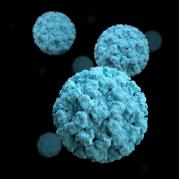
Food Borne Illness - Norovirus -CDC Photo

Image CDC

Norovirus in oysters is a significant food safety risk. A recent ISO detection method allows for reliable and repeatable estimates of norovirus concentrations in pooled samples, but there is insufficient data to estimate a distribution of copies per animal from this. The spread of norovirus accumulated across individual oysters is useful for risk assessment models. Six sets of thirty individual Crassostrea gigas oysters were tested for norovirus concentration levels by reverse-transcription quantitative PCR (RT-qPCR): three from a commercial harvest site, and three post-depuration. Five sets had norovirus GII means above the limit of quantification (LOQ), and one below the LOQ, but above the limit of detection. No norovirus GI was detected in pooled tests, and individual oysters were not tested for norovirus GI. Depuration was shown to reduce the mean concentration of GII copies, but not to affect the shape of the distribution around the mean. Deconvoluting the uncertainty of the method, the coefficient of variation was stationary (0.45 ± 0.2). The best fit distribution was either a lognormal distribution or a gamma. Multiplying these distributions by the weight of oyster digestive tissues gave an estimate for the count mean. This was used as the parameter λ in three compound Poisson distributions: Poisson-lognormal, Poisson-gamma, and Poisson-K. No model was found to fit better than the others, with advantages for each. All three could be used in future risk assessments. Preliminary validation of sampling uncertainty using repeated testing data from a previous study suggests that these results have predictive power.


Research – Fingerprinting of human noroviruses co-infections in a possible foodborne outbreak by metagenomics

Science Direct

Human noroviruses (HuNoVs) are the primary non-bacterial pathogens causing acute gastroenteritis worldwide. Here we reported a co-infection of HuNoVs with different genotypes during an outbreak of gastroenteritis in travelers. The aim was to trace the source and transmission patterns of the infections using next-generation sequencing (NGS). An investigation was conducted on a cross-border travel group who came back to China from Thailand for symptoms of gastroenteritis. Anal swabs were collected from 23 people and samples were analyzed using RT-qPCR. A total of 11 samples tested positive for HuNoVs. All samples tested negative for bacterial pathogens in the surveillance list. Positive samples for HuNoVs were further analyzed using NGS. Seven out of 11 positive samples were sequenced and 16 viral genome sequences for 10 different strains of HuNoVs were obtained. We demonstrated that the outbreak was associated with co-infection of multiple genotypes of HuNoVs and the source of infections was probably contaminated water or food. Besides, four different HuNoVs genotypes (GI.5[P12], GIX.1[GII·P15], GI.7[P7] and GII.8[P8]) were identified in one patient. Co-infection with both genogroup GI and GII, and co-infection with two different P types ([P10] and [P13]) of genotype GI.3 were identified in different patients. Findings from this study show that individuals can be simultaneously infected with multiple strains of HuNoVs and NGS can help investigating these issues. Further, this study shows that food and water are potential vehicles for transmission of multiple foodborne viruses.

Research – Commercial green tea from Portugal: Comprehensive microbiologic analyses

Science Direct

In recent times green tea (GT) consumption has increased, due to the numerous studies that indicate a wide variety of health benefits following its regular consumption. The aim of this study was to assess the bioburden (bacteria and fungi) of bulk and bags of GT marketed in Lisbon and to obtain a more refined fungal burden characterization, including azole resistance profile. The bacteriota in tea bags before boiling ranged from lower than the detection limit to 1770 CFU.g−1, whereas in brew samples ranged from lower than the detection limit to 54.55 CFU.mL−1. In bulk samples before boiling ranged from lower than the detection limit to 2636 CFU.g−1, while after boiling ranged from lower than the detection limit to 72.73 CFU.mL−1. Fungal contamination on tea bags before boiling ranged from lower than the detection limit to 66.67 CFU.g−1 and after boiling, all samples presented results lower than the detection limit. Concerning bulk samples before boiling ranged from lower than the detection limit to 96.97 CFU.g−1, whereas after boiling ranged from lower the detection limit to 30.3 CFU.mL−1. Before boiling, the most common fungal species in the bagged tea (90.91 CFU.g−1; 45.45%) and bulk samples (66.67 CFU.g−1; 91.67%) was Aspergillus section Nigri. Fungal diversity was higher on bulk samples than in tea bags. Aspergillus section Nigri and Rhizopus sp. growth was observed mostly on itraconazole-supplemented Sabouraud dextrose agar media, which require further investigation. Aspergillus sections Fumigati and Nidulantes were detected by using real time PCR, but not in the GT samples in which they were identified through culture-based methods. A significantly reduction of bacterial contamination after boiling was observed, however fungal contamination with toxigenic potential was observed before and after boiling. Future research work needs to characterize in detail the mycotoxins contamination to allow a risk-benefit assessment to estimate the human health benefits and risks following tea consumption and to support policy-actions, if and when needed. The results also suggest that the conditions how tea is packed can influence the fungal diversity and this variable should be further investigated.

Research – Inactivation of Salmonella and Listeria monocytogenes on dried fruit, pistachio nuts, cornflakes and chocolate crumb using a peracetic acid-ethanol based sanitizer or Advanced Oxidation Process

Science Direct

Two decontamination methods were evaluated for inactivating a cocktail of Salmonella or Listeria monocytogenes inoculated onto model low moisture foods (LMFs; dried strawberry, dried apple, raisins, chocolate crumb, cornflakes, shell-on or deshelled pistachio nuts). One treatment was based on a peracetic acid-ethanol (PAA-ethanol) sanitizer combination with the other being an Advanced Oxidation Process (AOP) that simultaneously applied UV-C (254 nm), ozone and hydrogen peroxide. The low moisture food was spray inoculated then dried prior to treatment. With Salmonella it was found that a pre-incubation step in 1% w/v glycerol-tryptic soy broth for 1 h prior to plating, significantly increased recovery of the pathogen compared to TSB alone. However, no increased recovery of L. monocytogenes was observed using the TSB-glycerol pre-incubation step. No Salmonella was detected on cornflakes, chocolate crumb and strawberry using 1.25 parts per thousand (‰) PAA-ethanol. The inactivation of Salmonella on deshelled pistachio was significantly higher using 2.5‰ PAA-ethanol sanitizer compared to the AOP treatments tested. Only negligible reductions of Salmonella (<1 log cfu) were obtained with shell-on pistachio treated with PAA-ethanol sanitizer or AOP. Salmonella could be reduced on dried apple slices by >4 log CFU when 5.0‰ PAA-ethanol was applied. L. monocytogenes was more sensitive to PAA-ethanol compared to Salmonella and could be eliminated on all the LMFs apart from shell-on pistachio. An AOP treatment applied 10% v/v hydrogen peroxide, ozone and 54 mJ/cm2 UV-C could significantly reduce Salmonella on dried apple slices compared to when the individual elements (hydrogen peroxide, ozone or UV-C) were applied. Salmonella was also eliminated by AOP on the other LMFs (apart from shell-on pistachio) although the same level of inactivation was achieved by spraying with 10% v/v hydrogen peroxide alone. L. monocytogenes was sensitive to hydrogen peroxide and AOP being eliminated from all the LMFs. Although this may suggest that hydrogen peroxide spray was equivalent to AOP treatment it was noted that no residual H2O2 or changes in visual appearance was evident on samples treated with the latter process. The study has demonstrated that the two decontamination methods assessed can be applied to reduce Salmonella and L. monocytogenes on LMFs although efficacy is dependent on the pathogen and product type.