Category Archives: outbreak

USA – FDA Releases Investigation Report Following Fall 2020 Outbreak of E. coli O157:H7 Illnesses Linked to Leafy Greens

FDA

As part of our ongoing efforts to combat foodborne illness, today the U.S. Food and Drug Administration published a report on the investigation into the Fall 2020 outbreak of Shiga Toxin-Producing E. coli (STEC) O157:H7 illnesses linked to the consumption of leafy greens grown in the California Central Coast. The report describes findings from the investigation, as well as trends that are key to understanding leafy green outbreaks that are linked to the California Central Coast growing region, specifically encompassing the Salinas Valley and Santa Maria growing areas every fall since 2017.

We released our preliminary findings earlier this year that noted this investigation found the outbreak strain in a sample of cattle feces collected on a roadside about a mile upslope from a produce farm. This finding drew our attention once again to the role that cattle grazing on agricultural lands near leafy greens fields could have on increasing the risk of produce contamination, where contamination could be spread by water, wind or other means. In fact, the findings of foodborne illness outbreak investigations since 2013 suggest that a likely contributing factor for contamination of leafy greens has been the proximity of cattle. Cattle have been repeatedly demonstrated to be a persistent source of pathogenic E. coli, including E. coli O157:H7.

Considering this, we recommend that all growers be aware of and consider adjacent land use practices, especially as it relates to the presence of livestock, and the interface between farmland, rangeland and other agricultural areas, and conduct appropriate risk assessments and implement risk mitigation strategies, where appropriate. Increasing awareness around adjacent land use is one of the specific goals of the Leafy Greens Action Plan we released last March, which we’re also announcing is being updated today to include new activities for 2021.

During our analysis of outbreaks that have occurred each fall since 2017, we have determined there are three key trends in the contamination of leafy greens by E. coli O157:H7 in recent years: a reoccurring strain, reoccurring region and reoccurring issues with activities on adjacent land. The 2020 E. coli O157:H7 outbreak associated with leafy greens represents the latest in a repeated series of outbreaks associated with leafy greens that originated in the Central Coast of California (encompassing Salinas Valley and Santa Maria) growing region.

In the investigation, the FDA recommends that growers of leafy greens in the California Central Coast Growing Region consider this reoccurring E. coli strain a reasonably foreseeable hazard, and specifically of concern in the South Monterey County area of the Salinas Valley. It is important to note that farms covered by the Food Safety Modernization Act (FSMA) Produce Safety Rule are required to implement science and risk-based preventive measures in the rule, which includes practices that prevent the introduction of known or reasonably foreseeable hazards into or onto produce.

The FDA also recommends that the agricultural community in the California Central Coast growing region work to identify where this reoccurring strain of pathogenic E. coli is persisting and the likely routes of leafy green contamination with STEC. Specifically, we have outlined specific recommendations in our investigation report for growers in the California Central Coast leafy greens region. Those recommendations include participation in the California Longitudinal Study and the California Agricultural Neighbors workgroup. When pathogens are identified through microbiological surveys, pre-harvest or post-harvest testing, we recommend growers implement industry-led root cause analyses to determine how the contamination likely occurred and then implement appropriate prevention and verification measures.

We issued the Leafy Green Action Plan last year to foster a more urgent and collaborative approach to preventing leafy greens outbreaks caused by STEC. We have updated our plan for 2021 to include a renewed emphasis on actions to help prevent contamination from adjacent land, to include new actions that build on the accomplishments and learnings from the 2020 plan, and to renew our commitment to actions that were difficult to accomplish in 2020 due to challenges presented by the COVID-19 pandemic.

The FDA has made significant progress on our Leafy Greens Action Plan this year by enhancing prevention strategies, improving response activities by the agency and other entities, and identifying and addressing the knowledge gaps that exist around STEC contamination of leafy greens. We launched the California Longitudinal Study, developed an efficacy protocol for the development and registration of antimicrobial treatments for pre-harvest agricultural water and took critical steps to advance traceability of leafy greens. We have also conducted several focused inspections, follow-up investigations and sampling assignments.

Although the FDA is keenly focused on taking steps to help mitigate recurring leafy green contamination events, we alone cannot fix this issue. Industry leadership and collaboration among growers, processors, retailers, state partners and the broader agricultural community is critical to reducing foodborne illnesses. At the FDA, the safety of leafy greens remains a top priority, and we are committed to working with all stakeholders to address this significant public health issue and further protect consumers.

The FDA, an agency within the U.S. Department of Health and Human Services, protects the public health by assuring the safety, effectiveness, and security of human and veterinary drugs, vaccines and other biological products for human use, and medical devices. The agency also is responsible for the safety and security of our nation’s food supply, cosmetics, dietary supplements, products that give off electronic radiation, and for regulating tobacco products.
Ireland – Public health investigating E.coli outbreak at childcare facility in Mid-West

Irish Examiner

The Department of Public Health in the Mid-West is handling an E.coli outbreak at a childcare facility and is reminding the public of the danger this bacteria can pose.

Verotoxigenic E.coli (VTec) is a powerful strain of E.coli bacterium that lives in the gut of healthy cattle and sheep and can cause serious illness in the elderly and in children aged under five.

The Mid-West public health department said the outbreak was under control but the incidence highlights the importance of hand hygiene and proper water treatment. 

VTec can be a source of food poisoning and can cause bowel inflammation leading to bloody diarrhoea and severe stomach cramps.

While some people may experience no symptoms, severe diarrhoea from VTec can last as long as nine days.

Public Health Mid-West said a hospital laboratory can confirm the presence of VTec if a person provides a stool sample to their doctor.

USA – Caldwell Idaho Subway link in Norovirus Outbreak that has sickened 25

Food Poison Journal

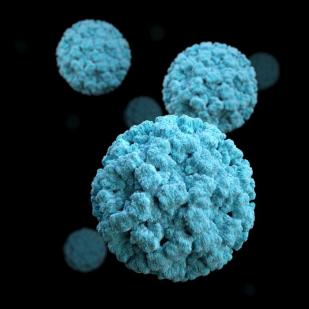
Food Borne Illness - Norovirus -CDC Photo

Nearly 25 known individuals have reported experiencing gastro-intestinal illness symptoms to Southwest District Health (SWDH) since Friday, March 19. SWDH is currently investigating each reported illness to help determine the exact source and has confirmed 1 positive case of Norovirus. So far, there is a strong link to the Subway at 319 N 10th Ave in Caldwell, individuals that are reporting symptoms visited the establishment or received food from this location March 16-19.

The Subway involved is working cooperatively with SWDH following suspected presence of Norovirus and instituted mitigation measures to halt the spread of the virus. Following the inspection by SWDH, it was determined that the facility was following all guidance and recommendations.

France – Product recall: Brittany oysters and special hollow oysters from QUIBERON brand MYTILIMER PRODUCTION – Norovirus

Oulah

Product recall: Brittany oysters from MYTILIMER PRODUCTION

ENCOUNTERED PROBLEM

The relaying area for these oysters, located in the Crac’h river (Morbihan-56) is the subject of a prefectural closure order dated March 19, 2021 for the presence of norovirus in oysters having caused Food Toxi Infection. Collective. (Order N ° 19.03.2021, prefecture of Morbihan).

PROPOSED SOLUTION

People who still hold these products are asked not to consume them and to return them to the point of sale for destruction.

Foodborne illnesses (TIAC) ​​caused by Noroviruses result in gastrointestinal disorders often accompanied by symptoms of acute gastroenteritis (sudden onset of
vomiting, nausea and / or diarrhea sometimes associated with abdominal cramps, moderate fever, chills, etc. stiffness and headache). These symptoms appear after an incubation period of between 10 and
50 hours following consumption of the products. Pregnant women should pay special attention to these symptoms, as well as immunocompromised people, young children and the elderly.

FURTHER INFORMATION

▸ Huitre Bretagne N ° 2 5KG 48P
• Barcode: 3760 116 23048 3
• Lot: 15032021 – 16032021 – 17032021 – 18032021 – 19032021
• Packaging date : 03/15/2021 – 03/16/2021 – 03/17 / 2021 – 03/18/2021 – 03/19/2021

▸ Huitre Bretagne N ° 3 6KG 72P
• Barcode: 3760 116 23049 0
• Lot: 19032021
• Packaging date : 03/19/2021

▸ Huitre Bretagne N ° 4 1.5KG 24P
• Barcode: 3760 116 23039 1
• Lot: 16032021 – 17032021 – 18032021 – 19032021
• Packaging date: 03/16/2021 – 03/17/2021 – 03/18/2021 – 03/19/2021

▸ Huitre Bretagne N ° 2 2,5KG 24P
• Barcode: 3000 046 26851 5
• Lot: 08032021 – 09032021 – 10032021 – 11032021 – 12032021
• Packaging date: 08/03/2021 – 09/03/2021 – 10 / 03/2021 – 03/11/2021 – 03/12/2021

▸ Huitre Bretagne N ° 2 2KG 18P
• Barcode: 3760 116 23039 1
• Lot: 10032021 – 11032021 – 12032021
• Packaging date : 03/10/2021 – 03/11/2021 – 03/12/2021

▸ Huitres Bretagne N ° 3 2Kg 24P
• Barcode: 3000 046 12912 0
• Lot: 17032021 – 18032021 – 19032021
• Packaging date : 03/17/2021 – 03/18/2021 – 03/19/2021

▸ Special hollow oysters from QUIBERON N ° 2 1.2KG 12P
• Barcode: 3000 045 26881 3
• Lot: 05032021 – 08032021 – 09032021 – 10032021 – 11032021 – 12032021 – 15032021 – 16032021 – 17032021 – 18032021 – 19032021
• Packaging date 03/05/2021 – 03/08/2021 – 03/09/2021 – 03/10/2021 – 03/11/2021 – 03/12/2021 – 03/15/2021 – 03/16/2021 – 17 / 03/2021 – 03/18/2021 – 03/19/2021

▸ Health
stamp FR 35-132-018 CE

▸ Consumer service contact
For any questions, you can contact MYTILIMER on 0 801 800 820 (free service and call)

▸ Source
https://www.coursesu.com/
https://www.auchan.fr/
https://www.geantcasino.fr/

Research – UK – 2018 Shigella Outbreak – Coriander

Cambridge Org

In April 2018, Public Health England was notified of cases of Shigella sonnei who had eaten food from three different catering outlets in England. The outbreaks were initially investigated as separate events, but whole-genome sequencing (WGS) showed they were caused by the same strain. The investigation included analyses of epidemiological data, the food chain and microbiological examination of food samples. WGS was used to determine the phylogenetic relatedness and antimicrobial resistance profile of the outbreak strain. Ultimately, 33 cases were linked to this outbreak; the majority had eaten food from seven outlets specialising in Indian or Middle Eastern cuisine. Five outlets were linked to two or more cases, all of which used fresh coriander although a shared supplier was not identified. An investigation at one of the venues recorded that 86% of cases reported eating dishes with coriander as an ingredient or garnish. Four cases were admitted to hospital and one had evidence of treatment failure with ciprofloxacin. Phylogenetic analysis showed that the outbreak strain was part of a wider multidrug-resistant clade associated with travel to Pakistan. Poor hygiene practices during cultivation, distribution or preparation of fresh produce are likely contributing factors.

Canada – Public Health Notice: Outbreak of Salmonella infections linked to eggs

PHAC

This notice has been updated to reflect seven additional cases that have been reported in the ongoing outbreak investigation. There are now 64 Salmonella illnesses reported across two provinces. Canadians are advised to always follow safe food-handling tips if you are buying, cleaning, chilling, cooking and storing any type of eggs or egg-based foods.

The Public Health Agency of Canada (PHAC) is collaborating with provincial public health partners, the Canadian Food Inspection Agency (CFIA) and Health Canada to investigate an outbreak of Salmonella infections involving Newfoundland and Labrador, and Nova Scotia. The outbreak appears to be ongoing, as recent illnesses continue to be reported to PHAC.

Based on the investigation findings to date, exposure to eggs has been identified as a likely source of the outbreak. Many of the individuals who became sick reported consuming, preparing, cooking and baking at home with eggs. Some individuals reported exposure to eggs at an institution (including nursing homes and hospitals) where they resided or worked before becoming ill.

Eggs can sometimes be contaminated with Salmonella bacteria on the shell and inside the egg. The bacteria are most often transmitted to people when they improperly handle, eat or cook contaminated foods.

Illnesses can be prevented if proper safe food handing and cooking practices are followed. PHAC is not advising consumers to avoid eating properly cooked eggs, but this outbreak serves as a reminder that Canadians should always handle raw eggs carefully and cook eggs and egg-based foods to an internal temperature of at least 74°C (165°F) to ensure they are safe to eat.

PHAC is issuing this public health notice to inform Canadians of the investigation findings to date and to share important safe food handling practices to help prevent further Salmonella infections.

As the outbreak investigation is ongoing, it is possible that additional sources could be identified, and food recall warnings related to this outbreak may be issued. This public health notice will be updated as the investigation evolves.

Canada -CBC – B.C. boy permanently brain damaged after eating lettuce contaminated with E. coli – STEC

CBC

E. coli outbreaks used to mainly be linked to hamburgers, but the last decade has seen recall after recall of tainted romaine lettuce coming into Canada from the United States. At least seven people have died, and hundreds have been sickened or hospitalized in both countries.

Toddler Lucas Parker was one of them.

In the fall of 2018, his parents, Nathan Parker and Karla Terry of Richmond, B.C., took Lucas and his siblings to Disneyland, their first trip outside Canada. But what they couldn’t know at the time was that a few bites of romaine salad Lucas ate one night at a small California roadside restaurant would change their lives forever.

Soon after that dinner, an outbreak of E. coli O157: H7 contamination spread across both Canada and the United States — eventually leaving 35 people hospitalized.

Like most people who get sick from this strain of E. coli, Lucas, then two years old, didn’t show symptoms right away. When he started feeling unwell, the family headed out for the long drive home. By the time he was in a Canadian hospital, the E. coli had shut down one of his kidneys and led to two brain injuries. There are no current treatments for E. coli that can help alleviate infections or prevent complications.

Lucas can no longer walk, talk or see.

RASFF Alert – Foodborne Outbreak – Norovirus – Frozen Pre-Cooked Mussels

RASFF

foodborne outbreak suspected to be caused by and norovirus (GI, GII) in frozen precooked mussels (Mytilus galloprovincialis) from Spain in Spain

USA – USDA -FSIS Outbreak Table

FSIS USDA

The table below lists outbreak investigations in which FSIS responded by posting a recall of FSIS-regulated product linked to illness, a public health alert, and/or an after-action review report. The table does not include outbreak investigations that did not result in one or more of these outcomes.

The Outcomes & References column includes links to recall notices, public health alerts, and after-action review reports, as well as CDC outbreak notices for selected multistate foodborne outbreaks, which provide additional information. For a list of all foodborne outbreaks reported to CDC since 1998, please use the CDC National Outbreak Reporting System Dashboard.

Outbreak Year Pathogen Product Outcomes & References Active
2021 Salmonella Hadar Turkey (suspect) Yes
2021 Escherichia coli O145 (E-coli) Beef, ground (suspect) No
2021 Escherichia coli O157:H7 (E-coli) Unknown

CDC Notice: View CDC Investigation Notice

No
2021 Listeria monocytogenes Unknown No
2021 Escherichia coli O157:H7 (E-coli) Beef, ground (suspect) Yes
2020 Listeria monocytogenes Italian-style deli meats (suspect)

CDC Notice: View CDC Investigation Notice

No
2019 Salmonella Schwarzengrund Turkey, ground FSIS Recall: Butterball LLC Recalls Turkey Products Due to Possible Salmonella Schwarzengrund Contamination
FSIS After-Action Review:

CDC Notice: CDC Notice: Schwarzengrund-03-2019

No
2019 Escherichia coli O157:H7 (E-coli) Beef, ground FSIS Recall: New Seasons Market Recalls Ready-To-Eat Sesame Noodle Chicken Salad Products Due to Misbranding and Undeclared Allergens
FSIS After-Action Review:

Yes
2019 Salmonella Beef, ground FSIS Recall: Central Valley Meat Co., Inc. Recalls Ground Beef Products Due to Possible Salmonella Dublin Contamination
FSIS After-Action Review:

CDC Notice: CDC Notice: Dublin-11-2019

No
2019 Escherichia coli O157:H7 (E-coli) Beef, ground FSIS Recall: K2D Foods Recalls Raw Ground Beef Products Due to Possible E. coli O103 Contamination

CDC Notice: CDC Notice: O103-04-2019

No
2018 Salmonella Typhimurium Chicken salad FSIS Recall: Triple T Specialty Meats Inc. Recalls Chicken Salad Products Due to Possible Salmonella Contamination
FSIS After-Action Review:

CDC Notice: CDC Notice: Typhimurium-02-2018

No
2018 Listeria monocytogenes Pork patty rolls FSIS Recall: 165368 C. Corporation Recalls Pork Products Due to Possible Listeria Contamination

CDC Notice: CDC Notice: Lm-11-2018

No
2018 Salmonella Reading Turkey, ground FSIS Recall: Jennie-O Turkey Store Sales, Inc. Recalls Raw Ground Turkey Products due to Possible Salmonella Reading Contamination
FSIS Recall: Jennie-O Turkey Store Sales, LLC Recalls Raw Ground Turkey Products due to Possible Salmonella Reading Contamination
FSIS After-Action Review:

CDC Notice: CDC Notice: Reading-07-2018

No
2018 Salmonella Newport Beef, ground FSIS Recall: JBS Tolleson, Inc. Recalls Raw Beef Products due to Possible Salmonella Newport Contamination
FSIS Recall: JBS Tolleson, Inc. Recalls Raw Beef Products Due to Possible Salmonella Newport Contamination

CDC Notice: CDC Notice: Newport-10-2018

No
2018 Listeria monocytogenes Ham, ready-to-eat FSIS Recall: Johnston County Hams Recalls Ready-To-Eat Ham Products Due to Possible Listeria Contamination
FSIS Recall: Ukrop’s Homestyle Foods Recalls Ready-To-Eat Meat and Poultry Products Due to Possible Listeria Contamination
FSIS After-Action Review:

CDC Notice: CDC Notice: Lm-10-2018

No
2018 Escherichia coli O157:H7 (E-coli) Beef, ground FSIS Recall: Publix Super Markets Inc. Recalls Ground Chuck Products Due To Possible E. coli O26 Contamination
FSIS Recall: Cargill Meat Solutions Recalls Ground Beef Products due to Possible E. coli O157:H7 Contamination
FSIS After-Action Review:

CDC Notice: CDC Notice: O26-09-2018

No
2018 Salmonella I 4,[5],12:i:- Chicken FSIS Recall: Empire Kosher Poultry Inc. Recalls Chicken Products Due To Possible Extraneous Material Contamination

CDC Notice: CDC Notice: Salmonella-08-2018

No
2018 Salmonella Enteritidis Chicken, raw, breaded FSIS After-Action Review:

No
2017 Escherichia coli O157:H7 (E-coli) Beef, ground FSIS Recall: Vermont Livestock Slaughter And Processing LLC, Recalls Ground Beef Due To Possible E. Coli O157:H7 Contamination No
2016 Salmonella I 4,[5],12:i:- Chicken, rotisserie FSIS After-Action Review:

No
2016 Escherichia coli O157:H7 (E-coli) Beef, ground FSIS Recall: Adams Farm Slaughterhouse Recalls Beef, Veal, And Bison Products Due To Possible E. Coli O157:H7 Adulteration

CDC Notice: CDC Notice: O157H7-09-2016

No
2016 Escherichia coli O157:H7 (E-coli) Beef, ground FSIS Recall: PT Farm, LLC Recalls Beef Products Due To Possible E. Coli O157:H7 Contamination No
2016 Escherichia coli O157:H7 (E-coli) Beef, ground FSIS Recall: Good Food Concepts, LLC D.B.A. Ranch Foods Direct Recalls Non-Intact Beef Products Due To Possible E. Coli O157:H7 Contamination No
2016 Salmonella I 4,[5],12:i:- Pork (including at pig roasts) FSIS Recall: Kapowsin Meats Inc. Recalls Pork Products Due To Possible Salmonella Contamination
FSIS After-Action Review:

No
2016 Escherichia coli O157:H7 (E-coli) Beef, ground FSIS Recall: Snapp’s Ferry Packing Company Recalls Beef Product Due To Possible E. Coli O157:H7 Contamination No
2015 Salmonella I 4,[5],12:i:- and Salmonella Infantis Pork (including at pig roasts) FSIS Recall: Kapowsin Meats Recalls Pork Product Due To Possible Salmonella Contamination
FSIS After-Action Review:

CDC Notice: CDC Notice: Salmonella-08-2015

No
2015 Salmonella Enteritidis Chicken, stuffed FSIS Recall: Aspen Foods Recalls Frozen, Raw, Stuffed & Breaded Chicken Products Due to Possible Salmonella Enteritidis Contamination
FSIS After-Action Review:

CDC Notice: CDC Notice: Enteritidis-07-2015

No
2015 Salmonella Enteritidis Chicken, stuffed FSIS Recall: Barber Foods Recalls Stuffed Chicken Products Due To Possible Salmonella Enteritidis Contamination
FSIS After-Action Review:

CDC Notice: CDC Notice: Enteritidis-07-2015

No

USA – Salmonella Hadar Outbreak May Be Linked to Turkey

Food Poisoning Bulletin

The USDA is investigating a Salmonella Hadar outbreak that may be linked to turkey, according to its outbreak investigation table. There is no information about the number of people who have been sickened, illness onset dates, the patient age range, or if anyone has been hospitalized or has died.