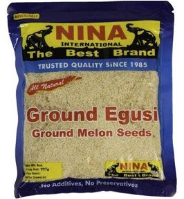
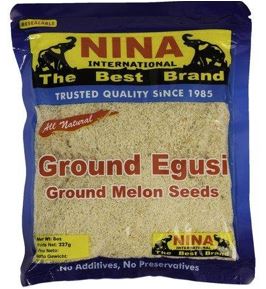
NINA International Egusi Ground – Ground Melon Seeds ground melon seeds
Letter from the company AsiaExpressFood
Sahara Pioneer Ltd. 14 Labor Street Accra Ghana
salmonella, aflatoxins
NINA International Egusi Ground – Ground Melon Seeds ground melon seeds
Letter from the company AsiaExpressFood
Sahara Pioneer Ltd. 14 Labor Street Accra Ghana
salmonella, aflatoxins
Posted in Aflatoxin, Aspergillus Toxin, food contamination, food handler, Food Hazard, Food Hygiene, Food Inspections, Food Micro Blog, Food Microbiology, Food Microbiology Blog, Food Microbiology Testing, Food Pathogen, Food Poisoning, food recall, Food Safety, Food Safety Alert, Food Safety Management, Food Safety Regulations, Food Testing, Food Toxin, Mold Toxin, Mould Toxin, Mycotoxin, Salmonella
Aflatoxin in Argentine groundnuts in the Netherlands
Aflatoxins and Salmonella group E in ground melon seeds from Ghana, via the Netherlands in Austria, Belgium, Cyprus, Czech Republic, Denmark, Finland, France, Germany, Hungary, Iceland, Italy, Luxembourg, Netherlands, Poland Romania, Sweden
Aflatoxin B1 and Total in Pistachio nuts from Turkey in Germany, Italy, Netherlands, Poland and Romania
Aflatoxin in Brazilian groundnuts in the Netherlands, Poland and Ukraine
Aflatoxins in dried figs from Turkey in Sweden
Aflatoxins beyond the maximum permitted limits in Pistachios in shell from Iran in Italy
Posted in Aflatoxin, Aspergillus Toxin, food contamination, food handler, Food Hazard, Food Hygiene, Food Inspections, Food Micro Blog, Food Microbiology, Food Microbiology Blog, Food Microbiology Testing, Food Poisoning, food recall, Food Safety, Food Safety Alert, Food Safety Management, Food Testing, Food Toxin, Mold Toxin, Mould Toxin, Mycotoxin, RASFF
Ochratoxin A in nutmeg from Indonesia in the Netherlands
Ochratoxin A in shelled sunflower seeds from China, packaged in Denmark in Poland
Ochratoxin A in Turkish chopped dried figs in the Netherlands
Ochratoxin A in dried figs from Turkey in Germany
Posted in Aspergillus Toxin, food contamination, food handler, Food Hazard, Food Hazrd, Food Hygiene, Food Inspections, Food Micro Blog, Food Microbiology, Food Microbiology Blog, Food Microbiology Testing, Food Poisoning, food recall, Food Safety, Food Safety Alert, Food Safety Management, Food Safety Regulations, Food Testing, Food Toxin, Mold Toxin, Mould Toxin, Mycotoxin, Ochratoxin, Ochratoxin A
If you’re feeding maize, you likely have a mycotoxin problem on your farm, delegates at a recent ruminant nutrition were told.
Breaking down the results of this year’s mycotoxin survey, Laura Quinn, Ruminant Technical Species Expert at DSM, said: “When plants get stressed – whether that be drought, weather-related or disease – they can be vulnerable to being attacked by fungi, and mycotoxins are toxic secondary metabolites which are released by the fungi.
Biomin and DSM have run the survey since 2004.
The firm analyses over 20,000 samples a year and offers localised predictions for mycotoxins based on weather patterns.
“Mycotoxins are anti-protozoal, anti-bacterial and anti-fungal, which is great for disinfectant, but considering in the rumen we are trying to use these to break down feed materials to produce milk, we don’t want them having that effect in the cow.”
In dairy animals, mycotoxins have been linked with reduced feed intake, lower milk yields, liver inflammation, lower vaccine efficacy, and lower fatty acid production, among other production and health issues.
There are currently more than 1,000 mycotoxins identified, with more being discovered by scientists all the time.
Posted in Aflatoxin, Aflatoxin B1, Alternaria Toxin, Animal Feed Mould Toxin, Aspergillus Toxin, Food Micro Blog, Food Microbiology, Food Microbiology Blog, Food Microbiology Research, Food Microbiology Testing, Fusarium Toxin, microbial contamination, Microbial growth, Microbiological Risk Assessment, Microbiology, Microbiology Investigations, Microbiology Risk, Mold Toxin, Mould Toxin, Mycotoxin, Ochratoxin, Ochratoxin A
Simply Sunny, dried figs, 400g
Eurogroup Deutschland GmbH
Eurogroup Deutschland GmbH Katzbergstraße 3 D – 40764 Langenfeld, Germany Distribution through branches of Penny Markt GmbH
Presence of ochratoxin A (“storage mold”)
See attached consumer information
Click to access 5493_Marktaushang_Simply_Sunny_-_Feigen_getrocknet.pdf
Posted in food contamination, food handler, Food Hazard, Food Hygiene, Food Inspections, Food Micro Blog, Food Microbiology, Food Microbiology Blog, Food Microbiology Testing, Food Poisoning, food recall, Food Safety, Food Safety Alert, Food Safety Management, Food Safety Regulations, Food Testing, Food Toxin, Mold Toxin, Mould Toxin, Mycotoxin, Ochratoxin, Ochratoxin A

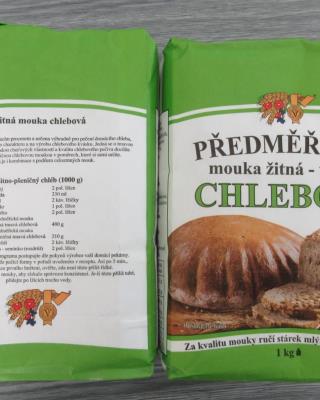
The maximum permitted limit for the content of contaminating substances – ergot alkaloids was exceeded in the flour.
Ergot alkaloids are produced by the fungus Claviceps purpurea and cause poisoning (ergotism).
| Batch: | 061022 |
| Best before date: | 07/06/2023 |
| Packaging: | PAP bag with print |
| Quantity of the product in the package: | 1 kg |
| Producer: | Mlýny J.Voženílek, spol.s ro, Průmyslova 107, Předměřice nad Labem 50302 |
| Country of origin: | Czechia |
| Date of sample collection: | 8/11/2022 |
| Reference number: | 23-000045-SZPI-CZ |
Posted in Ergot, Ergot Alkaloids, food contamination, food handler, Food Hazard, Food Hygiene, Food Inspections, Food Micro Blog, Food Microbiology, Food Microbiology Blog, Food Microbiology Testing, Food Poisoning, food recall, Food Safety, Food Safety Alert, Food Safety Management, Food Safety Regulations, Food Testing, Food Toxin, Mold Toxin, Mould Toxin, Mycotoxin
Posted in Climate change, Food Micro Blog, Food Microbiology, Food Microbiology Blog, Food Microbiology Research, Food Microbiology Testing, Food Toxin, microbial contamination, Microbial growth, Microbiological Risk Assessment, Microbiology, Microbiology Investigations, Microbiology Risk, Mold Toxin, Mould Toxin, Mycotoxin, Ochratoxin, Ochratoxin A
Recall of pistachios by the farmer Bas “Boer Bas” in Bruges
Product: Pistachios.
Problem: Too high aflatoxin content.
In consultation with the FASFC, pistachios in bulk (in jars) are withdrawn from sale and recalled to consumers because of too high aflatoxin content.
The Bas farmer “Boer Bas” asks his customers not to consume this product and to bring it back to the point of sale. We will of course reimburse you for it and have it destroyed.
Product description
– Product name: Pistachio
– Information on the label and batch number: Stat No 0802520000 Poste IR – Batch N°12
– Best before dates (DDM): 08/30/2023 and 08/31/2023
– Sales period : from 05/09/2022 to 01/12/2022
– Nature of packaging: glass jar (reconditioned) with a label on the lid
– Weight: 200gr-500gr (variable according to the size of the jar)

The product was distributed by:
Farmer “Boer Bas” Sint-Pietersnoordstraat 3 8000 BRUGES
For more information please contact:
Jens Mouton, Torhoutbahn 125, 8480 Ichtegem
phone 0472 82 65 98 or info@boerbas.be
Posted in Aflatoxin, Aspergillus Toxin, food contamination, food handler, Food Hazard, Food Hygiene, Food Inspections, Food Micro Blog, Food Microbiology, Food Microbiology Blog, Food Microbiology Testing, Food Pathogen, food recall, Food Safety, Food Safety Alert, Food Safety Regulations, Food Temperature Abuse, Food Testing, Food Toxin, Mold Toxin, Mould Toxin, Mycotoxin, Toxin
An audit carried out between the months of May and June 2022 by the General Directorate of Health and Food Safety (DG SANTE) of the European Commission on the official controls that Turkey applies in relation to mycotoxins in dried figs and pistachios concludes that they are not effective. This conclusion fully coincides with the alerts and rejections at the border level that are notified through the Rapid Alert Network for Feed and Food (RASFF), where figs and pistachios from Turkey are prominent players due to the presence of aflatoxins.
It should be noted that the EU establishes that each shipment of dried figs and pistachios coming from Turkey or through Turkey must have a health certificate issued by the authorities, as well as the results of official sampling that demonstrate compliance with the requirements on maximum levels. of aflatoxins. It should be remembered that no level has been established for Ochratoxin A in dried figs. Figs from Turkey are subject to a 20% analysis frequency by EU countries, while it is 50% for pistachios.
There is a decreasing trend of rejection decisions based on Turkish pre-export tests. This fact contrasts with the results obtained in the controls carried out by the EU countries. In short, the ability of the Turkish control system to ensure that all shipments of exported dried figs and pistachios have been produced in accordance with EU regulations is called into question.
The auditors found that official controls are not designed to verify and control whether farmers implement mycotoxin control measures. Reports on official controls, including the effectiveness of HACCP schemes and controls carried out by processors, are also poor.
Exceedance of limit values for aflatoxins and ochratoxin A in dried organic figs from Turkey in Turkey, Malta, Slovenia, Romania, Italy, Hungary, Germany, Austria, Czech Republic, Croatia
Aflatoxin B1 and Total in Pistachio nuts from Turkey in Romania and the Netherlands
Aflatoxin in Brazilian groundnuts in Netherlands, Poland and Ukraine
Aflatoxins beyond the maximum permitted limits in Pistachios in shell from Iran in Italy
Aflatoxins in dried figs from Turkey in Sweden
Aflatoxins in soy chunks from India, via the Netherlands in Germany
Aflatoxins in cracked nutmegs from Indonesia in Germany
Aflatoxins in shelled pistachios from the USA, via Turkey in Italy and Romania
Posted in Aflatoxin, Aflatoxin B1, Aspergillus Toxin, food contamination, food handler, Food Hazard, Food Hygiene, Food Inspections, Food Micro Blog, Food Microbiology, Food Microbiology Blog, Food Microbiology Testing, Food Poisoning, food recall, Food Safety, Food Safety Alert, Food Safety Management, Food Safety Regulations, Food Testing, Food Toxin, Mold Toxin, Mould Toxin, Mycotoxin, RASFF