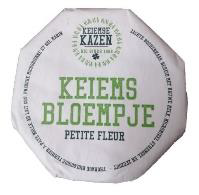
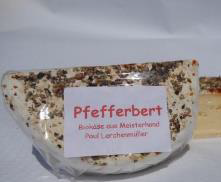
Listeria
Reference is made to the attached press release from the food company.
Baden-Württemberg:poststelle@mlr.bwl.de
| Press releases and information | |
|---|---|
| title | Attachment or web link |
|
Press release
|
|
Listeria
Reference is made to the attached press release from the food company.
Baden-Württemberg:poststelle@mlr.bwl.de
| Press releases and information | |
|---|---|
| title | Attachment or web link |
|
Press release
|
|
Posted in food contamination, Food Hazard, Food Hygiene, Food Inspections, Food Micro Blog, Food Microbiology, Food Microbiology Blog, Food Microbiology Testing, Food Pathogen, food recall, Food Safety, Food Safety Alert, Food Testing, Listeria, Listeria monocytogenes, microbial contamination, Microbiology

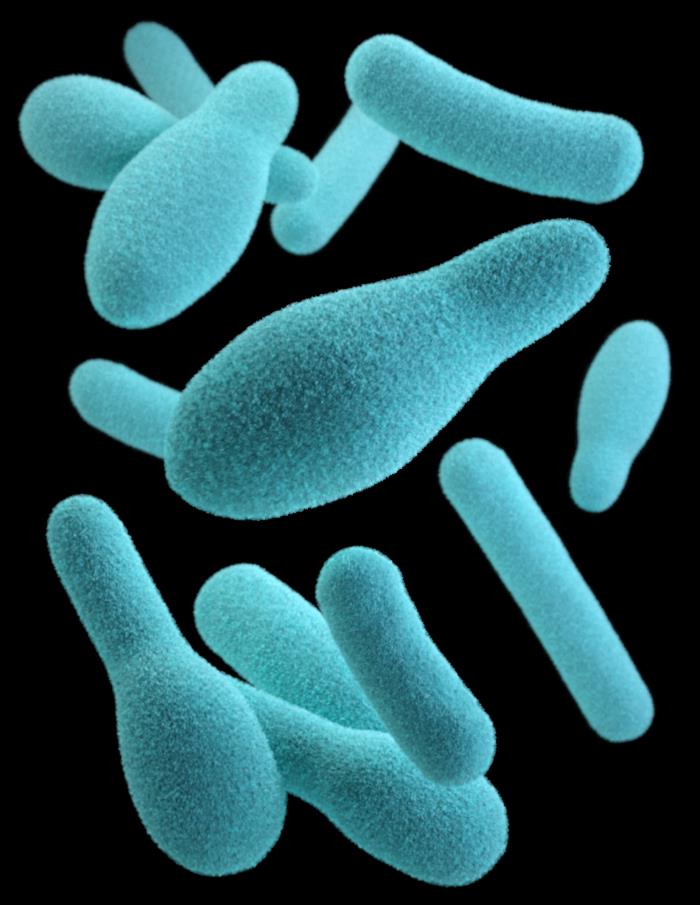
Image CDC
The New Jersey Department of Health (NJDOH) is investigating a cluster of Legionnaires’ disease cases in Union County. The Department is aware of 14 confirmed cases of Legionnaires’ disease, including one death, among individuals who live in or spend time in the county.
The cases were reported to the Department between February 3 and February 26, 2021. The Department is working with the local health departments in Union County to investigate this cluster. The individual who died was a male resident of Union County in his late 60s.
“This is a continuing investigation. The risk to anyone who lives in Union County is very small,” said New Jersey Health Commissioner Judith Persichilli. “Out of an abundance of caution, the Department recommends that individuals who live in Union County who become ill with pneumonia-like/respiratory symptoms, such as fever, chills, cough, shortness of breath, muscle aches, and headache visit their healthcare provider.”
Fruits and vegetables are high in nutrients that are essential for a healthy lifestyle. However, they also harbor an extensive array of microorganisms such as bacteria, which can be beneficial, neutral, or pathogenic. Foodborne pathogens can contaminate produce at any stage from the farm to the consumer’s table. Appropriate washing techniques using sanitizers can reduce the risk of pathogen contamination. Issues related to maintaining concentration, efficacy, and other problems have been a challenge for the food industry and, when left unresolved, have led to different outbreaks of foodborne illnesses. In this study, the efficacy of a lytic bacteriophage cocktail was examined for its ability to infect and reduce the contamination of Escherichia coli O157:H7 (E. coli O157:H7), in media with a high organic load, using a microplate technique. The study was conducted for 3 h to determine if the bacteriophage cocktail could reduce the pathogen in the presence of a high organic load. A significant (p < 0.05) reduction in the population of E. coli O157:H7 was observed, representing a 99.99% pathogen reduction at the end of 3 h. Fresh spinach leaves were washed in sterile potable or organic water (~9000 ppm organic load) containing E. coli O157:H7 and a bacteriophage cocktail to study the effectiveness of bacteriophages against the foodborne pathogen. Results indicated that the bacteriophage significantly (p < 0.05) reduced the contamination of E. coli O157:H7 in both situations. The study also demonstrated the bacteriophages’ ability to infect and reduce the pathogen in an organic-rich environment. This characteristic differs from commercially available sanitizers that have demonstrated a tendency to bind with the available organic load. Thus, these studies highlight the advantage of employing bacteriophages during produce wash to eliminate foodborne pathogen contamination on fruits and vegetables. View Full-Text

Legionella is able to remain in water as free-living planktonic bacteria or to grow within biofilms that adhere to the pipes. It is also able to enter amoebas or to switch into a viable but not culturable (VBNC) state, which contributes to its resistance to harsh conditions and hinders its detection in water. Factors regulating Legionella growth, such as environmental conditions, type and concentration of available organic and inorganic nutrients, presence of protozoa, spatial location of microorganisms, metal plumbing components, and associated corrosion products are important for Legionella survival and growth. Finally, water treatment and distribution conditions may affect each of these factors. A deeper comprehension of Legionella interactions in water distribution systems with the environmental conditions is needed for better control of the colonization. To this purpose, the implementation of water management plans is the main prevention measure against Legionella. A water management program requires coordination among building managers, health care providers, and Public Health professionals. The review reports a comprehensive view of the state of the art and the promising perspectives of both monitoring and disinfection methods against Legionella in water, focusing on the main current challenges concerning the Public Health sector.
In the vegetable processing industry, the application of chlorine dioxide (ClO2) as a disinfectant solved in washing water to eliminate undesirable microorganisms harmful to consumers’ health and the shelf life of produce has been discussed for years. The disinfection efficacy depends on various factors, e.g., the location of microorganisms and the organic load of the washing water. The present study analyzed the sanitation efficacy of various concentrations of water-solved ClO2 (cClO2: 20 and 30 mg L−1) on Escherichia coli (1.1 × 10⁴ cfu mL−1), Salmonella enterica (2.0 × 10⁴ cfu mL−1) and Listeria monocytogenes (1.7 × 10⁵ cfu mL−1) loads, located on the leaf surface of iceberg lettuce assigned for fresh-cut salads. In addition, it examined the potential of ClO2 to prevent the cross-contamination of these microbes in lettuce washing water containing a chemical oxygen demand (COD) content of 350 mg L−1 after practice-relevant washing times of 1 and 2 min. On iceberg leaves, washing with 30 mg L−1 ClO2 pronouncedly (1 log) reduced loads of E. coli and S. enterica, while it only insignificantly (<0.5 × log) diminished the loads of L. monocytogenes, irrespective of the ClO2 concentration used. Although the sanitation efficacy of ClO2 washing was only limited, the addition of ClO2 to the washing water avoided cross-contamination even at high organic loads. Thus, the application of ClO2 to the lettuce washing water can improve product quality and consumer safety. View Full-Text
The FSA is repeating advice to consumers following an updated recall linked to salmonella contamination.
SFC has issued an updated recall of chicken products because Salmonella Enteritidis (a food poisoning bug) has been found in some of these foods.
This update includes the original products identified in previous recalls as well as additional products.
Dr Colin Sullivan, Chief Operating Officer, FSA said:
‘The products are linked to two ongoing outbreaks of Salmonella Enteritidis (a food poisoning bug) in chicken from Poland.
‘The producer put additional controls in place to improve the safety of their products in November 2020. SFC has decided to withdraw and recall all of its chicken products produced before this date.
‘The FSA will be making additional checks to ensure the effectiveness of this withdrawal and recall.’
The full list of products is available in the food alert.
We are continuing to work with Food Standards Scotland (FSS), Public Health England (PHE), Public Health Scotland, Public Health Wales and the Public Health Agency in Northern Ireland as part of the ongoing investigation into two particular strains of Salmonella linked to frozen raw breaded chicken products from Poland.
We previously issued precautionary consumer advice in October 2020 and February 2021. Additional controls have been put in place by food businesses at production level. These changes to the production process are proving to be effective and we hope to see a further reduction in cases in the coming months as these products are removed from the food chain. While we continue these efforts, it is important that people carefully follow food hygiene advice.
Investigations are ongoing into identifying the source of the outbreaks at farm level in Poland. Should more products be identified actions to remove unsafe food will be taken.
Saheer Gharbia, Head of the Gastrointestinal Pathogens Unit of PHE’s National Infection Service, said:
‘While we appear to be past the peak of this outbreak, and case reporting rate has decreased in recent months, we are still detecting some cases through whole genome sequencing, so it is important that people carefully follow food hygiene advice. We continue to work closely with the Food Standards Agency to resolve the outbreak.
‘Salmonella generally causes a mild illness, although vulnerable groups like children under five years, the elderly, and those with weakened immune systems may experience more severe illness and may require hospitalisation. Symptoms of a Salmonella infection include diarrhoea, stomach cramps and sometimes vomiting and fever. Anyone who is concerned about symptoms should contact their GP or out of hours service in the first instance.’
If consumers have bought any of the products in the updated recall, they can return them to the store where they were bought for a full refund.
We are encouraging consumers to always cook food at the right temperature and for the correct length of time to ensure any harmful bacteria are killed. Before serving these products, make sure they are steaming hot and cooked all the way through. When you cut into the thickest part of the meat, check that none of the meat is pink and that any juices run clear.
Anyone who is concerned about symptoms should contact their GP or out of hours service in the first instance.
Only the products listed in the recall notice are affected. There is no need to change your shopping habits for chicken products.
Posted in food bourne outbreak, food contamination, food death, Food Hazard, Food Hygiene, Food Illness, Food Inspections, Food Micro Blog, Food Microbiology, Food Microbiology Blog, Food Microbiology Research, Food Microbiology Testing, Food Pathogen, Food Poisoning Death, food recall, Food Safety, Food Safety Alert, Food Testing, foodborne outbreak, foodbourne outbreak, fsa, microbial contamination, Microbiology, outbreak, Salmonella, Salmonella in Chicken
nhibition of Salmonella by Lactobacillus has been a popular research topic for decades; however, the inhibition potential of chicken-derived Salmonella by chicken-derived Lactobacillus has not yet been studied. In this study, 89 strains of Lactobacillus from chicken intestines were isolated by national standard method, Gram staining, physiological, and biochemical experiments and molecular sequencing; The inhibition characteristics of 89 strains of chicken derived Lactobacillus against 10 strains Salmonella (S. Enteritidis SE05, SC31, SC21, SC72 SC74, SC79, SC83, SC87; S. bongori SE47; S. Typhimurium, SC85) were detected by agar inhibition zone, The results showed that the inhibition zone of 24 strains of chicken derived Lactobacillus was more than 10 mm, which indicated that the isolated chicken derived Lactobacillus could effectively inhibit the growth of Salmonella; The drug resistance and bile salt tolerance of these 24 strains were analyzed, The results showed that the standard strains LG and L76 were not resistant, and the other 22 Lactobacillus strains showed different degrees of resistance. The strains LAB24, LAB26, LAB53, LAB69, and L76 showed good tolerance at the concentration of 3 g/L bile salt; Caco-2 cell experiment and flow cytometry were used to analyze the inhibitory effect of chicken derived Lactobacillus on the adhesion of Salmonella to Caco-2 cells, The results showed that 16 probiotics could effectively inhibit the adhesion of Salmonella to Caco-2 cells. Twelve probiotics were identified by molecular biology. The results showed that L76 was Enterococcus faecalis, and the other 11 strains were Lactobacillus. View Full-Text

An outbreak of disease with suspected botulism has occurred among the participants in a private company in the region of Southern Denmark. The Danish Veterinary and Food Administration, Fødevareinstituttet DTU and Statens Serum Institut are working to identify the source of the infection, which is presumed to be limited to a single company.
Following a private party held on Friday, March 5, 2021, three adults have been hospitalized on suspicion of having botulism.
They are being treated with botulism antitoxin and are improving. The Statens Serum Institut (SSI) is now examining samples from the patients to find out if there was actually botulism.
SSI is also in the process of analyzing the ingredients and leftovers of the food that has been eaten by that company. No other patients with botulism are known outside the company that has been affected.
Posted in Bacterial Toxin, botulism, Clostridium, Clostridium botulinum, food contamination, Food Hazard, Food Hygiene, Food Illness, Food Inspections, Food Micro Blog, Food Microbiology, Food Microbiology Blog, Food Microbiology Testing, Food Pathogen, Food Poisoning, food recall, Food Safety, Food Safety Alert, Food Testing, Food Toxin, microbial contamination, Microbiology, Toxin

Salmonella enterica ser. Hadar (present /25g) and Salmonella enterica ser. Kottbus (present /25g) in frozen duck fillets from Hungary, via Belgium in Italy
Salmonella (presence /25g) in frozen turkey roll from Belgium in Belgium
Salmonella enterica ser. Derby (presence /25g) in frozen pork from Poland in Finland
Salmonella (presence /25g) in fuet sausage from Spain in Germany
Salmonella enterica ser. Gaminara (presence /25g), Salmonella enterica ser. Matadi (presence /25g) and Salmonella enterica ser. Poona (presence /25g) in black pepper from Brazil in Germany
Salmonella (II 42:r:- present /25g) and Salmonella enterica ser. Rubislaw (present /25g) in black pepper from Brazil in Germany
Salmonella enterica ser. Coeln (present /25g), Salmonella enterica ser. Minnesota (present /25g) and Salmonella enterica ser. Poona (present /25g) in black pepper from Brazil in Germany
Salmonella enterica ser. Enteritidis (in 5 out of 5 samples /25g) and Campylobacter (up to 8600 CFU/g) in chilled chicken carcasses from Poland in Poland
Salmonella group C (presence /25g) in frozen spit-roasted meat from Poland in Poland
Salmonella (presence /25g) in chilled chicken meat from Poland in Lithuania
Salmonella enterica ser. Enteritidis (in 1 out of 5 samples /25g) in chilled duck fillets with skin from Poland in Lithuania
Posted in food contamination, Food Hazard, Food Hygiene, Food Micro Blog, Food Microbiology, Food Microbiology Blog, Food Microbiology Testing, Food Pathogen, food recall, Food Safety, Food Safety Alert, Food Testing, microbial contamination, Microbiology, RASFF, Salmonella, Salmonella in Black Pepper, Salmonella in Chicken, Salmonella Poland

foodborne outbreak caused by and Salmonella enterica ser. Enteritidis (presence /25g) in chilled bovine carcases from Germany in Norway
Posted in food bourne outbreak, food contamination, Food Hazard, Food Hygiene, Food Illness, Food Inspections, Food Micro Blog, Food Microbiology, Food Microbiology Blog, Food Microbiology Testing, Food Pathogen, food recall, Food Safety, Food Safety Alert, Food Testing, foodborne outbreak, foodbourne outbreak, microbial contamination, Microbiology, outbreak, RASFF, Salmonella
Tagged salmonella