Category Archives: Microbiology

USA – Salmonella outbreak linked to Chili’s South Indian Cuisine in Seattle

Food Poison Journal

Food Poisoning Salmonella

Summary

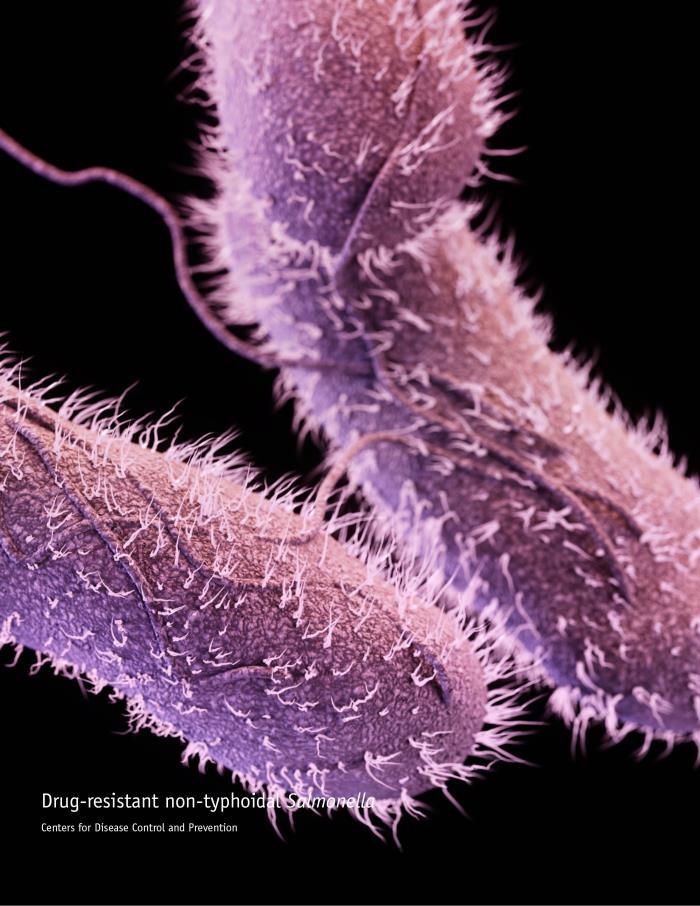
Public Health is investigating an outbreak of salmonellosis (caused by Salmonella bacteria) associated with Chili’s South Indian Cuisine in Seattle. The investigation is ongoing. At this time, we have not identified how Salmonella was spread within the restaurant. This is not uncommon because Salmonella can spread through contaminated food items, environmental surfaces, and from person to person.

Illnesses

Since October 6, 2022, three people from two separate meal parties reported becoming ill after consuming food from Chili’s South Indian Cuisine in Seattle on September 17, 2022 and September 23, 2022. All the people developed one or more symptoms consistent with salmonellosis, including diarrhea, abdominal cramping, nausea, and vomiting. We have not identified any ill employees.

Public Health actions

Public Health conducted interviews with the people ill with salmonellosis to identify potential common exposures and found that they all became ill after eating food from Chili’s South Indian Cuisine.

Environmental Health Investigators visited the restaurant on October 19, 2022. Investigators identified sanitizing issues, potential cross contamination, inadequate hand washing, and lack of proper access to handwashing stations. Corrective actions were taken during the inspection. Environmental Health Investigators will revisit the facility within 2 weeks to ensure proper compliance with food handling practices.

No ill employees were identified at the time of inspection. Investigators reviewed with restaurant management the requirement that ill staff are not allowed to work until they are symptom-free. Investigators provided education about preventing the spread of Salmonella – including preventing cross contamination, proper cooling methods, sanitizing procedures and handwashing.

Laboratory testing

Two of the cases have confirmatory testing indicating infections with Salmonella via culture. Both cases have the same strain of Salmonella, based on genetic fingerprinting (whole genome sequencing or WGS) at the Washington State Public Health Laboratory. The third case did not have confirmatory testing but had symptoms consistent with Salmonellosis and is epidemiologically linked.

Research – Bacteriophage cocktail shows promise against Vibrio outbreaks in shrimp farms

The Fish Site

Food Illness

Researchers from the Biological Research Center of the Northwest, the Autonomous University of Nuevo León, the Food and Development Research Center AC and the University of Girona evaluated the protective effects of a cocktail of bacteriophages in L. vannamei post larvae against Vibrio bacteria. The scientists found that treating the PLs with bacteriophages kept Vibrio infections at bay and reduced their concentrations in culture water – without harming the surrounding bacterial communities.

Vibrio populations and bacteriophages

Vibrio bacteria are widely disseminated in ocean environments and several Vibrio species are responsible for disease outbreaks in marine animals – especially penaeid shrimp, different fish species and molluscs. Some strains of V. harveyi and V. campbellii have been implicated in disease outbreaks in shrimp hatcheries and grow-out facilities around the world. They’ve also been associated with coral infections.

“We used culture-dependent and culture-independent approaches to explore their effects on bacterial communities associated with shrimp post larvae,” the researchers said. According to the results of the study, administering the phage cocktail drastically reduced Vibrio counts in both in vitro and in vivo environments.

Research – Antifungal action of quaternary ammonium compounds against environmental molds isolated from food industries

Wiley Online

CDC Mould

Abstract

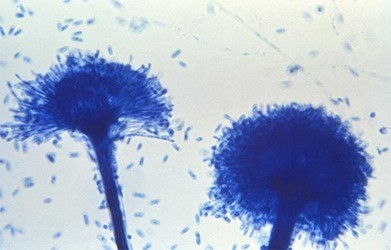
Molds are ubiquitously found microorganisms that are usually present as contaminants in food industrial environments. It has been shown that Cladosporium and Aspergillus genera are two of the most abundant and widely distributed in these locations because they are highly resistant species to sanitizing treatments. Hence, the search of antimicrobial compounds that are effective to these types of fungal contamination becomes relevant. The aim of this report was to evaluate the antifungal capacity of two commercial preparations made both with benzalkonium chloride (a first generation QAC) alone and with the addition of glutaraldehyde at different concentrations and contact times. A suspension-neutralization test was performed employing spores of five strains of both Aspergillus section Nigri and Cladosporium cladosporioides, all isolated from food industries environments. Results have shown that benzalkonium chloride preparation was successful in destroying Cladosporium spores at 5% (v/v) concentration (average 4D value of 9.1 min) but failed in neutralizing Aspergillus propagules at the same conditions. On the other hand, the commercial mixture made of benzalkonium chloride and glutaraldehyde was effective in the inactivation of all food spoilage fungi spores at 1% (v/v) concentration (average 4D value of 1.8 and 8.8 min for Cladosporium and Aspergillus strains, respectively).

Research – Lactic Acid Bacteria and Bacteriocins: Novel Biotechnological Approach for Biopreservation of Meat and Meat Products

MDPI

Meat and meat products are perishable in nature, and easily susceptible to microbial contamination and chemical deterioration. This not only results in an increased risk to health of consumers, but also causes economic loss to the meat industry. Some microorganisms of the lactic acid bacteria (LAB) group and their ribosomal-synthesized antimicrobial peptides—especially bacteriocins—can be used as a natural preservative, and an alternative to chemical preservatives in meat industry. Purified or partially purified bacteriocins can be used as a food additive or incorporated in active packaging, while bacteriocin-producing cells could be added as starter or protective cultures for fermented meats. Large-scale applications of bacteriocins are limited, however, mainly due to the narrow antimicrobial spectrum and varying stability in different food matrixes. To overcome these limitations, bioengineering and biotechnological techniques are being employed to combine two or more classes of bacteriocins and develop novel bacteriocins with high efficacy. These approaches, in combination with hurdle concepts (active packaging), provide adequate safety by reducing the pathogenicity of spoilage microorganisms, improving sensory characteristics (e.g., desirable flavor, texture, aroma) and enhancing the shelf life of meat-based products. In this review, the biosynthesis of different classes of LAB bacteriocins, their mechanism of action and their role in the preservation of meats and meat products are reviewed.

Mycotoxins – New EU maximum limits for Ochratoxin A in certain foodstuffs

Affidia Journal

On August 8th was published the Commission Regulation (EU) 2022/1370 of 5 August 2022 amending Regulation (EC) No 1881/2006 as regards maximum levels of Ochratoxin A in certain foodstuffs.

Ochratoxin A (OTA) is a naturally occurring foodborne mycotoxin produced by various fungi of the genus Aspergillus and Penicillium, and it can be found in a wide variety of agricultural commodities, such as grains, seeds and beans, dried fruits, spices, and roots.

OTA is formed during sun drying and storage of crops, and, due to its stability under moderate heating, it can persist along the food production chain. However, losses ranging up to 90% have been observed at temperatures above 180°C.

Several toxic effects associated with OTA have been reported over the years.

The International Agency for Research on Cancer has included OTA in its Group 2 carcinogens, due to its kidney carcinogenicity, even if the mechanisms of genotoxicity are still unclear.

In 2006 the European Food Safety Authority performed a first risk assessment for OTA. In agreement with this assessment, the European Commission established in Regulation (EC) 1881/2006 maximum admissible levels of OTA for human consumption in many foodstuffs, such as cereals, coffee, grapes, grapefruit, dried vine fruits, wine, spices, and liquorice.

In recent years, further findings of high levels of Ochratoxin A were observed in food products for which no maximum levels were set at EU level, this raised questions regarding the necessity of setting new maximum levels for OTA in these foods.

In May 2020, EFSA published a revision of the OTA risk assessment, taking into account the new scientific evidence.

Based on this new risk assessment, the EU Commission established the Regulation (EU) 2022/1370, which revised the maximum levels for OTA present in Regulation (EC) 1881/2006 as follows:
• setting a maximum level for foods not yet included that contribute to human exposure to OTA;
• setting a level for non-alcoholic malt beverages and date syrup, pending the determination of a link with the OTA content of malt and dates;
• reducing the levels already set in certain foods (e.g. bakery products, dried vine fruit, roasted coffee and soluble coffee);
• the existing provisions for ochratoxin A in certain spices has been broadened to all spices.
For cheese and ham, it has been established that additional monitoring on the presence of ochratoxin A is appropriate before the setting of maximum levels.

The new Regulation will enter into force on the 28th of August 2022 and it shall apply from 1 January 2023.

Research – Salmonella Typhimurium outbreak associated with frozen tomato cubes at a restaurant in western Finland, January to February 2021

Eurosurveillance

On 2 February 2021, a local environmental health authority in western Finland notified the National Registry for Food and Waterborne Outbreaks about six cases of  infection suspected to be related to a local lunch restaurant in a region where there had been between one and three salmonellosis cases per month. More cases were soon discovered that were linked to food eaten at the same restaurant on the days 27–29 January 2021, and the Finnish Institute for Health and Welfare (THL) was informed of 44 outbreak-related cases. The estimated number of potentially exposed persons was 400. THL and the Finnish Food Authority joined the local outbreak investigation team to support and coordinate the epidemiological and microbiological investigations.

We report here a food-borne outbreak caused by a non-monophasic multidrug-resistant  Typhimurium strain that was not detected in Finland before.

Research – Impregnation of the French population by mycotoxins. National Biomonitoring Program, Esteban 2014-2016

Sante Publique

Mycotoxins are substances secreted by certain toxigenic strains of several species of molds (microscopic fungi) such as Aspergillus, Penicillium, Fusarium, Byssochlamys, Alternaria etc. which in particular contaminate cereals and plants before and or after harvest. 

The toxicity of mycotoxins depends on the species and the nature of the toxin. They are generally thermostable, resistant to transformation processes and can be found in many foodstuffs and be responsible for acute or chronic poisoning in humans or animals. 

Of the 300 to 400 known mycotoxins, about ten of them can cause animal or human pathologies: aflatoxins (AF), ochratoxin A (OTA), fumonisins deoxynivalenol (DON), T-2 and HT-2 toxins, trichotecenes (TC), zearalenone (ZEN) and patulins which contaminate fruits, especially apples. In 1993, the IARC (International Agency for Research on Cancer) classified aflatoxins in group 1, carcinogenic to humans; AFB1, considered one of the most potent natural genotoxic carcinogens, is classified in group 1 (IARC, 2002). 

The target organ is the liver. As for OTA, it is considered possibly carcinogenic for humans and classified in group 2B (1993); in humans as in animals, the kidney is the main target organ. OTA would also have immunotoxic and neurotoxic effects. Due to their harmful effects, exposure to mycotoxins must remain as low as possible to protect the population. L’ WHO encourages the monitoring of mycotoxin levels in food because they represent a risk for human and animal health. 

In France, data on the impregnation of the French population by mycotoxins are almost non-existent, with the exception of a study carried out in three French regions [1, 2]. The Esteban cross-sectional study (Health study on the environment, biomonitoring, physical activity and nutrition) made it possible to measure the levels of impregnation by aflatoxins and OTA of the population in mainland France aged 6 at 74 years old between April 2014 and March 2016.

The purpose of this note is to present the results of impregnation by AFs and OTA, and to analyze the determinants of exposure to OTA in adults . Aflatoxins B1, B2, G1, G2, M1 were not quantified, neither in children nor in adults. For OTA, the percentage of quantification was equal to 45.5% in children and 47.8% in adults. The geometric means of the levels of impregnation by the OTA were lower than the LOQ or not provided considering the important rate of censorship. 

The search for the determinants of exposure by OTA, essentially dietary, in adults showed an increase in impregnation with the consumption of processed meats. Not all associations could likely be identified due to small sample size. A future biomonitoring study could make it possible to deepen the search for determinants of the impregnations observed and to broaden the knowledge of the

Author: Oleko Amivi, Hoang Phan, Fillol Clémence, Gane Jessica, Saoudi Abdessattar, Zeghnoun Abdelkrim
Year of publication: 2022
Pages: 35 p.
Collection: Studies and Surveys

Canada – Shigella outbreak in Edmonton Zone

Alberta Health Services

Shigella - kswfoodworld

Image CDC

EDMONTON – Alberta Health Services (AHS) is notifying the public about an ongoing investigation into a Shigella outbreak in the Edmonton Zone.

In August of this year, AHS identified a cluster of Shigella cases among the inner city population of Edmonton.

To date, we have identified 87 people with Shigella, 64 of those people required hospitalizations. The first person became ill on August 17, 2022. No deaths have been reported connected to this outbreak.

Shigella is a disease that’s commonly associated with diarrhea, as well as fever, nausea and stomach cramps. It can cause severe illness, resulting in hospitalization and it spreads when someone comes into contact with fecal matter from an infected person and also by eating food contaminated with the bacteria.

AHS has reached out to physicians and inner city shelters and partners to advise them of the situation and has provided advice for helping reduce the spread of illness while also ensuring that anyone who requires medical attention receives the care they need.

A task force led by AHS with representation from the City of Edmonton, Alberta Health, Alberta Community and Social Services, Edmonton area shelters and other partner organizations has been created with the goal of sharing resources and support to help stop the spread of this bacteria.

The majority of the cases to date are within the city’s inner city population, so the risk to the general public remains low. However, we would like to remind people that proper hand hygiene helps to prevent the spread of many illnesses, including Shigella.

Anyone experiencing symptoms that might be related to Shigella or anyone with questions or concerns about their health is encouraged to speak with their healthcare provider or call Health Link at 811.

Alberta Health Services is the provincial health authority responsible for planning and delivering health supports and services for more than four million adults and children living in Alberta. Its mission is to provide a patient-focused, quality health system that is accessible and sustainable for all Albertans.

RASFF Alerts – Animal Feed – Mold/Mould – Sunflower Meal – Complementary Feed for Horses

RASFF

Mould in complementary feed to horses in Sweden

RASFF

Mold – post-extraction sunflower meal from Ukraine in Poland

RASFF Alerts – Animal Feed – Enterobacteriaceae – Dog Chews

RASFF

High count of Enterobacteriaceae in dog chews from China in Sweden

RASFF

Too high count of Enterobacteriaceae in dog chews from Turkey in Germany

RASFF

Enterobacteriaceae in dog chews from Turkey in Germany