Category Archives: Microbiological Risk Assessment

UK reveals more sick in multi-country Salmonella outbreak

Food Safety News

The number of patients in a Salmonella outbreak in the United Kingdom has increased to more than 130.

It was previously reported that 81 people were sick in the UK as part of a multi-country Salmonella Mbandaka outbreak. As of early March, there are 132 UK cases, according to the Food Standards Agency (FSA).

Whole genome sequencing confirmed a microbiological link between ready-to-cook chicken breast manufactured in Ukraine, and cases in Finland, Estonia, and the UK. The chicken was supplied to the UK from Ukraine via the Netherlands, and a company in the Netherlands has recalled products sent to the UK. All items were for food service use and have been withdrawn from the UK market.

In May 2022, the UK reported 31 Salmonella Mbandaka cases with 25 from England and three each in Scotland and Wales with sample dates between Sept. 2021 and April 2022. Four were admitted to the hospital and one person died.

As of late 2022, Finland had 89 cases while a few patients also lived in the Czech Republic, Estonia, France, Germany, Ireland, the Netherlands, and Israel. Cases occurred in all age groups.

Ready-to-eat (RTE) chicken products or fresh chicken meat, such as those used in sandwiches and wraps, were said to be the likely vehicles of infection, according to an assessment by the European Centre for Disease Prevention and Control (ECDC).

Finnish officials linked the suspected RTE products to an Estonian company, which received processed chicken meat from different suppliers.

ECDC said epidemiological data and microbiological evidence from whole genome sequencing of human isolates indicated there were several sources through different distribution chains.

Research – Effect of Composite Edible Coatings Combined with Modified Atmosphere Packaging on the Storage Quality and Microbiological Properties of Fresh-Cut Pineapple

MDPI

Abstract

This study investigated the effect of edible coating (EC), modified atmosphere packaging (MAP), and edible coating + modified atmosphere packaging (EC + MAP) treatments on the quality of fresh-cut pineapples during storage at 4 °C. The quality differences were analyzed by measuring the quality, physiological indicators, and total microbial counts. After 8 d of storage, the brightness (L*) values of the EC + MAP and control samples were 72.76 and 60.83, respectively. The water loss and respiratory rate of the EC + MAP were significantly inhibited from 0% and 29.33 mg CO2 kg−1 h−1 to 4.13% and 43.84 mg CO2 kg−1 h−1, respectively. Furthermore, the fresh-cut pineapples treated with EC + MAP presented a good appearance, with lower total soluble solids (TSS) and relative conductivity and higher titratable acid (TA), ascorbic acid (AA), total phenol content, and firmness compared to the other treatment groups. At the end of storage, the EC + MAP samples exhibited the lowest polyphenol oxidase (PPO) activity, peroxidase (POD) activity, and malondialdehyde (MDA) content at 28.53 U, 60.37 U, and 1.47 nmol·g−1, respectively. Furthermore, the efficiency of EC + MAP treatment exceeded that of EC or MAP alone, preventing key problems involving the surface browning and microbiological safety of the fresh-cut pineapples. The results showed that EC + MAP treatment was more successful in maintaining the storage quality and extending the shelf life of fresh-cut pineapples.

Research – Climate warming and increasing Vibrio vulnificus infections in North America

Nature.com

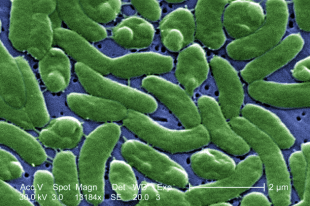
Vibrio_vulnificus_01

Vibrio vulnificus is an opportunistic bacterial pathogen, occurring in warm low-salinity waters. V. vulnificus wound infections due to seawater exposure are infrequent but mortality rates are high (~ 18%). Seawater bacterial concentrations are increasing but changing disease pattern assessments or climate change projections are rare. Here, using a 30-year database of V. vulnificus cases for the Eastern USA, changing disease distribution was assessed. An ecological niche model was developed, trained and validated to identify links to oceanographic and climate data. This model was used to predict future disease distribution using data simulated by seven Global Climate Models (GCMs) which belong to the newest Coupled Model Intercomparison Project (CMIP6). Risk was estimated by calculating the total population within 200 km of the disease distribution. Predictions were generated for different “pathways” of global socioeconomic development which incorporate projections of greenhouse gas emissions and demographic change. In Eastern USA between 1988 and 2018, V. vulnificus wound infections increased eightfold (10–80 cases p.a.) and the northern case limit shifted northwards 48 km p.a. By 2041–2060, V. vulnificus infections may expand their current range to encompass major population centres around New York (40.7°N). Combined with a growing and increasingly elderly population, annual case numbers may double. By 2081–2100 V. vulnificus infections may be present in every Eastern USA State under medium-to-high future emissions and warming. The projected expansion of V. vulnificus wound infections stresses the need for increased individual and public health awareness in these areas.

Research – Listeria in Food: Prevalence and Control

MDPI

Listeria monocytogenes is a foodborne pathogen characterized by its psychrotrophic and ubiquitous nature as well as its ability to survive and proliferate in a wide range of harsh environments and foods. These features make the pathogen a primary concern in the food industry, especially in the cold chain of ready-to-eat (RTE) food products. Although the incidence of listeriosis is low compared to other foodborne illnesses (e.g., salmonellosis), its high hospitalization and case fatality rates, mainly in high-risk population groups, pose a significant threat to public health.
The prevalence of L. monocytogenes has been reduced in many food categories over the last two decades, especially in meat and meat products, due to the application of improved control measures. As highlighted by Abdeen et al. [1] in this Special Issue, the application of suitable control measures along the food chain to reduce pathogen levels and prevent product recontamination together with the continuous training of food handlers are key to reduce the pathogen incidence. They found that the prevalence of L. monocytogenes in different RTE food products from Egypt was higher compared to other Listeria species. In addition, the pathogen isolates carried multiple virulence-related genes (hlyAiap, and actA) and showed phenotypic resistance to six antibiotics. This highlights the importance of monitoring the emergence of resistant and virulent strains.
The presence of persister cells and biofilms in food processing environments also requires attention. In the study by Panebianco et al. [2], the effectiveness of gaseous ozone against the biofilm of L. monocytogenes isolates from different sources was evaluated. They concluded that ozone gas was not sufficient to completely counteract the pathogen biofilm, but it may be useful as an additional tool to improve the existing sanitization procedures in food processing environments. On the other hand, the development of innovative control approaches with reduced environmental impact is necessary to offer consumers more natural solutions and chemical-free products. In this context, van Gijtenbeek et al. [3] assessed the bioprotective potential of the Lacticaseibacillus rhamnosus strain Lrh-FQ to inhibit the growth of L. monocytogenes in creamed cottage cheese. The mechanism underlying the pathogen inhibition was based on competitive exclusion through the depletion of manganese content in the food matrix by Lrh-FQ.
A rapid and accurate detection of L. monocytogenes in food is also important to avoid sanitary and economic problems. Different methods are currently used for the detection of L. monocytogenes in food, such as conventional methods based on ISO standards using chromogenic media or biochemical tests. Alternative methods that reduce timing in pathogen detection are needed to prevent its dissemination through the food chain. In this context, Estévez et al. [4] evaluated the Vitek Immuno Diagnostic Assay System (VIDAS) to detect and count L. monocytogenes in various food items, demonstrating that VIDAS showed high efficiency and was not influenced by the food matrix or interfering microorganisms.
Predictive microbiology is a useful tool to estimate food shelf life and assist regulators in decision making. The development and/or validation of predictive models in real food products and the use of pathogen isolates from particular foods are essential to obtain accurate predictions of food systems. In this regard, Posada-Izquierdo et al. [5] modeled the effect of salt concentration on autochthonous isolated L. monocytogenes strains in an artisanal fresh cheese. Finally, Bolívar et al. [6] quantified and modeled the growth dynamics of six L. monocytogenes strains isolated from different fish products in salmon pâté. Both studies have demonstrated the growth potential of the pathogen under all tested conditions, providing interesting data about its kinetic behavior in RTE food products with significant consumption and commercial value.
The prevention of listeriosis relies on a comprehensive approach from farm to fork. This Special Issue of Foods, including five original articles and one short research communication, provides a deep understanding on the prevalence and genetic characteristics of L. monocytogenes, its growth dynamics in different RTE food products by suitable predictive tools, as well as the efficacy of different detection and control approaches. This insight can support the development of new and robust risk management strategies aimed at reducing the risk of listeriosis.

Research -Antimicrobial-Resistant Listeria monocytogenes in Ready-to-Eat Foods: Implications for Food Safety and Risk Assessment

MDPI

Abstract

Antimicrobial resistance is an existential threat to the health sector, with far-reaching consequences in managing microbial infections. In this study, one hundred and ninety-four Listeria monocytogenes isolates were profiled for susceptibility using disc diffusion techniques. Possible foodborne listeriosis risk associated with ready-to-eat (RTE) foods (RTEF) and the risk of empirical treatment (EMPT) of L. monocytogenes infections, using multiple antimicrobial resistance indices (MARI) and antimicrobial resistance indices (ARI), respectively, were investigated. Twelve European Committee on Antimicrobial Susceptibility Testing (EUCAST) prescribed/recommended antimicrobials (EPAS) for the treatment of listeriosis and ten non-prescribed antimicrobials (non-PAS)] were evaluated. Antimicrobial resistance > 50% against PAs including sulfamethoxazole (61.86%), trimethoprim (56.19%), amoxicillin (42.27%), penicillin (41.24%), and erythromycin (40.21%) was observed. Resistance > 50% against non-PAS, including oxytetracycline (60.89%), cefotetan (59.28%), ceftriaxone (53.09%), and streptomycin (40.21%) was also observed. About 55.67% and 65.46% of the isolates had MARI scores ranging from 0.25–0.92 and 0.30–0.70 for EPAs and non-PAs, respectively. There was a significant difference (p < 0.01) between the MARI scores of the isolates for EPAs and non-PAs (means of 0.27 ± 0.21 and 0.31 ± 0.14, respectively). MARI/ARI scores above the Krumperman permissible threshold (>0.2) suggested a high risk/level of antimicrobial-resistant L. monocytogenes. The MARI risks of the non-success of empirical treatment (EMPT) attributed to EPAs and non-PAs were generally high (55.67% and 65.463%, respectively) due to the antimicrobial resistance of the isolates. MARI-based estimated success and non-success of EMPT if EUCAST-prescribed antimicrobials were administered for the treatment of listeriosis were 44.329% and 55.67%, respectively. The EMPT if non-prescribed antimicrobials were administered for the treatment of listeriosis was 34.53% and 65.46%, respectively. This indicates a potentially high risk with PAs and non-PAs for the treatment of L. monocytogenes infection. Furthermore, ARI scores ≤ 0.2 for EPAs were observed in polony, potato chips, muffins, and assorted sandwiches, whereas ARI scores for non-PAs were >0.2 across all the RTE food types. The ARI-based estimate identified potential risks associated with some RTE foods, including fried fish, red Vienna sausage, Russian sausage, fruit salad, bread, meat pies, fried chicken, cupcakes, and vetkoek. This investigation identified a high risk of EMPT due to the presence of antimicrobial-resistant L. monocytogenes in RTE foods, which could result in severe health consequences.

Research – The efficacy of preharvest application of electrolyzed water and chemical sanitizers against foodborne pathogen surrogates on leafy green vegetables


Wiley Online

Abstract

Preharvest control strategies, to reduce or eliminate pathogenic bacteria in leafy vegetables that may be consumed raw, may provide additional food safety protection and shelf life quality extension beyond what is possible to achieve with postharvest sanitation alone. The aim of this study was to characterize the efficacy and effect of contact time of electrolyzed water (e-water), 1-bromo-3-chloro-5-dimethylhydantoin (BCDMH), and peracetic acid (PAA) at 80 and 150 ppm against pathogen surrogates Escherichia coli M23 (E. coli M23)and Listeria innocua ATCC 33090 (L. innocua), and a representative spoilage microorganism Pseudomonas fluorescens (P. fluorescens) on leafy green vegetables (LGV) mizuna, rocket (arugula), and red chard. Each of the leafy vegetables has a distinctly different leaf architectures that could alter the effectiveness of preharvest sanitation treatments. e-Water, BCDMH and PAA were equally effective in inactivating plant total viable count, E. coli M23, L. innocua and P. fluorescens (reduction compared to water control—0.5–4.0 log CFU/g). On average an additional 0.8 (0.4–1.1) log CFU/g inactivation was obtained by increasing sanitizer contact time from 30 min to 2 h, whereas increasing sanitizer concentrations produced, at maximum, an extra 0.5 log CFU/g inactivation. These findings suggest that e-water, BCDMH, and PAA are all useful for in-field preharvest application on a wide range of plants and increasing contact time rather than concentration improves sanitation efficacy.

Research – Report of the Scientific Committee of the Spanish Agency for Food Safety and Nutrition (AESAN) on the prospection of biological ha-zards of interest in food safety in Spain (2)

AESAN

This report addresses the prospection of biological hazards for some types of food that may pose a risk to the population and that are not currently included in the official control programs in Spain.

It completes and updates the 2018 report by the Scientific Committee of the Spanish Agency for Food Safety and Nutrition (AESAN, 2018). A number of bacteria that are significant contributors to nosocomial infections due to the increase in the number of multi-resistant strains of Acinetobacter spp. ,Klebsiella pneumoniae and Pseudomonas aeruginosa are listed first.

It is also addressed the study of the prevalence and possible control of Bacillus cereus and Cronobacter spp. presence in cereal flours and others, the revision of Campylobacter jejuni and/or Campylobacter coli in meats other than poultry, as well as the study of Shigatoxin-producing Escherichia coli. These latter two biological agents are much better known from the food control perspective, although there are control measures for Campylobacter spp. in poultry meat and not in other types of meat such as beef or pork and in the case of E. coli, producers of Shiga toxins, the control of this particular type of pathogenic strains in food has not been specifically addressed either.

Finally, tick-borne viral encephalitis, which can be transmitted to humans through the consumption of raw milk or raw dairy products, has been indicated as a viral hazard. The prospective study shows the need to determine the prevalence of multi-resistant bacteria of Acinetobacter baumannii, K. pneumoniae and P. aeruginosa in foods in Spain, especially in ready-to-eat foods such as salads and fresh plant-based foods. This is especially important due to the lack of data on the prevalence of these bacteria in foods in Spain. However, food research is carried out in neighbouring countries.

It is also necessary to include C. jejuni and/or C. coli in the investigations of beef and pork, since the incidence of these foodborne pathogens in humans is not explained solely by the presence of these agents in poultry meat, being their presence in other animals for slaughter also evident. Similarly, outbreaks of Shiga toxin-producing E. coli have been reported in Spain over the last 25 years, which makes it advisable to control them in beef, raw milk and leafy vegetables.

With regard to Cronobacter spp. and B. cereus, the importance of these agents can be demonstrated given their survival in powdery materials such as flours of different origins, including cereals, although the reported outbreaks do not seem to indicate a high prevalence. As regards the only viral hazard mentioned, it should be noted that the wide dispersion of the ticks that can transmit this virus, together with the potential consumption of raw milk, makes it advisable to investigate it in raw milk products.

However, the study of the actual infective capacity of this virus is not easy to establish with simple analytical methods. With this last exception, research for controlling all these biological hazards in food is possible, with classical or advanced methodologies that are robust enough, available for each case.

Research – How filthy is YOUR phone? Stomach-churning study reveals the ‘invisible life’ lurking on the average device – including E.Coli from human POO

Daily Mail

Bacteria from both human and cockroach poo are among the secret germs that lurk on our phones, experts have warned.

E.Coli and Fecal Streptococci were found on 100 per cent of smartphone screens in a study of the harmful microbes that plague our devices.

Food poisoning germ, Bacillus cereus, and pneumonia-causing S. aureus, were also found on each of the 20 swabs taken from 10 phones.

While none of them had traces of Salmonella, half of them did contain P. aeruginosa which is commonly found in cockroach poo.

Research – Mānuka Oil vs. Rosemary Oil: Antimicrobial Efficacies in Wagyu and Commercial Beef against Selected Pathogenic Microbes

MDPI

Abstract

Essential oils possessing antimicrobial characteristics have acquired considerable interest as an alternative to chemical preservatives in food products. This research hypothesizes that mānuka (MO) and kānuka (KO) oils may possess antimicrobial characteristics and have the potential to be used as natural preservatives for food applications. Initial experimentation was conducted to characterize MOs (with 5, 25, and 40% triketone contents), rosemary oil (RO) along with kanuka oil (KO) for their antibacterial efficacy against selected Gram-negative (Salmonella spp. and Escherichia coli), and Gram-positive (Listeria monocytogenes and Staphylococcus aureus) bacteria through disc diffusion and broth dilution assays. All MOs showed a higher antimicrobial effect against L. monocytogenes and S. aureus with a minimum inhibitory concentration below 0.04%, compared with KO (0.63%) and RO (2.5%). In chemical composition, α-pinene in KO, 1, 8 cineole in RO, calamenene, and leptospermone in MO were the major compounds, confirmed through Gas-chromatography-mass spectrometry analysis. Further, the antimicrobial effect of MO and RO in vacuum-packed beef pastes prepared from New Zealand commercial breed (3% fat) and wagyu (12% fat) beef tenderloins during 16 days of refrigerated storage was compared with sodium nitrate (SN) and control (without added oil). In both meat types, compared with the SN-treated and control samples, lower growth of L. monocytogenes and S. aureus in MO- and RO- treated samples was observed. However, for Salmonella and E. coli, RO treatment inhibited microbial growth most effectively. The results suggest the potential use of MO as a partial replacement for synthetic preservatives like sodium nitrate in meats, especially against L. monocytogenes and S. aureus.

Research – Germs in flour: pathogens in wheat, spelled and rye flour

Breaking Latest News

Critical germs not uncommon, 2020 showed according to the Zoonosen-Monitoring of the Federal Office for Consumer Protection and Food Safety Food inspectors in Germany found germs from the group of Shiga toxin-forming Escherichia coli (Stec) in 22 of 242 wheat flour samples. Very specific Stec – Enterohaemorrhagic E. coli, EHC for short – can cause, for example, gastrointestinal problems with diarrhea or the haemolytic-uraemic syndrome, which can lead to kidney failure or blood clotting disorders in sensitive people such as small children.