Category Archives: microbial contamination

Research – The brink of a phage paradigm shift in the EU?

Poultry World

We might be on the brink of a phage paradigm shift in the European Union. This was the view of various experts during an online webinar on 11 July organised by PhageEU, a coalition of stakeholders representing phages in industry, the scientific community and civil society.

A feed additive based on phage technology could be authorised by the European Commission in the near future, they agreed, adding that this would be a template for the development of ground-breaking phage products in poultry and other food-producing animals.

The webinar was an opportunity to discuss technical challenges to designing bacteriophage products, the regulatory hurdles in Europe for this new product category as well as to analyse the recent political debate in the EU institutions and the future outlook.


Research – Irish survey highlights barbecue food safety risks

Food Safety News

Almost half of respondents to a survey in Northern Ireland have been served raw or undercooked meat at a barbecue.

The poll revealed 45 percent of barbecue-goers in summer were given items such as burgers, chicken and sausages but left them untouched because of the risk of food poisoning.

Safefood conducted the survey of 300 adults across Northern Ireland to shed light on barbecue cooking habits. The group safefood promotes food safety and nutrition in Northern Ireland and the Republic of Ireland.

Denmark – Record number of finds of diarrhea-causing parasite in humans – Cryptosporidium

SSI

water contamination

Around 800 Danes were diagnosed last year as being infected with a small single-celled intestinal parasite, Cryptosporidium, which can cause severe diarrhoea, abdominal pain, exhaustion and possibly nausea.

The many cases are a significant increase compared to previous years. The reason for the many new findings is probably primarily due to the introduction of more systematic analyzes of faecal samples at the clinical microbiology departments at the hospitals in Slagelse, Odense, Herlev and Aalborg.

“Cryptosporidium thus appears to be much more common in the population than we previously assumed. And this means that we have a diverse population of parasites whose sources and routes of infection are currently poorly understood. It is not a notifiable disease, but we follow the development through the samples that we receive,” says Rune Stensvold, senior researcher, Dept. Bacteria, parasites and fungi, Statens Serum Institut.

If you get sick from Crytosporidiosis it can last for a few weeks, but usually goes away on its own eventually, and is generally harmless.

In the past, sources of infection have been found among calves, but humans can also be infected via rodents. There are no vaccines against the parasite.

Catalonia – More information on botulism cases

ACSA

Information on botulism cases is expanded. There are 5 confirmed cases and 2 possible with the common link of consumption in the previous days of packaged potato tortilla.

The Palacios Alimentación Business Group has issued a statement in which it informs of the voluntary withdrawal, as a precaution, from the shelves of the points of sale of the fresh packaged potato tortilla produced in the Mudrian factory, and of the temporary stoppage of its manufacture.

Although up to now it has not been possible to establish evidence, neither in the products nor in the processes, that relates cause and effect, the Palacios group asks all those people who have purchased any of these products (Palacios, Chef Select, Auchan, Eroski, Unide, Consum, DIA, the potato tortilla with onion ESSENTIALS 600 g. from Ametller (see statement from Ametller Origin), Condis, El Corte Inglés, Carrefour, Alipende, IFA i Rikissimo Group) refrain from consuming it and proceed to return it at the point of sale.

The Spanish Agency for Food Safety and Nutrition (AESAN) has transferred this information to the autonomous communities and cities, through the Coordinated System for Rapid Information Exchange (SCIRI) in order to verify the withdrawal of affected products from marketing channels.

When additional information is available, it will be updated.

France – Various Sausage Products – Defective casing, leading to the development of mold on the casing and possible contamination of the sausage contained inside the casing.

Gov france

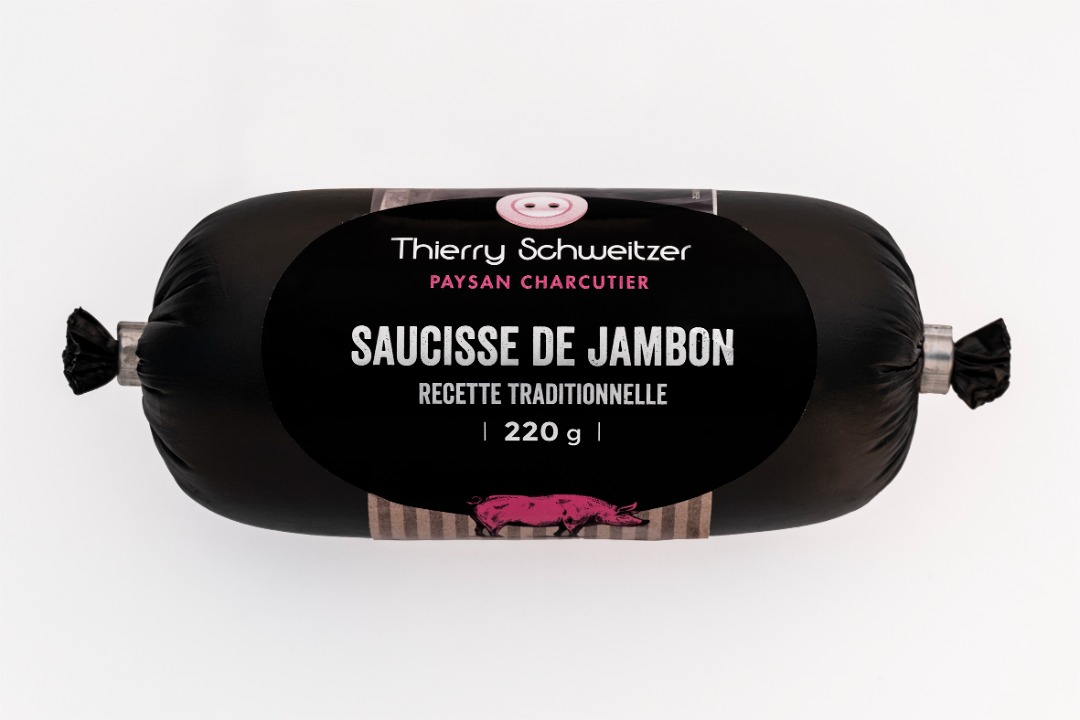
Ham Sausage 250g – Defective casing, leading to the development of mold on the casing and possible contamination of the sausage contained inside the casing

Gov france

Ham sausage – Due to a sealing problem with the artificial casing of one of our suppliers, we are recalling the products concerned.

Gov france

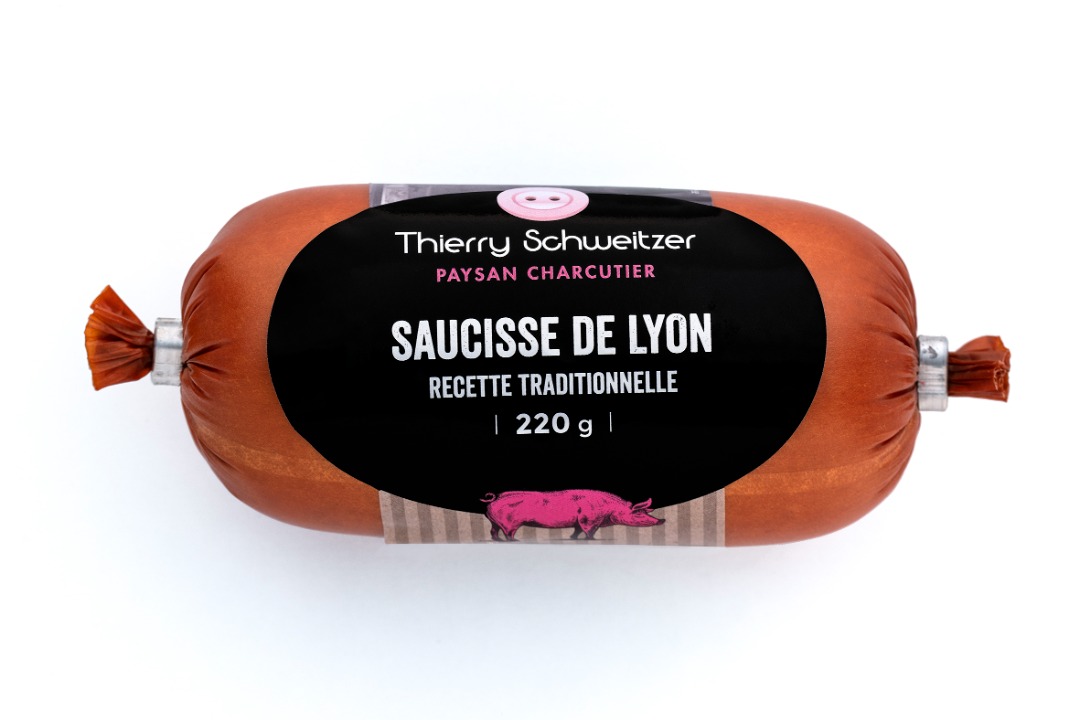
Lyon sausage 250g – Defective casing, leading to the development of mold on the casing and possible contamination of the sausage contained inside the casing

Gov france

Ham sausage – Defective casing, causing possible contamination of the sausage contained inside the casing

Gov france

Lyon sausage – Defective casing, causing possible contamination of the sausage contained inside the casing

Gov france

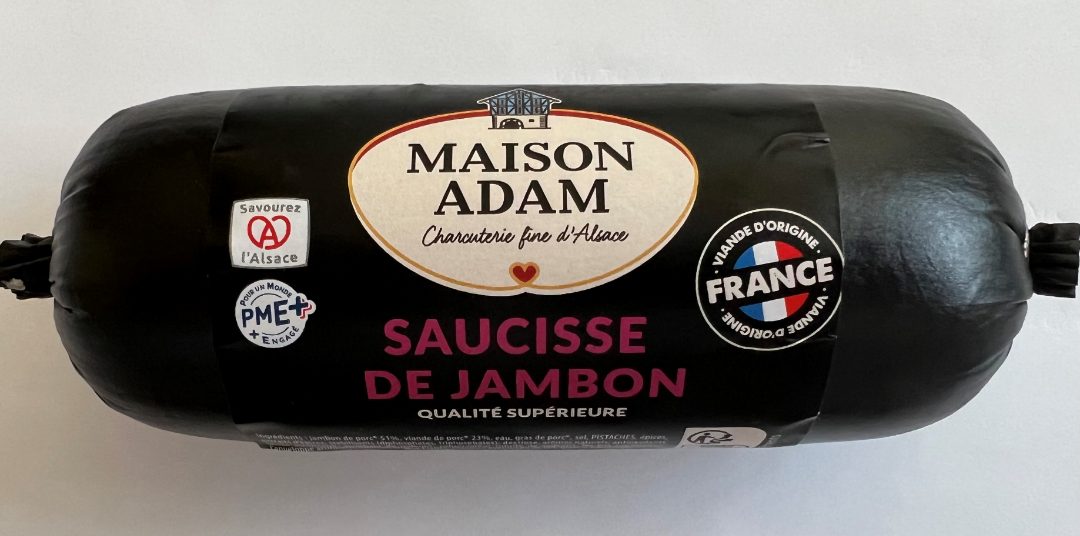
Superior ham sausage 250g – Defective casing, leading to the development of mold on the casing and possible contamination of the sausage contained inside the casing.

RASFF Alerts – Animal Feed – Salmonella – Dog Chews – Soybean Meal – Sunflower Seed Meal

RASFF

Salmonella in dried dog chews from Germany in Austria

RASFF

Salmonella spp in soybean meal from Brazil in Hungary and Romania

RASFF

Salmonella Mbandaka in sunflower seed meal pellets from Argentina in Belgium, France and the Netherlands

USA – CDC – Cyclosporiasis Illnesses in the United States, 2023

CDC

CDC, along with state and federal health and regulatory officials, monitor cases of cyclosporiasis acquired in the United States in the spring and summer months to detect outbreaks linked to a common food source. Cyclosporiasis is a diarrheal illness caused by a parasite called Cyclospora cayetanensis.

Fast Facts

  • Illnesses: 581
  • Hospitalizations: 55
  • Deaths: 0
  • States reporting cases: 31
  • Investigation status: Active (first posted on May 25, 2023)

Cyclosporiasis illnesses are reported year-round in the United States. However, during the spring and summer months there is often an increase in cyclosporiasis acquired in the United States. The exact timing and duration of these seasonal increases in cyclosporiasis can vary, but reports tend to increase starting in May. This year, cases were reported starting in April. It is too soon to tell if this timing indicates a change in the seasonality of cyclosporiasis in the United States.

In previous years, the reported number of cases peaked between June and July, although cases can be reported as late as September. The number of infections or hospitalizations and the number of identified outbreaks linked to a common source also vary from season to season.

USA – 10 in Washington, California, Oregon and Hawaii linked to Hepatitis A tainted Strawberries

Food Poison Journal

CDC, state public health and regulatory officials, and the U.S. Food and Drug Administration are investigating an outbreak of hepatitis A linked to frozen organic strawberries imported from certain farms located in Baja California, Mexico, by a common supplier. Frozen organic strawberries may be sold to a variety of retailers under multiple brand labels. Traceback and epidemiological investigations show that people with outbreak-associated cases purchased the same retail brand of frozen organic strawberries prior to becoming ill.

As of July 18, 2023, a total of 10 outbreak-associated cases of hepatitis A have been reported from 4 states.

Illnesses started on dates ranging from November 24, 2022, to June 4, 2023. Ill people range in age from 38 to 64 years, with a median age of 56.5 years. Thirty percent of ill people are female. Of 10 people with available information, 4 (40%) have been hospitalized. No deaths have been reported.

USA – FDA – Investigations of Foodborne Illness Outbreaks

FDA

What’s New

  • For the outbreak of E. coli O157:H7 (ref #1166), the case count has increased from 11 to 12.
  • For the outbreak of Cyclospora cayetanensis (ref #1163), the case count has increased from 112 to 118 cases.
  • For the outbreak of Cyclospora cayetanensis (ref #1159), the case count has increased from 38 to 43 cases. This incident now includes additional illnesses based on similarities in reported exposures.
  • For the outbreak of Salmonella Enteritidis (ref #1156) linked to raw cookie dough, the advisory was updated on July 13, 2023. The outbreak has ended and FDA’s investigation is closed.
  • For the investigation linked to Morel mushrooms (ref #1152), the advisory was updated on July 19, 2023. The outbreak has ended, and FDA’s investigation is closed.

Research -Fermenting a place in history: The first outbreak of Escherichia coli O157 associated with kimchi in Canada

Cambridge Org

Abstract

A Canadian outbreak investigation was initiated in January 2022 after a cluster of cases of Shiga-toxin-producing Escherichia coli (STEC) O157 was identified through whole genome sequencing (WGS). Exposure information was collected through case interviews. Traceback investigations were conducted, and samples from case homes, retail, and the manufacturer were tested for STEC O157. Fourteen cases were identified in two provinces in Western Canada, with isolates related by 0–5 whole genome multi-locus sequence typing allele differences. Symptom onset dates ranged from 11 December 2021 to 7 January 2022. The median age of cases was 29.5 (range 0–61); 64% were female. No hospitalisations or deaths were reported. Of 11 cases with information available on fermented vegetable exposures, 91% (10/11) reported consuming Kimchi Brand A during their exposure period. The traceback investigation identified Manufacturer A in Western Canada as the producer. One open and one closed sample of Kimchi Brand A tested positive for STEC O157, with isolates considered genetically related by WGS to the outbreak strain. Napa cabbage within the kimchi product was hypothesised as the most likely source of contamination. This paper summarises the investigation into this STEC O157 outbreak associated with kimchi, the first reported outside of East Asia.