Category Archives: Intoxications

Belgium – Dried Millet – from the Golden Lion brand – Aflatoxin

AFSCA

gierst

Following a notification via the RASFF system (European Food and Feed rapid alert system), the FASFC withdraws from sale the product “Dried Millet” of the Golden Lion brand and recalls it from consumers due to a content too high in aflatoxins.

The FASFC asks not to consume this product and to return it to the point of sale in which it was purchased.

Product Description :

Product name: Dried Millet
Brand: Golden Lion
Minimum durability date (MBD): 12/31/2026
Lot: 231001
Weight: 454g

The product was sold through different outlets.

For any further information, you can contact the AFSCA contact point for consumers: 0800/13.550 or pointdecontact@afsca.be.

Research – Identify toxin-producing bacteria more quickly

ANSES

Improving the identification of toxin-producing bacteria is a real challenge for understanding food poisoning episodes. As part of the Joint European “One Health” Program coordinated by ANSES, the agency coordinated a European collaborative project on the toxin-producing bacteria which cause the most collective foodborne illnesses (TIAC).

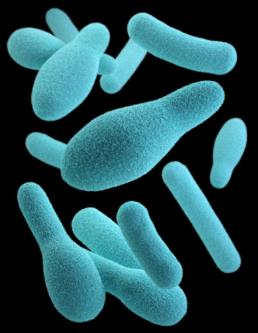
Staphylococcus aureus, Bacillus cereus and Clostridium perfringens were at the heart of the European TOX-Detect project. This trio was not chosen at random: they are the toxin-producing bacteria most frequently involved in collective foodborne illness (TIAC) . According to the European Union Zoonoses Report One Health 2021 published by the European Food Safety Authority (EFSA), bacterial toxins are the second leading cause of TIAC after bacteria themselves (17%). The project, coordinated by ANSES, began in 2018 for a duration of 3 years. It was funded by the One Health EJP program and involved the Institut Pasteur, INRAE ​​as well as various partners from several European countries.

 “  Depending on the bacterial strains, the expression of virulence factors is not the same. These virulence factors are, for example, the presence of adhesion proteins or the production of toxins, in food or in the body. They serve the bacteria to counter the defenses that the host could put up against them, explains Yacine Nia, co-coordinator of the project and deputy head of unit of the Staphylococcus, Bacillus, Clostridium (SBCL) unit, of the food safety laboratory. of Anses. The ability of the bacteria to harm the body will be higher or lower depending on these virulence factors.  »

Most poisonings caused by the toxins of the three bacteria studied cause gastrointestinal symptoms (nausea, vomiting, abdominal pain, diarrhea). Deaths may occur, especially in the most sensitive subjects.

RASFF Alerts – Aflatoxin – Dried Figs – Groundnut Kernels – Hazelnuts – Peanuts

RASFF

Aflatoxins in dried figs from Turkey in Slovenia

RASFF

High level of Aflatoxins (B1 and total) in Dried figs from Turkey in Italy

RASFF

Aflatoxins (B1, B2,G1,G2) in raw groundnut kernels from Bolivia in the Netherlands and Poland

RASFF

GGB 23115837 Groundnuts USA Aflatoxin from the USA in the Netherlands

RASFF

Aflatoxin in groundnuts from Argentina in the Netherlands

RASFF

Mycotoxin in groundnut kernels Runner Splits from Paraguay in the Netherlands

RASFF

Aflatoxins (B1, B2,G1,G2) in raw groundnut kernels from Paraguay in the Netherlands

RASFF

High levels of aflatoxin in hazelnuts from Georgia in Bulgaria and Germany

RASFF

Aflatoxins in peanuts from the U.S.A. in the Netherlands

France – Individual Tropézienne sold in pastry kiosk (traditional showcase)- E.coli – Staphylococcus aureus

Gov france

Identification information of the recalled product

  • Product category Feed
  • Product subcategory Others
  • Product brand name/
  • Model names or references Individual Tropézienne sold in newsstands (traditional showcase) Products sold from 29/08 TO 30/08
  • Identification of products
    Batch
    see attached product list
  • Products Listposter_Auchan_Englos_20220919.pdfAttachment
  • Packaging Sold in pastry stand
  • Marketing start/end date From 08/29/2022 to 08/30/2022
  • Storage temperature Product to be stored in the refrigerator
  • Health mark/
  • Further information/
  • Geographic area of ​​sale Auchan English
  • Distributors Auchan English

Practical information regarding the recall

  • Reason for recall presence of coagulase-positive staphylococci and Escherichia coli
  • Risks incurred by the consumer Escherichia coli
    Staphylococcus aureus (causative agent of staphylococcal poisoning)

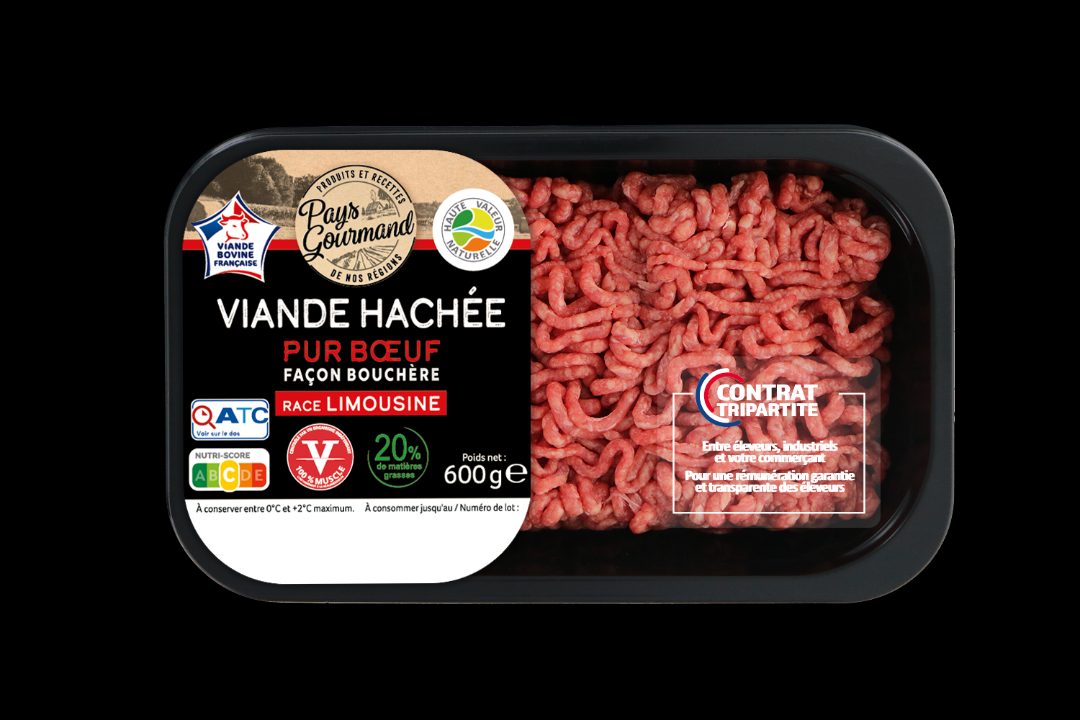
France – Pure beef minced meat, Limousin breed butcher style 20% – 600G

Gov france

Identification information of the recalled product

  • Product category Feed
  • Product subcategory Meats
  • Product brand name Greedy country
  • Model names or references Pure beef minced meat, Limousin breed butcher style 20% – 600G
  • Identification of products
    GTIN Lot Date
    2006050052554 22130813 Use-by date 02/06/2022
  • Marketing start/end date From 25/05/2022 to 02/06/2022
  • Storage temperature Product to be stored in the refrigerator
  • Health mark FR 87.085.006 CE
  • Geographic area of ​​sale Whole France
  • Distributors Aldi

Practical information regarding the recall

  • Reason for recall Possible presence of microorganisms (E. coli STEC)
  • Risks incurred by the consumer Toxigenic Shiga Escherichia coli (STEC)
  • Additional description of the risk Escherichia coli O26:H11

New Zealand – Public health warning about shellfish in West Coast, South Island – Shellfish Toxins -DSP – Diarrhetic shellfish toxins

MPI

The Ministry for Primary Industries (MPI) today issued a public health warning against collecting shellfish from the South Island West Coast between Greymouth and Charleston. Diarrhetic shellfish toxins have been detected in mussels from 12-Mile Bluff at levels above the safe limit set by MPI.

Anyone eating shellfish from this area is potentially at risk of illness.

Ongoing testing will continue and any changes will be communicated accordingly.

Mussels, oysters, tuatua, pipi, toheroa, cockles, scallops, catseyes, kina (sea urchin) and all other bivalve shellfish should not be eaten.

Note, cooking shellfish does not remove the toxin.

Pāua, crab and crayfish may still be eaten if the gut has been completely removed prior to cooking, as toxins accumulate in the gut. If the gut is not removed its contents could contaminate the meat during the cooking process.

Symptoms typically appear within half an hour of ingestion and last for about 24 hours. Symptoms may include:

  • diarrhoea
  • vomiting
  • nausea
  • abdominal cramps

If anyone becomes ill after eating shellfish from an area where a public health warning has been issued, freephone Healthline for advice on 0800 61 11 16, or seek medical attention immediately. You are also advised to contact your nearest public health unit and keep any leftover shellfish in case it can be tested.

Commercially harvested shellfish – sold in shops and supermarkets, or exported – is subject to strict water and flesh monitoring programmes by MPI to ensure they are safe to eat. There is no commercial harvesting of shellfish in the affected area.

Ukraine – Botulism in Ukraine 2021: 98 cases, 10 deaths

Outbreak News Today

CDC Clost Spore

The Ukraine Ministry of Health reported 88 outbreaks of botulism in 2021, as a result of which 98 people became ill, including three children. Ten cases were fatal.

79 patients were given anti-botulinum serum.

This compares to 2020 when Ukraine reported 65 cases and four deaths.

In 2021, cases of botulism were registered in all regions of Ukraine, except Zakarpattia, Luhansk and Mykolaiv regions. The highest number of cases was registered in Volyn oblast – 9, eight cases were recorded in Zhytomyr, Lviv and Chernihiv oblasts and seven cases were reported in Cherkasy oblast.

The main causes of botulism food poisoning were the consumption of dried / salted / dried freshwater fish of home cooking or of unknown origin, which was purchased on the natural markets (30 cases – 30.6%), canned home-cooked meat (30 cases – 30.6%) .

Food borne botulism is a severe intoxication caused by eating the preformed toxin present in contaminated food.