Which product:
Sold in:

Which product:
Posted in food contamination, food handler, Food Hazard, Food Hygiene, Food Inspections, Food Micro Blog, Food Microbiology, Food Microbiology Blog, Food Microbiology Testing, Food Pathogen, food recall, Food Safety, Food Safety Alert, Food Safety Management, Food Testing, Food Virus, Hepatitis E, Virus
The number of foodborne outbreaks almost tripled in Switzerland in 2021 compared to the year before.
This past year, 37 outbreaks were reported with 540 people sick and 40 hospitalized versus 13 outbreaks in 2020.
Officials at the Federal Food Safety and Veterinary Office said the increase could be random, it could be due to better reporting and data collection or it could show the food safety situation has gotten worse, possibly because of the COVID-19 pandemic and other challenges facing businesses.
The agent was unknown in 17 outbreaks but Salmonella caused seven, norovirus four, Campylobacter three, two were due to Bacillus cereus and one each because of Shiga toxin-producing E. coli, Clostridium perfringens and hepatitis E.
Posted in Bacillus, Bacillus cereus, Campylobacter, Clostridium, Clostridium perfringens, E.coli, food bourne outbreak, Food Illness, Food Micro Blog, Food Microbiology, Food Microbiology Blog, Food Microbiology Research, Food Microbiology Testing, Foodborne Illness, foodborne outbreak, foodbourne outbreak, Hepatitis E, Illness, microbial contamination, Microbiological Risk Assessment, Microbiology, Microbiology Investigations, Microbiology Risk, Norovirus, outbreak, Salmonella, STEC, STEC E.coli

The hepatitis E virus (HEV) can cause serious liver inflammation and is the most common cause of acute virus-mediated hepatitis worldwide. Infection can be prevented through appropriate hygiene measures. Scientists from TWINCORE, Centre for Experimental and Clinical Infection Research, the Hannover Medical School (MHH) and the Ruhr Universität Bochum (RUB), together with partners from industry, have investigated the effectiveness of various common hand disinfectants against HEV. They were able to show that most formulations do not completely inactivate the virus.
In Germany and Europe, HEV has its natural reservoir in pigs. The infection can spread from animals to humans, which is called a zoonosis. This often happens through incompletely heated or raw meat products such as minced meat. In tropical regions of the world, infections occur via contaminated water, sometimes causing large outbreaks. “Some of these infections could possibly be prevented with the right hygiene measures,” says Dr. Patrick Behrendt, physician in the Department of Gastroenterology, Hepatology and Endocrinology at the MHH and head of the junior research group “Translational Virology” at TWINCORE. This includes, above all, correct hygienic hand disinfection in everyday clinical practice when dealing with hepatitis E patients and infected animals.
Together with the team of Professor Eike Steinmann, head of the Department of Molecular and Medical Virology at RUB, Behrendt has investigated whether common hand disinfectants can render the virus harmless. “We tested the effect of the alcohols ethanol and propanol, both individually and in the mixing ratios recommended by the WHO, and also commercial hand disinfectants,” says Steinmann. “However, only one product that contained another component was effective.”
Officials in Switzerland have been unable to find what was behind an increase in hepatitis E infections that affected more than 100 people in 2021.
The Federal Office of Public Health (FOPH) recorded a rise in cases of hepatitis E virus (HEV) between January and May 2021.
A total of 105 cases were reported across the country, which is almost triple the number compared to the same period in previous years. More men than women were affected and patients ranged in age from 18 to 87 years old. A total of 29 people were hospitalized with or following an HEV infection and two died.
Posted in food contamination, food handler, Food Hazard, Food Hygiene, Food Inspections, Food Micro Blog, Food Microbiology, Food Microbiology Blog, Food Microbiology Testing, Food Pathogen, food recall, Food Safety, Food Safety Alert, Food Testing, Food Virus, Food Virus Death, Hepatitis E, Virus, Virus Vaccination
The protection of human and animal health can only be achieved through the active cooperation of experts in the field of control and research in the human and veterinary field. The report on zoonoses, foodborne diseases and waterborne diseases in the Slovak Republic for 2020 contains data from official inspections carried out in the field of agriculture and health care, as well as from research institutes and universities. The preparation of the report was coordinated by the National Contact Point for Scientific and Technical Cooperation with the European Food Safety Authority (EFSA EFSA), which is established at the Department of Food Safety and Nutrition of the Ministry of Agriculture and Rural Development of the Slovak Republic (MPRV SR).
The report serves as a basis for the EFSA NCB and scientific experts to set priorities and own national food safety risk assessments. At the same time, the report serves as one of the bases for the Community risk assessment carried out by the European Food Safety Authority (EFSA). Scientific risk assessment is the basis for risk management. The report describes the situation in 35 zoonotic agents, 5 foodborne diseases (ie foodborne diseases) without zoonotic potential and 4 waterborne pathogens. Of the 44 agents monitored, 23 are bacterial, 10 parasitic, 10 viral and prion.
It presents the summary results of examinations and tests performed in 2020 in the Slovak Republic and the evaluation of the national epidemiological situation in humans and animals with a focus on trends and sources of zoonotic and foodborne diseases.
The report presents the summary results of examinations and tests carried out in 2020 and an assessment of the national epidemiological situation in humans and animals , focusing on trends and sources of zoonotic and foodborne diseases . The number of monitored authors, cooperating organizations and experts is growing every year. A wide team of more than 70 experts from 24 scientific and control organizations in the Slovak Republic took part in its elaboration .
In 2020, 17,067 human diseases caused by the study agents were reported, with 29.1% related to campylobacteriosis, 20.9% to Clostridium dificille and 20.4% to salmonellosis. Rotavirus 11.6%, Norwalk virus 5.1%, Borrelia burgdorferi sl 5.6% and Escherichia coli 1.2% also contributed to a higher percentage of diseases.
Seven of the study agents caused 380 human epidemics, of which 56.6% were salmonellosis, 23.2% were campylobacteriosis and 12.6% of epidemics were caused by rotavirus. Norwalk virus accounted for 5.5%, tick-borne encephalitis virus 1.3%, shigella and 0.5% and yersinia 0.3%.
35,957 food samples were examined for the presence of 15 pathogens with a positive finding in 2.2% of samples. Higher percentages of positive findings were in Yersinia spp. 48.1%, Enterococcus spp. 46.3% and Vibrio spp. 31.8%.
The presence of 30 pathogens was monitored in 2,483,239 samples originating from livestock and wild animals, pets and zoos taken as part of official control, preventive monitoring, research, as well as from sick or dead animals. Positive findings accounted for 0.1% of samples. Higher percentages of positive findings were recorded for Aeromonas spp. 59.3%, Clostridium spp. 55.4%, Francisella tularensis 50.4%, Babesia spp. 41.1%, Dirofilaria spp. 34.8%, Campylobacter spp. 18.3%, Yersinia spp. 18.3%, Staphylococcus aureus 18.1%, hepatitis E virus 14.1%, Listeria monocytogenes 11.8%, Toxocara spp. 10.5%.
Feed – 385 samples were examined for the presence of Salmonella spp. (1.5% positive samples), Escherichia coli (60.0% positive samples) and Clostridium spp.
(1.7% positive samples).
35,746 water samples were examined for the presence of 9 agents, of which 7.4% were positive, of which Legionella spp. 47.1% and Vibrio spp. 39.5%.
44,633 samples from the environment were examined for the presence of 8 pathogens, of which 2.3% were positive, of which Legionella spp. 36.0%, Vibrio spp. 6.8%, E.coli 3.6% and Enterococcus spp. 2.6%.
The report also includes the results of examinations for the resistance of microorganisms to antimicrobials, which has a growing trend worldwide and poses a real danger in the treatment of infections. Microbial resistance was monitored in Salmonella spp., E. coli , Campylobacter spp., Staphylococcus aureus and Enterococcus spp.
The comprehensive report, which will be published as a publication, has a length of more than 130 pages, will be published in printed form, as a publication with an assigned ISBN. Summaries of individual chapters will be translated into English and published in an electronic version as a publication with an assigned ISBN.
See the appendices for more information.

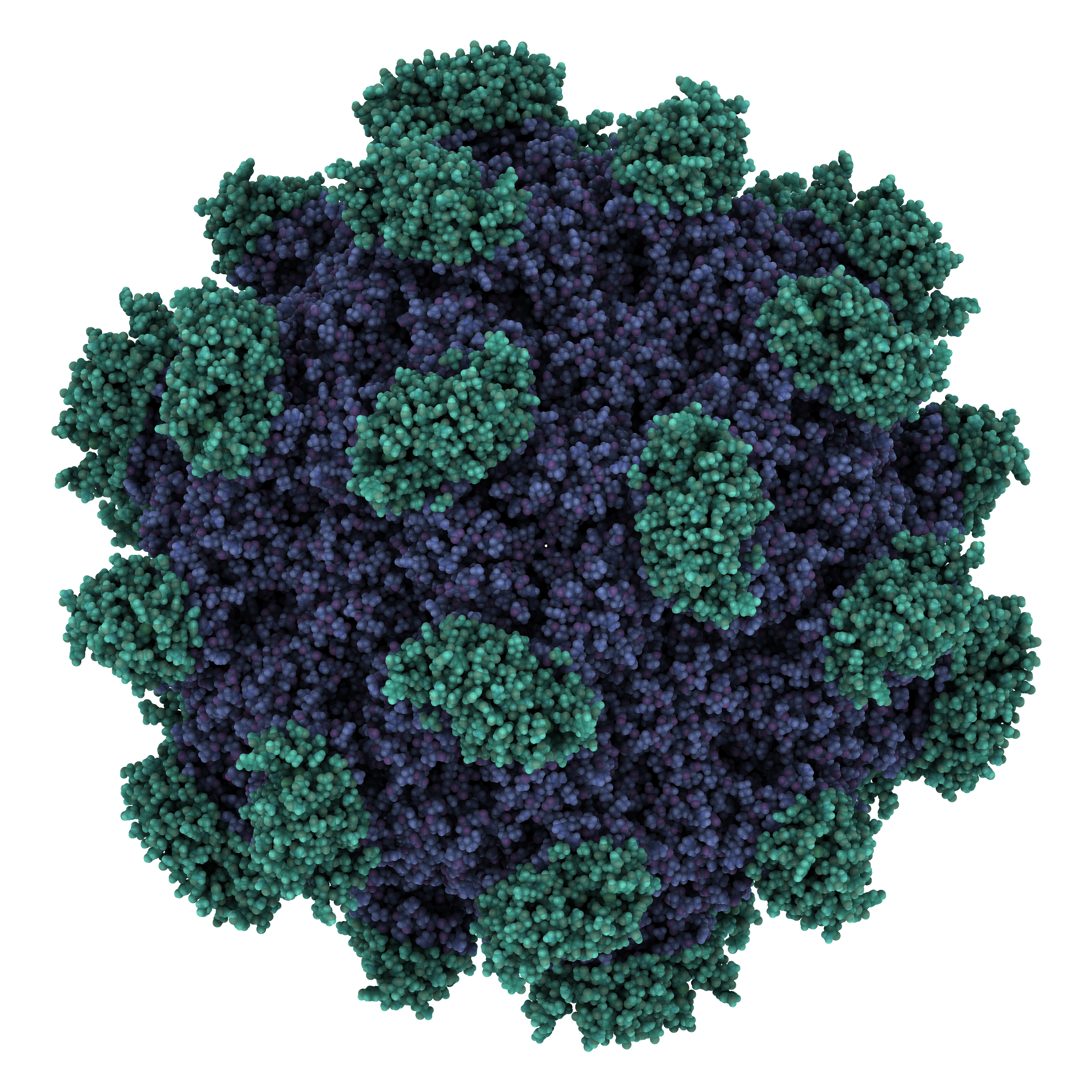
Hepatitis E virus capsid structure. HEV infection causes viral hepatitis. Atomic-level structure.
A Hepatitis E outbreak had been declared by Chadian health authorities in mid-November 2021 in Sategui health area, Lai health district in the Tandjile region.
As of November 20, there have been 377 suspected cases and 2 deaths (CFR 0.5%) reported. Among those affected, the majority have been men with 216 cases (57%) and the most affected age group has been less than 10 years of age with 90 cases (23.8%).
Hepatitis E is endemic in Chad, particularly in the Tangile region, which previously experienced large-scale outbreaks in 2017 and 2018. Poor hygiene and sanitation conditions coupled with limited access to safe water are risk factors for outbreaks in this region.
Posted in Contaminated water, food contamination, Food Hazard, Food Hygiene, Food Illness, Food Inspections, Food Micro Blog, Food Microbiology, Food Microbiology Blog, Food Microbiology Testing, Food Pathogen, food recall, Food Safety, Food Safety Alert, Food Testing, Food Virus, Hepatitis E, Water, water microbiology, Water Safety
Contamination of bivalve mollusks with human pathogenic viruses represents a recognized food safety risk. Thus, monitoring programs for shellfish quality along the entire food chain could help to finally preserve the health of consumers. The aim of the present study was to provide up-to-date data on the prevalence of enteric virus contamination along the shellfish production and distribution chain in Sicily. To this end, 162 batches of mollusks were collected between 2017 and 2019 from harvesting areas, depuration and dispatch centers (n = 63), restaurants (n = 6) and retail stores (n = 93) distributed all over the island. Samples were processed according to ISO 15216 standard method, and the presence of genogroup GI and GII norovirus (NoV), hepatitis A and E viruses (HAV, HEV), rotavirus and adenovirus was investigated by real-time reverse transcription polymerase chain reaction (real-time-RT PCR), nested (RT)-PCR and molecular genotyping. Our findings show that 5.56% of samples were contaminated with at least one NoV, HAV and/or HEV. Contaminated shellfish were sampled at production sites and retail stores and their origin was traced back to Spain and several municipalities in Italy. In conclusion, our study highlights the need to implement routine monitoring programs along the whole food chain as an effective measure to prevent foodborne transmission of enteric viruses. View Full-Text
Posted in food contamination, food handler, Food Hazard, Food Hygiene, Food Inspections, Food Micro Blog, Food Microbiology Blog, Food Microbiology Research, Food Microbiology Testing, Food Pathogen, Food Safety, Food Testing, Food Virus, Hepatitis A, Hepatitis E, Norovirus, Research, Rotavirus, Virus

Toxoplasma gondii , hepatitis E virus (HEV) and Salmonella are zoonotic foodborne pathogens that may be transmitted to humans through the consumption of raw or undercooked pork. The aim of this study was to determine the seroprevalence of anti- Toxoplasma gondii , anti-HEV and anti- Salmonella antibodies from healthy pigs at slaughter in Switzerland. In the period of August to September 2020 diaphragm muscle of Swiss fattening pigs was collected in three Swiss abattoirs from a total of 188 farms. Two randomly chosen pig carcasses per farm were selected. On the basis of the slaughter data, the production system and the canton of origin were noted, comparing indoor (n=120) and free-range farming (n=68), and regional allocation. The meat juice of these samples was analyzed for pathogen-specific antibodies using commercial enzyme-linked immunosorbent assay (ELISA) kits. The seroprevalences were 1.3% for T. gondii , 71.8% for the HEV and 5.3% for Salmonella , respectively. Comparing the origins, the results of many cantons weren’t meaningful due to the low number of samples. No regional accumulations were found for T. gondii and the HEV. The results showed that 2.1% of the farms had least one T. gondii seropositive animal, 80.3% had at least one HEV seropositive animal, and 8.5% had at least one Salmonella seropositive animal, respectively. The seropositivity of T. gondi i was higher in free-range pigs than in indoor pigs, whereas anti- Salmonella antibodies were more common in pigs from indoor farming than in outdoor pigs. The seroprevalence of anti HEV-Abs was similar in free-range and indoor farming pigs. Compared to studies from 2012 the seroprevalence of T. gondii has decreased whereas the seroprevalence of the HEV has increased and is highly prevalent among fattening pigs in Switzerland. The low seroprevalence of Salmonella has remained stable in recent years.
Hepatitis E virus (HEV) is the most common cause of acute viral hepatitis in England. Substantial yearly increases of autochthonous infections were observed during 2003–2016 and again during 2017–2019. Previous studies associated acute HEV cases with consumption of processed pork products, we investigated risk factors for autochthonous HEV infections in the blood donor population in England. Study participants were 117 HEV RNA–positive blood donors and 564 HEV RNA–negative blood donors. No persons with positive results were vegetarian; 97.4% of persons with positive results reported eating pork products. Consuming bacon (OR 3.0, 95% CI 1.7–5.5; p<0.0001), cured pork meats (OR 3.5, 95% CI 2.2–5.4; p<0.0001), and pigs’ liver (OR 2.9, 95% CI 1.0–8.3; p = 0.04) were significantly associated with HEV infection. Our findings confirm previous links to pork products and suggest that appropriate animal husbandry is essential to reduce the risk for HEV infection.

High-pressure processing (HPP) is an innovative non-thermal food preservation method. HPP can inactivate microorganisms, including viruses, with minimal influence on the physicochemical and sensory properties of foods. The most significant foodborne viruses are human norovirus (HuNoV), hepatitis A virus (HAV), human rotavirus (HRV), hepatitis E virus (HEV), human astrovirus (HAstV), human adenovirus (HuAdV), Aichi virus (AiV), sapovirus (SaV), and enterovirus (EV), which have also been implicated in foodborne outbreaks in various countries. The HPP inactivation of foodborne viruses in foods depends on high-pressure processing parameters (pressure, temperature, and duration time) or non-processing parameters such as virus type, food matrix, water activity (aw), and the pH of foods. HPP was found to be effective for the inactivation of foodborne viruses such as HuNoV, HAV, HAstV, and HuAdV in foods. HPP treatments have been found to be effective at eliminating foodborne viruses in high-risk foods such as shellfish and vegetables. The present work reviews the published data on the effect of HPP processing on foodborne viruses in laboratory media and foods. View Full-Text