Ergot sclerotia in wheat from France in Belgium
Ergot sclerotia in wheat from France in Belgium
Ergot alkaloids in wheat, from France in Belgium and the Netherlands

Ergot sclerotia in wheat from France in Belgium
Ergot sclerotia in wheat from France in Belgium
Ergot alkaloids in wheat, from France in Belgium and the Netherlands
Posted in Ergot, Ergot Alkaloids, food contamination, food handler, Food Hazard, Food Hygiene, Food Inspections, Food Micro Blog, Food Microbiology, Food Microbiology Blog, Food Microbiology Testing, Food Poisoning, Food Quality, food recall, Food Safety, Food Safety Alert, Food Safety Management, Food Safety Regulations, Food Testing, Fusarium Toxin, Mycotoxin, RASFF, Rye Ergot
The foods, found in the homes of Brazilian families participating in the research, were stored for future consumption. The study is the first in Brazil to use biomarkers to characterize the risk associated with mycotoxins in the diet.
Researchers from the University of São Paulo (USP) analyzed samples of flour and rice stored in homes in Ribeirão Preto, São Paulo, Brazil, and discovered high levels of fungal toxins (mycotoxins). The study, supported by FAPESP, was published in the journal Food Research International.
As the authors point out, dietary exposure to mycotoxins can trigger a range of health problems, especially in children and adolescents. The data therefore reinforce the importance of storing foods such as grains and flour in dry places and protecting them from insects to avoid the risk of contamination.
By analyzing samples of flour and rice stored in homes in Ribeirão Preto, in the interior of the state of São Paulo (Brazil), researchers from the University of São Paulo (USP) found the presence of high levels of fungal toxins (mycotoxins). The study is published in the journal Food Research International.
The six toxins of concern were found in all the food samples analyzed: aflatoxins (AFs), fumonisins (FBs), zearalenone (ZEN), T-2 toxin, deoxynivalenol (DON), and ochratoxin A (OTA). In the case of the mycotoxins FBs, ZEN, and DON, the levels were above the tolerance limit set by the health authorities. This study was the first in Brazil to use biomarkers to characterize the risk associated with mycotoxins in the diet of children and adolescents.
Fumonisins in corn flour from France in Belgium. Germany, Luxembourg and Netherlands
Posted in food contamination, food handler, Food Hazard, Food Hygiene, Food Inspections, Food Micro Blog, Food Microbiology, Food Microbiology Blog, Food Microbiology Testing, Food Pathogen, Food Quality, food recall, Food Safety, Food Safety Alert, Food Safety Management, Food Safety Regulations, Food Testing, Food Toxin, Fumomisins, Fumonsins, Fusarium Toxin, Mold Toxin, Mould Toxin, Mycotoxin, RASFF
The following product is recalled in Luxembourg:
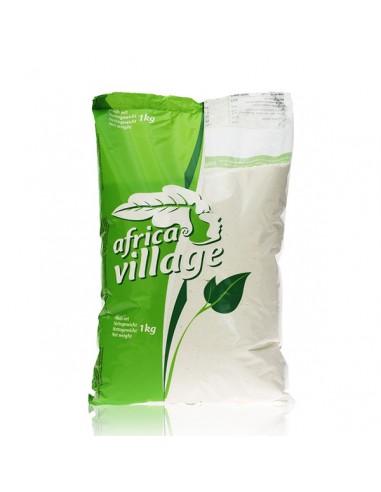
| Name | White corn flour |
| Brand | Africa Village |
| Unit | 1.0 kg |
| Minimum Durability Date (MBD) | 03/31/2024 |
Danger: Too high fumonisin content
Fumonisins are toxins formed by molds of the Fusarium genus on corn under certain climatic conditions. Fumonisins are classified as “possible carcinogen” for humans.
The product can be distributed by different points of sale in Luxembourg.
Posted in Carcinogen, food contamination, food handler, Food Hazard, Food Hygiene, Food Inspections, Food Micro Blog, Food Microbiology, Food Microbiology Blog, Food Microbiology Testing, Food Poisoning, Food Quality, food recall, Food Safety, Food Safety Alert, Food Safety Management, Food Safety Regulations, Food Testing, Food Toxin, Fumomisins, Fumonsins, Fusarium Toxin, mold, Mold Toxin, Mould/Mold
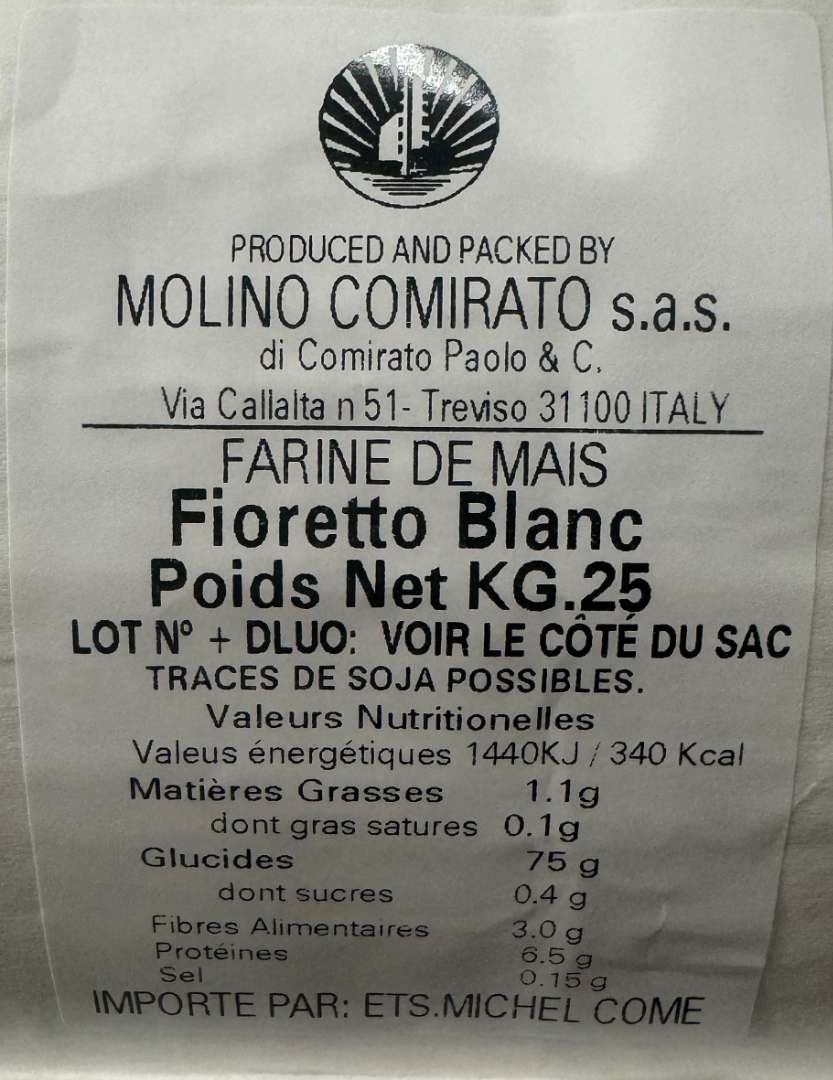
Product category
Food
Product subcategory
Cereals and bakery products
Product brand name
MOLINO COMIRATO
Model names or references
White Corn Flour MOLINO COMIRATO
Product identification
Batch Date
2208030 Minimum durability date 08/31/2024
2208130 Minimum durability date 09/30/2024
Packaging
25KG
Start/end date of marketing
From 08/30/2023 to 03/19/2024
Storage temperature
Product to be stored at room temperature
Geographical sales area
Whole France
Distributors
List_of brands_PDF
Posted in food contamination, food handler, Food Hazard, Food Hygiene, Food Inspections, Food Micro Blog, Food Microbiology, Food Microbiology Blog, Food Microbiology Testing, Food Poisoning, Food Quality, food recall, Food Safety, Food Safety Alert, Food Safety Management, Food Safety Regulations, Food Testing, Food Toxin, Fumomisins, Fusarium Toxin, Mold Toxin, Mould Toxin, Mycotoxin
Mycotoxins are toxic secondary metabolites of filamentous food-borne fungi that grow worldwide on a variety of cereals and other agricultural produce. Aflatoxins, ochratoxin A, fumonisins, trichothecenes, and zearalenone occur on cereals and lead to mycotoxicoses among humans, animals, and poultry. Some mycotoxins are carcinogenic, hepatotoxic, nephrotoxic, dermatoxic, genotoxic, teratogenic, immunotoxic, or estrogenic. Good agricultural practice involving sound preharvest practices such as optimum tillage, crop rotation, planting date, avoidance of drought stress, and optimal fertilization contributes to the production of healthy crops. Biocontrol agents, such as Aflasafe, and genetically modified insect-resistant maize, such as Bt maize, reduce mycotoxin formation in maize. Hygienic storage conditions contribute to the prevention of mycotoxin formation. Reliable analytical results are necessary for compliance with mycotoxin regulations and control procedures to facilitate the international trade of cereals. Compliance with regulations of international food safety authorities as well as public awareness of mycotoxins should enhance the protection of populations from the adverse health effects of mycotoxins.
Successful execution of these Objectives will contribute to field by: improving our knowledge of how microbial populations can affect and impact food safety and public health and delineating how pathogens are transmitted and disseminated in and among plant crops allowing for future development of improved/alternate interventions and control strategies
(Objectives 1-4); developing novel intervention strategies using sustainable, natural fungicide alternatives that eliminate aflatoxigenic fungi; enhancing our knowledge regarding the prevalence of azole-resistant aspergilli with enhanced aflatoxin production
(Objective 5); and developing novel methods to control invasive insect pests and reducing the need for the use of radioisotopes for irradiation
(Objective 6). These Objectives, if successful, will allow growers to produce a safer food supply and reduce the use of toxic chemicals (pesticides) and enhance environmental quality.
Objective 1: Identify and characterize agricultural soils that suppress the persistence of the human pathogenic bacteria Salmonella enterica, Listeria monocytogenes and Escherichia coli O157:H7.
Objective 2: Examine the microbiomes, potential for human pathogen colonization, and effectiveness of biological control agents on lettuces grown in indoor vertical hydroponic systems.
Objective 3: Examine the effects of bacterial biocontrol candidate strains on population dynamics of black Aspergillus spp. on grapes and raisins.
Objective 4: Identification and utilization of antifungal metabolites from microbial sources as interventions. •
Sub-objective 4A: Identification of antifungal metabolites from candidate biocontrol bacteria collected from raisin grape vineyards. •
Sub-objective 4B: Isolation and characterization of bacteria with antifungal activities from pistachio orchards.
Objective 5: Development of resistance management augmenting fungal and mycotoxin elimination. •
Sub-objective 5A: Determine the prevalence of azole-resistant aspergilli (A. flavus, A. parasiticus) that produce increased levels of mycotoxins in California tree nut orchards. •
Sub-objective 5B: Develop new intervention strategies for the control of azole-resistant Aspergillus species utilizing natural products/derivatives as fungicide alternatives.
Objective 6: Investigate novel methods to address mycotoxin contamination of tree nuts through control of fungal and insect vectors. •
Sub-objective 6A: Evaluate X-ray based irradiation as an alternative to gamma irradiation for SIT. •
Sub-objective 6B: Investigate high pressure steam as a tool for orchard sanitation through destruction of overwintering NOW larvae in pistachio mummies.
Objective 7: The use of previously approved natural products as an accelerated chemical interventions strategy to inhibit food-associated mycotoxins, fungal pathogens, and their insect pest transmitters. •
Sub-objective 7A: Identify previously approved natural products that inhibit mycotoxins and fungal pathogens frequently found in food contaminations. •
Sub-objective 7B: Identify previously approved natural products that immunosuppress insect pests and increase their sensitivity to microbes.

 FoodWorld