Category Archives: foodborne outbreak

Research – Efficacy of Repeated Applications of Bacteriophages on Salmonella enterica-Infected Alfalfa Sprouts during Germination

MDPI

Nontyphoidal Salmonella enterica is one of the leading pathogens for foodborne outbreaks in a multitude of food commodities, including alfalfa sprouts, which are commonly consumed raw. The food industry has commonly used chlorinated washes, but such methods may not be perceived as natural; this can be a detriment as a large portion of sprouts are designated for the organic market. A natural and affordable antimicrobial method that has been acquiring popularity is the use of bacteriophages. This study compared the efficacy of repeated daily applications and a single application of two separate bacteriophage cocktails (SE14, SE20, SF6 and SE14, SF5, SF6) against four Salmonella enterica (S. enterica) strains on germinating alfalfa sprout seeds from days 0 to 7. The results show S. Enteritidis to be the most susceptible to both cocktails with ~2.5 log CFU/mL decrease on day 0 with cocktail SE14, SF5, and SF6. S. enterica populations on all strains continued to grow even with repeated daily bacteriophage applications but in a significantly decreased rate (p < 0.05) compared with a single bacteriophage application. The extent of the reduction was dependent on the S. enterica strain, but the results do show benefits to using repeated bacteriophage applications during sprout germination to reduce S. enterica populations compared with a single bacteriophage application.

USA – Outbreak Investigation of Listeria monocytogenes: Brie and Camembert Soft Cheese Products (September 2022)

FDA

The FDA, along with CDC and state and local partners, is investigating a multistate outbreak of Listeria monocytogenes infections linked to Brie and Camembert soft cheese products, including all baked Brie cheeses, manufactured by Old Europe Cheese, Inc. of Benton Harbor, MI, and sold at various retailers under multiple labels and brands.

On September 30, 2022, Old Europe Cheese, Inc. voluntarily recalled multiple brands of Brie and Camembert cheeses produced at their Michigan facility and on October 5, 2022 expanded their recall to include multiple brands of baked Brie products. The firm has also halted production and distribution of their Brie and Camembert products from the Michigan facility and is working with FDA on corrective actions. Consumers, restaurants, and retailers should not eat, sell, or serve recalled products and should throw them away; this includes Best By Dates ranging from September 28, 2022 to December 14, 2022, and all flavors and quantities.

An expanded list of recalled products and stores that potentially sold these products is available below and on the firm’s recall. Swiss American has also issued a voluntary recall of their St. Louis Brie products sourced from Old Europe Cheese Inc.’s Michigan facility. A full list of their products can be found on the firm’s recall notice.

FDA’s investigation is ongoing to determine if additional products are potentially contaminated. Updates to this advisory will be provided as they become available.

Recommendation

Consumers, restaurants, and retailers should not eat, sell, or serve recalled products and should throw them away; this includes Best By Dates ranging from September 28, 2022 to December 14, 2022, and all flavors and quantities. An expanded list of recalled products and stores that potentially sold these products is available below and on the firm’s recall.

Retailers may have repackaged bulk Old Europe Cheese items into smaller containers and sold this repackaged product to consumers. This repackaged product may not bear the original labeling and product information. If you are unsure where your Brie or Camembert cheese products are from, ask your retailer or throw them away.

Listeria is most likely to sicken pregnant people and their newborns, adults aged 65 or older, and people with weakened immune systems. Other people can be infected with Listeria, but they rarely become seriously ill.

Call your healthcare provider right away if you have these symptoms after eating Old Europe Cheese Inc. Brie and Camembert products:

  • Pregnant people typically experience only fever, fatigue, and muscle aches. However, Listeria infection during pregnancy can lead to miscarriage, stillbirth, premature delivery, or life-threatening infection of the newborn.
  • People who are not pregnant may experience headache, stiff neck, confusion, loss of balance, and convulsions, in addition to fever and muscle aches.

Follow FDA’s safe handling and cleaning advice and use extra vigilance in cleaning and sanitizing any surfaces and containers that may have come in contact with these products to reduce the risk of cross-contamination, including retailers who repackaged bulk recalled cheese. Listeria can survive in refrigerated temperatures and can easily spread to other foods and surfaces.

Case Count Map Provided by CDC

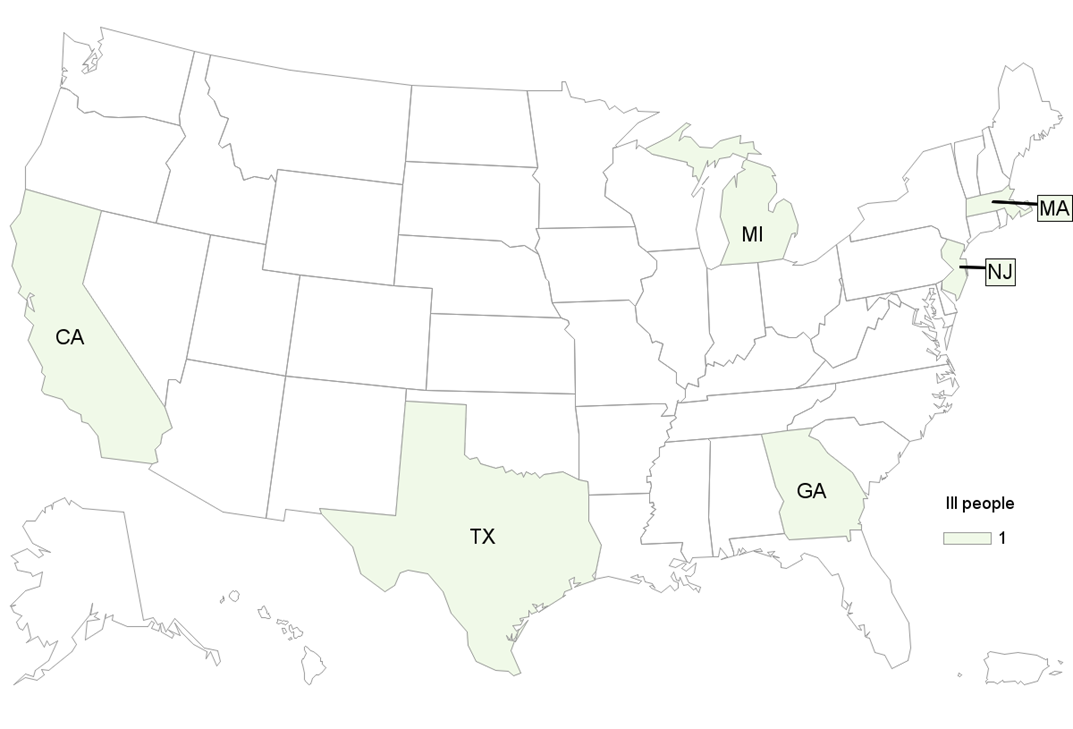
CDC Case Count for the Outbreak Investigation of Listeria monocytogenes from Brie and Camembert Soft Cheese Products (as of 10/6/2022)

Case Counts

Total Illnesses: 6
Hospitalizations: 5
Deaths: 0
Last illness onset: August 5, 2022
States with Cases: CA, GA, MA, MI, NJ, TX
Product Distribution: Nationwide

New Zealand – links Hepatitis A berry cases to EU illnesses

Food Safety News

Officials in New Zealand investigating Hepatitis A cases linked to berries have identified a connection with a past outbreak in Europe.

There are 12 hepatitis A infections from eating frozen berries in New Zealand. Eight have been linked by genetic sequencing, meaning they were likely exposed to the same source of the virus. Seven people have been hospitalized. The virus attacks the liver. The Ministry for Primary Industries (MPI) was informed by the Ministry of Health of three Hepatitis A cases in September.

Foodstuffs Own Brands has recalled various Pams brand frozen berry products because of a possible link to the hepatitis A cases. Products are being removed from New World, Pak’n Save and Four Square shops nationwide, and from Trents and Raeward Fresh stores in the South Island.

USA – FDA Core Outbreak Investigation Table

FDA

What’s New

  • For the Salmonella Litchfield outbreak in a not yet identified product (reference #1105), the case count has increased from 28 cases to 29 cases.
  • For the E. coli O157:H7 outbreak (reference #1081) in a not yet identified product, CDC announced the outbreak is over on 10/4/2022. FDA’s investigation is ongoing.
  • For the Listeria monocytogenes outbreak in Brie and Camembert cheese (reference #1106), an Outbreak Advisory was issued on 9/30/2022.
  • For the Salmonella Typhimurium outbreak (reference #1095), one additional case was added, and the product linked to illnesses has been changed to cantaloupe. The vehicle of the outbreak was confirmed after the outbreak ended. Given the product(s) were no longer on the market, there was no ongoing risk to public health and no need to avoid eating cantaloupe. Additional information on this outbreak will be forthcoming.
  • For the outbreak of Cyclospora cayetanensis in a not yet identified product (reference #1080) the case count has increased from 81 to 84 and the outbreak has ended.
  • For the outbreak of Cyclospora cayetanensis in a not yet identified product (reference #1084) the outbreak has ended.
  • For Listeria monocytogenes adverse event in a not identified product (reference #1040), the outbreak has ended.

USA – Torero’s Mexican Restaurant in Renton linked to E. coli Outbreak

Food Poison Journal

Summary

Public Health is investigating an outbreak of Shiga toxin-producing E. coli (also known as STEC) associated with diarrhea and abdominal pain at Torero’s Mexican Restaurant in Renton.

The investigation is ongoing. At this time, we have not identified how STEC was spread within the restaurant. This is not uncommon for STEC outbreaks, because the bacteria can spread through contaminated food items, environmental surfaces, and from person to person.

Illnesses

Since September 5, 2022, 3 people from 3 separate meal parties reported becoming ill after eating food from Torero’s Mexican Restaurant in Renton on September 3, 2022 and September 7, 2022. All of the people developed one or more symptoms consistent with STEC, including diarrhea (often bloody), abdominal cramping, nausea, and vomiting. We have not identified any ill employees.

USA – CDC says outbreak linked to Wendy’s sandwiches is over with more than 100 sick

Food Safety News

Federal officials have declared that an outbreak of E. coli O157:H7 infections related to romaine lettuce on Wendy’s sandwiches has ended.

The Centers for Disease Control and Prevention is reporting that the total number of confirmed patients is 109, up from the 97 reported in its most recent update on Sept. 1. About half — 52 — of the patients have been so sick they had to be admitted to hospitals. Thirteen of the patients developed hemolytic uremic syndrome (HUS), a serious often life-threatening condition that can cause kidney failure. No one had died as of this evening.

As of the report tonight from the CDC the specific source of the E. coli could not be 100 percent confirmed. However, 83 percent of 82 patients for whom the information was available reported eating at Wendy’s before becoming ill.

“The true number of sick people in this outbreak is likely much higher than the number reported, and the outbreak may not have been limited to the states with known illnesses. This is because many people recover without medical care and are not tested for E. coli,” according to the CDC statement.

USA – More than 200 backpackers and rafters sickened in Grand Canyon National Park backcountry- Suspected Norovirus

Food Safety News

Between April 1 and June 17, 2022, at least 222 rafters and backpackers became infected with acute gastroenteritis, most likely norovirus, according to the Centers for Disease Control and Prevention (CDC). This is the largest outbreak of acute gastroenteritis documented in the Grand Canyon National Park backcountry.

Preliminary analysis of illness characteristics and portable toilet specimen test results suggested norovirus as the primary causative agent of illness. Norovirus spreads quickly through person-to-person contact and contaminated food or beverages and can persist in the environment. The bacteria can live for days to weeks on hard surfaces.

River outfitters and National Park staff members partnered to enable the implementation of prevention and control measures.

Norovirus-associated acute gastroenteritis is highly transmissible in settings with close person-to-person contact and decreased access to hand hygiene. Because many trips use the same campsites and place-portable toilets in the same locations, particles could have been transmitted to surfaces, beach sand or river water where new groups could have encountered them, and then transmitted the virus both from person-to-person and trip-to-trip.

USA – Outbreak Investigation of Listeria monocytogenes: Brie and Camembert Soft Cheese Products (September 2022)

FDA

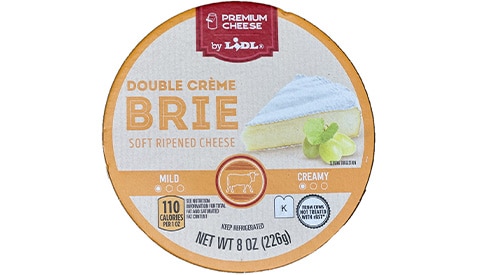
Recalled brie and camembert cheese

The FDA, along with CDC and state and local partners, is investigating a multistate outbreak of Listeria monocytogenes infections linked to Brie and Camembert soft cheese products manufactured by Old Europe Cheese, Inc. of Benton Harbor, MI, and sold at various retailers under multiple labels and brands, including Reny Picot.

Based on epidemiologic information provided by CDC, of the five patients with information available, four (80%) report eating Brie or Camembert cheese prior to illness. FDA, with assistance from the Michigan Department of Agriculture and Rural Development, initiated an inspection at the Old Europe Cheese, Inc. facility in Michigan, which included sample collection and analysis. Analysis of environmental samples collected at the facility showed the presence of Listeria monocytogenesWhole Genome Sequencing (WGS) analysis determined that the Listeria strain found in the facility matches the Listeria strain causing illnesses in this outbreak.

Old Europe Cheese, Inc. has voluntarily recalled multiple brands of Brie and Camembert cheeses produced at their Michigan facility in response to investigation findings. The firm has also halted production and distribution of their Brie and Camembert products from the Michigan facility and is working with FDA on corrective actions. Consumers, restaurants, and retailers should not eat, sell, or serve recalled products and should throw them away; this includes Best By Dates ranging from September 28, 2022 to December 14, 2022, and all flavors and quantities. A full list of recalled products and stores that potentially sold these products is available below and on the firm’s recall.

FDA’s investigation is ongoing to determine if additional products are potentially contaminated. Updates to this advisory will be provided as they become available.

Recommendation

Consumers, restaurants, and retailers should not eat, sell, or serve recalled products and should throw them away; this includes Best By Dates ranging from September 28, 2022 to December 14, 2022, and all flavors and quantities. A full list of recalled products and stores that potentially sold these products is available below and on the firm’s recall.

Retailers may have repackaged bulk Old Europe Cheese items into smaller containers and sold this repackaged product to consumers. This repackaged product may not bear the original labeling and product information. If you are unsure where your Brie or Camembert cheese is from, ask your retailer or throw it away.

Listeria is most likely to sicken pregnant people and their newborns, adults aged 65 or older, and people with weakened immune systems. Other people can be infected with Listeria, but they rarely become seriously ill.

Call your healthcare provider right away if you have these symptoms after eating Old Europe Cheese Inc. or Reny Picot brand Brie and Camembert products:

  • Pregnant people typically experience only fever, fatigue, and muscle aches. However, Listeria infection during pregnancy can lead to miscarriage, stillbirth, premature delivery, or life-threatening infection of the newborn.
  • People who are not pregnant may experience headache, stiff neck, confusion, loss of balance, and convulsions, in addition to fever and muscle aches.

Follow FDA’s safe handling and cleaning advice and use extra vigilance in cleaning and sanitizing any surfaces and containers that may have come in contact with these products to reduce the risk of cross-contamination, including retailers who repackaged bulk recalled cheese. Listeria can survive in refrigerated temperatures and can easily spread to other foods and surfaces.

Case Count Map Provided by CDC

CDC Case Count Map of Listeria monocytogenes: Brie and Camembert Soft Cheese Products

Case Counts

Total Illnesses: 6
Hospitalizations: 5
Deaths: 0
Last illness onset: August 5, 2022
States with Cases: CA, GA, MA, MI, NJ, TX
Product Distribution: Nationwide

Research – Collective food poisoning (TIAC) ​​with E. coli O157 producing Shiga toxins, associated with the consumption of raw cucumbers

Sante Publique

On September 9, 2021, the Regional Health Agency (ARS) of Hauts-de-France was informed of a suspicion of collective food poisoning (TIAC) ​​affecting half-board students, educated in several schools in a municipality. of the Lille metropolis. On September 13, 2021, two cases of hemolytic and uremic syndrome (HUS) were diagnosed in two hospitalized children attending school in this town. Public Health France Hauts-de-France was asked by the Hauts-de-France ARS to provide support for the investigations and management of this TIAC. A total of 35 cases of gastroenteritis, with bloody diarrhea and fever (>38°C) in half of the cases, were identified. Ten cases were hospitalized and two children developed HUS. The cases identified were half-board students in four school groups (29 cases), a parent of a student and elderly people benefiting from the municipality’s home meal delivery service (5 cases). The case canteens were all supplied by the central municipal kitchen. The shape of the epidemic curve was in favor of a common and point source of contamination during meals on September 2 or 3, 2021. The case-control survey, carried out in schools, concluded that only the consumption of cucumbers in salad, served with the meal on September 2, was statistically and significantly associated with the occurrence of the disease. A strain of E. highly pathogenic Shiga toxin-producing (STEC) O157 coli was isolated from the stool cultures of eight cases, including the two children who developed HUS and in the offending cucumber salad. Genomic analysis of the strains confirmed the genetic clustering of clinical and food strains that belonged to the same genomic cluster. The veterinary investigation revealed that a failure in the decontamination process, associated with incomplete peeling of the contaminated cucumbers, contributed to the occurrence of this TIAC. The cucumbers in question came from Belgium and the Belgian health authorities were informed via the dedicated European alert circuits. No other episodes of clusters of STEC infection related to this TIAC have been reported to the ARS over the period while cucumbers from the same batch had been widely distributed in communities and commercial catering services in the Hauts-de-France region. The food vehicle, incriminated in this TIAC, is part of the plants at risk because of its raw mode of consumption. It is important to remind vulnerable populations and collective catering services that preventing the risk of STEC infection, linked to the consumption of raw vegetables, requires washing, disinfection and peeling.

Research – Spread of Hepatitis A virus strains of genotype IB in several EU countries and the United Kingdom – including foodborne spread

ECDC

As of 29 September 2022, 303 cases with identical or closely related HAV strains have been identified in Austria (7), Germany (8), Hungary (161), the Netherlands (8), Slovenia (35), Sweden (8), and the UK (76). Currently available epidemiological and microbiological data suggest that human-to-human transmission has occurred, and possibly also transmission through contaminated food.

On 15 February 2022, Hungary reported an outbreak of HAV genotype IB with the disease onset of the first case in early December 2021. To date, 161 cases (139 males, 22 females) have been confirmed with this strain in the National Hepatitis Reference Laboratory in Hungary. The weekly number of reported hepatitis A cases have been declining since June 2022. Several infected people identified themselves as men who have sex with men (MSM), suggesting possible transmission among sexual contacts. Several patients have been hospitalised.

In July 2022, a foodborne outbreak was suspected with a link to a restaurant in Hungary, where 16 people fell ill with HAV IB infection. Some of the patients reported consuming cold soup made with frozen berries. In the UK, no clear source of infection has been identified, but epidemiological investigations so far indicate possible foodborne infections in addition to person-to-person transmission. Germany, the Netherlands, and Sweden have reported a total of nine cases infected with strains matching the sequences of the UK strain. Investigations of these cases didn’t find any clear risk factors for infection such as a travel history or consumption of berries. Further investigations are ongoing.

HAV is highly transmissible through contaminated water, food, and via the faecal–oral route among close contacts (e.g. household contacts, sexual contacts, and contacts in day-care centres or schools), with an average incubation period of four weeks, ranging from two to six weeks. The virus is highly resistant to environmental conditions as well as to several preservation methods like acidification or freezing. Therefore, possible food-borne transmission should be investigated when several cases are reported within a short period.

Practising good hand hygiene – including thoroughly washing hands with soap after using the bathroom, changing nappies, and before preparing or eating food – plays an important role in preventing the spread of hepatitis A. Scaling up surveillance to detect and investigate sporadic and clusters of cases possibly associated with foodborne transmission in collaboration with food safety authorities is essential.

MSM are at risk of HAV infection when engaging in sexual practices that facilitate faecal-oral transmission of the virus. Hepatitis A vaccination, which is safe and highly effective, is the main option for response in the context of the current circulation of HAV genotype IB among MSM. The World Health Organisation and most EU/EEA countries recommend hepatitis A vaccination for MSM.

Besides vaccination, other options can contribute to the prevention of transmission among MSM: the use of condoms for anal sex, which have the additional benefit of offering protection against other sexually transmitted infections and good personal hygiene (e.g. washing hands and genital areas before and after sex). For the provision of primary prevention advice, authorities should consider engaging with civil society, social media, media outlets and dating apps to raise awareness among MSM about the risk of contracting HAV and the importance of vaccination. MSM who have already contracted the infection should be referred to sexual health services for further testing.