Category Archives: Foodborne Illness

China – Authorities probe norovirus outbreak in residential community in E. China’s Shandong

Global Times

Norovirus Food Safety kswfoodworld

An investigation is underway after some residents, including children in a kindergarten in Ji’nan, East China’s Shandong Province, contracted the norovirus, according to the local authorities.

On March 11, some members of a residential community in Ji’nan, including some children from a kindergarten, were reported to be suffering syndromes of vomiting and diarrhea. District disease control and prevention personnel had taken samples of water, vomitus and related food for immediate further investigation.

Three children were sent to the hospital, but no severe cases were reported, and norovirus was detected in their vomit, the local authorities said on March 12.

The district education authority has temporarily closed the kindergarten and carried out a disinfection of its premises, and also taught children and parents on how to prevent norovirus infection.

Research – Behavioral Ethics and the Incidence of Foodborne Illness Outbreaks

Springer

Cognitive biases play an important role in creating and perpetuating problems that lead to foodborne illness outbreaks. By using insights from behavioural ethics, we argue that sometimes people engage in unethical behaviour that increases the likelihood of foodborne illness outbreaks without necessarily intending to or being consciously aware of it. We demonstrate these insights in an analysis of the 2011 Listeriosis outbreak in the U.S. from the consumption of contaminated cantaloupes. We then provide policy implications that can improve our understanding of other kinds of disease outbreaks and epidemics.

Sweden – Norovirus in Sweden linked to shrimp from Estonia

Food Safety News

Food Borne Illness - Norovirus -CDC Photo

Outbreaks of norovirus in Sweden linked to shrimp from Estonia may have affected about 100 people.

Reports from local authorities have not been fully compiled yet but based on preliminary information officials believe more than 100 people have fallen sick.

It is mostly local outbreaks at workplaces where people have eaten shrimp sandwiches or a popular product in Scandinavia called “smörgåstårta.” This food, also called a sandwich cake, looks like a cake but instead of sponge uses bread and often includes cheese, vegetables, cold meats and fish.

Peeled shrimps in brine from the implicated batch were mostly distributed within one region which was named by local media as Varnamo in Jönköping County in southern Sweden.

Nigeria – Study Shows 76% Of Germs On Ready-To-Eat Fruits Are Multidrug-Resistant

Tribune Online

CONSUMPTION of fresh cut, ready-to-eat fruits (FCFs) processed and vended in open markets in Nigeria may constitute human health risks, causing food-borne diseases, due to microbial contamination, a study warns.

In the study, researchers had assessed pineapple and watermelon, which are among the commonest ready-to-eat fruits retailed and consumed regularly, including samples of fruit wash water and vendors’ hand, and found them heavily infested with different germs.

India – Evolution of Organic Food Safety Standards in India

FNB News

Food safety is the key to achieve better public health. The high incidence of foodborne illness is a burden on public health and contributes significantly to the cost of health care. Though most of the foodborne illnesses are rare and often not reported in India, however, a nationwide study reported an alarming 13.2 per cent prevalence at the household level. Therefore there is a need for a comprehensive approach for safer and nutritious food for Indian citizens. Safer food promises a healthier lifestyle, longer lives, less costly healthcare and more resilient food industry.
The Indian food industry is regulated by the number of legislations covering licensing, sanitation, and permits. Food Safety and Standards Act 2006, established by the Government of India, was a vital step in the direction of developing the standards for food and regulating and monitoring the manufacture, processing, storage, distribution, sale, and import of food to ensure the availability of safe and nutritious food for human consumption.

Research – Moving Forward to the Future: A Review of Microbial Food Safety Education in China

Liebert Pub

Millions of foodborne illness cases occur in China annually, causing significant social and economic burdens. Improper food handling has been observed not only among commercial food handlers but also among residential food handlers. It is critical to conduct a comprehensive scoping review of previous efforts to identify food safety knowledge gaps, explore the factors impacting knowledge levels, and synthesize the effectiveness of all types of food safety educational interventions for commercial and residential food handlers in China. This review aims to analyze food safety education studies published over the past 20 years and provide foundations for developing more effective food safety educational interventions in China. A total of 35 studies were included in this review. Most studies reported that Chinese commercial and residential food handlers had insufficient food safety knowledge, especially in the areas of foodborne pathogens and safe food-handling practices. The factors impacting food handlers’ knowledge levels included education level, gender, income level, residency (rural vs. urban), the use of WeMedia, college students’ major, and food safety training experiences. Food handlers in the following demographic groups tend to have lower levels of food safety knowledge: lower education levels, the elderly, males, lower-income levels, rural residents, those who do not use WeMedia, those without food safety training experience, or college students in nonbiology-focused majors. Many food handlers did not always follow recommended food safety practices, such as proper meat handling practices, handwashing practices, and cleaning and sanitation practices. Thirteen studies evaluated the effectiveness of educational interventions, and knowledge increases were reported after all interventions. The findings of this review provide guidance to researchers, educators, and government agencies in their future efforts to develop education programs emphasizing the importance of microbial food-safety content and behavior change regarding food safety and hygiene practices.

USA – Outbreak Investigation of Listeria monocytogenes – Hispanic-style Fresh and Soft Cheeses (February 2021) – Update

FDA

The FDA, along with CDC and state and local partners, are investigating a multistate outbreak of Listeria monocytogenes infections linked to queso fresco cheeses made by El Abuelito Cheese, Inc.

On 2/19/2021, El Abuelito Cheese, Inc. announced their initial recall of products, and on 2/27/2021, they announced the expansion of their recall to cover additional products that are manufactured or handled in the same facility as the Queso Fresco products linked to this outbreak.

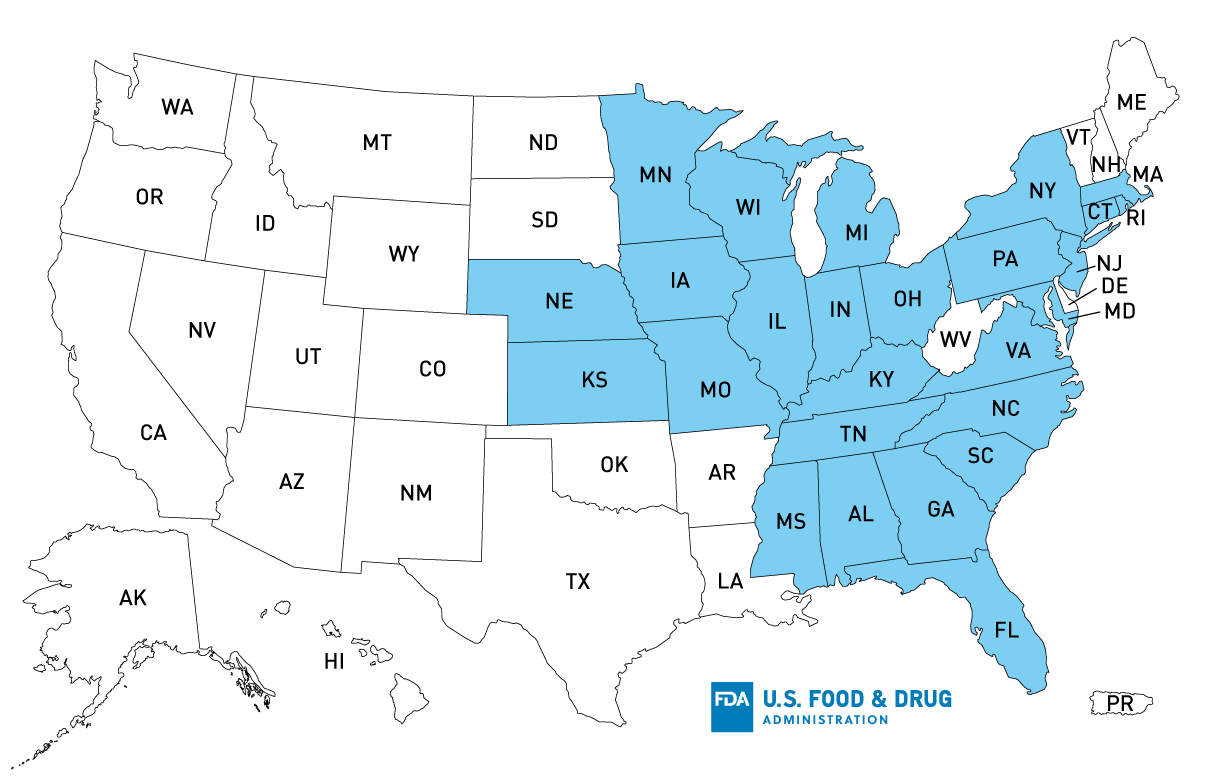
On 3/9/2021, the FDA received confirmation that recalled cheeses were also distributed to Rhode Island. States with confirmed distribution now include: AL, CT, FL, GA, IA, IL, IN, KS, KY, MA, MD, MI, MN, MO, MS, NC, NJ, NY, NE, OH, PA, RI, SC, TN, VA, and WI. View additional recall information.

Recommendation

Consumers, restaurants, and retailers should not eat, sell, or serve any recalled Queso Fresco, Quesillo (Oaxaca, string cheese), or Requeson (ricotta) cheeses.

Recalled brands by cheese type include:

  • Queso Fresco: El Abuelito, Rio Grande, Rio Lindo
  • Quesillo: El Abuelito, El Viejito, El Paisano, El Sabrosito, La Cima, Quesos Finos, San Carlos, Ideal Brands
  • Requeson: El Abuelito, El Viejito

FDA recommends that anyone who purchased or received any recalled Queso Fresco, Quesillo, or Requeson cheeses use extra vigilance in cleaning and sanitizing any surfaces and containers that may have come in contact with these products to reduce the risk of cross-contamination. Listeria can survive in refrigerated temperatures and can easily spread to other foods and surfaces.

Some of the recalled cheeses were sold in bulk quantities and could have been repackaged by retailers. Ask your retailer if any Queso Fresco or Quesillo cheese you buy was repackaged from the cheeses recalled by El Abuelito. If you are unable to obtain an answer, do not buy it and throw away the potentially recalled cheese you have at home.

If you are at higher risk for severe Listeria infection (if you are pregnant, aged 65 or older, or have a weakened immune system due to certain medical conditions or treatments), call your healthcare provider right away if you have these symptoms after eating any Queso Fresco, Quesillo, or Requeson cheeses produced by El Abuelito:

  • Pregnant people typically experience only fever, fatigue, and muscle aches. However, Listeria infection during pregnancy can lead to miscarriage, stillbirth, premature delivery, or life-threatening infection of the newborn.
  • People who are not pregnant may experience headache, stiff neck, confusion, loss of balance, and convulsions, in addition to fever and muscle aches.

Follow these five steps to clean your refrigerator, containers, and surfaces that may have touched the cheeses. Listeria can survive in the refrigerator and can easily spread to other foods and surfaces.



Product Images

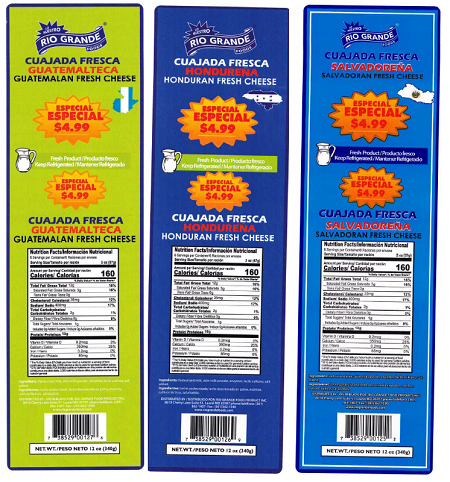
Sample Product Label from the Outbreak Investigation of Listeria monocytogenes in Hispanic-style Fresh and Soft Cheeses (February 2021) - Rio Grande
Sample Product Label from the Outbreak Investigation of Listeria monocytogenes in Hispanic-style Fresh and Soft Cheeses (February 2021) - Rio Lindo
Sample Product Label from the Outbreak Investigation of Listeria monocytogenes in Hispanic-style Fresh and Soft Cheeses (February 2021) - El Abuelito
Sample Product Label from the Outbreak Investigation of Listeria monocytogenes in Hispanic-style Fresh and Soft Cheeses (February 2021) - Chirilagua, Yorito

Recall Information

On 2/19/2021, El Abuelito Cheese, Inc. announced their initial recall of products, and on 2/27/2021, they announced the expansion of their recall to cover additional products. The recall announcements include the full product list and descriptions.

Consumers, restaurants, and retailers should not eat, sell, or serve any recalled Queso Fresco, Quesillo (Oaxaca, string cheese), or Requeson (ricotta) cheeses.

The firm’s recall does not include any additional products with the El Abuelito Cheese, Inc. label because they are not manufactured or handled in the same facility; this includes El Abuelito Meat, Inc., panela cheese, cotija cheese, mole, crema centroamericana, and crema mexicana. Updates will be provided as they become available.

FDA has posted lists of retailers that may have received Hispanic-styles cheeses from the El Abuelito Cheese, Inc. facility in Paterson N.J.  It is possible that these lists may not include all retailers who have received these cheeses; however, these lists represents the best information currently available to the FDA.

Map of U.S. Distribution of Recalled Queso Fresco, Quesillo, and Requeson Cheeseso

Map of U.S. Distribution of Recalled Queso Fresco, Quesillo, and Requeson Cheeseso as of March 9, 2021

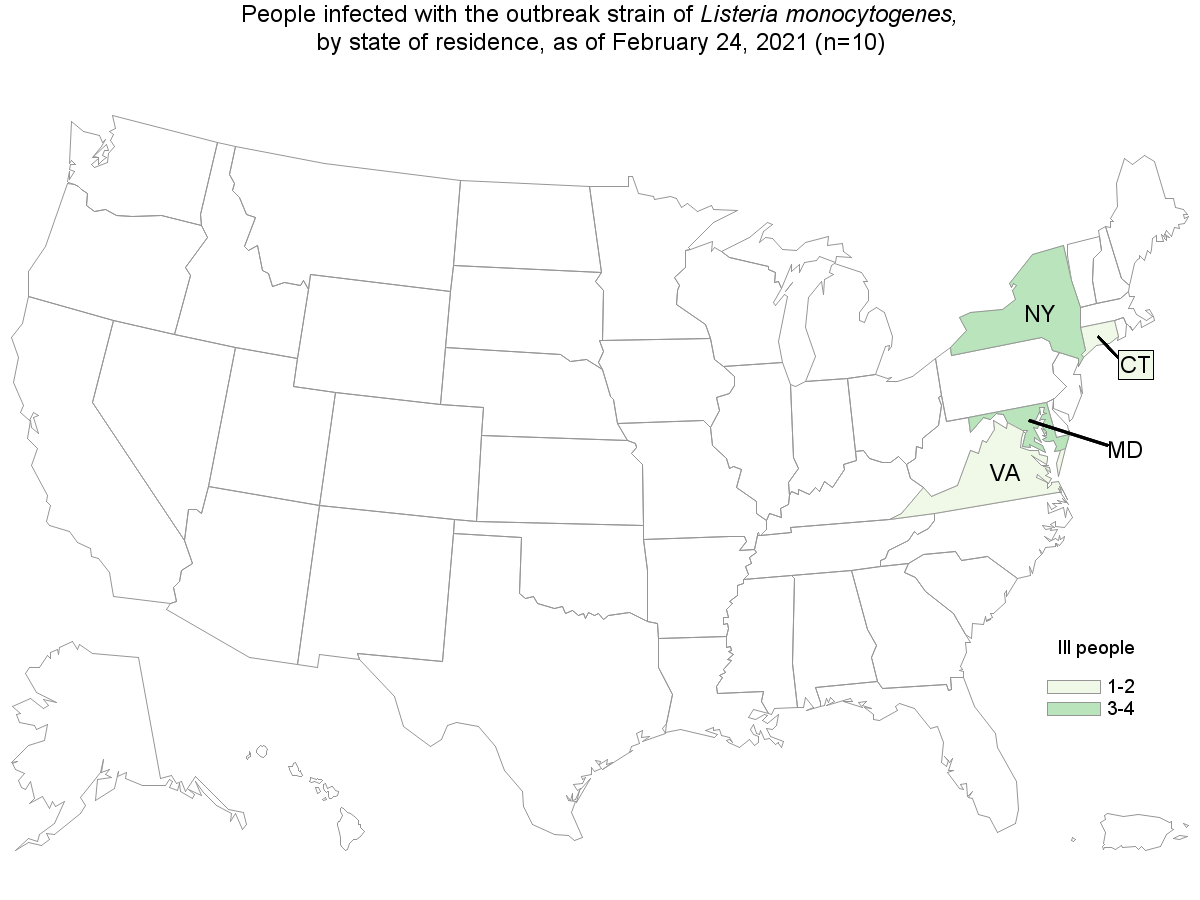
Case Count Map Provided by CDC

CDC Case Count Map for the Outbreak Investigation of Listeria monocytogenes in Hispanic-style Fresh and Soft Cheeses - 2/24/2021

Case Counts

Total Illnesses: 11
Hospitalizations: 10
Deaths: 1
Last Illness Date: 2/14/2021
States with Cases: CT (1), MD (4), NY (4), and VA (2)
Product Distribution*: AL, CT, FL, GA, IA, IL, IN, KS, KY, MA, MD, MI, MN, MO, MS, NC, NJ, NY, NE, OH, PA, RI, SC, TN, VA, WI
*States with confirmed distribution; product could have been distributed further

Norway – Norway reports Salmonella outbreak, 10 people hospitalised

Outbreak News Today

The Norwegian Institute of Public Health (NIPH) is reporting a Salmonella outbreak which is geographically spread over large parts of country.

Twenty cases have been reported–12 confirmed and 8 suspected cases. The same genetic profile have been detected in all 12 confirmed cases. Preliminary analyzes of samples from the 8 suspected cases indicate that these also carry the outbreak strain.

Those affected are aged from 11 to 91 years, median age is 59 years. 60% are women. The infected live in Viken (9), Oslo (3), Innlandet (2), Vestfold and Telemark (1), Agder (1), Rogaland (1), Vestland (1), Møre og Romsdal (1) and Nordland (1). 10 of the cases have been hospitalized.

“The infected live in many different counties. Therefore, we believe that they are infected through a food that is widely distributed”, says doctor Hilde Marie Lund at the department of infection control and emergency preparedness.

Research – Prevalence of Listeria species on food contact surfaces in Washington State apple packinghouses

PubMed

The 2014 caramel apple listeriosis outbreak was traced back to cross-contamination between food contact surfaces (FCS) of equipment used for packing and fresh apples. For Washington State, the leading apple producer in the U.S with 79% of its total production directed to the fresh market, managing the risk of apple contamination with Listeria monocytogenes within the packing environment is crucial. The objectives of this study were to determine the prevalence of Listeria spp. on FCS in Washington State apple packinghouses over two packing seasons, and to identify those FCS types with the greatest likelihood to harbor Listeria spp. Five commercial apple packinghouses were visited quarterly over two consecutive year-long packing seasons. A range of 27 to 50 FCS were swabbed at each facility to detect Listeria spp. at two timings of sampling, (i) post-sanitation and (ii) in-process (three hours of packinghouse operation), following a modified protocol of the FDA’s Bacteriological Analytical Manual method. Among 2,988 samples tested, 4.6% (n=136) were positive for Listeria spp. Wax coating was the unit operation from which Listeria spp. were most frequently isolated. The FCS that showed the greatest prevalence of Listeria spp. were polishing brushes, stainless steel dividers and brushes under fans/blowers, and dryer rollers. The prevalence of Listeria spp. on FCS increased throughout apple storage time. The results of this study will aid apple packers in controlling for contamination and harborage of L. monocytogenes and improving cleaning and sanitation practices of the most Listeria-prevalent FCS.IMPORTANCE Since 2014, fresh apples have been linked to outbreaks and recalls associated with post-harvest cross-contamination with the foodborne pathogen L. monocytogenes These situations drive both public health burden and economic loss and underscore the need for continued scrutiny of packinghouse management to eliminate potential Listeria spp. niches. This research assesses the prevalence of Listeria spp. on FCS in apple packinghouses and identifies those FCS most likely to harbor Listeria spp. Such findings are essential for the apple packing industry striving to further understand and exhaustively mitigate the risk of contamination with L. monocytogenes to prevent future listeriosis outbreaks and recalls.

Germany – Safe Food: Protecting against foodborne infections in communal facilities

BFR

In its updated leaflet, the German Federal Institute for Risk Assessment (BfR) provides recommendations for the preparation of meals in communal facilities that regularly cater for particularly vulnerable groups of people.

Foodborne infections particularly endanger young children, pregnant women and very old or sick people. “Errors in the selection and preparation of food can have serious consequences for particularly vulnerable people and even lead to death,” says Professor Dr. Dr. Andreas Hensel, President of the German Federal Institute for Risk Assessment (BfR). “With the BfR leaflet “Safe Food”, we would like to support community facilities in serving safe food to these particularly sensitive groups of people as well.”

Link to the leaflet:

Foodborne illness can occur when pathogens enter commercial kitchens via raw ingredients or infected staff, are spread by hygiene failures in kitchens, and enter prepared foods. Temperature errors contribute to the survival and multiplication of pathogens in food.

Avoiding pathogens such as salmonella or listeria is particularly important when catering for sensitive individuals. Good hygiene and the right choice of ingredients and recipes reduce foodborne infections. Adequate food quality, proper storage and preparation of food, and staff training are also essential.

Fruit and vegetables should be washed thoroughly and peeled if possible. Low-acid fruit, vegetables and leafy salads must be eaten immediately after cutting or should be kept in the refrigerator until consumption. To protect against listeriosis, it may be advisable to reheat raw, but also already heated, ready-to-eat food before serving.

Most pathogens are killed when the food is heated to 72 degrees for at least two minutes in all parts during cooking. This requirement should be followed to prepare safe food.

While bacteria are killed when heated, bacterial spores can survive high temperatures. Such spores are able to germinate and the vegetative bacteria can multiply and form toxins. Keeping food hot until it is served at a minimum of 60 degrees on all parts of the heated food can prevent spores from germinating and bacteria from multiplying.

Establishments that regularly cater for particularly vulnerable persons have a special responsibility when selecting their staff. They should be competent, experienced and regularly trained.