Category Archives: Foodborne Illness

Belgium – Amandex – Chocolate products (chocolate, chewing gum, sweets, biscuits, waffles) of the STRAUSS ELITE brand -Salmonella

AFSCA

05/04/2022 Recall of Amandex Products
: Chocolate products (chocolate, chewing gum, sweets, biscuits, waffles) of the STRAUSS ELITE brand
Problem: Possible presence of Salmonella.

In collaboration with the FASFC, AMANDEX is withdrawing chocolate products (chocolate, chewing gum, sweets, biscuits, waffles) from the STRAUSS ELITE company from sale and recalling them from consumers due to the possible presence of Salmonella.

AMANDEX asks its customers not to consume these products and to return them to the point of sale where they were purchased.

Description of products

– Chocolate products: chocolate, chewing gum, candies, cookies, waffles
– Brand: Elite Strauss
– Regardless of expiry date, batch number and nature of packaging

Complete list of recalled products (PDF)

The products were distributed in different points of sale:

Point of sale name /

Distribution chain name

Street + number Postal code Commune (city)
GROSZ CENTER BV J.JORDANSTRAAT 64 2018 ANTWERPEN
BAK. GOTTESFELD BV MERCATORSTRAAT 20 2018 ANTWERPEN
KATZ-HERSHKOVITZ ISABELLALEI 47 2018 ANTWERPEN
MANDL LAMORINIERESTRAAT 136 2018 ANTWERPEN
Super shop BV BELGIËLEI 151 2018 ANTWERPEN
BRAUN-HERSTIK DEVORA VAN DIEPENBEECKSTRAAT 63 2018 ANTWERPEN
CONVENIENCE LAMORINIÈRESTRAAT 199 2018 ANTWERPEN
Klein’s Voeding MERCATORSTRAAT 22 2018 ANTWERPEN
HOFFMAN ELIEZER LANGE KIEVITSTRAAT 58 2018 ANTWERPEN
PEREL SIMONSTRAAT 22 2018 ANTWERPEN
KING FOOD MANDEL LAMORINIERESTRAAT 25 2018 ANTWERPEN
HUIS VOOR DE JEUGD VZW. BRIALMONTLEI 48 2018 ANTWERPEN
FRESH FOOD (GROSZ). CHARLOTTELEI 25 2018 ANTWERPEN
FREEZE TOV VANDERKINDEREN STREET 381 1180 BRUSSELS
HAMAKOM SRL HENRI WAFELAERTS STREET 12 1060 BRUSSELS

For any additional information , please contact:
Madame MANDEL via GSM: 0476 447259 or via e-mail: AMANDEX.77@GMAIL.COM

Canada – Various Elite brand products recalled due to Salmonella

CFIA

Product
Various
Issue
Food – Microbial Contamination – Salmonella
What to do

Do not consume recalled products

Issue

The food recall warning issued on April 29, 2022 has been amended to correctly identify the affected products. The amendments for these products are marked by an asterisk (*) in the list at the link above.

Foodfest International 2000 Inc. is recalling various Elite brand products from the marketplace due to possible Salmonella contamination. Label information may appear in English or Hebrew.

The recalled products have been sold nationally.

Spain – Multinational monophasic Salmonella typhimurium outbreak caused by chocolate products

ACSA

This year the Report of the European Center for Disease Prevention and Control (ECDC) and the European Food Safety Authority (EFSA) on this outbreak related to Kinder chocolate products, produced by the Ferrero group, has been published. Given the wide distribution and durability of these products, and the increase in mobility due to the Easter holidays, the outbreak, of 212 cases, affects 5 European countries: France (59 cases), Belgium (54 cases), Germany (18 cases) , the United Kingdom (80 cases) and the Spanish State (1 case). There is even a case in the US.

The first patient was confirmed in the United Kingdom, on January 7, 2022, with a sampling date of December 21, 2021. On February 17, 2022, the United Kingdom, which had already carried out Whole Genome Sequencing (WGS), notified the ECDC of 18 cases of Salmonella typhimurium monophasic BURST Group 1 (eBG1).

Since the elaboration of the ECDC Report, new cases have been detected which are already taken into account in this writing. The ECDC and EFSA are working on an update of the outbreak assessment that is to be published in mid-May.

The most affected population have been children under 10 years of age and women. Many of the affected people have had to be hospitalized since they presented very serious symptoms.

The outbreak strain is resistant to six families of antibiotics: penicillin, aminoglycosides (streptomycin, kanamycin, gentamicin), phenicols, sulfonamides, trimethoprim, and tetracycline. Resistance to aminoglycosides, phenicols, and trimethoprim is rare in monophasic Salmonella typhimurium and can be used for detection of probable cases. It is susceptible to fluoroquinolones, azithromycin, and third-generation cephalosporins.

The chocolate was produced in Belgium and distributed in at least 113 countries. On April 10, 2022, the International Network of Food Safety Authorities (INFOSAN) launched a global alert. Salmonella Typhimurium identified single-phase in the buttermilk tanks of the Ferrero plant in Arlon, in December 2021 and in January 2022. After implementing hygiene measures and obtaining negative tests for salmonella, the Kinder products involved were distributed throughout Europe and throughout the world. However, on April 8, 2022, the Belgian food safety authority reported through RASFF that the investigation at the plant revealed that the management of the contamination carried out by the company did not ensure the healthiness of the products they produced. , for which he ceased its production. It also extended the recall of all batches manufactured at this facility, regardless of batch number and expiration date. The Luxembourg Public Prosecutor’s Office has opened an investigation.It should be noted that Ferrero has production plants in more countries (France, Germany, Poland, etc.), where microbiological tests are also being carried out, given that they share some suppliers. For example, the results obtained in the plant located in Germany are, at this point, all negative, and the cases detected are linked to products made in Belgium. The withdrawal of Ferrero products has been carried out in many countries, including in some where, for the moment, no cases have been declared, such as Canada. and the detected cases are linked to products made in Belgium. The withdrawal of Ferrero products has been carried out in many countries, including in some where, for the moment, no cases have been declared, such as Canada and the detected cases are linked to products made in Belgium. The withdrawal of Ferrero products has been carried out in many countries, including in some where, for the moment, no cases have been declared, such as Canada.

In the Spanish State, on April 6, products with expiration dates between May and August of this year were withdrawn from the market, as a precautionary measure.

Salmonella-contaminated foods are usually not altered in appearance, smell, or taste. 

Israel – Food poisoning suspected as three die at Holon shelter for people with disabilities

Times of Israel

A shelter for people with disabilities in Holon has come under scrutiny after three of its residents died one after the other within the last couple of days, apparently as a result of food poisoning.

A special team sent to the Beit Dafna shelter by the Health Ministry found severe deficiencies in its kitchen, according to reports Monday, and has instructed the staff to shut down the kitchen completely until the investigation is completed.

A few residents began feeling ill during the night between Saturday and Sunday, with some suffering from diarrhea.

According to Ynet, some 30 residents were affected by the incident and suffered from diarrhea and vomiting. However, most of them presented mild symptoms.

Initial findings pointed to possible food poisoning, the Health Ministry stated, without providing further details.

According to a report by the Walla news site, a professional team from the Welfare and Social Affairs Ministry was also sent to the shelter in order to provide the staff with further assistance.

The team will remain at the facility until the Health Ministry completes its investigation, the report said.

India – 16-year-old student dies of food poisoning in Kerala, 40 others hospitalised

The News Minute

A 16-year-old girl died and at least 40 other students were hospitalised on Sunday, May 1, due to suspected food poisoning from an eatery in Kerala’s Kasaragod. The girl, identified as Devananda of Karivellur in Kannur district, had eaten chicken shawarma on Friday from a food outlet called Ideal Food Point at Neeleswaram in Kasargod.

State Food and Civil Supplies Department, in a statement, said that the outlet, which was functioning without proper license from the department, has been sealed and the District Collector directed to conduct an investigation. State Health Minister Veena George has ordered a comprehensive inquiry into the incident.

USA – 21 suspected with Salmonella in Israel linked to Straus Chocolates shipped Worldwide

Food Poison Journal

Salmonella contamination seems to be widespread within the factory with 30 samples positive for Salmonella out of 300 taken.

According to the Globes, there are so far 21 cases of suspected Salmonella infections from the Straus Elite factory in Nof Hagalil. The connection has not yet been confirmed although samples have been taken from 16 of the patients and results will be received in the coming few days. Six of the suspected salmonella patients required hospitalization.

Meanwhile the Ministry of Health has published a series of flaws in the way the Elite Nof Hagalil factory operated, and which likely led to the introduction of Salmonella. One customer had already reported that there was possibly Salmonella in their Elite chocolate, but no tests were conducted by the factory following the complaint. Pigeons had entered the factory several months ago and could have been the source of the contamination. Among other things, the Ministry of Health found that the factory’s quality control team had undergone changes over the past year and there was temporarily no food safety manager at the factory.

In the U.S., according to the Miami Herald, the recall notice includes a full list of products. The products went mainly to stores in Florida, California, New York, New Jersey and Connecticut and were sold online by Amazon, Passover.com, Fresh Direct and other retailers.

USA – FDA Investigation of Cronobacter Infections: Powdered Infant Formula (February 2022)

FDA

If you want to check if your powdered formula is part of the recall, you can enter the product lot code on the bottom of your package on the company’s websiteExternal Link Disclaimer.

If you have questions or need information about the recall, you can Submit Questions/Get Assistance.

If your infant is experiencing symptoms related to Cronobacter infection, such as poor feeding, irritability, temperature changes, jaundice, grunting breaths, or abnormal body movements; contact your health care provider to report their symptoms and receive immediate care.

To report an illness or adverse event, you can

The U.S. Food and Drug Administration (FDA), along with the Centers for Disease Control and Prevention (CDC) and state and local partners are investigating consumer complaints and/or reports of infant illness, received from 9/20/2021 to 1/11/2022, related to products from Abbott Nutrition’s Sturgis, MI, facility. The four ill patients are reported to have consumed powdered infant formula produced from Abbott Nutrition’s Sturgis, MI, facility.

Following the voluntary recall and hold of certain powdered infant formula products produced at the Abbott Nutrition facility in Sturgis, MI, Abbott has committed to completing enhanced testing of stored product batches prior to making release determinations. While the FDA recognizes that Abbott has conducted standard product testing, there were a limited number of samples tested. Additionally, although finished product testing does not eliminate the risk of contamination, the enhanced testing will provide for a greater chance to detect Cronobacter sakazakii, if present; however, this enhanced level of testing will take additional time.

In the meantime, the FDA has informed Abbott Nutrition that the agency has no objection to the company immediately releasing product to individuals needing urgent, life-sustaining supplies of the specialty and metabolic formulas listed below on a case-by-case basis. The FDA is concerned that the risk of not having certain specialty and metabolic products available could significantly worsen underlying medical conditions and in some cases pose life-threatening risks for infants and individuals who rely on these products. In these circumstances, the benefit of allowing parents, in consultation with their healthcare providers, to access these products may outweigh the potential risk of bacterial infection.

Abbott has confirmed with the FDA that the company will consider release of these products on a case-by-case basis, depending on product availability and the severity of the individual’s need. Patients and caregivers seeking access to these products should contact Abbott directly to request that a product be made available to them by calling 1-800-881-0876.

It is important for parents and caregivers to understand that any products released on a case-by-case basis at this time were made at Abbott Nutrition’s Sturgis, MI, facility, and that the processes, procedures, and conditions that the FDA observed during its inspection of the Sturgis MI production facility from January 31 – March 3, 2022, raise concerns that powdered infant formula produced at this facility prior to the FDA’s inspection carry a risk of contamination. Therefore, those seeking access should consult with their healthcare provider in considering whether the benefit of consuming such product outweighs the potential risk of bacterial infection in the user’s particular circumstances. Parents and caregivers should continue to work with their medical provider to consider whether comparable alternative products may be appropriate.

Parents and caregivers who obtain these products should carefully follow Abbott’s preparation instructions as indicated on the product container. Should product released on a case-by-case basis be used, parents and caregiver should pay close attention to the user’s health status and alert a healthcare provider immediately of any change in health status. In the meantime, the FDA is continuing to work diligently to ensure the safe resumption of production of infant formula at Abbott Nutrition’s Sturgis, Michigan facility.

Specialty and Metabolic Formulas that may be Released on a Case-By-Case Basis:

  • Glutarex-1
  • Glutarex-2
  • Cyclinex-1
  • Cyclinex-2
  • Hominex-1
  • Hominex-2
  • I-Valex-1
  • I-Valex-2
  • Ketonex-1
  • Ketonex-2
  • Phenex-1
  • Phenex-2
  • Phenex-2 Vanilla
  • Pro-Phree
  • Propimex-1
  • Propimex-2
  • ProViMin
  • Calcilo XD
  • Tyrex-1
  • Tyrex-2
  • Similac PM 60/40

Recommendation

The FDA is advising consumers not to use recalled Similac, Alimentum, or EleCare powdered infant formulas. Recalled products can be identified by the 7 to 9 digit code and expiration date on the bottom of the package (see image below). Products are included in the recall if they have all three items below:

  • the first two digits of the code are 22 through 37 and
  • the code on the container contains K8, SH, or Z2, and
  • the expiration date is 4-1-2022 (APR 2022) or later.

In addition to products described above, Abbott Nutrition has recalled Similac PM 60/40 with a lot code 27032K80 (can) / 27032K800 (case). At this time, Similac PM 60/40 with lot code 27032K80 (can) / 27032K800 (case) is the only type and lot of this specialty formula being recalled. Additional recall information for the initial recall is available on the FDA website. Parents can also enter their product lot code on the company’s websiteExternal Link Disclaimer to check if it is part of the recall.

Additional information for parents and caregivers of infants receiving medical specialty infant formulas and individuals using certain medical foods is available below.

Additional Information for Parents and Caregivers:

The recalls do not include liquid formula products.

Parents and caregivers should never dilute infant formula and should not make or feed homemade infant formula to infants. Consumers should also avoid purchasing imported formula through online sales, as it has the potential to be counterfeit.

If your regular formula is not available, contact your child’s healthcare provider for recommendations on changing feeding practices.

If you get infant formula through WIC, do not throw the formula out. Instead, you should take it to the store for a refund and exchange or call the company at 1-800-986-8540 to help you. WIC recipients should be able to obtain a different brand of similar formula. Call your local WIC clinic for more guidance. Also see:

More information on Cronobacter and infant formula is available on CDC’s website.

Recalled powdered infant formulas have the potential to be contaminated with Cronobacter, a bacterium that can cause severe foodborne illness primarily in infants. Cronobacter infections are rare but are especially high risk for newborn infants (see symptoms below).

Cronobacter bacteria can cause severe, life-threatening infections (sepsis) or meningitis (an inflammation of the membranes that protect the brain and spine). Symptoms of sepsis and meningitis may include poor feeding, irritability, temperature changes, jaundice (yellow skin and whites of the eyes), grunting breaths, and abnormal body movements. Cronobacter infection may also cause bowel damage and may spread through the blood to other parts of the body.

If your child is experiencing any of these symptoms, you should notify your child’s healthcare provider and seek medical care for your child immediately. Healthcare providers and health departments are encouraged to report any confirmed cases of Cronobacter sakazakii to CDC.

Canada – Outbreak of Norovirus and gastrointestinal illnesses linked to raw oysters from British Columbia is over.

PHAC

The Public Health Agency of Canada collaborated with federal and provincial public health partners, the United States Centres for Disease Control and Prevention (U.S. CDC), and the U.S. Food and Drug Administration to investigate an outbreak of norovirus and gastrointestinal illnesses involving five provinces: British Columbia, Alberta, Saskatchewan, Manitoba and Ontario. The outbreak appears to be over and the outbreak investigation has been closed.

Investigation findings identified consumption of raw oysters from British Columbia as the source of the outbreak. As a result, some oyster harvesting areas in British Columbia that were associated with the outbreak were closed as a part of the investigation.

The Canadian Food Inspection Agency (CFIA) issued several food recalls throughout February, March, and April. Links to each food recall associated with this investigation can be found at the end of this public health notice.

The outbreak investigation is an important reminder to Canadians and businesses that raw oysters can carry harmful germs that can lead to foodborne illness if not properly handled and cooked prior to consuming.

Investigation Summary

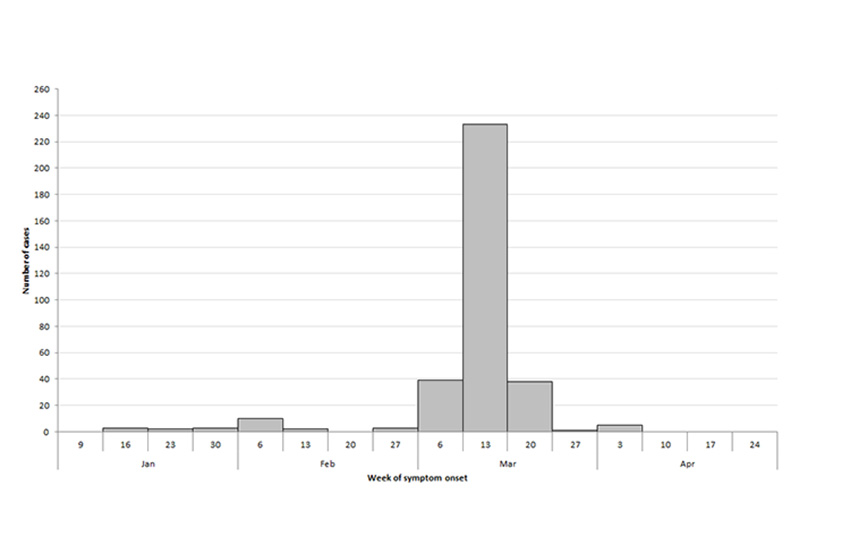
In total, 339 confirmed cases of norovirus and gastrointestinal illness were reported in the following provinces: British Columbia (301), Alberta (3), Saskatchewan (1), Manitoba (15) and Ontario (19). Individuals became sick between mid-January and early April 2022, and no deaths were reported.

Some oyster harvest areas in British Columbia that were associated with illnesses in the outbreak were closed as a part of the investigation. The CFIA issued several food recalls throughout February, March, and April. For more information on the recalled products, please consult the Government of Canada’s Recalls and Safety Alerts website.

The U.S. CDC also investigated a multistate norovirus outbreak linked to raw oysters from British Columbia.

Who is most at risk

Acute gastrointestinal illnesses such as norovirus illness are common in North America and are very contagious, affecting all age groups. However, pregnant women, people with compromised immune systems, young children and the elderly are at risk for developing more serious complications, like dehydration.

What you should do to protect your health

Raw oysters contaminated with noroviruses may look, smell and taste normal. The following safe food-handling practices will reduce your risk of getting sick:

  • Do not eat, use, sell, or serve any recalled oysters.
  • Avoid eating raw or undercooked oysters. Cook oysters to an internal temperature of 90° Celsius (194° Fahrenheit) for a minimum of 90 seconds before eating.
  • Discard any oysters that did not open while cooking.
  • Eat oysters right away after cooking and refrigerate leftovers.
  • Always keep raw and cooked oysters separate to avoid cross-contamination.
  • Do not use the same plate or utensils for raw and cooked shellfish, and wash counters and utensils with soap and warm water after preparation.
  • Wash your hands well with soap before and after handling any food. Be sure to clean and sanitize cutting boards, counters, knives and other utensils after preparing raw foods.

Noroviruses can be transmitted by ill individuals and are able to survive relatively high levels of chlorine and varying temperatures. Cleaning and disinfecting practices are the key to preventing further illnesses in your home.

  • Thoroughly clean contaminated surfaces, and disinfect using chlorine bleach, especially after an episode of illness.
  • After vomiting or diarrhea, immediately remove and wash clothing or linens that may be contaminated with the virus (use hot water and soap).
  • If you have been diagnosed with norovirus illness or any other gastrointestinal illness, do not prepare food or pour drinks for other people while you have symptoms, and for the first 48 hours after you recover.

Symptoms

People with norovirus illness usually develop symptoms of gastroenteritis within 24 to 48 hours, but symptoms can start as early as 12 hours after exposure. The illness often begins suddenly. Even after having the illness, you can still become re-infected by norovirus.

The main symptoms of norovirus illness are:

  • diarrhea
  • vomiting (children usually experience more vomiting than adults)
  • nausea
  • stomach cramps

Other symptoms may include:

  • low-grade fever
  • headache
  • chills
  • muscle aches
  • fatigue (a general sense of tiredness)

Most people feel better within one or two days, with symptoms resolving on their own, and experience no long-term health effects. As with any illness causing diarrhea or vomiting, people who are ill should drink plenty of liquids to replace lost body fluids and prevent dehydration. In severe cases, patients may need to be hospitalized and given fluids intravenously. If you have severe symptoms of norovirus, consult your healthcare provider.

What the Government of Canada is doing

The Government of Canada is committed to food safety. The Public Health Agency of Canada leads the human health investigation of an outbreak and is in regular contact with its federal and provincial partners to monitor and take collaborative steps to address outbreaks.

Health Canada provides food-related health risk assessments to determine whether the presence of a certain substance or microorganism poses a health risk to consumers.

The CFIA conducts food safety investigations into the possible food source of an outbreak. CFIA also monitors for biotoxins in shellfish in harvesting areas and is responsible for registering and inspecting fish and shellfish processing plants. The CFIA may recommend that affected sites or areas be opened or closed based on epidemiological information, sample testing results and/or relevant harvest area information.

Fisheries and Oceans Canada is responsible for opening and closing shellfish harvest areas, and enforcing closures under the authority of the Fisheries Act and the Management of Contaminated Fishery Regulations.

Under the Canadian Shellfish Sanitation Program, Environment and Climate Change Canada monitors pollution sources and sanitary conditions in shellfish growing waters.

The Government of Canada will continue to update Canadians as new information related to this investigation becomes available.

Epidemiological information

Figure 1 is an epidemiological curve for this outbreak, which shows the numbers of new cases by week. Outbreak investigators use this information to show when illnesses begin, when they peak, and when they trail off. It can take several weeks from the time a person becomes ill to when the illness is reported and linked to the outbreak. Data are available for 339 cases.

Figure 1: Reported number of cases of norovirus or acute gastrointestinal illness associated with exposures to oysters, by week

text description below

Figure 1: Text description

Additional information

Investigation history

Public Health Notice: April 8, 2022

Public Health Notice: March 31, 2022

Media Contact

Public Health Agency of Canada
Media Relations
613-957-2983
media@hc-sc.gc.ca

Public Inquiries

Call toll-free: 1-866-225-0709
Email: info@hc-sc.gc.ca

Report a problem or mistake on this page
Date modified:


Sweden – Ferrero expands its recall of Kinder products – Salmonella

Livsmedelsverket

Ferrero is expanding its recall of Kinder products made in Arlon, Belgium with three more products: Kinder Happy moments mini mix, Kinder maxi and Kinder Schokobons. This in connection with ongoing salmonella investigations. 

Kinder Chocolate Salmonella Outbreaks hits 151 – mostly children – now 1 ill in United States

Food Poison Journal

On 27 March 2022, WHO was informed by the IHR National Focal Point of the United Kingdom of Great Britain and Northern Ireland (the United Kingdom) of a widely distributed cluster of Salmonella enterica serovar Typhimurium (S. Typhimurium) with an unidentified source. Molecular typing confirmed isolation of the bacteria S. Typhimurium sequence typing (ST) 34 and epidemiological evidence has subsequently linked the outbreak to chocolate products from Belgium, which, as of 25 April 2022, have been found to be distributed to at least 113 countries and territories1 across all WHO Regions

Monophasic S. Typhimurium matching the human outbreak cases were identified in buttermilk tanks at the Ferrero Corporate plant in Arlon, Belgium in December 2021 and January 2022. After implementing hygiene measures and negative Salmonella testing, the implicated products (all Kinder products manufactured at the implicated facility (Arlon) including Kinder Surprise, Kinder Mini Eggs, Kinder Surprise Maxi 100g and Kinder Schoko-Bons) were distributed across Europe and globally.

According to the analyses of the United Kingdom Health Security Agency (UKHSA), the outbreak strain is resistant to six types of antibiotics: penicillins, aminoglycosides (streptomycin, spectinomycin, kanamycin, and gentamycin), phenicols, sulfonamides, trimethoprim, tetracyclines.

As of 25 April 2022, a total of 151 genetically related cases of S. Typhimurium suspected to be linked to the consumption of the implicated chocolate products have been reported from 11 countries (Figure 1): Belgium (26 cases), France (25 cases), Germany (10 cases), Ireland (15 cases), Luxembourg (1 case), the Netherlands (2 cases), Norway (1 case), Spain (1 case), Sweden (4 cases), the United Kingdom (65 cases) and the United States of America (1 case).