Category Archives: Food Toxin

Research – Survival and Histamine Production by Histamine-Forming Bacteria Exposed to Low Doses of Gamma Irradiation

JFP

ABSTRACT

Histamine poisoning occurs when fish containing high amount of histamine are consumed. Because histamine is thermally stable, control of histamine-forming bacteria in seafood is an appropriate strategy for preventing the formation of histamine. One prevention method is the use of gamma irradiation on the histamine formers. To understand the effect of gamma irradiation on the histamine-forming bacteria, laboratory isolates of the prolific histamine formers Morganella morganii, Klebsiella variicola, and Proteus vulgaris were exposed to various doses of gamma radiation in nutrient broth and tuna muscle spiked with histamine formers. None of the test bacteria survived in tuna muscle irradiated at 2.0 kGy. K. variicola was highly sensitive to gamma irradiation and was eliminated at a dose of 1.5 kGy. Histamine production also was reduced significantly as the radiation dose increased. These results suggest that gamma irradiation can effectively eliminate histamine-forming bacteria and reduce the threat of histamine poisoning from seafood.

HIGHLIGHTS
  • Histamine-forming bacteria are highly susceptible to low levels of gamma irradiation.
  • Prolific histamine formers in tuna meat were eliminated by irradiation at 2.0 kGy.
  • Irradiation at 1.5 kGy reduced the level of histamine formers in tuna meat by 4 to 5 log CFU.
  • Histamine formation in tuna meat can be controlled by low levels of gamma irradiation.

Research – Salmonella Dublin Makes Inroads In The Beef Industry

BV


Salmonella Dublin (S. Dublin) issues tend to garner more headlines today in the dairy industry than in beef, but it’s still an issue in the latter, says Jackson McReynolds.

The first reported incidence of S. Dublin in beef that McReynolds says he found recorded in literature was in California in 2014, though veterinarians have told him they identified cases of it as early as the 1960s.

France – Leader Price brand 350g pistachios – Mycotoxin

Oulah

wow, product recall, product recall, consumption, consumer, danger, health, product safety

ENCOUNTERED PROBLEM

Possible presence of a mycotoxin

PROPOSED SOLUTION

Do not consume and return to the point of sale for reimbursement.

FURTHER INFORMATION

▸ Barcode
3263853011112

▸ DLC
07/26/2020

▸ Lot
14: 49

▸ Contact customer service
For any further information, you can contact the customer service by dialing the Toll Free Number: 0 800 35 00 00 (service and call free) from Monday to Friday from 8:30 am to 6:00 pm

▸ Source
https: //www.leaderprice.fr/


Japan – Over 3,400 students and teachers suffer food poisoning near Tokyo – Update – E.coli ?

Japan Times

More than 3,400 elementary and junior high school students and teachers have contracted food poisoning at 15 schools near Tokyo due to school lunches, local authorities said Thursday.

Students started to complain of food poisoning symptoms such as diarrhea and abdominal pain on June 26 after they ate school lunches including fried chicken and seaweed salad at their schools in Yashio, Saitama Prefecture.

Concluding that the food poisoning was caused by school lunches supplied by lunch deliverer Tobu Kyushoku Center, the prefectural government ordered the company to suspend use of its kitchens for three days.

As the number of students suffering food poisoning increased, 377 students were absent from schools on Monday, though none of them were in serious condition.

E. coli bacteria was detected in the feces of some patients by a local health center.

New Zealand – Shellfish biotoxin alert

MPI

North Island warnings

Hawke Bay

Reason for alert Paralytic shellfish poisoning (PSP)

Date warning issued 2 July 2020

Media release

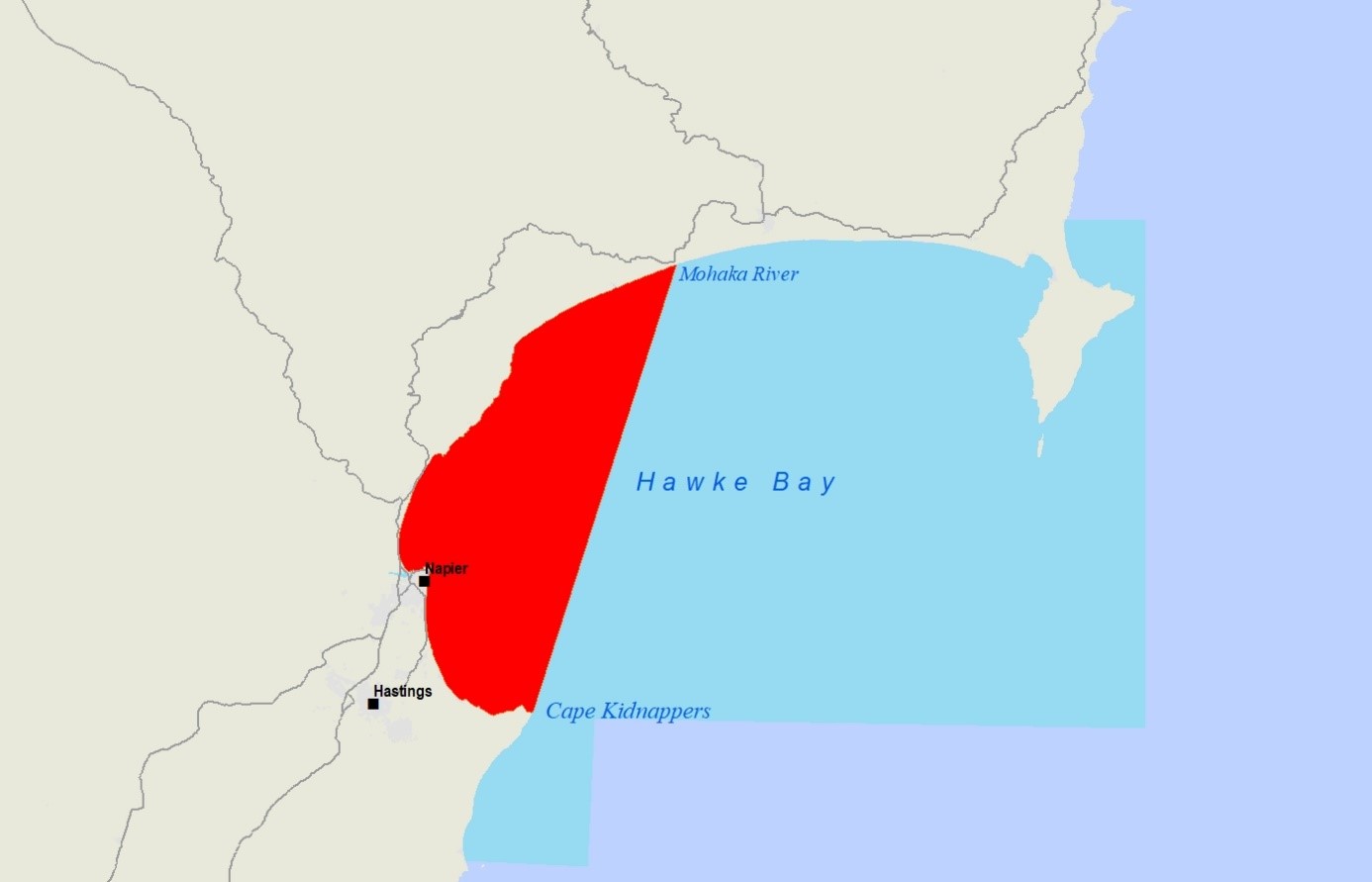
Affected area From Cape Kidnappers to the Mohaka River mouth, Hawke Bay
Shellfish affected Mussels, oysters, tuatua, pipi, toheroa, cockles, scallops, catseyes, kina (sea urchin) and all other bivalve shellfish.

Note, cooking shellfish does not remove the toxin.

Pāua, crab and crayfish may still be eaten if the gut has been completely removed prior to cooking, as toxins accumulate in the gut. If the gut is not removed its contents could contaminate the meat during the cooking process.

Symptoms Symptoms typically appear between 10 minutes and 3 hours after ingestion and may include:

  • numbness and a tingling (prickly feeling) around the mouth, face, and extremities (hands and feet)
  • difficulty swallowing or breathing
  • dizziness
  • headache
  • nausea
  • vomiting
  • diarrhoea
  • paralysis and respiratory failure and in severe cases, death.
Other information Paralytic shellfish toxins have been detected in shellfish at levels over the safe limit of 0.8mg/kg set by MPI. Ongoing testing will continue and any changes will be communicated accordingly.

Map of the affected area

Map showing the affected area
Map from Cape Kidnappers to the Mohaka River mouth, Hawke Bay.


Japan -Food poisoning hits some 3,500 in Japan’s Yashio city schools

Reuters

TOKYO (Reuters) – Almost 3,500 teachers and students at more than a dozen public schools in Japan’s Yashio city have become sick with diarrhoea and stomach pains in a mass food poisoning outbreak.

Saitama prefecture said on Thursday that 3,453 people in 15 elementary and middle schools in Yashio, a city of 92,000 just north of Tokyo, had been affected after eating a lunch supplied by the TQC cooperative on June 26.


RASFF Alerts – Aflatoxin – Ochratoxin A -Soya Chunks – Dried Figs – Groundnuts

RASFF-Logo

RASFF – aflatoxins (B1 = 6.9 µg/kg – ppb) and ochratoxin A (60 µg/kg – ppb) in soya chunks from India, via the United Kingdom in Switzerland

RASFF – aflatoxins (Tot. = 13 µg/kg – ppb) in diced dried figs from Turkey in France

RASFF – aflatoxins (B1 = 6.8; Tot. = 8.2 / B1 = 7.4; Tot. = 8.4 µg/kg – ppb) in groundnuts from Egypt in the Netherlands

South Korea – E. coli infections tied to kindergarten south of Seoul rise to 58

YNA

SEOUL, June 29 (Yonhap) — The number of people infected with a strain of E. coli bacteria in connection to a kindergarten just south of Seoul reached 58, one more from the previous day, health authorities said Monday.

Health authorities have widened a probe into the E. coli outbreak in Ansan, about 50 kilometers south of the capital, since a kindergarten student first showed symptoms of illness on June 12.

As of 6 p.m. Sunday, 114 students and their family members showed suspected symptoms, according to the Korea Centers for Disease Control and Prevention (KCDC).

Of 21 hospitalized patients, 16 people, including 14 students, showed symptoms of hemolytic uremic syndrome (HUS), a type of E. coli that can cause kidney failure. Of them, four are undergoing dialytic therapy.

Research – Effects of oilseed substrates (ground nyjer and flax seeds) on the growth and Ochratoxin A production by Aspergillus carbonarius

Wiley Online

Aspergillus carbonarius is one of the major Ochratoxin A (OTA) producing fungus. Nyjer and flax seeds are important oilseeds that are used for both human and animal consumption, but they are highly susceptible to fungal growth and mycotoxin contamination. The objectives of this study were to determine the growth and OTA production by A. carbonarius on ground nyjer and flax seeds with water activity levels ranging from 0.82 to 0.98 aw at three incubation temperatures (20, 30, 37°C). It was found that A. carbonarius was not able to grow on the two types of oilseeds with 0.82 or 0.86 aw. Also, the fungus was not able to grow on flax seeds with high water activity (0.98 aw). The OTA was only detected on flax seed samples with 0.94 aw at 20°C. On nyjer seeds, the highest concentration of OTA (271 μg/kg) was detected from samples with 0.98 aw incubated at 20°C for 5 days, while on flax seeds the highest OTA (146 μg/kg) was found on the seed samples with 0.94 aw incubated at 20°C for 15 days. Linear regression models also indicated that 0.98 aw was optimal for both fungal growth and OTA production on nyjer seeds. Overall, ground nyjer seed is better than flax seed to support growth and OTA production by A. carbonarius .

Research -Exposure Assessment of Multiple Mycotoxins in Black and White Sesame Seeds Consumed in Thailand

JFP

ABSTRACT

This study was conducted to determine the occurrence of 16 well-recognized and emerging mycotoxins in black and white sesame seed samples sold in Thailand and to evaluate possible health risks to consumers. Samples were extracted and cleaned with a modified QuEChERS procedure. Multiple mycotoxins in sesame seed samples were analyzed with a validated liquid chromatography–tandem mass spectrometry method. The risk of mycotoxin exposure via dietary intake of sesame seeds was evaluated based on the hazard quotient, margin of exposure (MOE), and quantitative liver cancer risk established by European Food Safety Authority, the Food and Agriculture Organization of the United Nations, and the World Health Organization. Of the 200 samples, 21.5% were contaminated with mycotoxins, 19.5% were contaminated with a single mycotoxin, and 2% were contaminated with multiple mycotoxins. Although 9% of total samples were contaminated with aflatoxins (AFs), only one black sesame seed sample and one white sesame seed sample were above the regulatory limits for the European Union (2 μg/kg). The MOE values derived from consumption of black and white sesame seeds were generally <10,000, especially in the group consuming the most. The number of liver cancer cases over a lifetime associated with AFB1 exposure based on the upper bound values for the group consuming high level of black and white sesame seeds (97.5 percentile) was estimated at more than 1 case per one million persons. Therefore, a potential risk to consumer health exists through the consumption of black and white sesame seeds and subsequent exposure to AFB1. However, further evaluation with larger sample sizes is necessary for more accurate calculations. Continuous monitoring of mycotoxin contamination in sesame seeds with risk assessments is recommended.

HIGHLIGHTS
  • Beauvericin, sterigmatocystin, and aflatoxins are frequently found in sesame seed samples.
  • Mycotoxin contamination in most samples was below European Union stipulations.
  • A potential risk to consumer health exists through consumption of sesame seeds.
  • Evaluation of mycotoxin contamination is important to maintain consumer safety.