Category Archives: Food Poisoning

RASFF Alerts – Aflatoxin – Roasted Curry Powder – Groundnuts – Almonds – Roasted Hazelnuts

kswfoodworld food safety poisoning

RASFF-aflatoxins (B1 = 11 µg/kg – ppb) in roasted curry powder from Sri Lanka in Switzerland

RASFF-aflatoxins (B1 = 7.5; Tot. = 9.2 µg/kg – ppb) in groundnuts from Egypt in the Netherlands

RASFF-aflatoxins (Tot. = 24 µg/g) in almonds from the United States in Spain

RASFF-aflatoxins (B1 = 20.1; Tot. = 23.7 µg/kg – ppb) in roasted hazelnuts from Turkey in the UK

RASFF-aflatoxins (B1 = 10.98 µg/kg – ppb) in diced roasted hazelnuts from Turkey in Germany

RASFF-aflatoxins (B1 = 66.81; Tot. = 75.45 µg/kg – ppb) in inshell groundnuts from China in Poland

RASFF-aflatoxins (B1 = 32; Tot. = 44 µg/kg – ppb) in groundnut kernels from Argentina in the Netherlands

RASFF-aflatoxins (B1 = 24 µg/kg – ppb) in almonds from the United States in Spain

RASFF-aflatoxins (B1 = 3.4; Tot. = 4 µg/kg – ppb) in blanched groundnut kernels from China in France

USA – Las Vegas: Suspect norovirus illness at Westgate Resort & Casino investigated

Outbreak News Today Norovirus Food Safety kswfoodworld

The Southern Nevada Health District (SNHD) is investigating a suspect norovirus outbreak among employees and guests of the Westgate Las Vegas Resort & Casino. Local media reports that nearly 20 people have been sickened.

As part of the investigation, health officials are conducting a survey to gather information and assist  in determining the extent of illness.

Norovirus is a highly contagious viral illness that often goes by other names, such as viral gastroenteritis, stomach flu, and food poisoning.

Denmark – Homemade food responsible for botulism outbreak in Denmark

Food Safety News 


An outbreak of foodborne botulism in Denmark, with six confirmed cases, has been linked to a homemade dish served at a private party in June.

Fødevarestyrelsen (Danish Veterinary and Food Administration) said a sample from the homemade dish was positive with botulinum toxin type A. The same type was identified in the patients.

All six confirmed infections and one possible case attended a private party in Danish town Sønderborg in June and were later hospitalized. DVFA said investigations are ongoing to find out how the toxin developed in the dish.

Statens Serum Institut (SSI), an agency under the Danish Ministry of Health, confirmed the diagnosis in patients. A statement from DVFA reported the agency took samples for analysis from leftovers at the private households involved.

“Since it was a homemade dish served at a private party, it is outside of our jurisdiction to take action. With homemade dishes, it is very hard to fully investigate, since we don’t have the same data as with in a professional kitchen,” the agency told Food Safety News.

Ireland- Increase in food poisoning cases

Irish Health 


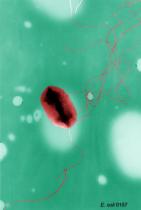
People are being urged to take extra care when handling and preparing food as there has been an increase in E.coli infections in recent weeks.

E.coli is a bacterium that lives in the intestines of healthy humans and animals. Verocytotoxigenic Escherichia coli (VTEC) is a particular type of E.coli that lives in the gut of healthy sheep and cattle. VTEC is a common cause of food poisoning, which can lead to symptoms such as bloody diarrhoea and abdominal cramps.

While patients usually recover within five to 10 days, some people, especially young children and older people, can suffer a complication called haemolytic uraemic syndrome (HUS), in which the red blood cells are destroyed and the kidneys fail. This happens in 5-8% of cases.

According to the Health Protection Surveillance Centre (HPSC), almost 100 cases of VTEC have been notified over the last 10 days, which is three times higher than the figure for this time last year.

It is reminding people of the importance of always washing your hands before and after handling food, and always washing fruit and vegetables before consuming.

It is also reminding people of the importance of ensuring that minced meats are cooked all the way through.

“Eating meat, especially minced beef, that has not been thoroughly cooked all the way through to kill these VTEC bugs can cause food poisoning. Therefore, to ensure that minced meat burgers are safe to eat, they should be cooked to a core temperature of 75°C.

“VTEC can also be found in the stools of an infected person and can be passed from person to person if hygiene or hand-washing habits are inadequate. This is particularly common among toddlers who are not toilet trained. Family members and playmates of these children are at high risk of becoming infected,” the HPSC said.

According to the HSE’s assistant national director of public health, Dr Kevin Kelleher, while investigations have not identified a specific reason for the increase in VTEC infections, the current good weather probably has a role to play.

“We would like to remind people to be careful about food safety during this heatwave to protect themselves against food poisoning. This hot weather provides the right conditions for bacteria such as VTEC to grow and multiply on foods, which can lead to high numbers of cases of food poisoning in adults and children.

“Not washing hands after handling raw meat, not washing fruits and vegetables and undercooking minced meats, such as beef burgers, are common ways of getting food poisoning at this time of year,” he commented.

The HPSC and Safefood recommends four simple steps to reduce the risk of food poisoning:

-Clean – always wash your hands before and after preparing, handling and eating food, after using the toilet or after playing with animals
-Cook – make sure that food is cooked all the way through in order to destroy any harmful bacteria that might be present
-Chill – keep food cool in order to prevent bad bacteria from growing. Make sure that your fridge is at the correct temperature to keep cold foods chilled (5°C or below)
-Separate – to prevent cross-contamination, always separate raw and cooked foods during storage and cooking and never let raw food, for example raw meat, come into contact with ready-to-eat foods, such as salads.


USA – Charlotte: Dozens seek medical care for Shigella linked to birthday party cookout

Outbreak News Today 220px-Shigella_stool

Mecklenburg County, NC health officials say that nearly half of the 100 attendees of an East Charlotte cookout last weekend have sought medical care for “complaints of stomach problems”.

UK – Precautionary advice on cooking frozen vegetables following Europe-wide Listeriosis outbreak

FSA

The Food Standards Agency, Food Standards Scotland, Public Health England and Health Protection Scotland are reminding people that most frozen vegetables, including sweetcorn, need to be cooked before eating. This includes if adding them to salads, smoothies or dips.

People should always follow manufacturers’ instructions when preparing their food. If the product is not labelled as “ready to eat”, the cooking instructions should always be followed before eating the food hot or cold.

Frozen sweetcorn is the likely source of an ongoing outbreak of listeriosis affecting five European countries including the United Kingdom. Listeriosis is a rare but serious foodborne illness caused by the bacterium Listeria monocytogenes that can be more serious for those individuals who have weakened immune systems and also the elderly, pregnant women and infants.

New Zealand – Do not eat or collect shellfish from Akaroa Harbour – DSP

MPI

The Ministry for Primary Industries (MPI) today issued a public health warning advising the public not to collect or consume shellfish harvested for the entire Akaroa Harbour in Canterbury.

Routine tests on shellfish samples taken from Akaroa Harbour have shown levels of diarrhetic shellfish toxins above the safe limit of 0.16 mg/kg set by MPI.  Anyone eating shellfish from this area is potentially at risk of illness.

Ongoing testing will continue and we’ll let you know if the situation changes.

Mussels, oysters, tuatua, pipi, toheroa, cockles, scallops, catseyes, kina (sea urchin) and all other bivalve shellfish should not be eaten.

Note, cooking shellfish does not remove the toxin.

Pāua, crab and crayfish may still be eaten if the gut has been completely removed prior to cooking, as toxins accumulate in the gut. If the gut is not removed its contents could contaminate the meat during the cooking process.

Symptoms typically appear within half an hour of ingestion and last for about 24 hours. Symptoms may include:

  • diarrhoea
  • vomiting
  • nausea
  • abdominal cramps

If anyone becomes ill after eating shellfish from an area where a public health warning has been issued phone Healthline for advice on 0800 61 11 16, or seek medical attention immediately. You are also advised to contact your nearest public health unit and keep any leftover shellfish in case it can be tested.

Note, commercially harvested shellfish – sold in shops and supermarkets, or exported – is subject to strict water and flesh monitoring programmes by MPI to ensure they are safe to eat.

Find out more

USA – Texas officials report dozens sick from parasitic infections – Cyclospora

Food Safety News cyclo

Texas officials warned the public Monday about a seasonal increase in infections from Cyclospora parasites, reporting there have been 56 confirmed cases since the beginning of May.

Neither this week’s outbreak notice nor a June 21 health advisory from the Texas State Department of Health Services (DSHS) referenced an ongoing cyclosporiasis outbreak in four other states. At least 185 people are infected in that outbreak, which is associated with trays of pre-cut fresh vegetables from Del Monte. 

Europe – Listeria monocytogenes: update on foodborne outbreak

EFSA kswfooworld

Frozen corn and possibly other frozen vegetables are the likely source of an outbreak of Listeria monocytogenes that has been affecting Austria, Denmark, Finland, Sweden, and the United Kingdom since 2015.

Experts used whole genome sequencing to identify the food source, which initially was thought to be limited to frozen corn. As of 8 June 2018, 47 cases including nine deaths had been reported.

The same strains of L. monocytogenes have been detected in frozen vegetables produced by the same Hungarian company in 2016, 2017 and 2018. This suggests that the strains have persisted in the processing plant despite the cleaning and disinfection procedures that were carried out.

The available information confirms the contamination at the Hungarian plant. However, further investigations, including thorough sampling and testing, are needed to identify the exact points of environmental contamination at the Hungarian plant. The same recommendation applies to other companies belonging to the same commercial group if environmental contamination is detected.

On 29 June 2018, the Hungarian Food Chain Safety Office banned the marketing of all frozen vegetable and frozen mixed vegetable products produced by the affected plant between August 2016 and June 2018, and ordered their immediate withdrawal and recall. This last measure is likely to significantly reduce the risk of human infections and contain the outbreak. All freezing activity at the plant has been stopped.

New cases could still emerge due to the long incubation period of listeriosis (up to 70 days); the long shelf-life of frozen corn products; and the consumption of frozen corn bought before the recalls and eaten without being cooked properly.

To reduce the risk of infection, consumers should thoroughly cook non ready-to-eat frozen vegetables, even though these products are commonly consumed without cooking (e.g. in salads and smoothies). This applies especially to consumers at highest risk of contracting listeriosis – such as the elderly, pregnant women, new-borns and adults with weakened immune systems.

Technical Report

Multi-country outbreak of Listeria monocytogenes serogroup IVb, multi-locus sequence type 6, infections linked to frozen corn and possibly to other frozen vegetables – first update


Ukraine – Ukraine reports 53 botulism cases this year, 4 deaths

Outbreak News Today 


The Ministry of Health of Ukraine reported today (computer translated) on an additional botulism case in the Kherson region from late June. The patient was treated with Botulism Antitoxin and is currently stable.
This brings the total botulism cases since the beginning of the year to 53, including four fatalities.


As of July 1, 2018, antitoxin (serum against botulism) is available in a specialized warehouse of the State Enterprise “Ukrvaktsina Ministry of Health of Ukraine”. These are high-quality Canadian medicines procured by the United Nations Development Program (UNDP) and transferred to Ukraine as humanitarian aid. This year the Ministry of Health of Ukraine first included antitoxins against botulism in the list of medicines procured by the state and will conduct a centralized procurement through international organizations.

Food borne botulism is a severe intoxication caused by eating the preformed toxin present in contaminated food.