RASFF-histamine (581 mg/kg – ppm) in sardinae fillets in oil from Tunisia in Italy
RASFF-histamine (3035 mg/kg – ppm) in frozen yellowfin tuna from Indonesia in Switzerland

RASFF-Diarrhoeic Shellfish Poisoning (DSP) toxins (346 µg/kg – ppb) in live dog cockles (Glycymeris glycymeris) from France in France
Posted in food bourne outbreak, food contamination, Food Hygiene, Food Illness, Food Micro Blog, Food Microbiology, Food Microbiology Blog, Food Pathogen, Food Poisoning, food recall, Food Safety, Food Safety Alert, foodborne outbreak, foodbourne outbreak, Listeria, Listeria monocytogenes, outbreak, Uncategorized
Fears over the deadly listeria strain of bacteria have sparked a recall of popular frozen vegetable products from supermarket shelves across Australia.
Belgium-based company Greenyard Frozen Belgium NV has recalled the frozen vegetables – which include frozen corn, carrot, broccoli and mixed vegetable bags – from Woolworths, IGA and ALDI stores.
The recall comes after a number of listeria deaths in Europe in the past three years.
The European Food Safety Authority said there had been nine deaths among 47 cases of listeria since an outbreak in 2015, the ABC reported.
Posted in food bourne outbreak, food contamination, food death, Food Hygiene, Food Illness, Food Inspections, Food Micro Blog, Food Microbiology, Food Microbiology Blog, Food Pathogen, Food Poisoning, food recall, Food Safety, Food Safety Alert, Food Testing, Foodborne Illness, foodborne outbreak, Listeria, Listeria monocytogenes, Uncategorized
A Massachusetts restaurant has been shut down until further notice after nearly 40 people reported getting sick during a suspected salmonella outbreak.
The North Reading Board of Health says the state Public Health Department received complaints from 39 people who said they got sick at Kitty’s last month. The state confirmed nine cases of salmonella and 30 suspected cases.
The source of the outbreak was traced to the antipasto salad and possibly the house salad dressing.
The restaurant was closed July 5 and allowed to reopen Friday after sanitization.
ANNAPOLIS, Md. (AP) — The health department is warning Marylanders to avoid fresh Venezuelan crab meat after several reports of illness.
News outlets report the Maryland Department of Health has confirmed at least nine cases of Vibrio infections linked to consumption of fresh, unpasteurized crab meat from Venezuela.
No one has died, but two of the nine confirmed cases have resulted in hospitalization.
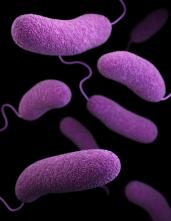
Vibrio bacteria can cause diarrhea, abdominal cramping, vomiting, fever and chills.
The imported crab meat is sold in plastic tubs under different brand names.
THERE have been four confirmed cases of conch poisoning and as many as six unconfirmed cases, Health Minister Duane Sands announced yesterday.
According to Dr Sands, the exposure took place in the previous 72 to 96 hours with a number of the patients affected having eaten at Potter’s Cay.
Noting that an outbreak of conch poisoning is something the country can “ill afford” right now, Dr Sands was adamant the issue can be easily mitigated if proper hygiene is maintained.
Four cases have been confirmed via laboratory testing but Dr Sands said there are a number of unconfirmed cases – “possibly as many as six” awaiting laboratory results. He added the affected people are being treated at both Doctors Hospital and Princess Margaret Hospital, and so far, all the self-identified patients are Bahamian.
Conch poisoning is caused by vibrio parahaemolyticus, a bacteria which requires salt water to live. According to Dr Sands, when ingested, vibrio bacteria can cause watery diarrhoea, which is usually accompanied by abdominal cramping, vomiting, fever, nausea, and chills.
These symptoms often occur within 24 hours of ingestion and last about three days. He added that severe illness is “rare” and typically occurs in people with a “weakened” immune system.
The last major outbreak of conch poisoning occurred in the 1990s, around 1991 and 1999, Dr Sands said. He added that there were more than 1,100 cases of vibrio parahaemolyticus poisoning during that era.
The health minister was also adamant the issue is not with the conch meat itself.
“Vibrio is not an issue of the meat itself. Vibrio is a bacteria that ordinarily lives in seawater and is a part of the surface of the conch. The conch meat itself is not infected with vibrio parahaemolyticus. So you can wash it off. So, testing the conch meat itself is not the issue.
More than 200 people have reported falling ill with suspected food poisoning after a graduation ceremony at the Royal College of Art.
Public Health England (PHE) said on Wednesday it is investigating the causes of the stomach sickness after the event at the prestigious London university.
Musician Peter Gabriel received an honorary degree at the Royal Albert Hall ceremony attended by hundreds of students and their families on Friday and many went to a buffet at the university afterwards.
RCA chief operating officer Richard Benson said: “We have received reports from approximately 200 students, guests and staff who suffered gastrointestinal illness over the weekend following the college buffet reception on Friday.
“This was clearly very unfortunate, and for some of the students and their families was a really unpleasant end to what should have been a day of celebration at the end of the academic year.”
In an email to students, he added “the symptoms appear consistent with food poisoning”.
KYOTO — A total of 621 inmates recently suffered food poisoning at Kyoto Prison, the municipal government announced on July 4.
Men from the ages of 26 to 76 suffered symptoms such as diarrhea and stomachaches from the morning of June 28 after food was cooked in the kitchen by 24 inmates. A total of 1,132 inmates and others had meals made at the kitchen at the time.
Posted in Food Poisoning, Uncategorized

RASFF -Diarrhoeic Shellfish Poisoning (DSP) toxins (260 µg/kg – ppb) in live mussels (Mytilus edulis) from Sweden in Sweden