Category Archives: Food Poisoning

Research – Whole Genome Sequencing Characterization of Shiga Toxin–Producing Escherichia coli Isolated from Flour from Swiss Retail Markets

Journal of Food Protection

ABSTRACT

Shiga toxin–producing Escherichia coli (STEC) strains are often found in food and cause human infections. Although STEC O157:H7 is most often responsible for human disease, various non-O157 subtypes have caused individual human infections or outbreaks. The importance of STEC serogroup typing is decreasing while detection of virulence gene patterns has become more relevant. Whole genome sequencing (WGS) reveals the entire spectrum of pathogen information, such as toxin variant, serotype, sequence type, and virulence factors. Flour has not been considered as a vector for STEC; however, this product has been associated with several STEC outbreaks in the last decade. Flour is a natural product, and milling does not include a germ-reducing step. Flour is rarely eaten raw, but the risks associated with the consumption of unbaked dough are probably underestimated. The aim of this study was to determine the prevalence of STEC in flour samples (n = 93) collected from Swiss markets and to fully characterize the isolates by PCR assay and WGS. The prevalence of STEC in these flour samples was 10.8% as indicated by PCR, and a total of 10 STEC strains were isolated (two flour samples were positive for two STEC subtypes). We found one stx2-positve STEC isolate belonging to the classic serogroups frequently associated with outbreaks that could potentially cause severe disease. However, we also found several other common or less common STEC subtypes with diverse virulence patterns. Our results reveal the benefits of WGS as a characterization tool and that flour is a potentially and probably underestimated source for STEC infections in humans.

HIGHLIGHTS
  • Several STEC serotypes, including O26, were isolated from 8 (8.6%) of 93 flour samples.

  • STEC isolates from flour had a variety of virulence patterns.

  • Flour is a probably underestimated source of STEC infections in humans.

  • WGS for STEC characterization is more comprehensive than common serotyping.

Research – Conditions at the time of inoculation influence survival of attenuated Escherichia coli O157:H7 on field-inoculated lettuce

Science Direct

Highlights

Higher percentages of E. coli–positive plants recovered when inoculation was closer to harvest.

Higher relative humidity and leaf surface wetness were measured during night inoculation.

Short-term smaller initial population declines were observed after night inoculation.

E. coli population sizes were similar 2 or more days after night or day inoculation.

Probability of detecting E. coli was higher for longer times when inoculated at higher levels.

Abstract

The impact of plant development, environmental conditions at the time of inoculation, and inoculum concentration on survival of attenuated BSL1 Escherichia coli O157:H7 strain ATCC 700728 on field-grown romaine lettuce was evaluated over 3 years. E. coli 700728 was inoculated onto 4- and 6-week-old romaine lettuce plants in the Salinas Valley, CA, at night or the next morning with either low (5 log) or high (7 log) cell numbers per plant to simulate a single aqueous contamination event. At night, when leaf wetness and humidity levels were high, E. coli cell numbers declined by 0.5 log CFU/plant over the first 8–10 h. When applied in the morning, E. coli populations declined up to 2 log CFU/plant within 2 h. However, similar numbers of E. coli were retrieved from lettuce plants at 2 and 7 days. E. coli cell numbers per plant were significantly lower (P < 0.05) 7 days after application onto 4-week-old compared to 6-week-old plants. E. coli 700728 could be recovered by plating or enrichment from a greater proportion of plants for longer times when inoculated at high compared with low initial concentrations and after inoculation of 6-week-old plants compared with 4-week-old plants, even at the low initial inoculum. A contamination event near harvest or when leaf wetness and humidity levels are high may enhance survivability, even when low numbers of E. coli are introduced.

RASFF Alerts – Ochratoxin A – Raisins – Pistachios – Raisin Fruit Filling – Dried Grapes –

RASFF-Logo

RASFF – ochratoxin A (20.6 µg/kg – ppb) in raisins from Turkey in the UK

RASFF – ochratoxin A (71 µg/kg – ppb) in pistachios from the United States in the Netherlands

RASFF – ochratoxin A (18 µg/kg – ppb) in raisins from Turkey in France

RASFF – ochratoxin A (19.7 µg/kg – ppb) in raisin fruit filling from the Czech Republic in the Czech Republic

RASFF – ochratoxin A (17 µg/kg – ppb) in dried grapes from Turkey in France

RASFF – ochratoxin A (53 µg/kg – ppb) in pistachios from the United States in the Netherlands

RASFF Alerts – Aflatoxin – Blanched Groundnuts – Shelled Peanuts – Nutmeg – Peanuts

RASFF-Logo

RASFF – aflatoxins (B1 = 11.0; Tot. = 12.7 µg/kg – ppb) in blanched groundnut kernels from China in the UK

RASFF – aflatoxins (B1 = 204; Tot. = 244 µg/kg – ppb) in shelled peanuts from Angola in Portugal

RASFF – aflatoxins (B1 = 12; Tot. = 12 µg/kg – ppb) in nutmeg from Indonesia in the Netherlands

RASFF – aflatoxins (B1 = 7.1; Tot. = 8.6 µg/kg – ppb) in peanuts from Brazil in Spain

RASFF Alert – E.coli – Live Cockles

RASFF-Logo

RASFF – too high count of Escherichia coli (13000 MPN/100g) in live cockles from France in France


RASFF Alert – Foodborne Outbreak -Salmonella enterica ser. Enteritidis – Eggs

RASFF-Logo

RASFF – foodborne outbreak suspected to be caused by Salmonella enterica ser. Enteritidis in eggs from Poland in Austria

New Zealand – Shellfish biotoxin alert – Taranaki/Waikato coastline

MPI

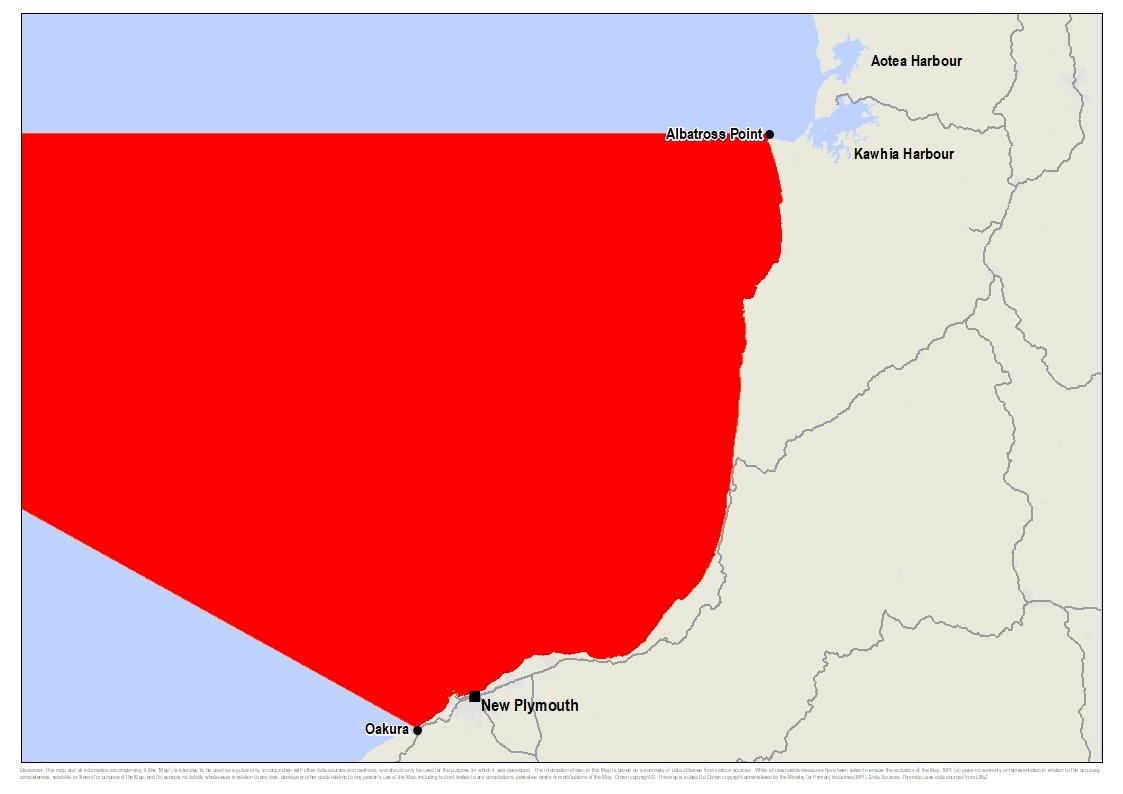
The Ministry for Primary Industries (MPI) today issued a public health warning advising the public not to collect or consume shellfish harvested on the West Coast (Taranaki/Waikato) of the North Island between Oakura north to Albatross Point south of Kawhia Harbour.

Routine tests on shellfish samples taken from this region have shown levels of Paralytic Shellfish Poisoning (PSP) toxins above the safe limit of 0.8 mg/kg set by MPI. Anyone eating shellfish from this area is potentially at risk of illness.

Map highlighting in red the areas affected.

Mussels, oysters, tuatua, pipi, toheroa, cockles, scallops, catseyes, kina (sea urchin) and all other bivalve shellfish should not be eaten.

Note: Cooking shellfish does not remove the toxin.

Pāua, crab and crayfish may still be eaten if the gut has been completely removed prior to cooking, as toxins accumulate in the gut. If the gut is not removed its contents could contaminate the meat during the cooking process.

UK – Listeria cases being investigated An investigation is underway into cases of listeria linked to sandwiches. Update Sixth person dead

Gov.uk

Latest update

The multi-agency team investigating cases of listeriosis linked to sandwiches and salads can confirm that, since the last update, there has been another death linked to this outbreak. The total number of deaths linked to this outbreak is 6.

The individual who sadly died was one of the 9 previously confirmed cases. The individual is considered to have acquired listeriosis from Good Food Chain products while at Western Sussex Hospitals NHS Foundation Trust.

Public Health England continues to test all samples of listeria on an ongoing basis to check if they are linked to this outbreak. To date, we have tested 34 samples and none are linked to the outbreak.

There have been no new cases of listeriosis linked to this outbreak. Our investigations continue and the public should be reassured that the risk continues to be low.

RASFF Alerts – Duck Carcases – Chicken Inner Fillet – Breaded Chicken Strips – Sesame Seeds – Black Pepper – Crocodile Burger – Chicken Breast Cordon Bleu – Chicken Legs

RASFF-Logo

RASFF – Salmonella (presence /25g) in ducks carcasses from the Czech Republic in Poland

RASFF – Salmonella enterica ser. Enteritidis (presence /25g) in frozen chicken inner fillet from Poland, via the United Kingdom in France

RASFF – Salmonella (presence /25g) in frozen breaded chicken strips from Poland in France

RASFF – Salmonella (in 2 out of 5 samples /25g) in black pepper from Brazil in the Netherlands

RASFF – Salmonella (presence /25g) in sesame seeds from Sudan in Greece

RASFF – Salmonella (presence /25g) in sesame seeds from Ethiopia in Greece

RASFF – Salmonella (presence /25g) in frozen crocodile burger from Belgium in Belgium

RASFF – Salmonella enterica ser. Infantis (in 5 out of 5 samples /25g) in frozen chicken breast cordon bleu from Germany in Finland

RASFF – Salmonella enterica ser. Derby (presence /25g) in chilled chicken legs from Poland in Lithuania

RASFF – Salmonella (presence /25g) in sesame seeds from Sudan in Poland

RASFF – Salmonella (presence /25g) in sesame seeds from Nigeria, via Singapore in the Netherlands

New Zealand – Shellfish biotoxin alerts – Hawkes Bay

MPI

The Ministry for Primary Industries (MPI) today issued a public health warning advising the public not to collect or consume shellfish harvested from the Hawkes Bay Coast between Mahanga Beach south to Porangahau Beach.

Routine tests on shellfish samples taken from this region have shown levels of Paralytic Shellfish Poisoning (PSP) toxins above the safe limit of 0.8 mg/kg set by MPI. Anyone eating shellfish from this area is potentially at risk of illness.

Map highlighting in red the areas affected.

Mussels, oysters, tuatua, pipi, toheroa, cockles, scallops, catseyes, kina (sea urchin) and all other bivalve shellfish.

Note, cooking shellfish does not remove the toxin.

Pāua, crab and crayfish may still be eaten if the gut has been completely removed prior to cooking, as toxins accumulate in the gut. If the gut is not removed its contents could contaminate the meat during the cooking process.