Category Archives: Food Poisoning

USA – FDA Releases Investigation Report Following Fall 2020 Outbreak of E. coli O157:H7 Illnesses Linked to Leafy Greens

FDA

As part of our ongoing efforts to combat foodborne illness, today the U.S. Food and Drug Administration published a report on the investigation into the Fall 2020 outbreak of Shiga Toxin-Producing E. coli (STEC) O157:H7 illnesses linked to the consumption of leafy greens grown in the California Central Coast. The report describes findings from the investigation, as well as trends that are key to understanding leafy green outbreaks that are linked to the California Central Coast growing region, specifically encompassing the Salinas Valley and Santa Maria growing areas every fall since 2017.

We released our preliminary findings earlier this year that noted this investigation found the outbreak strain in a sample of cattle feces collected on a roadside about a mile upslope from a produce farm. This finding drew our attention once again to the role that cattle grazing on agricultural lands near leafy greens fields could have on increasing the risk of produce contamination, where contamination could be spread by water, wind or other means. In fact, the findings of foodborne illness outbreak investigations since 2013 suggest that a likely contributing factor for contamination of leafy greens has been the proximity of cattle. Cattle have been repeatedly demonstrated to be a persistent source of pathogenic E. coli, including E. coli O157:H7.

Considering this, we recommend that all growers be aware of and consider adjacent land use practices, especially as it relates to the presence of livestock, and the interface between farmland, rangeland and other agricultural areas, and conduct appropriate risk assessments and implement risk mitigation strategies, where appropriate. Increasing awareness around adjacent land use is one of the specific goals of the Leafy Greens Action Plan we released last March, which we’re also announcing is being updated today to include new activities for 2021.

During our analysis of outbreaks that have occurred each fall since 2017, we have determined there are three key trends in the contamination of leafy greens by E. coli O157:H7 in recent years: a reoccurring strain, reoccurring region and reoccurring issues with activities on adjacent land. The 2020 E. coli O157:H7 outbreak associated with leafy greens represents the latest in a repeated series of outbreaks associated with leafy greens that originated in the Central Coast of California (encompassing Salinas Valley and Santa Maria) growing region.

In the investigation, the FDA recommends that growers of leafy greens in the California Central Coast Growing Region consider this reoccurring E. coli strain a reasonably foreseeable hazard, and specifically of concern in the South Monterey County area of the Salinas Valley. It is important to note that farms covered by the Food Safety Modernization Act (FSMA) Produce Safety Rule are required to implement science and risk-based preventive measures in the rule, which includes practices that prevent the introduction of known or reasonably foreseeable hazards into or onto produce.

The FDA also recommends that the agricultural community in the California Central Coast growing region work to identify where this reoccurring strain of pathogenic E. coli is persisting and the likely routes of leafy green contamination with STEC. Specifically, we have outlined specific recommendations in our investigation report for growers in the California Central Coast leafy greens region. Those recommendations include participation in the California Longitudinal Study and the California Agricultural Neighbors workgroup. When pathogens are identified through microbiological surveys, pre-harvest or post-harvest testing, we recommend growers implement industry-led root cause analyses to determine how the contamination likely occurred and then implement appropriate prevention and verification measures.

We issued the Leafy Green Action Plan last year to foster a more urgent and collaborative approach to preventing leafy greens outbreaks caused by STEC. We have updated our plan for 2021 to include a renewed emphasis on actions to help prevent contamination from adjacent land, to include new actions that build on the accomplishments and learnings from the 2020 plan, and to renew our commitment to actions that were difficult to accomplish in 2020 due to challenges presented by the COVID-19 pandemic.

The FDA has made significant progress on our Leafy Greens Action Plan this year by enhancing prevention strategies, improving response activities by the agency and other entities, and identifying and addressing the knowledge gaps that exist around STEC contamination of leafy greens. We launched the California Longitudinal Study, developed an efficacy protocol for the development and registration of antimicrobial treatments for pre-harvest agricultural water and took critical steps to advance traceability of leafy greens. We have also conducted several focused inspections, follow-up investigations and sampling assignments.

Although the FDA is keenly focused on taking steps to help mitigate recurring leafy green contamination events, we alone cannot fix this issue. Industry leadership and collaboration among growers, processors, retailers, state partners and the broader agricultural community is critical to reducing foodborne illnesses. At the FDA, the safety of leafy greens remains a top priority, and we are committed to working with all stakeholders to address this significant public health issue and further protect consumers.

The FDA, an agency within the U.S. Department of Health and Human Services, protects the public health by assuring the safety, effectiveness, and security of human and veterinary drugs, vaccines and other biological products for human use, and medical devices. The agency also is responsible for the safety and security of our nation’s food supply, cosmetics, dietary supplements, products that give off electronic radiation, and for regulating tobacco products.

Belgium – Raw milk goat crottins, different varieties – STEC E.coli

AFSCA

Le Larry
Products recalled: Raw milk goat crottins, different varieties.
Problem: Possible presence of Escherichia coli (STEC).


In agreement with the AFSCA, the company Le Larry is withdrawing from sale several references made from 125g raw milk goat cheese and is recalling them to consumers because of the possible presence of the E. coli STEC bacteria.

The company Le Larry asks its customers not to consume these products and to return them to the point of sale where they were purchased.

Description of the products

GANDA BIO CROTTIN NATURE 125G
– Lot n °: 2112401
      • DDM: 19/04/2021
      • sold from 29/03/2021

BIO CROTTIN OF GOAT CHEESE 125 G (7138)
– Lot n °: 2113101
      • DDM: 04/19/2021
      • Sold from

03/30/2021 BIO CROTTIN 125 G (6415)
– Lot n °: 2113101
      • DDM: 22/04/2021, 19/04/2021, 23/04/2021
      • Sold from 30/03/2021

BIO CROTTIN 4×125 G (6534 en 7673)
– Lot n °: 2113101, 2113201, 2113301
      • DDM: 04/14/2021 ; 04/16/2021; 04/20/2021
      • Sold from

03/29/2021 GOAT CHEESE CROTTIN 4 x 125 G (6539)
– Lot n °: 2113101, 2113301
      • DDM: 04/18/2021 ; 20/04/2021
      • Sold from 29/03/2021

BIO CROTTIN AUX HERBES 125 g (6541)
– Lot n °: 2112401; 2113101
      • DDM: 04/15/2021; 04/19/2021; 04/22/2021
      • Sold from 03/26/2021

GOAT CHEESE CROTTIN WITH HERBS 4×125 g (6561)
– Lot n °: 2112401, 2113101
      • DDM: 04/14/2021 ; 04/18/2021
      • Sold from 03/25/2021

GOAT CHEESE WITH SPRING ONIONS 4 x 125 g (6557)
– Lot n °: 2113101, 2113201, 2113301
• DDM: 04/08/2021; 04/06/2021; 04/10/2021
• Sold from

03/26/2021 BIO NATURE GOAT CHEESE CROTTIN WITH HERBS 6 x 125 g (7908)
– Lot n °: 2112401, 2113101
      • DDM: 04/15/2021, 19 / 04/2021
      • Sold from

03/26/2021 BUTTER SPICE CROTTIN (4x125g) (6583)
– Lot n °: 2113101
      • DDM: 04/18/2021
      • Sold from 03/26/2021

he products were sold through Carrefour supermarkets, various wholesalers and food stores in Belgium.

For more information, please dial 09 326.81.88 or by e-mail mc@lelarry.be and ma@lelarry.be

Canada – Botulism cases in Nunavik linked to walrus meat

Outbreak News Today

CDC Clost Spore

The Nunavik Regional Board of Health and Social Services  (NRBHSS) announced recently suspected cases of Botulism (qassuniq) in Inukjuak, on March 22.

An investigation revealed that the cases were associated with igunaq (a method of preparing meat, particularly walrus and other marine mammals) consumed during two feasts on March 18th and March 19th.

More than 27 people may have been exposed at the feasts and afterward from food later consumed at home.

There may still be contaminated igunaq in the community and in situations like this, the meat from that source should be destroyed. The best way to destroy the contaminated meat would be to burn it. It’s important to identify all the meat from the suspected igunaq and be sure it’s destroyed.

Before eating walrus meat, people should verify where it came from and make sure that it’s not from the same source that was given at the feasts.

RASFF Alerts – Aflatoxin – Dried Figs – Groundnuts- Coated Ravioli and BBQ Flavoured Peanuts – Peanut and Caramel Ice Cream Paste

RASFF

aflatoxins (B1 = 8; Tot. = 9.7 µg/kg – ppb) in coated ravioli and barbeque flavoured peanuts from China in the Netherlands

RASFF

aflatoxins (B1 = 37.6; Tot. = 45.9 µg/kg – ppb) in groundnuts from Egypt in Italy

RASFF

aflatoxins (B1 = 31; Tot. = 34 µg/kg – ppb) in dried figs from Turkey in France

RASFF

aflatoxins (B1 = 68; Tot. = 152 µg/kg – ppb) in dried figs from Turkey in France

RASFF

aflatoxins (B1 = 13.84; Tot. = 15.77 µg/kg – ppb) in organic dried chopped figs from Turkey in Germany

RASFF

aflatoxins (B1 = 15.7; Tot. = 28.0 µg/kg – ppb) in dried figs from Turkey in France

RASFF

aflatoxins (B1 = 3.6; Tot. = 4.3 µg/kg – ppb) in peanut and caramel ice cream paste from Bosnia and Herzegovina in Croatia

RASFF

aflatoxins (B1 = 31; Tot. = 76 µg/kg – ppb) in dried figs from Turkey in France

RASFF

aflatoxins (B1 = 41; Tot. = 140 µg/kg – ppb) in dried figs from Turkey in France

RASFF Alert- Mycotoxin Ergot – Rye

European Food Alerts

RASFF

ergot (Claviceps purpurea) alkaloids (5807 mg/kg – ppm) in rye from Germany, via Poland in the Netherlands

RASFF Alert – Ochratoxin A – Dried Figs

European Food Alerts

RASFF

ochratoxin A (80.2 µg/kg – ppb) in dried figs from Spain in Switzerland

Singapore – Recall of Graindorge Petit Camembert Au Lait Cru from France due to presence of shigatoxin-producing E.coli

SFA

The European Commission Rapid Alert System for Food and Feed (RASFF) has issued a notification on the recall of Graindorge Petit Camembert Au Lait Cru (raw milk cheese) from France due to the presence of shigatoxin-producing E.coli(STEC).
2. The implicated product was imported into Singapore by Indoguna (Singapore) Pte Ltd. The importer has confirmed that the product has been recalled and is no longer available for sale. Consumers who feel unwell after consuming the implicated product may wish to seek medical attention.
3. STEC infection can occur by consuming contaminated food, particularly raw or unpasteurised milk. Food contaminated with STEC may not look or smell spoilt but can still cause serious infections. Symptoms of STEC infection can include diarrhoea, stomach cramps and vomiting. Raw milk cheese
4. Consumers who choose to consume raw milk cheese must be aware of the risks involved. Raw or unpasteurised milk and milk products is likely to contain more bacteria and other pathogens compared to pasteurised milk and milk products. This may include E. colibacteria. As a precaution, vulnerable groups of people, especially young children, pregnant women, elderly persons, or people with chronic illness such as diabetes, should avoid eating raw food.
5. The key to preventing foodborne illnesses lies in good food hygiene and food safety practices.
Consumers are advised to:
•Thoroughly cook raw food from animal sources;
•Keep raw food separate from vegetables, fruits, cooked and ready-to-eat food;

•Avoid raw (unpasteurised) milk or foods made from raw milk;
•Wash hands, utensils, or food preparation surfaces before and after handling raw food.
6.Details of the products areas follows.Implicated product:Product name: Graindorge Petit Camembert Au Lait Cru x 6 (150 g)Best before: 28/03/2021Country of origin:FranceIssued by the Singapore Food Agency31 March 2021

Canada- Updated Food Recall Warning – Kolapore Springs brand and North Shore brand smoked trout products recalled due to potential presence of dangerous bacteria – Clostridium botulinum

CFIA

Recall date:
March 30, 2021
Reason for recall:
Microbiological – Clostridium botulinum
Hazard classification:
Class 1
Company / Firm:
North Shore Specialty Foods
Distribution:
Ontario
Extent of the distribution:
Consumer

Recall details

Ottawa, March 30, 2021 – The food recall warning issued on March 26, 2021 has been updated to include additional product information. This additional information was identified during the Canadian Food Inspection Agency’s (CFIA) food safety investigation.

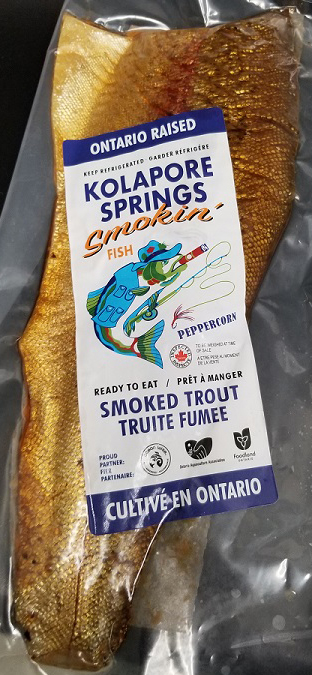
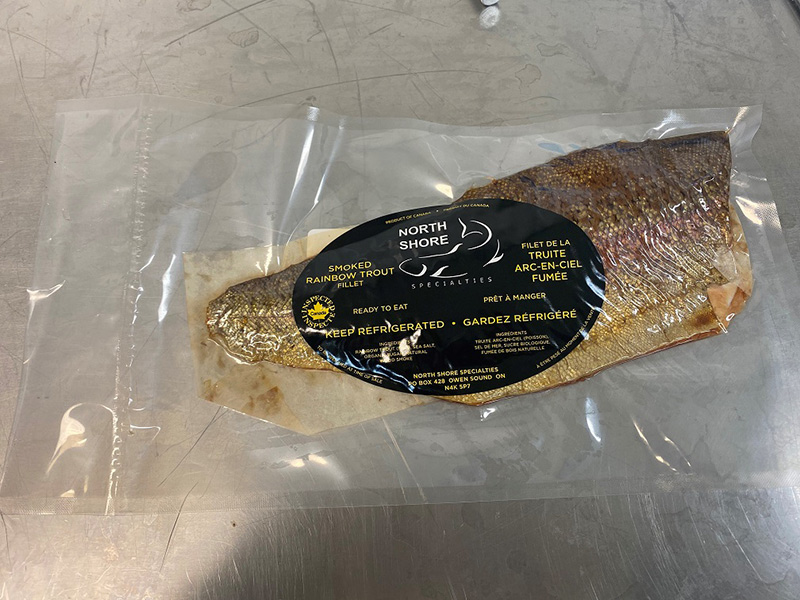
North Shore Specialty Foods is recalling Kolapore Springs brand and North Shore brand smoked trout products from the marketplace because they may permit the growth of Clostridium botulinum. Consumers should not consume the recalled products described below.

Recalled products

Brand Product Size UPC Codes
Kolapore Springs Smoked Trout Variable 6 27987 16383 4 All best before dates up to and including 2021 MR 31
Kolapore Springs Smoked Trout, Peppercorn Variable 6 27987 16383 4 All best before dates up to and including 2021 MR 31
North Shore Smoked Rainbow Trout Fillet Variable None All best before dates up to and including 2021 MR 31

What you should do

If you think you became sick from consuming a recalled product, call your doctor.

Check to see if you have the recalled products in your home. Recalled products should be thrown out or returned to the store where they were purchased.

Food contaminated with Clostridium botulinum toxin may not look or smell spoiled but can still make you sick.

Symptoms in adults can include facial paralysis or loss of facial expression, unreactive or fixed pupils, difficulty swallowing, drooping eyelids, blurred or double vision, difficulty speaking, including slurred speech, and a change in sound of voice, including hoarseness.

Symptoms of foodborne botulism in children can include difficulty swallowing, slurred speech, generalized weakness and paralysis. In all cases, botulism does not cause a fever. In severe cases of illness, people may die.

Background

This recall was triggered by CFIA test results. The CFIA is conducting a food safety investigation, which may lead to the recall of other products. If other high-risk products are recalled, the CFIA will notify the public through updated Food Recall Warnings.

The CFIA is verifying that industry is removing the recalled products from the marketplace.

Illnesses

There have been no reported illnesses associated with the consumption of these products.

Product photos

Printer ready version of photos

  • Kolapore Springs - Smoked trout
  • Kolapore Springs - Smoked trout, Peppercorn
  • North Shore: Smoked Rainbow Trout Fillet - Variable

Public enquiries and media

Company information
North Shore Specialty Foods: 1-705-606-1377 (Sean)
Public enquiries
Toll-free: 1-800-442-2342 (Canada and U.S.)
Telephone: 1-613-773-2342 (local or international)
Email: cfia.enquiries-demandederenseignements.acia@canada.ca
Media relations
Telephone: 613-773-6600
Email: cfia.media.acia@canada.ca

Ireland – Public health investigating E.coli outbreak at childcare facility in Mid-West

Irish Examiner

The Department of Public Health in the Mid-West is handling an E.coli outbreak at a childcare facility and is reminding the public of the danger this bacteria can pose.

Verotoxigenic E.coli (VTec) is a powerful strain of E.coli bacterium that lives in the gut of healthy cattle and sheep and can cause serious illness in the elderly and in children aged under five.

The Mid-West public health department said the outbreak was under control but the incidence highlights the importance of hand hygiene and proper water treatment. 

VTec can be a source of food poisoning and can cause bowel inflammation leading to bloody diarrhoea and severe stomach cramps.

While some people may experience no symptoms, severe diarrhoea from VTec can last as long as nine days.

Public Health Mid-West said a hospital laboratory can confirm the presence of VTec if a person provides a stool sample to their doctor.

USA – Maryland recalls cheeses due to Staphylococcus aureus (Staph) and E.coli

Food Poison Journal

The Maryland Department of Health (MDH) is warning consumers not to eat the following cheeses under the brand names La Cieba, La Colonia, and Selectos Latinos until further notice, as they may be contaminated with Staphylococcus aureus (Staph) and E.coli bacteria:

  • Cuajada el Terron
  • Queso Morolique con Chile
  • Queso Con Loroco
  • Queso Con Chile
  • Queso Frijolero
  • Queso Duro Blando Salvadoreno
  • Queso Salvadoreno
  • Queso Seco Salvadoreno

Marylanders are advised not to consume these products. If you have purchased one or more of these products, throw them away. If you consumed one or more of these products, watch for symptoms such as stomach cramps, diarrhea, vomiting, nausea, or fever. If symptoms occur, contact your healthcare provider.