Category Archives: Food Microbiology

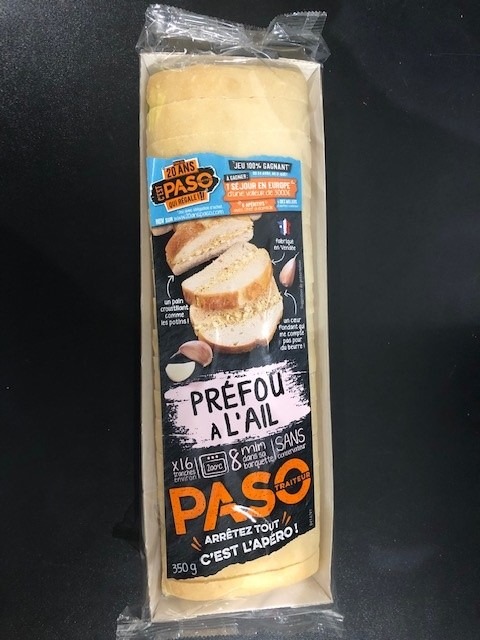
France – Garlic Prefou – Listeria monocytogenes

Gov france

Identification information of the recalled product

  • Product category Feed
  • Product subcategory Others
  • Product brand name PASO
  • Model names or references Garlic Prefou 350g
  • Identification of products
    GTIN Batch Date
    3760114570062 131220017 Use-by date 05/28/2023
  • Packaging 350g
  • Marketing start/end date From 03/05/2023 to 28/05/2023
  • Storage temperature Product to be stored in the refrigerator
  • Geographic area of ​​sale Whole France
  • Distributors CocciMarket, Auchan, Cora, Match, Intermarché, System U, Leclerc, Casino

Practical information regarding the recall

  • Reason for recall Suspicion of Listeria monocytogenes
  • Risks incurred by the consumer Listeria monocytogenes (causative agent of listeriosis)

Research – Study looks at Listeria contamination patterns in processors

CPS

While several studies have examined Listeria monocytogenes (Lm) prevalence in dairy and meat processing facilities, few have looked at Lm contamination patterns and related sanitation programs in produce processing facilities.
But Ana Allende, Ph.D., and her team from the CEBAS-CSIC research institute in Spain, hope their two-year CPS-funded research will change that. The project is designed to yield practical data about produce facilities’ environmental monitoring plans as well as the efficacy of sanitation programs.

Key Take-Aways

• Project looked at Listeria contamination patterns in three produce processing facilities.
• Whole genome sequencing, a type of genetic fingerprinting, helped link positive Lm samples to possible sources.
• Researchers tested biocides against resident Lm populations to gauge efficacy and potential loss of sensitivity.
“We started to become interested in the role of environmental contamination following years of attending the CPS Symposium where some researchers, such as Dr. Martin Wiedmann and Dr. Laura Strawn, focused on Listeria control in produce packinghouses and processing facilities,” she said. “We’re trying to bring our experiences from another point of view. The facilities we’re able to sample here could also help us understand the significance of this problem.”
Joining her as co-principal investigators were Mabel Gil, Ph.D., and Pilar Truchado, Ph.D., both from the CEBAS-CSIC.
As part of the project, the researchers enlisted the cooperation of three processing plants: one with a cut iceberg lettuce line, one with a cut fruit line and one with a salad bowl line.
While the U.S. Food and Drug Administration has zero tolerance for Lm in processed produce samples, the European Commission has set a threshold of up to 100 colony-forming units per gram.
Read More at the Link Above

Research – Demystifying Cronobacter and Actions FDA is Taking to Keep the Food Supply Safe

FDA

Last year, following the February Abbott recall and subsequent shortage of infant formula, many households across the U.S. heard about a pathogen (bacterium) for the first time called Cronobacter sakazakii. This pathogen isn’t new to the food industry but is not well-known among the general public, so I thought I would catch up with you on some basics about Cronobacter.

What We Know about Cronobacter

Cronobacter is found naturally in the environment – for example, in our yards, kitchens, and living rooms. It can live on surfaces like kitchen counters, sinks, or also on food facility manufacturing equipment. While Cronobacter is harmless for most people, it can cause life threatening infections in infants, particularly those who are younger than two months old, premature, immunocompromised, or of low birth weight.

Evidence has pointed to Cronobacter contamination occurring both in the food facility manufacturing environment and in the home, as demonstrated in the CDC’s recent Morbidity and Mortality Weekly Report (MMWR). Because this pathogen is so ubiquitous in the environment, public health officials stress the importance of safe preparation and storage of powdered infant formula to avoid contamination at home, and the FDA sets certain requirements to help control for it in the manufacturing environment. As part of our work here at the agency to continue to enhance safety in the infant formula manufacturing environment, the FDA recently sent a letter to industry with recommendations for improvements that can be made industry wide.

Research – Meat Microflora and the Quality of Meat Products

MDPI

Meat and meat products are not only a source of nutrients for humans [1,2], but also an excellent substrate for the development of many microorganisms [3]. Fresh meat is always exposed to the action of many species of microorganisms, causing deterioration of its sensory quality and limiting its usefulness, both culinary and technological. The microbiological quality of meat is important both for consumers and from a safety point of view. Meat can be a habitat for saprophytic and pathogenic microorganisms that can deteriorate its quality or threaten the safety of consumers [1,4].
However, microorganisms present in meat products are not always a threat. Such microorganisms include lactic acid bacteria present in meat, which ferment sugars into lactic acid. This has a positive effect on the durability of the manufactured products. The presence and growth of lactic acid bacteria under controlled conditions have long been used in meat processing [5]. This enables the production of products with characteristic and desirable quality features, and at the same time with an extended shelf life. Running lactic acid fermentation processes in optimal conditions, however, often requires the use of highly selected microorganisms with precisely defined and stable characteristics. Such microorganisms are then deliberately introduced into meat in a certain amount during technological processes [5].
Due to the role played by starter cultures in meat products, they can be divided into the following groups: acidifying cultures, cultures supporting the curing process (denitrifying cultures) and stabilizing the curing color, cultures flavoring meat products and cultures stabilizing microbiological products (extending shelf life) [5,6].
A less durable raw material than the meat of animals is fish meat, which deteriorates faster and therefore should be frozen and stored at −20 °C. The cause of spoilage is most often psychrophilic microorganisms that develop at temperatures close to 0 °C. One way to improve the freshness and extend the shelf life of fish is multifunctional composite coatings. They are an interesting alternative to preserve the quality of fish fillets, but also to improve the quality of meat [7].
Appropriate use of selected strains of lactic acid bacteria may be useful in improving the microbiological quality of meat and meat products during storage. The purpose of this Special Issue was to compile original research and review papers covering various aspects of the impact of meat microflora on the quality characteristics and safety of meat and meat products.

Research – Foodborne Outbreak of Extended Spectrum Beta-lactamase Producing Shigella sonnei Associated with Contaminated Spring Onions in the United Kingdom

Science Direct

Shigella - kswfoodworld

Image CDC

Abstract

Globalization of the food supply chain has created conditions favorable for emergence and spread of multidrug-resistant (MDR) foodborne pathogens. In November 2021, the UK Health Security Agency detected an outbreak of 17 cases infected with the same strain of MDR extended spectrum beta-lactamase (ESBL)-producing Shigella sonnei. Phylogenetic analysis of whole-genome sequencing data revealed the outbreak was closely related to strains of S. sonnei isolated from travelers returning to the UK from Egypt. None of the outbreak cases reported travel and all 17 cases reported eating food from a restaurant/food outlet in the week prior to symptom onset, of which 11/17 (64.7%) ate at branches of the same national restaurant franchise. All 17 cases were adults and 14/17 (82.4%) were female. Ingredient-level analyses of the meals consumed by the cases identified spring onions as the common ingredient. Food chain investigations revealed that the spring onions served at the implicated restaurants could be traced back to a single Egyptian producer. The foodborne transmission of ESBL-producing bacteria is an emerging global health concern, and concerted action from all stakeholders is required to ensure an effective response to mitigate the risks to public health.

Research – German testing finds Listeria and E. coli in raw milk

Food Safety News

Listeria and E. coli have been found during testing of unpasteurized, raw milk from farms in Germany.

From 2020 to 2022, the Chemical and Veterinary Investigation Office (CVUA) in Stuttgart tested 54 raw milk samples from vending machines for a range of agents.

Parameters examined included somatic cell count, total germ count, spoilage organisms, hygiene indicator germs such as Enterobacteriaceae and E. coli, and pathogens like Salmonella, Listeria, Campylobacter, and Shiga toxin-producing E. coli (STEC).

The sale of raw milk is mostly prohibited but it can be sold directly on the farm via self-service vending machines. The producers should put up notices telling the consumers to boil raw milk before consumption.

Some findings were positive as 30 samples were compliant but 24 had issues. Results highlight the importance of regular cleaning of milking machines, pipes, and tanks at dairy farms, said scientists. Insufficient cooling can also lead to contamination of raw milk.

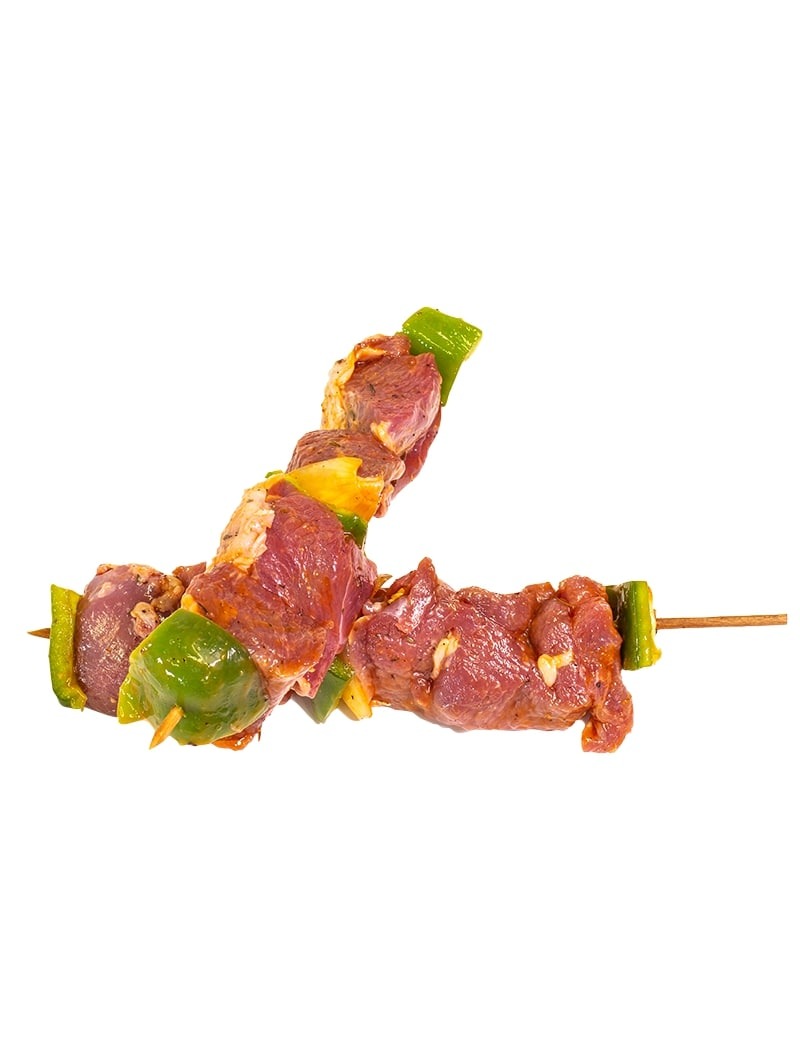
France – Lamb skewer – Salmonella

Gov france

Identification information of the recalled product

  • Product category Feed
  • Product subcategory Meats
  • Product brand name1958 The Pertuisienne
  • Model names or references LAMB PROVENCAL SKEWER X 10 LAMB THYME ROSEMARY SKEWER X 10
  • Identification of products
    GTIN Batch Date
    3434590828145 260423 Use-by date 05/05/2023
    3434590828459 260423 Use-by date 05/05/2023
  • Products List Product_list.pdfAttachment
  • Marketing start/end date From 04/27/2023 to 04/29/2023
  • Storage temperature Product to be stored in the refrigerator
  • Health mark EN 84.089.001 CE
  • Geographic area of ​​sale Regions: Provence-Alpes-Cote d’Azur
  • Distributors Intermarché, Leclerc.
  • List of points of saleList_clients_reminder_1-1.pdf

Practical information regarding the recall

  • Reason for recall Risk of presence of Salmonella.
  • Risks incurred by the consumer Salmonella spp (causative agent of salmonellosis)

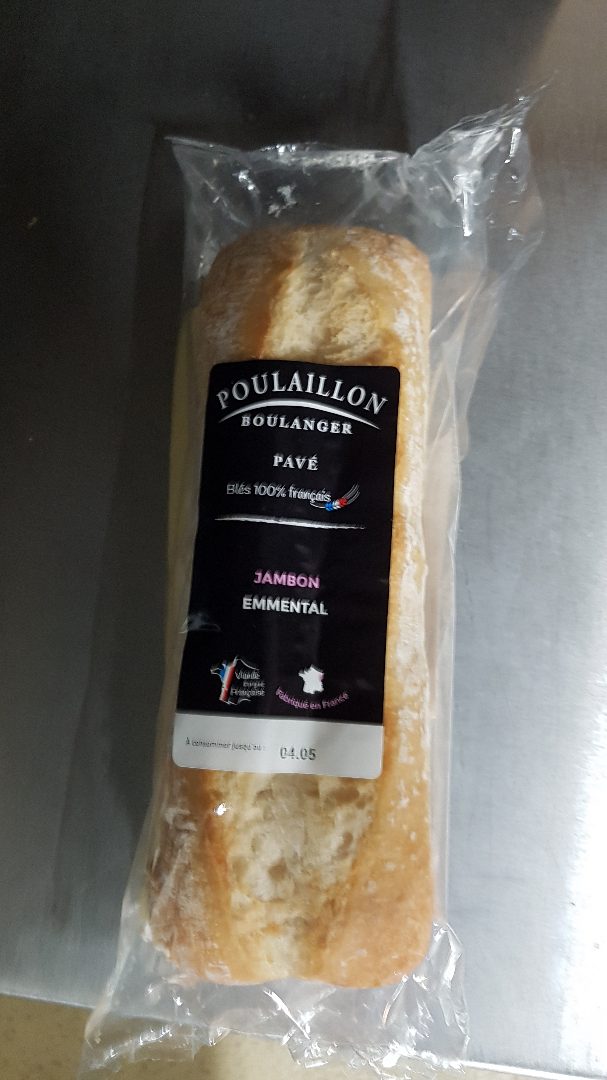
France – EMMENTAL HAM PAVE – Listeria monocytogenes

Gov france

Identification information of the recalled product

  • Product category Feed
  • Product subcategory Prepared meals and snacks
  • Product brand name CHICKEN
  • Model names or references EMMENTAL HAM PAVE
  • Identification of products
    GTIN Batch Date
    3581084129001 111523 Use-by date 04/05/2023
  • Packaging Individually wrapped in plastic film
  • Marketing start/end date From 04/26/2023 to 05/04/2023
  • Storage temperature Product to be stored in the refrigerator
  • Geographic area of ​​sale Whole France
  • Distributors TOTAL MOTORWAY STATIONS
  • List of points of sale POINTS_DE_VENTE_-_PAVE_JAMBON_EMMENTAL_TOTAL_-_03.05.23.pdf

Practical information regarding the recall

  • Reason for recall Presence of Listeria monocytogenes
  • Risks incurred by the consumer Listeria monocytogenes (causative agent of listeriosis)

Australia – Coca-Cola Europacific Partners- Barista Bros products – Bacterial Contamination – Update

FSANZ

Date published: 2/05/2023

Date updated: 5/05/2023

Product information

Coca-Cola Europacific Partners is conducting a recall of Barista Bros Products. The product has been available for sale at Woolworths, Coles, Metcash/IGA grocers, Aldi, Independent retail stores and vending machines nationwide.

Date markings

Best before dates from BB 30 SEP 23 to BB 30 DEC 23​

Barista Bros Products

Problem

The recall is due to a potential packaging failure leading to a possible contamination risk.

Food safety hazard

Food products that have been spoiled may cause illness if consumed.

Country of origin

Australia

What to do​

Any consumers concerned about their health should seek medical advice and should return the product to the place of purchase for a full refund.
For further information please contact:
Coca-Cola Europacific Partners
1800 025 123

​​​

Related links:

USA – lēf Farms Recalls “Spice” Packaged Salad Greens Because of Possible Health Risk – E.coli O157

FDA

Company Announcement

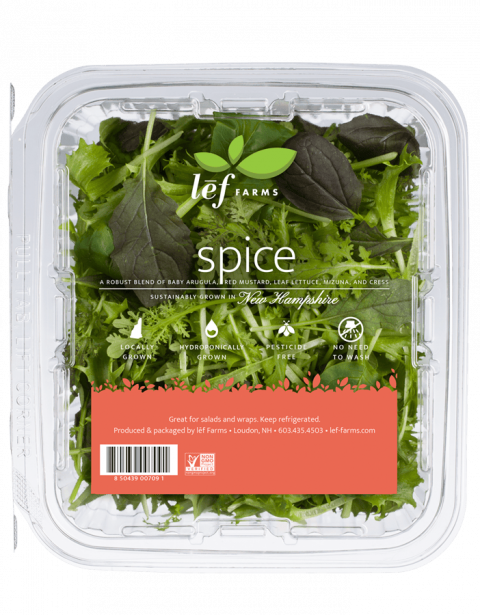
lēf Farms of Loudon, N.H. is voluntarily recalling a single lot of the lēf Farms “Spice” Packaged Salad Greens (“best by” date 5/5/23, lot number SP10723- 1RGH1, UPC 8 50439 00709 1) produced in its Loudon, New Hampshire greenhouse because they have the potential to be contaminated with Escherichia coli 0157:H7 (E. coli) bacteria. According to the Food and Drug Administration (FDA), E. coli causes a diarrheal illness often with bloody stools. Although most healthy adults can recover completely within a week, some people can develop a form of kidney failure called Hemolytic Uremic Syndrome (HUS). HUS is most likely to occur in young children and the elderly. The condition can lead to serious kidney damage and even death.

The product comes in a 4- oz, clear, plastic clamshell container. Information about the “best by” date, lot number and UPC can be found at the bottom of the package. Pictures to assist customers in identifying the recalled products are found at the end of this announcement.

No illnesses have been reported to date. The recall was initiated when the New Hampshire Department of Agriculture received a positive test result for E. coli 0157:H7 in a single package of lēf Farms “Spice” Packaged Salad Greens (4 oz) as part of routine testing.

lēf Farms “Spice” is the only product impacted to date and affected retailers include Hannaford and Market Basket in Maine, Massachusetts, New Hampshire, New York, Rhode Island and Vermont.

In addition to today’s voluntary recall, the company is proactively testing all products produced in its New Hampshire facility for E. coli 0157:H7 prior to distribution.

Retailers have been instructed to remove all recalled products from store shelves. Consumers who have purchased the affected lēf Farms “Spice” products should discard them or present a photo of the product or receipt to their place of purchase for a full refund and then discard.

Consumers with questions are encouraged to call 1-866-857-8745 between 8:00am-7:00pm EDT or email info@lef-farms.com with the subject line: Recall.


Company Contact Information

Consumers:
lēf Farms
 1-866-857-8745
 info@lef-farms.com

Product Photos