Category Archives: Food Microbiology Testing

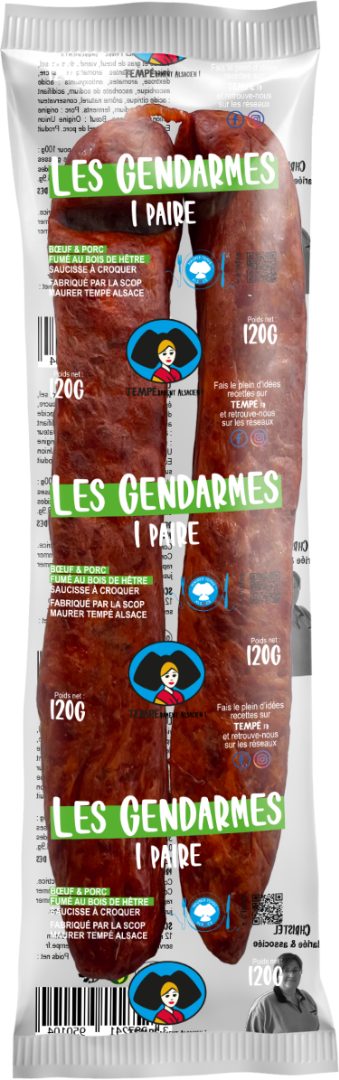
France – Gendarmes 1 pair 120g – Listeria monocytogenes

Gov france

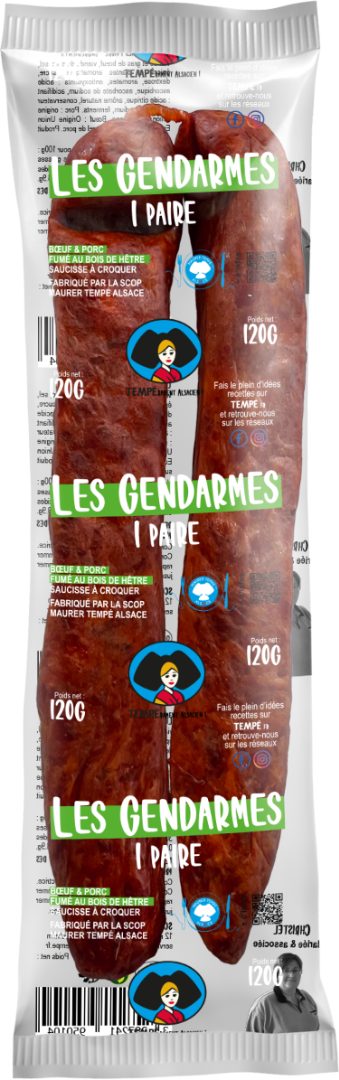
Gendarmes 1 pair 120g

Gov france

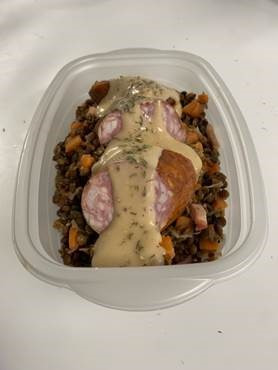
France – MORTEAU SAUSAGE – LENTILS – Risk of Bacterial Development

Gov france

Identification information of the recalled product

  • Product category Feed
  • Product subcategory Prepared meals and snacks
  • Product brand name CPNP (Cooked By Our Pros)
  • Model names or references MORTEAU SAUSAGE – LENTILS
  • Identification of products
    GTIN Batch Date
    0211382042643 0008951207 Use-by date 07/30/2023
    0211382042643 0009008784 Use-by date 08/06/2023
  • Marketing start/end date From 24/07/2023 to 03/08/2023
  • Storage temperature Product to be stored in the refrigerator
  • Health mark FR 59 350 027 EC
  • Geographic area of ​​sale Regions: Grand-Est, , , , Hauts-de-France
  • Distributors Match Supermarkets

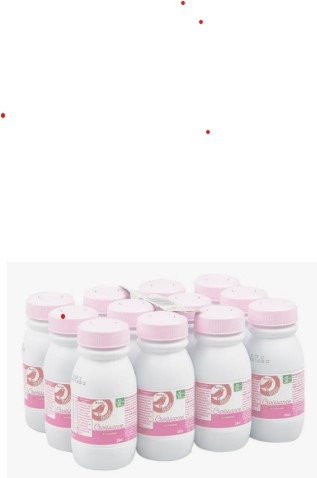
France – AUCHAN BABY GROWTH 12X25CL12/36 MONTHS – Rotten Milk

Gov france

Identification information of the recalled product

  • Product category Feed
  • Product subcategory baby food
  • Product brand name AUCHAN
  • Model names or references AUCHAN BABY GROWTH 12X25CL12/36 MONTHS
  • Identification of products
    GTIN Batch Date
    3596710481637 23142F Date of minimum durability 11/18/2023
  • Packaging bottles
  • Marketing start/end date From 06/06/2023 to 29/07/2023
  • Storage temperature Product to be stored at room temperature
  • Health mark EN 59.039.030 EC
  • Geographic area of ​​saleWhole France
  • Distributors Auchan stores and any other brand selling Auchan brand products

Research – Waterborne Infectious Diseases Associated with Exposure to Tropical Cyclonic Storms, United States, 1996–2018

CDC

Abstract

In the United States, tropical cyclones cause destructive flooding that can lead to adverse health outcomes. Storm-driven flooding contaminates environmental, recreational, and drinking water sources, but few studies have examined effects on specific infections over time. We used 23 years of exposure and case data to assess the effects of tropical cyclones on 6 waterborne diseases in a conditional quasi-Poisson model. We separately defined storm exposure for windspeed, rainfall, and proximity to the storm track. Exposure to storm-related rainfall was associated with a 48% (95% CI 27%–69%) increase in Shiga toxin–producing Escherichia coli infections 1 week after storms and a 42% (95% CI 22%–62%) in increase Legionnaires’ disease 2 weeks after storms. Cryptosporidiosis cases increased 52% (95% CI 42%–62%) during storm weeks but declined over ensuing weeks. Cyclones are a risk to public health that will likely become more serious with climate change and aging water infrastructure systems.

Research – An Overview of the Use and Applications of Limosilactobacillus fermentum in Broiler Chickens

MDPI

Abstract

The implementation of government regulations on antibiotic use, along with the public’s concern for drug resistance, has strengthened interest in developing alternatives not only aimed at preserving animal production but also at reducing the effects of pathogenic infections. Probiotics, in particular, are considered microorganisms that induce health benefits in the host after consumption of adequate amounts; they have been established as a potential strategy for improving growth, especially by stimulating intestinal homeostasis. Probiotics are commonly associated with lactic acid bacteria, and Limosilactobacillus fermentum is a well-studied species recognized for its favorable characteristics, including adhesion to epithelial cells, production of antimicrobial compounds, and activation of receptors that prompt the transcription of immune-associated genes. Recently, this species has been used in animal production. Different studies have shown that the application of L. fermentum strains not only improves the intestinal ecosystem but also reduces the effects caused by potentially pathogenic microorganisms. These studies have also revealed key insights into the mechanisms behind the actions exerted by this probiotic. In this manuscript, we aim to provide a concise overview of the effects of L. fermentum administration on broiler chicken health and performance

Research – Microbial Spoilage of Traditional Goose Sausages Produced in a Northern Region of Italy

MDPI

Abstract

Recently, during the ripening of goose sausage, a defect consisting of ammonia and vinegar smell was noticed. The producer of the craft facility, located in Lombardia, a Northern region of Italy, asked us to identify the cause of that defect. Therefore, this study aimed to identify the potential responsible agents for the spoilage of this lot of goose sausages. Spoilage was first detected by sensory analysis using the “needle probing” technique; however, the spoiled sausages were not marketable due to the high ammonia and vinegar smell. The added starter culture did not limit or inhibit the spoilage microorganisms, which were represented by Levilactobacillus brevis, the predominant species, and by Enterococcus faecalis and E. faecium. These microorganisms grew during ripening and produced a large amount of biogenic amines, which could represent a risk for consumers. Furthermore, Lev. brevis, being a heterofermentative lactic acid bacteria (LAB), also produced ethanol, acetic acid, and a variation in the sausage colour. The production of biogenic amines was confirmed in vitro. Furthermore, as observed in a previous study, the second cause of spoilage can be attributed to moulds which grew during ripening; both the isolated strains, Penicillium nalgiovense, added as a starter culture, and P. lanosocoeruleum, present as an environmental contaminant, grew between the meat and casing, producing a large amount of total volatile nitrogen, responsible for the ammonia smell perceived in the ripening area and in the sausages. This is the first description of Levilactobacillus brevis predominance in spoiled goose sausage.

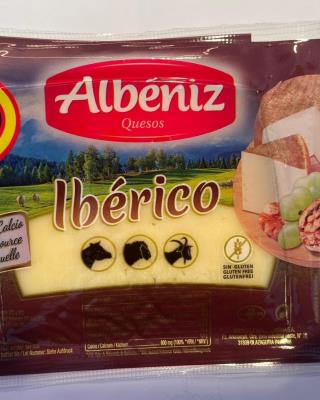
Czech Republic – Albéniz Quesos Ibérico – Visible Mould

Potravinynapranyri

Illustrative photo #1

Illustrative photo #4

Place of inspection:
Brno ( Josefská 427/14, 602 00 Brno )
ID: 01396340
Food group: Milk and milk products Cheese

Albéniz Quesos Ibérico
Category: Dangerous foods
Invalid parameter:

fungi visible to the eye

There was greenish mold on the surface of the food under the intact packaging. Food is not considered safe if it shows signs of spoilage.

Unsuitable storage temperatures for this food were not detected during the inspection. The food did not have an expiration date.

Batch: 2423055
Expiration date: Use by: 24/02/2024
Packaging: PP packaging
Quantity of the product in the package: 0.15 kg
Date of sample collection: 6/26/2023
Reference number: 23-000500-SZPI-CZ
The sample was detected by the official control of the State Agricultural and Food Inspection.

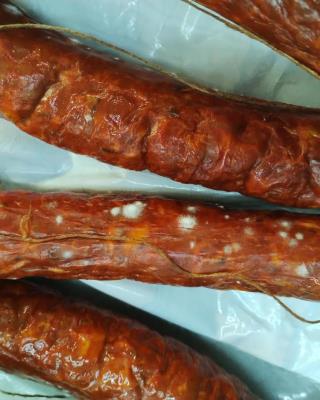
Czech Republic – Spicy sausage – Visible Mould

Potravinynapranyri

Illustrative photo #1

Place of inspection:
Předměřice nad Labem ( Průmyslova 323, 503 02 Předměřice nad Labem )
ID: 87680181
Invalid parameter:

fungi visible to the eye

There were white mold colonies on the surface of the food. Food is not considered safe if it shows signs of spoilage.

The food had an expired use-by date.

Batch: L29.05.2023
Expiration date: 19/06/2023
Packaging: PP bag
Quantity of the product in the package: 0.74 kg
Date of sample collection: 22/06/2023
Reference number: 23-000441-SZPI-CZ
The sample was detected by the official control of the State Agricultural and Food Inspection.

Research – Prevalence of Listeria monocytogenes in RTE Meat Products of Quevedo (Ecuador)

MDPI

Abstract

Listeria monocytogenes is a foodborne pathogen that causes listeriosis and can be a problem in areas where meat products are sold at unregulated storage temperatures. In this work, the prevalence of L. monocytogenes was determined in the five most widely traded meat products in the province of Quevedo (Ecuador): bacon, “chorizo paisa”, grilled hamburger meat, mortadella, and salami. A total of 1000 samples of these products were analyzed in two seasons of the year (dry season/rainy season). All L. monocytogenes isolates were confirmed by PCR with primers designed for the iap gene. Furthermore, the positive samples were quantified for L. monocytogenes. Of the 1000 meat products analyzed, 163 were positive for L. monocytogenes (16.3%). The prevalence of L. monocytogenes in the two seasons in different meat products was as follows: 22.5% in mortadella, 19% in hamburger meat, 15% in bacon, 14.5% in chorizo paisa and 10.5% in salami. In addition, the concentration of L. monocytogenes in most of the positive samples was in the range of 4–6 log CFU/g or even higher. The results show the need for improvements in the hygienic measures and meat storage temperatures in Quevedo (Ecuador) to avoid risks of foodborne listeriosis.

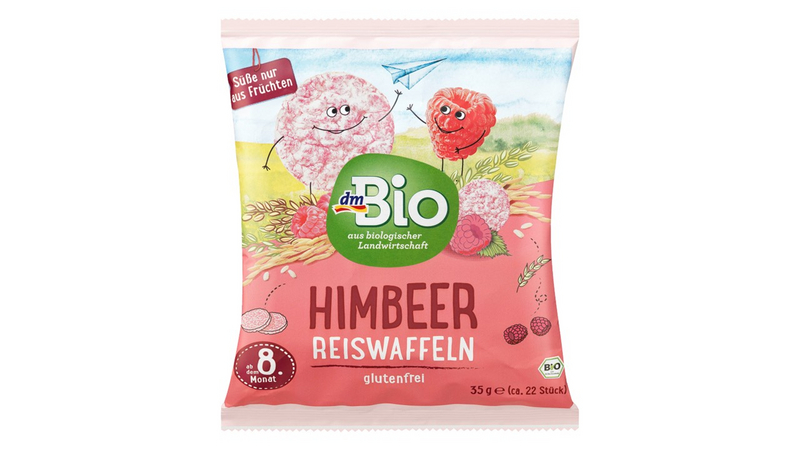
Austria – dmBio raspberry rice cakes from the 8th month, 35 g – Aflatoxin

AGES

nfant Formula Recall

AGES informs about a recall of the company dm drogerie markt. On August 4th, 2023, the company recalled the product dmBio raspberry rice cakes from the 8th month, 35 g:
© dm drugstore market
recall reason
Increased aflatoxin levels
Marketed by
Dm-market
Manufacturer
Dm-market
Expiry Date
06/04/2024
Batch number
NL 157

For reasons of preventive consumer protection, dm drogerie markt is recalling the item “dmBio raspberry rice cakes from the 8th month, 35 g”. The item was immediately withdrawn from sale. Only goods with the best before date (MHD) 04.06.2024 batch “NL 157” are affected. This information can easily be found on the back of the packaging.

Reason for the recall: It cannot be ruled out that individual packs with the above MHD contain increased aflatoxin levels . These substances can impair health if ingested over a long period of time. Aflatoxins are metabolites formed by various molds.

Customers are asked not to consume the product with the above-mentioned BBD and to return it to the dm branches unopened or already opened. The purchase price will of course be refunded, even without presenting the receipt.

The quality and safety of our products is our top priority. We regret the incident and apologize to all customers for the inconvenience caused.

If you have any questions, dm customer service is available:
Tel.: 0800 – 365 86 33 (free of charge)
E-mail: kundenservice@dm.at
Opening hours: Mon.-Fri. 07:30-17:30

original recall