Archives
-
Join 346 other subscribers
KSWFoodWorld
Blog Stats
- 445,061 Views
Category Archives: Food Microbiology Research
Research – Modified Atmosphere Packaging (MAP) for Seaweed Conservation: Impact on Physicochemical Characteristics and Microbiological Activity
Conventional conservation techniques such as drying, salting or freezing do not allow for preserving the original characteristics of seaweeds. The present work aims to study the impact of minimal processing, in particular “Modified Atmosphere Packaging” (MAP), on the physicochemical characteristics and food safety of two seaweed species, “laver” (Porphyra umbilicalis) and “sea-lettuce” (Ulva lactuca), stored at 6 °C for 15 days. Different parameters were evaluated using analytical methods, namely the composition of headspace gases, color, texture, microorganisms, and volatile organic compounds (VOCs). The main findings of this study were that the MAP treatment was able to inhibit the respiration rate of minimally processed seaweeds, also preserving their color and texture. There was a remarkable reduction in the microbial load for P. umbilicalis treated under modified and vacuum atmospheres, and U. lactuca exhibited relatively steady values with no notable differences between the treatments and the control. Therefore, during the 15-day study period, both seaweeds met the requirements for food safety. GC–TOF-MS allowed to conclude that both MAP and vacuum treatments were more efficient in maintaining the odor characteristics of U. lactuca compared to P. umbilicalis with no significant differences throughout the storage days. Metabolic responses to diverse sources of abiotic stress seemed to account for most of the changes observed.
Research – Irish survey highlights barbecue food safety risks
Almost half of respondents to a survey in Northern Ireland have been served raw or undercooked meat at a barbecue.
The poll revealed 45 percent of barbecue-goers in summer were given items such as burgers, chicken and sausages but left them untouched because of the risk of food poisoning.
Safefood conducted the survey of 300 adults across Northern Ireland to shed light on barbecue cooking habits. The group safefood promotes food safety and nutrition in Northern Ireland and the Republic of Ireland.
USA – Outbreak Investigation of Hepatitis A Virus Infections: Frozen Strawberries (February 2023)
Product
Willamette Valley Fruit Recall:
- Great Value Mixed Fruit 4-lb bags, Great Value Sliced Strawberries 4-lb bags, and Great Value Antioxidant Fruit Blend 2-lb bags sold at Walmart.
- Rader Farms Organic Fresh Start Smoothie Blend 48-oz. bags sold at Costco.
- Rader Farms Organic Berry Trio 3-lb bags sold at HEB stores.
Wawona Frozen Foods Recall: Wawona brand Organic DayBreak Blend 4-lb. bag with “Use By” dates of 9/23/2023, 9/29/2023, 9/30/2023 and 10/18/2023.
California Splendor Recall: Kirkland Signature 4-lb. bag Frozen Organic Whole Strawberries in certain states with specific lot codes.
Scenic Fruit Recall: Recalled brands include Simply Nature, Vital Choice, Kirkland Signature, Made With, PCC Community Markets frozen organic strawberries and Trader Joe’s Organic Tropical Fruit Blend with specific best by dates.
Additional recall information is available below.
Stores Affected
Great Value Mixed Fruit, Sliced Strawberries, and Antioxidant Fruit Blend were sold in Walmart stores in AR, AZ, CA, CO, HI, IA, ID, IL, IN, KS, KY, LA, MD, MI, MN, MO, MT, ND, NE, NV, NY, OH, OK, OR, PA, SD, TX, UT, VA, WI, WV, and WY.
Rader Farms Organic Fresh Start Smoothie Blend was sold in Costco stores in CO, TX, CA, and AZ.
Rader Farms Organic Berry Trio was sold in HEB stores in TX.
Wawona Frozen Foods distributed recalled packages of Organic DayBreak Blend to Costco Wholesale stores in Arizona, California, Colorado, Utah, and Washington.
California Splendor supplied recalled product to Costco stores in Los Angeles and Hawaii, and to two San Diego business centers. Scenic Fruit supplied recalled product to Costco, Aldi, KeHE, Vital Choice Seafood, and PCC Community Markets in specific states, and to Trader Joe’s nationwide.
On March 17, 2023, the retailer, Meijer, also issued press to voluntarily recall Made-WithExternal Link Disclaimer brand frozen organic strawberries from certain market store locations.
This is not an exhaustive list of products or stores. FDA is continuing to work with the firms to identify potential additional product information.
Symptoms of Hepatitis A
Illness usually occurs within 15 to 50 days after eating or drinking contaminated food or water. Symptoms of hepatitis A virus infection include fatigue, nausea, vomiting, abdominal pain, jaundice, dark urine, and pale stool. In some instances, particularly in children under the age of six, hepatitis A infection may be asymptomatic.
Status
Ongoing
Posted in food contamination, food handler, Food Hazard, Food Hygiene, Food Illness, Food Inspections, Food Micro Blog, Food Microbiology, Food Microbiology Blog, Food Microbiology Research, Food Microbiology Testing, Food Pathogen, Food Quality, food recall, Food Safety, Food Safety Alert, Food Safety Management, Food Safety Regulations, Food Virus, Foodborne Illness, foodborne outbreak, foodbourne outbreak, Hepatitis A, Illness, outbreak, Virus
Denmark – Record number of finds of diarrhea-causing parasite in humans – Cryptosporidium
Around 800 Danes were diagnosed last year as being infected with a small single-celled intestinal parasite, Cryptosporidium, which can cause severe diarrhoea, abdominal pain, exhaustion and possibly nausea.
The many cases are a significant increase compared to previous years. The reason for the many new findings is probably primarily due to the introduction of more systematic analyzes of faecal samples at the clinical microbiology departments at the hospitals in Slagelse, Odense, Herlev and Aalborg.
“Cryptosporidium thus appears to be much more common in the population than we previously assumed. And this means that we have a diverse population of parasites whose sources and routes of infection are currently poorly understood. It is not a notifiable disease, but we follow the development through the samples that we receive,” says Rune Stensvold, senior researcher, Dept. Bacteria, parasites and fungi, Statens Serum Institut.
If you get sick from Crytosporidiosis it can last for a few weeks, but usually goes away on its own eventually, and is generally harmless.
In the past, sources of infection have been found among calves, but humans can also be infected via rodents. There are no vaccines against the parasite.
Posted in Contaminated water, Cryptosporidiosis, Cryptosporidium, Food Illness, Food Micro Blog, Food Microbiology, Food Microbiology Blog, Food Microbiology Research, Food Microbiology Testing, Foodborne Illness, Illness, microbial contamination, Microbial growth, Microbiological Risk Assessment, Microbiology, Microbiology Investigations, Microbiology Risk, water microbiology, Water Safety
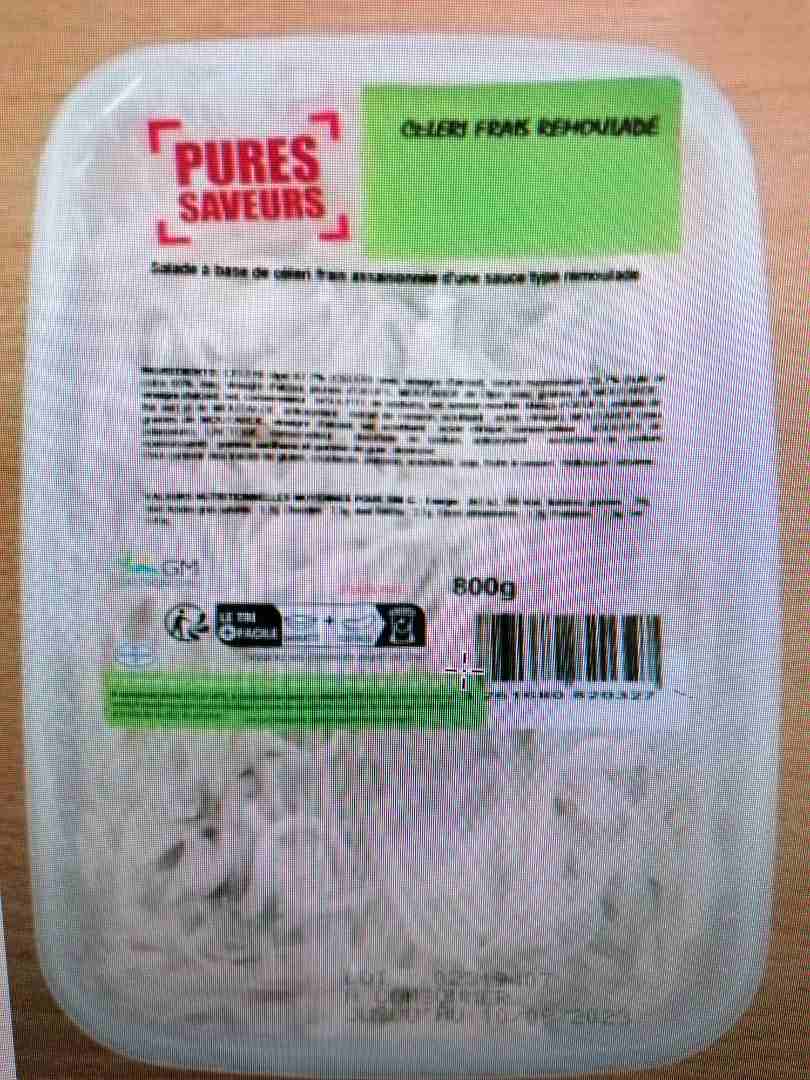
France – CELERY REMOULADE – Listeria monocytogenes

Identification information of the recalled product
- Product category Feed
- Product subcategory Prepared meals and snacks
- Product brand name UNBRANDED
- Model names or references CELERY REMOULADE
- Identification of products
GTIN Batch Date 3261680720139 02319107 Use-by date 08/07/2023 - Packaging 800g
- Marketing start/end date From 10/07/2023 to 07/08/2023
- Storage temperature Product to be stored in the refrigerator
- Health mark YES
- Geographic area of sale Whole France
- Distributors Leclerc AUBENAS SAS SOSUMAR Leclerc VALESCUIRE ST RAPHAEL
Posted in food contamination, food handler, Food Hazard, Food Hygiene, Food Inspections, Food Micro Blog, Food Microbiology, Food Microbiology Blog, Food Microbiology Research, Food Microbiology Testing, Food Pathogen, Food Quality, food recall, Food Safety, Food Safety Alert, Food Safety Management, Food Safety Regulations, Listeria, Listeria France, Listeria monocytogenes
Catalonia – More information on botulism cases
Information on botulism cases is expanded. There are 5 confirmed cases and 2 possible with the common link of consumption in the previous days of packaged potato tortilla.
The Palacios Alimentación Business Group has issued a statement in which it informs of the voluntary withdrawal, as a precaution, from the shelves of the points of sale of the fresh packaged potato tortilla produced in the Mudrian factory, and of the temporary stoppage of its manufacture.
Although up to now it has not been possible to establish evidence, neither in the products nor in the processes, that relates cause and effect, the Palacios group asks all those people who have purchased any of these products (Palacios, Chef Select, Auchan, Eroski, Unide, Consum, DIA, the potato tortilla with onion ESSENTIALS 600 g. from Ametller (see statement from Ametller Origin), Condis, El Corte Inglés, Carrefour, Alipende, IFA i Rikissimo Group) refrain from consuming it and proceed to return it at the point of sale.
The Spanish Agency for Food Safety and Nutrition (AESAN) has transferred this information to the autonomous communities and cities, through the Coordinated System for Rapid Information Exchange (SCIRI) in order to verify the withdrawal of affected products from marketing channels.
When additional information is available, it will be updated.
Posted in Clostridium, Clostridium botulinum, Food Micro Blog, Food Microbiology, Food Microbiology Blog, Food Microbiology Research, Food Microbiology Testing, Food Poisoning, microbial contamination, Microbial growth, Microbiological Risk Assessment, Microbiology, Microbiology Investigations, Microbiology Risk, Poisoning
RASFF Alerts – Listeria monocytogenes -Turkey Salami – Smoked Salmon
Listeria Monocytogenes in turkey salami from France in Belgium, Germany and Luxembourg
Listeria monocytogenes in smoked salmon from Serbia in Croatia
Posted in food contamination, food handler, Food Hazard, Food Hygiene, Food Inspections, Food Micro Blog, Food Microbiology, Food Microbiology Blog, Food Microbiology Research, Food Microbiology Testing, Food Pathogen, Food Quality, food recall, Food Safety, Food Safety Alert, Food Safety Management, Food Safety Regulations, Food Testing, Listeria, Listeria monocytogenes, RASFF
USA – CDC – Cyclosporiasis Illnesses in the United States, 2023
CDC, along with state and federal health and regulatory officials, monitor cases of cyclosporiasis acquired in the United States in the spring and summer months to detect outbreaks linked to a common food source. Cyclosporiasis is a diarrheal illness caused by a parasite called Cyclospora cayetanensis.
Fast Facts
-
Illnesses: 581
-
Hospitalizations: 55
-
Deaths: 0
-
States reporting cases: 31
-
Investigation status: Active (first posted on May 25, 2023)
Cyclosporiasis illnesses are reported year-round in the United States. However, during the spring and summer months there is often an increase in cyclosporiasis acquired in the United States. The exact timing and duration of these seasonal increases in cyclosporiasis can vary, but reports tend to increase starting in May. This year, cases were reported starting in April. It is too soon to tell if this timing indicates a change in the seasonality of cyclosporiasis in the United States.
In previous years, the reported number of cases peaked between June and July, although cases can be reported as late as September. The number of infections or hospitalizations and the number of identified outbreaks linked to a common source also vary from season to season.
Posted in CDC, food bourne outbreak, Food Illness, Food Micro Blog, Food Microbiology, Food Microbiology Blog, Food Microbiology Research, Food Microbiology Testing, Foodborne Illness, foodborne outbreak, foodbourne outbreak, Illness, microbial contamination, Microbial growth, Microbiological Risk Assessment, Microbiology, Microbiology Investigations, Microbiology Risk, outbreak
Research -Fermenting a place in history: The first outbreak of Escherichia coli O157 associated with kimchi in Canada
Abstract
A Canadian outbreak investigation was initiated in January 2022 after a cluster of cases of Shiga-toxin-producing Escherichia coli (STEC) O157 was identified through whole genome sequencing (WGS). Exposure information was collected through case interviews. Traceback investigations were conducted, and samples from case homes, retail, and the manufacturer were tested for STEC O157. Fourteen cases were identified in two provinces in Western Canada, with isolates related by 0–5 whole genome multi-locus sequence typing allele differences. Symptom onset dates ranged from 11 December 2021 to 7 January 2022. The median age of cases was 29.5 (range 0–61); 64% were female. No hospitalisations or deaths were reported. Of 11 cases with information available on fermented vegetable exposures, 91% (10/11) reported consuming Kimchi Brand A during their exposure period. The traceback investigation identified Manufacturer A in Western Canada as the producer. One open and one closed sample of Kimchi Brand A tested positive for STEC O157, with isolates considered genetically related by WGS to the outbreak strain. Napa cabbage within the kimchi product was hypothesised as the most likely source of contamination. This paper summarises the investigation into this STEC O157 outbreak associated with kimchi, the first reported outside of East Asia.
Posted in Decontamination Microbial, E.coli O157, E.coli O157:H7, food bourne outbreak, Food Illness, Food Micro Blog, Food Microbiology, Food Microbiology Blog, Food Microbiology Research, Food Microbiology Testing, Foodborne Illness, foodborne outbreak, foodbourne outbreak, Illness, microbial contamination, Microbial growth, Microbiological Risk Assessment, Microbiology, Microbiology Investigations, Microbiology Risk, outbreak, STEC, STEC E.coli
Norway – Smoked salmon and trout suspected as the source of outbreaks of Listeriosis
The Norwegian Food Safety Authority is collaborating with the Norwegian Institute of Public Health , the Norwegian Veterinary Institute and relevant municipal supervisors to find the cause of the outbreak.
All four people, three women and one man, fell ill in June this year and have been admitted to hospital. All are now healthy or improving. They are aged 50-80 and live in Viken (2), Vestland and Oslo.
The Norwegian Food Safety Authority has interviewed the persons and obtained product samples which the Veterinary Institute has analyzed (vi.no). Three out of four people report having eaten either smoked salmon or smoked trout from Troll Salmon in the time before they became ill. The outbreak bacterium was found in two packs of smoked salmon from Troll Salmon . One of the people had the packages in the freezer.
– The Norwegian Food Safety Authority is in close dialogue with the business, which must ensure that they do not sell products that represent a possible health hazard for consumers. The Norwegian Food Safety Authority also monitors that the company carries out necessary investigations and implements sufficient measures in production, says Lindis Folkvord, section manager in the Norwegian Food Safety Authority’s biological food safety section.
Advice for vulnerable groups
Most people can eat foods containing the listeria bacteria without becoming seriously ill, but susceptible people tolerate less of the bacteria.
– It is a general advice that pregnant women, people with weakened immune systems and the elderly with a weakened general condition should eat fish and smoked fish that are as fresh as possible. This means that the product should be well within the best-before date, says Folkvord.
Other measures to reduce the risk of listeria bacteria are to store such products in a refrigerator at 4 degrees or colder, and to wash equipment and hands after handling risk products to reduce the risk of transfer of listeria bacteria to other products.
Risk product
Listeria is usually transmitted through food, especially refrigerated foods with a long shelf life that are eaten without heat treatment. Examples of such risk products are soft ripening cheeses and unpasteurized semi-hard cheeses, unpasteurized milk, smoked, raw and raw fish, some types of cut-up cooked meat spreads and raw meat.
Posted in food bourne outbreak, food contamination, food handler, Food Hazard, Food Hygiene, Food Illness, Food Inspections, Food Micro Blog, Food Microbiology, Food Microbiology Blog, Food Microbiology Research, Food Microbiology Testing, Food Pathogen, Food Quality, food recall, Food Safety, Food Safety Alert, Food Safety Management, Food Safety Regulations, Foodborne Illness, foodborne outbreak, foodbourne outbreak, Illness, Listeria, Listeria monocytogenes, Listeria Smoked Fish, listeriosis, outbreak