Category Archives: Food Microbiology Research

Research – Machine Learning and Predictive Microbiology: Enhancing Food Safety Models

Frontiers In.org

The field of food safety is critical in ensuring that the food supply remains safe and nutritious from production to consumption. One of the most pressing challenges in this area is controlling microbial growth, which can significantly reduce the shelf life of food products and pose health risks. The composition and physicochemical characteristics of food can either inhibit or promote the growth of foodborne pathogens. Traditional microbial growth models, often used in laboratory settings, do not always translate well to real-world food environments due to the unique conditions present in food systems. Predictive microbiology has emerged as a valuable tool in this context, allowing researchers to predict the behavior of pathogenic and spoilage microorganisms under various controlled conditions. Despite advancements, there remain significant gaps in our understanding of how to effectively apply these models across different stages of the food processing chain. The need for more comprehensive and adaptable models is evident, particularly as the food industry continues to evolve its processing techniques to enhance food safety and shelf life.
This research topic aims to explore the development and application of predictive models in food safety throughout the processing chain. The primary objectives include understanding how new processing conditions impact microbial safety, examining the interactions between food ingredients and antimicrobials, and developing robust models that can predict microbial behavior in diverse food environments. Specific questions to be addressed include: How do changes in food composition affect microbial growth? What are the best practices for integrating machine learning into predictive microbiology? How can we construct and validate models that are applicable across various stages of food production?
To gather further insights into the boundaries of predictive models in food safety, we welcome articles addressing, but not limited to, the following themes:
– Impact of new food processing conditions on the microbial safety of the final product
– Interaction of added antimicrobials and food ingredients on food safety
– Use of growth/no growth models for the growth of pathogens
– Impact of food composition modifications on the growth of pathogens or concentration of toxins
– Development of empirical or theoretical models for assessing microbial growth under food system conditions
– Machine learning applications in predictive microbiology
– Construction and validation of tertiary predictive models


Research – EPA Approves First Antimicrobial Treatment of Foodborne Pathogens in Preharvest Agricultural Water

Food Safety.com

The first-ever registration of an antimicrobial treatment for foodborne pathogens in preharvest agricultural water has been approved by the U.S. Environmental Protection Agency (EPA), setting a new precedent for preharvest agricultural water treatments specifically intended to reduce the presence of pathogens that affect food safety.

The successful registration of SANIDATE 12.0 is the result of a collaborative effort between EPA and the U.S. Food and Drug Administration (FDA) to develop and refine an efficacy protocol to support such registrations. Using the revised efficacy protocol, the University of Arizona and industry members worked together to register SANIDATE 12.0 for use against foodborne pathogens like Escherichia coli and Salmonella in preharvest agricultural water, and to provide feedback on the protocol that informed updates regarding testing parameters and to clarify the protocol for future users.

France – Tellines – DSP -Shellfish Toxins

Gov France

Product Category
Food
Product subcategory
Fishery and aquaculture products
Product brand name
Unbranded
Model names or references
Tellines shipped from 10/29/2024 to 10/31/2024
Product identification
Batch
All lots
Start/End of marketing date
From 10/29/2024 to 10/31/2024
Storage temperature
Product to be kept in the refrigerator
Health mark
FR.29.158.500.CE
Geographic area of ​​sale
Whole France
Distributors
Wholesalers – Fishmongers – GMS

Research – Antibacterial Activity of Phloretin Against Vibrio parahaemolyticus and Its Application in Seafood

MDPI

Abstract

Although phloretin is widely utilized in the food industry as an additive, its effects on foodborne pathogens remain insufficiently investigated. This study aimed to evaluate the antimicrobial properties of phloretin (PHL) against Vibrio parahaemolyticus (V. parahaemolyticus) and to elucidate the potential mechanisms of action. After PHL treatment, alterations in the cell morphology, cell microstructure, and intracellular contents of V. parahaemolyticus were assessed. Scanning electron microscopy revealed substantial damage to cell integrity, subsequent to PHL treatment. A notable reduction in intracellular components, including proteins, ATP, and DNA, was observed in samples treated with PHL. PHL was shown to inhibit the activities of ATPase, β-galactosidase, and respiratory chain dehydrogenase in V. parahaemolyticus. Furthermore, it was demonstrated to elevate the intracellular levels of reactive oxygen species and promote cell death. After being applied to sea bass, shrimp, and oysters, PHL effectively inactivated V. parahaemolyticus in these seafoods. These findings demonstrate that PHL has potential for application in seafood to control V. parahaemolyticus.

Research -Authorities find source of STEC – E. coli outbreak in Iceland

Food Safety News

Health officials in Iceland have found the source of a Shiga toxin-producing E. coli (STEC) outbreak that sickened more than 20 children.

Officials found the handling of ground meat during cooking at a kindergarten was insufficient.

Affected children are from the Mánagarði kindergarten in the Vesturbær district of Reykjavík. More than 100 children attend the center. Landlaeknir (The Directorate of Health) reported that 23 pupils have fallen ill and two are in the intensive care unit.

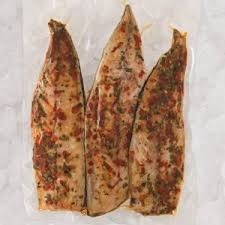
France – SMOKED PROVENCAL-STYLE MACKEREL FILLET – Listeria monocytogenes

Gov France

Product Category
Food
Product subcategory
Fishery and aquaculture products
Product brand name
Unbranded
Model names or references
SMOKED PROVENCAL-STYLE MACKEREL FILLET
Product identification
GTIN Batch Date
0209061000000 packed on 10/18/2024 Expiry date 10/28/2024
Packaging
Under a vacuum
Start/End of marketing date
From 10/18/2024 to 10/28/2024
Storage temperature
Product to be kept in the refrigerator
Geographic area of ​​sale
OLIVET
Distributors
E.LECLERC OLIVET

Research -Recent advances in the preservation effects of spice essential oils on fruits and vegetables

Science Direct

Abstract

Spice essential oils (SEOs) are currently a prominent area of investigation in food preservation due to their natural, effective, and environmentally friendly properties. This review discussed the latest research progress concerning the application of SEO in fruits and vegetables preservation. The article commenced with an overview of the sources of SEOs and their main components, explored their bioactivities, antimicrobial mechanisms, and the microencapsulation and nanotechnology utilizing spice essential oils. Further research explored the applications of SEOs in culinary, pharmaceuticals, cosmetics, agriculture, and food industries, with a focus on evaluating their effectiveness in extending the shelf-life of fruits and vegetables. Additionally, it discusses limitations such as intense aroma and toxicity concerns, while also outlining prospects for future research and applications in the food sector. Overall, SEOs offer promising avenues for effectively prolonging the storage period of post-harvested fruits and vegetables while maintaining their quality attributes.

Research – Vibrio parahaemolyticus Foodborne Illness Associated with Oysters, Australia, 2021–2022

CDC

Abstract

The bacterium Vibrio parahaemolyticus is ubiquitous in tropical and temperate waters throughout the world and causes infections in humans resulting from water exposure and from ingestion of contaminated raw or undercooked seafood, such as oysters. We describe a nationwide outbreak of enteric infections caused by Vibrio parahaemolyticus in Australia during September 2021–January 2022. A total of 268 persons were linked with the outbreak, 97% of whom reported consuming Australia-grown oysters. Cases were reported from all states and territories of Australia. The outbreak comprised 2 distinct strains of V. parahaemolyticus, sequence types 417 and 50. We traced oysters with V. parahaemolyticus proliferation back to a common growing region within the state of South Australia. The outbreak prompted a national recall of oysters and subsequent improvements in postharvest processing of the shellfish.

Research – Outbreak of Listeriosis Likely Associated with Baker’s Yeast Products, Switzerland, 2022–2024

CDC

Abstract

We traced back a nationwide outbreak of human listeriosis in Switzerland to a persisting production line contamination of a factory producing baker’s yeast with Listeria monocytogenes serotype 1/2a sequence type 3141. We used whole-genome sequencing to match clinical isolates to isolates from product samples.

Research – Effects of Combined Cold Plasma and Organic Acid-Based Sanitizer Treatments Against Salmonella enterica on Tomato Surfaces

Wiley Online

ABSTRACT

Incidence of foodborne illness due to bacterial contamination of fresh produce continue to exist despite continuous research on processing interventions to mitigate the problem. In this study, we combined atmospheric cold plasma treatments with an antimicrobial solution containing specific organic acids generally recognized as safe (GRAS) by the FDA and tested its antimicrobial efficacy against Salmonella enterica inoculated on tomato surfaces. Tomato surfaces were inoculated with at 5.6 log CFU/g of Salmonella by spotting 0.1 mL of 7 log CFU/ml Salmonella onto the tomato stem scars, and by dipping whole tomatoes into a solution of 7 log CFU/ml Salmonella for 3 min to achieve 4.1 log CFU/g. Antimicrobial efficacy of the organic acid-based sanitizer + cold plasma treatments for 30, 60, 120, 180, and 360 s, were investigated, and significant bacterial inactivation was achieved above 120 s treatments. At 120 s, surviving populations of aerobic mesophilic bacteria recovered on the tomatoes surfaces averaged < 2 logs/g while yeast and mold survival averaged < 1 CFU/g. Treatment combination with this organic acid-based sanitizer + cold plasma for 120 s resulted in a 4.9 log reduction of Salmonella on the stem scar area and a 3.9 log reduction on the smooth peel surface. Similarly, populations of aerobic mesophilic bacteria recovered on treated tomato surfaces averaged < 0.3 log CFU/g. The results of this study indicate that combining an organic acid-based sanitizer with cold plasma treatments for ≥ 120 s can inactivates significant populations of Salmonella to enhance the microbial safety of tomato surfaces designated for fresh-cut salad.