Category Archives: Food Microbiology Research

Ireland – Recall of a Batch of HELIO Sezam łuskany due to the Presence of Salmonella

FSAI

Summary
Category 1: For Action
Alert Notification: 2021.46
Product: HELIO Sezam łuskany; pack size: 200g
Batch Code: 65112; best before date: 30/09/2022
Country Of Origin: Poland

Message:

The above batch of HELIO Sezam łuskany (shelled sesame seeds) is being recalled due to the presence of Salmonella. The presence of Salmonella may make this product unsafe to eat.

Nature Of Danger:

People infected with Salmonella typically develop symptoms between 12 and 36 hours after infection, but this can range between 6 and 72 hours. The most common symptom is diarrhoea, which can sometimes be bloody.  Other symptoms may include fever, headache and abdominal cramps. The illness usually lasts 4 to 7 days. Diarrhoea can occasionally be severe enough to require hospital admission. The elderly, infants, and those with impaired immune systems are more likely to have a severe illness.

Action Required:

Consumers:

Consumers are advised not to eat the implicated batch.

Helio Sesame

Denmark – WGS project on Campylobacter gives insights in Denmark

Food Safety News

CDC Campy

The study showed that roughly half of human infections belong to genetic clusters, almost one third of clinical isolates match a chicken source, and most large clusters can be linked to poultry by WGS.

Researchers hope the knowledge and awareness raised will lead to a decrease in the Danish chicken-associated cases of campylobacteriosis in coming years.

Denmark had 5,389 cases in 2019 and 33 percent of conventional chicken meat samples were positive for Campylobacter at slaughter. One third of infections are estimated to be travel-related.

Typing-based surveillance of Campylobacter infections in 2019 enabled detection of large clusters and matched them to retail chicken isolates to react to outbreaks. Surveillance was also able to detect prolonged or reappearing outbreaks to help earlier interventions, according to the study published in the journal Eurosurveillance.

Research – Investigation of the Effectiveness of Disinfectants Used in Meat-Processing Facilities to Control Clostridium sporogenes and Clostridioides difficile Spores

MDPI

Spore-forming bacteria are a major concern for the food industry as they cause both spoilage and food safety issues. Moreover, as they are more resistant than vegetative cells, their removal from the food processing environment may be difficult to achieve. This study investigated the efficacy of the ten most commonly used disinfectant agents (assigned 1–10), used at the recommended concentrations in the meat industry, for their ability to eliminate Clostridium sporogenes and Clostridioides difficile spores. Test-tube based suspension assays suggested that disinfectants 2 (10% v/v preparation of a mixture of hydrogen peroxide (10–30%), acetic acid (1–10%) and peracetic acid (1–10%)), 7 (4% w/v preparation of a mixture of peroxymonosulphate (30–50%), sulphamic acid (1–10%) and troclosene sodium (1–10%)) and 10 (2% v/v preparation of a mixture of glutaraldehyde (10–30%), benzalkonium chloride (1–10%)) were the most effective formulations. D-values for these ranged from 2.1 to 8.4 min at 20 °C for the target spores. Based on these findings, it is recommended that these disinfectants are used to control Clostridium spores in the meat plant environment. View Full-Text

Research – Seventh external quality assessment scheme for Listeria monocytogenes typing

ECDC

Human listeriosis is a relatively rare but serious foodborne disease with an EU notification rate of 0.47 cases per 100 000 population in 2018 [3]. The number of human listeriosis cases in the EU increased between 2008 and 2016. In 2017-2018, the level of reported cases was stable.

Since 2007, ECDC has been responsible for the EU-wide surveillance of listeriosis, including facilitating detection, and investigation of foodborne outbreaks. Surveillance data, including basic typing parameters for the isolated pathogen, are reported by European Union/European Economic Area (EU/EEA) countries to The European Surveillance System (TESSy), including molecular typing data. This molecular surveillance system relies on the capacity of laboratories to provide comparable data to FWD-Net. In order to ensure the EQA is linked to the development of surveillance methods used by NPHRLs in the EU/EEA, EQAs 5 to 7 featured a molecular typing-based cluster analysis using either pulsed-field gel electrophoresis (PFGE) and/or whole-genome sequencing (WGS)-derived data.

The objectives of the EQA are to assess the quality and comparability of typing data reported by NPHRLs participating in FWD-Net. Test isolates for the EQA were selected to cover isolates currently relevant for public health in the EU and represent a broad range of clinically relevant types for invasive listeriosis. Two sets of 11 test isolates were selected for serotyping and molecular typing-based cluster analysis. Eighteen laboratories signed up and 17 completed the exercise, representing a decrease in participation from 20 laboratories (15%) for EQA-5, but the same level of participation as for EQA-6. The majority of participants (12/17; 71%) completed the full EQA scheme.

In total, 14 (82%) participants participated in the serotyping part. Molecular serogrouping results were provided by 13 of 15 (93%) participants. Three participants performed both conventional serotyping and molecular serogrouping. The performance of molecular serogrouping was highest, with 100% correct results. For the conventional method, 75% of the participants correctly serotyped all test isolates. One new participant mistyped five of the 11 isolates. Since the first EQA in 2012, a trend towards substituting conventional serotyping with molecular serogrouping has been observed.

Of the 17 laboratories participating in EQA-7, 15 (88%) performed molecular typing-based cluster analysis using a method of their choice. The purpose of the cluster analysis part of the EQA was to assess the NPHRL’s ability to identify a cluster of genetically closely related isolates, i.e. to correctly categorise the cluster test isolates regardless of the method used, not to follow a specific procedure.

The cluster of closely related isolates was pre-defined by the EQA provider using WGS-derived data. Therefore, as expected, the correct cluster delineation was difficult to obtain by the use of less discriminatory methods, e.g. PFGE. None of the three participants using PFGE did identify the correct cluster. Thirteen laboratories performed cluster analysis using WGS-derived data. Performance was high, with 100% of the participants correctly identifying the cluster of closely related isolates. An allele-based method was preferred since 84% (11/13) used core genome multilocus sequence type (cgMLST), compared with 16% (2/13) using single nucleotide polymorphism (SNP).

In EQA-7, the EQA provider introduced an additional part to the molecular typing-based cluster analysis: an assessment of four EQA provided genomes. This was designed to mimic an urgent outbreak situation, where sequence data may have been produced in other laboratories and the available sequences must be addressed despite, for example, possible poor quality. The majority of participants successfully identified the different characteristics in the modified genomes, and also correctly concluded one cluster isolate as being part of the cluster defined in the cluster analyses part of the EQA and one non-cluster genome as not being part of the cluster of closely related isolates.

In EQAs 5-7, participants were free to choose their preferred analytical method for the WGS-based cluster identification. The conclusion from EQA-5 was that cgMLST has higher consistency compared to SNP analysis. The conclusion was not as obvious in either EQA-6 or EQA-7, since only a few SNP analyses were reported in these schemes compared with six SNP analyses in EQA-5. One participant changed from SNP analysis to cgMLST and
identified the cluster correctly, unlike in EQA-6.

Research – A Systematic Review of Listeria Species and Listeria monocytogenes Prevalence, Persistence, and Diversity throughout the Fresh Produce Supply Chain

MDPI

Listeria monocytogenes is an increasing food safety concern throughout the produce supply chain as it has been linked to produce associated outbreaks and recalls. To our knowledge, this is the first systematic literature review to investigate Listeria species and L. monocytogenes prevalence, persistence, and diversity at each stage along the supply chain. This review identified 64 articles of 4863 candidate articles obtained from four Boolean search queries in six databases. Included studies examined naturally detected/isolated Listeria species and L. monocytogenes in fresh produce-related environments, and/or from past fresh produce associated outbreaks or from produce directly. Listeria species and L. monocytogenes were detected in each stage of the fresh produce supply chain. The greatest prevalence of Listeria species was observed in natural environments and outdoor production, with prevalence generally decreasing with each progression of the supply chain (e.g., packinghouse to distribution to retail). L. monocytogenes prevalence ranged from 61.1% to not detected (0.00%) across the entire supply chain for included studies. Listeria persistence and diversity were also investigated more in natural, production, and processing environments, compared to other supply chain environments (e.g., retail). Data gaps were identified for future produce safety research, for example, in the transportation and distribution center environment.

Research – Feedborne Salmonella enterica Serovar Jerusalem Outbreak in Different Organic Poultry Flocks in Switzerland and Italy Linked to Soya Expeller

MDPI

Poultry feed is a leading source of Salmonella infection in poultry. In Switzerland, heat-treated feed is used to reduce Salmonella incursions into flocks in conventional poultry production. By contrast, organic feed is only treated with organic acids. In 2019, the Swiss National Reference Center for Enteropathogenic Bacteria identified the rare serovar S. Jerusalem from samples of organic soya feed. Further, in July 2020, the European Union’s Rapid Alert System for Food and Feed published a notification of the detection of S. Jerusalem in soya expeller from Italy. During 2020, seven S. Jerusalem isolates from seven different poultry productions distributed over six cantons in Switzerland were reported, providing further evidence of a possible outbreak. Using whole-genome sequencing (WGS), S. Jerusalem isolates from feed and from animals in Switzerland were further characterized and compared to S. Jerusalem from organic poultry farm environments in Italy. WGS results showed that feed isolates and isolates from Swiss and Italian poultry flocks belonged to the sequence type (ST)1028, grouped in a very tight cluster, and were closely related. This outbreak highlights the risk of spreading Salmonella by feed and emphasizes the need for a heat-treatment process for feed, also in organic poultry production.

USA – How to Report Seafood-Related Natural Toxin Illness

FDA

To help FDA effectively investigate, remove unsafe seafood products from the market, and develop new prevention strategies, the FDA relies on illness reporting from public health officials and healthcare providers. While most foodborne outbreaks are tracked through the FDA’s Coordinated Outbreak Response and Evaluation (CORE) network, seafood-related illnesses caused by natural toxins have a unique reporting mechanism. This web page provides information on commonly occurring seafood-related illnesses and how to report them to the FDA.  To report an illness from raw bivalve molluscan shellfish, email the FDA at shellfishepi@fda.hhs.gov.

The FDA receives reports of illnesses associated with the consumption of specific types of fish. These illnesses may originate from the activity of certain bacteria, toxins produced by marine algae, or hazards inherent in the fish.

Commonly occurring illness:

Illness and reporting information for the commonly occurring illnesses are provided in each section. Contact the FDA with any questions or need for clarification of the illness or reporting.

In addition to the illnesses listed above, reporting of other less frequently occurring illnesses from natural toxins may be accomplished by emailing the FDA at Seafood.Illness@fda.hhs.gov.  Refer to Chapter 6 of the “Fish and Fishery Products Hazards and Controls Guidance” for a comprehensive list of natural toxin illnesses. To report illnesses related to miscellaneous natural toxin illnesses, please email FDA at Seafood.Illness@fda.hhs.gov.

The FDA works with first responders, physicians, and state and local health departments to investigate illnesses and outbreaks, manage them, and learn how to lessen future occurrences.

Research – Evaluation of Lactose Oxidase as an Enzyme-Based Antimicrobial for Control of L. monocytogenes in Fresh Cheese

MDPI

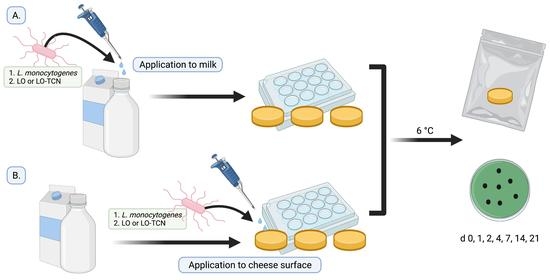
Listeria monocytogenes is a ubiquitous pathogen that can cause morbidity and mortality in the elderly, immune compromised, and the fetuses of pregnant women. The intrinsic properties of fresh cheese—high water activity (aW), low salt content, and near-neutral pH—make it susceptible to L. monocytogenes contamination and growth at various points in the production process. The aim of this study was to investigate the ability of lactose oxidase (LO), a naturally derived enzyme, to inhibit the growth of L. monocytogenes in fresh cheese during various points of the production process. Lab-scale queso fresco was produced and inoculated with L. monocytogenes at final concentrations of 1 log CFU/mL and 1 CFU/100 mL. LO and LO sodium thiocyanate (TCN) combinations were incorporated into the milk or topically applied to the finished cheese product in varying concentration levels. A positive control and negative control were included for all experiments. When L. monocytogenes was inoculated into the milk used for the cheese-making process, by day 28, the positive control grew to above 7 log CFU/g, while the 0.6 g/L treatment (LO and LO + TCN) fell below the limit of detection (LOD) of 1.3 log CFU/g. In the lower inoculum, the positive control grew to above 7 log CFU/g, and the treatment groups fell below the LOD by day 21 and continued through day 28 of storage. For surface application, outgrowth occurred with the treatments in the higher inoculum, but some inhibition was observed. In the lower inoculum, the higher LO and LO-TCN concentrations (0.6 g/L) reduced L. monocytogenes counts to below the LOD, while the control grew out to above 7 log CFU/g, which is a >5 log difference between the control and the treatment. These results suggest that LO could be leveraged as an effective control for L. monocytogenes in a fresh cheese. View Full-Text

USA – Timeline for Identifying and Reporting Illnesses in Foodborne Outbreaks

CDC

Ever wonder why the number of illnesses in a foodborne outbreak can increase for weeks, even after the contaminated food is off the market?

A series of events happen before public health officials can report that a case of illness is linked to an outbreak. Each event takes a certain amount of time. This time is known as the “reporting lag” or “lag window” of an outbreak. It is usually 3–4 weeks. For illnesses caused by some bacteria, such as Listeria, it may be longer. Public health officials work to speed up this process when possible.

The steps below outline what typically happens from the day someone eats a contaminated food to the day their illness is linked to a multistate foodborne outbreak investigated by CDC.*

Day 1: You eat a food containing harmful bacteria.
Day 3: You start to feel sick.
  • Symptoms of food poisoning (such as nausea and diarrhea) could start anywhere from a few hours to a few weeks later, depending on the bacteria you ingested. The following chart describes how long it typically takes for someone to have symptoms after being infected with some of the most common foodborne bacteria.
How long it typically takes for someone to have symptoms after being infected with some of the most common foodborne bacteria.
Bacteria Typical start of symptoms
Campylobacter 2–5 days
E. coli 3–4 days
Listeria 1–4 weeks
Salmonella 6 hours–6 days
Vibrio 1-2 days
Should I call the doctor?

Find out when some common food poisoning symptoms are severe enough to need medical attention. See the list

Day 5: You still feel sick with nausea or diarrhea, so you decide to see a healthcare provider.
  • To learn which germ is making you sick, the healthcare provider collects a sample of your stool (poop), urine (pee), or blood.
  • The provider sends your sample to a clinical laboratory for testing.
Day 6: The clinical laboratory tests your sample.
  • After receiving your sample, the laboratory takes 1–3 days to run tests, depending on their capacity.
Day 9: Clinical laboratory test results show what germ is causing your illness.
  • The clinical laboratory identifies the germ making you sick and reports the test results to your healthcare provider.
  • The clinical laboratory should also report test results to the state or local public health department, and they notify CDC.
Days 9–16: The clinical laboratory sends a sample of your bacteria to a public health laboratory.
  • The clinical laboratory ships the bacteria found in your sample to a public health laboratory for whole genome sequencing (WGS) analysis.
  • Shipping can take up to a week, depending on transportation arrangements in your state and the distance between the two laboratories.
Days 16–21: The public health laboratory performs WGS analysis and other tests on the bacteria.
  • The public health laboratory performs tests to determine the bacteria’s DNA fingerprint and other characteristics.
  • WGS testing and analysis of the results, including whether the bacteria is resistant to any antibiotics, can take 2–10 days depending on the bacteria.
What Is Whole Genome Sequencing?

CDC and public health laboratories use a technology called whole genome sequencing (WGS) to generate DNA fingerprints of bacteria causing illness. When bacteria have nearly identical DNA fingerprints, we consider them “genetically closely related.” Illnesses caused by bacteria that are genetically closely related are more likely to have a common source, such as a contaminated food. An outbreak is an event in which a group of people get similar illnesses from a common source. Disease detectives investigate outbreaks to find out what is making people sick.

Find out how CDC uses WGS to detect and solve foodborne outbreaks.

Day 22: The public health laboratory sends WGS results to CDC.
  • Within a day of analyzing the WGS results, state public health officials add the DNA fingerprint from the bacteria to PulseNet, a national laboratory network coordinated by CDC. PulseNet connects foodborne illnesses in order to identify outbreaks.
Day 23: CDC determines if your illness is related to other recent illnesses.
  • CDC scientists determine whether the bacteria causing your illness is closely related genetically to any other recent WGS results from other people in PulseNet.
  • If it is closely related to bacteria causing recent illnesses in other people, CDC may begin an outbreak investigation or add your illness to an ongoing investigation.

Total time: 34 weeks

*Most cases of illness, even those caused by common foodborne germs, are not linked to a foodborne outbreak. This can happen for many reasons. A major reason is that most illnesses are not part of an outbreak. Another reason is that germs that cause foodborne illness can also be spread in other ways, such as by water or directly from one person to another. Also, if an illness is diagnosed by a culture-independent diagnostic test, that case may not be linked to an outbreak because these tests do not provide the information needed to link it to an outbreak. In addition, many people do not seek medical care for foodborne illnesses, so their illnesses cannot be diagnosed or reported to public health officials.

UK – FSA working on reasons behind foodborne illness decline

Food Safety News

The Food Standards Agency’s chief scientific advisor has said potential trends in foodborne infections must be monitored after a decline during the COVID-19 pandemic.

Robin May said data from the past 12 months shows a substantial drop in foodborne disease rates for four major pathogens but this is likely because of fewer patients going to general practioners’ (GP) offices and reduced diagnostic testing during the coronavirus pandemic.

May said understanding the true level of foodborne disease in 2020 and early 2021 will require detailed analysis, work which the FSA has started.

“An accurate benchmark will be invaluable as we start to monitor post-COVID trends and establish, for instance, whether changes in domestic and commercial hygiene practices may ultimately lead to a lasting change in foodborne disease rates,” he said.

“In terms of foodborne disease reporting, the bottom line is we don’t know what the data really looked like for last year because so much of our data comes from things like GP reporting, which people were not doing.