Category Archives: Food Microbiology Blog

Research – Distribution and Characteristics of Listeria spp. in Pigs and Pork Production Chains in Germany

MDPI

Listeria (L.) monocytogenes is a foodborne pathogen that can cause disease, mainly in elderly, pregnant or immunocompromised persons through consumption of contaminated food, including pork products. It is widespread in the environment and can also be found in asymptomatic carrier animals, for example, in different tissues of pigs. To learn more about their nature, 16 Listeria spp. isolates found in tonsils and intestinal content of pigs and 13 isolates from the slaughterhouse environment were characterized using next-generation sequencing (NGS). A wide distribution of clonal complexes was observed in pigs, as well as in the pork production chain, suggesting multiple sources of entry. Hypervirulent clones were found in pig tonsils, showing the potential risk of pigs as source of isolates causing human disease. The presence of closely related isolates along the production chain suggests a cross-contamination in the slaughterhouse or recontamination from the same source, strengthening the importance of efficient cleaning and disinfection procedures. The phenotypical antimicrobial resistance status of L. monocytogenes isolates was examined via broth microdilution and revealed a low resistance level. Nevertheless, genotypical resistance data suggested multiple resistances in some non-pathogenic L. innocua isolates from pig samples, which might pose a risk of spreading resistances to pathogenic species. View Full-Text

Research – Insight into Bacillus cereus Associated with Infant Foods in Beijing

MDPI

This study was undertaken to investigate the prevalence, antimicrobial resistance, and virulence gene profiles of Bacillus cereus in different brands of infant formula in Beijing supermarkets. Eighty-eight Bacillus cereus isolates were recovered in sixty-eight infant formulas of five domestic brands and fourteen imported brands. The prevalence rate in domestic and imported samples were 70.6% and 52.9%, respectively. Lower mean prevalence level was found in domestic samples (1.17 MPN/g) compared with the imported samples (3.52 MPN/g). Twenty-four virulence gene profiles were found, and most strains carried at least one virulence gene. The prevalence of nheA, nheB, nheC, cytK, bceT, and entFM in domestic and imported brand samples was similar. The occurrence of enterotoxin genes hblA, hblC, and hblD in domestic samples were 22.2%, 27.8%, and 22.2%, respectively, which was significantly higher than imported samples. Antimicrobial drugs-susceptibility analysis showed that all isolates were susceptible to gentamincin, amikacin, and ciprofloxacin; 38%, 7%, and 2.3% were resistant to rifampin, tetracycline, and chloramphenicol, respectively; and only one isolate was resistant to trimethoprim-sulfamethoxazole. Moreover, the cell numbers of Bacillus cereus in prepared infant formula increased rapidly at room temperature. Thus, monitoring guidelines are needed for accepted levels of Bacillus cereus in infant formula.

Research – Genetic Diversity and Relationships of Listeria monocytogenes Serogroup IIa Isolated in Poland

MDPI

In the present study, 100 L. monocytogenes isolates of serogroup IIa from food and food production environments in Poland were characterized towards the presence of virulence, resistance, and stress response genes using whole-genome sequencing (WGS). The strains were also molecularly typed and compared with multi-locus sequence typing (MLST) and core genome MLST analyses. The present isolates were grouped into 6 sublineages (SLs), with the most prevalent SL155 (33 isolates), SL121 (32 isolates), and SL8 (28 isolates) and classified into six clonal complexes, with the most prevalent CC155 (33 strains), CC121 (32 isolates), and CC8 (28 strains). Furthermore, the strains were grouped to eight sequence types, with the most prevalent ST155 (33 strains), ST121 (30 isolates), and ST8 (28; strains) followed by 60 cgMLST types (CTs). WGS data showed the presence of several virulence genes or putative molecular markers playing a role in pathogenesis of listeriosis and involved in survival of L. monocytogenes in adverse environmental conditions. Some of the present strains were molecularly closely related to L. monocytogenes previously isolated in Poland. The results of the study showed that food and food production environments may be a source of L. monocytogenes of serogroup IIa with pathogenic potential.

Research – Using lactic acid to control Salmonella in raw dog food

Pet Food Processing

Can encapsulated and raw acidulants help to control Salmonella in raw meat-based dog foods? Samuel Kiprotich, a Ph.D. student at Kansas State University (KSU), presented his research on this topic at the American Feed Industry Association’s (AFIA) Pet Food Conference on Jan. 25, held in conjunction with International Production & Processing Expo (IPPE) in Atlanta, Ga.

Kiprotich noted that current methods of achieving kill steps for raw diets, such as high pressure pasteurization and irradiation, can be costly. The purpose of his study is to find a more inexpensive way to control foodborne pathogens, looking specifically at organic acids such as citric acid and lactic acids.

When incorporated into a raw meat-based pet food formula, organic acids can “shock” the product, causing discoloration and syneresis, Kiprotich explained. Encapsulating the organic acid, or coating it with edible vegetable oil, would allow it to be released more slowly into the product, “giving us the antimicrobial protection that we want without damaging the product,” he said.

Kiprotich’s study was conducted in two parts over a 22-day storage period: one to determine the efficacy of encapsulated and dry-plated lactic acids in controlling growth and survival of Salmonella enterica in a raw pet food, and another to monitor pH progression to measure acidity.

The experiment included two types of lactic acids — encapsulated and dry-plated — and three treatment levels for each acidulent: 1%, 2% and 3%. Two control diets formulated without acidulants were used, in which the positive control was inoculated with Salmonella, and the negative control was not inoculated.

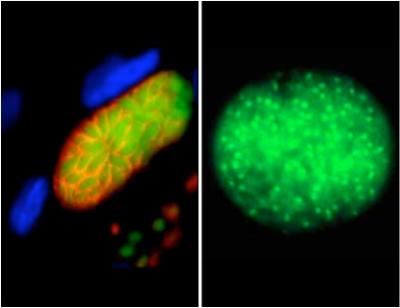
Research – Contamination of Soil, Water, Fresh Produce, and Bivalve Mollusks with Toxoplasma gondii Oocysts: A Systematic Review

MDPI

Toxoplas

Toxoplasma gondii is a major foodborne pathogen capable of infecting all warm-blooded animals, including humans. Although oocyst-associated toxoplasmosis outbreaks have been documented, the relevance of the environmental transmission route remains poorly investigated. Thus, we carried out an extensive systematic review on T. gondii oocyst contamination of soil, water, fresh produce, and mollusk bivalves, following the PRISMA guidelines. Studies published up to the end of 2020 were searched for in public databases and screened. The reference sections of the selected articles were examined to identify additional studies. A total of 102 out of 3201 articles were selected: 34 articles focused on soil, 40 focused on water, 23 focused on fresh produce (vegetables/fruits), and 21 focused on bivalve mollusks. Toxoplasma gondii oocysts were found in all matrices worldwide, with detection rates ranging from 0.09% (1/1109) to 100% (8/8) using bioassay or PCR-based detection methods. There was a high heterogeneity (I2 = 98.9%), which was influenced by both the sampling strategy (e.g., sampling site and sample type, sample composition, sample origin, season, number of samples, cat presence) and methodology (recovery and detection methods). Harmonized approaches are needed for the detection of T. gondii in different environmental matrices in order to obtain robust and comparable results.

France – BURRATA 100G – 120G – 200G – Pseudomonas fluorescens

Gov france

Identification information of the recalled product

  • Product category Food
  • Product subcategory Milk and dairy products
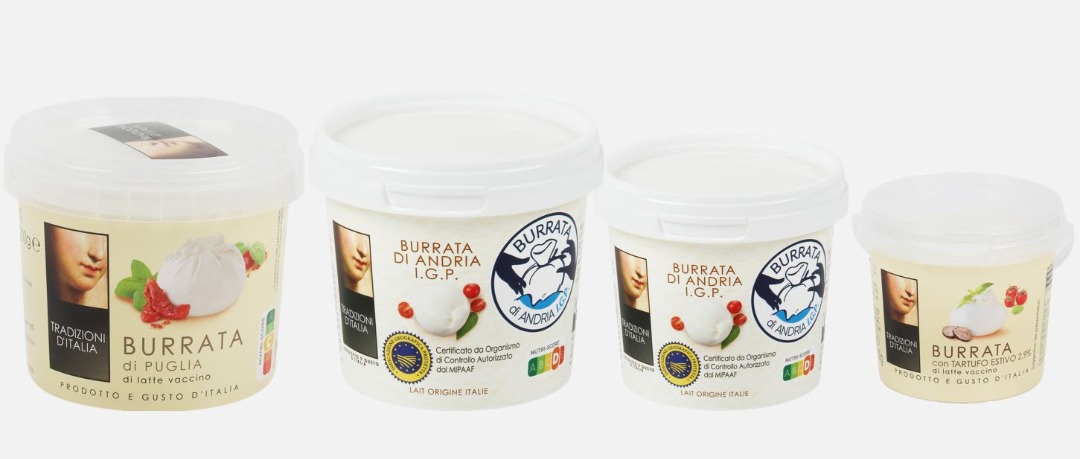
  • Product brand name TRADITIONI D’ITALIA
  • Model names or references BURRATA DI PUGLIA 200G – BURRATA DI ANDRIA IGP 120G and 200G – BURRATA CON TARTUFO ESTIVO 100G
  • Identification of products
    GTIN Lot Dated
    3760113766282 All lots Use-by date between 05/03/2022 and 19/03/2022
    3664335100322 All lots Use-by date between 05/03/2022 and 19/03/2022
    3760113768866 All lots Use-by date between 05/03/2022 and 19/03/2022
  • Packaging JARS OF 100G – 120G – 200G
  • Marketing start/end dateFrom 02/15/2022 to 03/03/2022
  • Storage temperature Product to be stored in the refrigerator
  • Health mark IT 16 153 EC
  • Geographic area of ​​sale Whole France
  • Distributors E.LECLERC

Practical information regarding the recall

  • Reason for recall Risk of presence of Pseudomonas fluorescens
  • Risks incurred by the consumer Pseudomonas
  • Additional description of the risk This bacterium is likely to degrade the product and give it a bad taste and a bluish color, making it inedible.

Belgium -Different Nuts & Berries brand bars – Aflatoxin B1

AFSCA

03/03/2022
Euras International recall
Product: Different Nuts & Berries brand bars.
Problem: Aflatoxin B1 content too high.


Euras International has decided, in agreement with the FASFC, to withdraw various bars of the Nuts & Berries brand from sale and to recall them from consumers due to an excessively high content of aflatoxin B1 in the Brazil nuts supplied by a supplier.

Euras International asks its customers not to consume these products and to bring them back to the point of sale.

Description of products

NUTS&BERRIES CASHEW APRICOT REPEN
LOT 21301 & DDM 28/12/2022

NUTS&BERRIES PECAN CINNAMON REPEN
LOT 21302 & DDM 29/12/2022

NUTS&BERRIES PROTEIN STRAWBERRY REPEN
LOT 21319 & DDM 15/01/2023

NUTS&BERRIES PROTEIN COCOA REPEN
LOT 21319 & DDM 15/01/2023

NUTS&BERRIES GINGER LIME
LOT 21300 & DDM 27/12/2022
LOT 21306 & DDM 02/01/2023

The products were distributed in Belgium via various points of sale.

For any further information contact:

Mustafa Kemal Akpinar
0032479280231

Luxembourg – UPDATE: RECALL: MATIAS BRAND YELLOW CORN FLOUR – Mycotoxins – Fumonsins

SAP

Exceeding the legal limit in fumonisins

Luxembourg food safety authorities are recalling the following product:

*Update

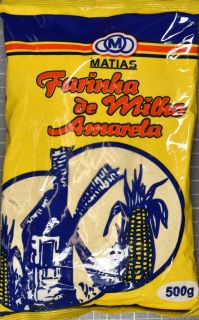
name Type 100 yellow corn flou
Mark matias
Unity 500g
Use-by date (DLC) April 2022
Lot 070621D2

Hazard description: Fumonisins

Fumonisins are toxins formed by molds of the genus Fusarium on maize under certain climatic conditions. Fumonisins are classified as “possibly carcinogenic” to humans.

Sold in Luxembourg by: Primavera,  Epicerie Fernandes*, Epicerie Petit Panier*, Butcher and Epicerie Le Coq*

A sale by other operators cannot be excluded.

Source of information: Official Control

Communicated by: Government Commission for Quality, Fraud and Food Safety .

France – Little Brie Normand Cheese – Salmonella

Gov france

Identification information of the recalled product

  • Product category Food
  • Product subcategory Milk and dairy products
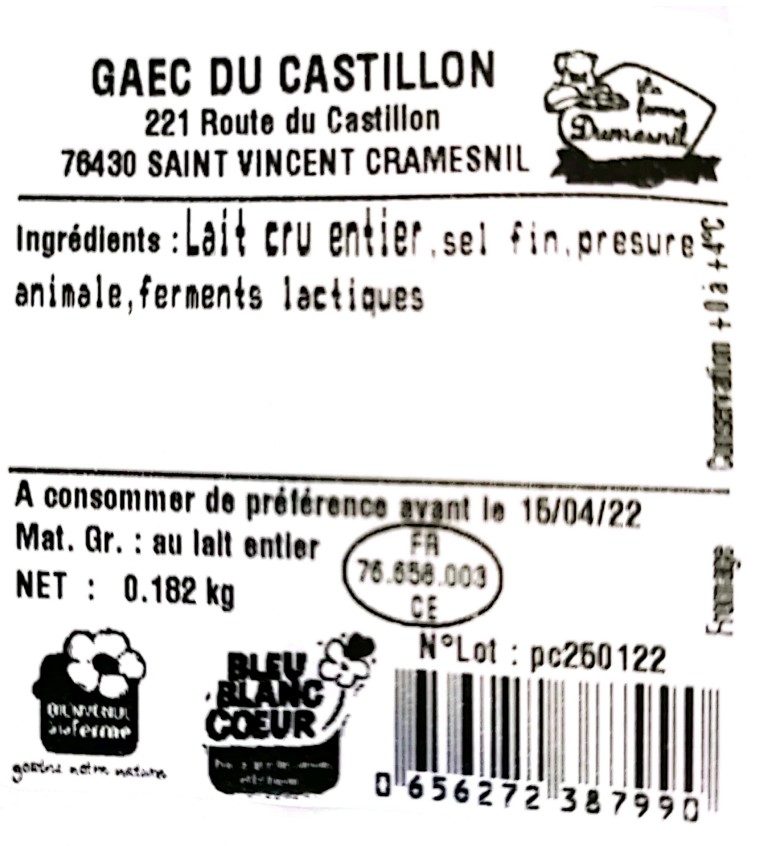
  • Product brand name THE FARM DUMESNIL
  • Model names or references P’tit brie normand, creamy & powerful, with whole raw milk
  • Identification of products
    GTIN Lot Date
    0656272387990 batch number: pc250122 for the whole brie Use-by date 04/15/2022
    0656272387990 batch number: pc250122 for the brie in part Use-by date 02/19/2022
    0656272387990 batch number: pc250122 for the brie in part Use-by date 02/26/2022
  • Packaging Whole Brie packed with micro-perforated packaging part of about 200g wrapped in cellophane film with DLC
  • Marketing start/end date From 07/02/2022 to 14/03/2022
  • Storage temperature Product to be stored in the refrigerator
  • Health mark FR 76,658,003 CE
  • Geographic area of ​​sale Regions: Normandy
  • Distributors See table List of points of sale below
  • List of points of saletraceability_of_brie_normand_du_25.01.22.pdf

Practical information regarding the recall

  • Reason for recall  presence of Salmonella
  • Risks incurred by the consumer Salmonella spp (causative agent of salmonellosis)

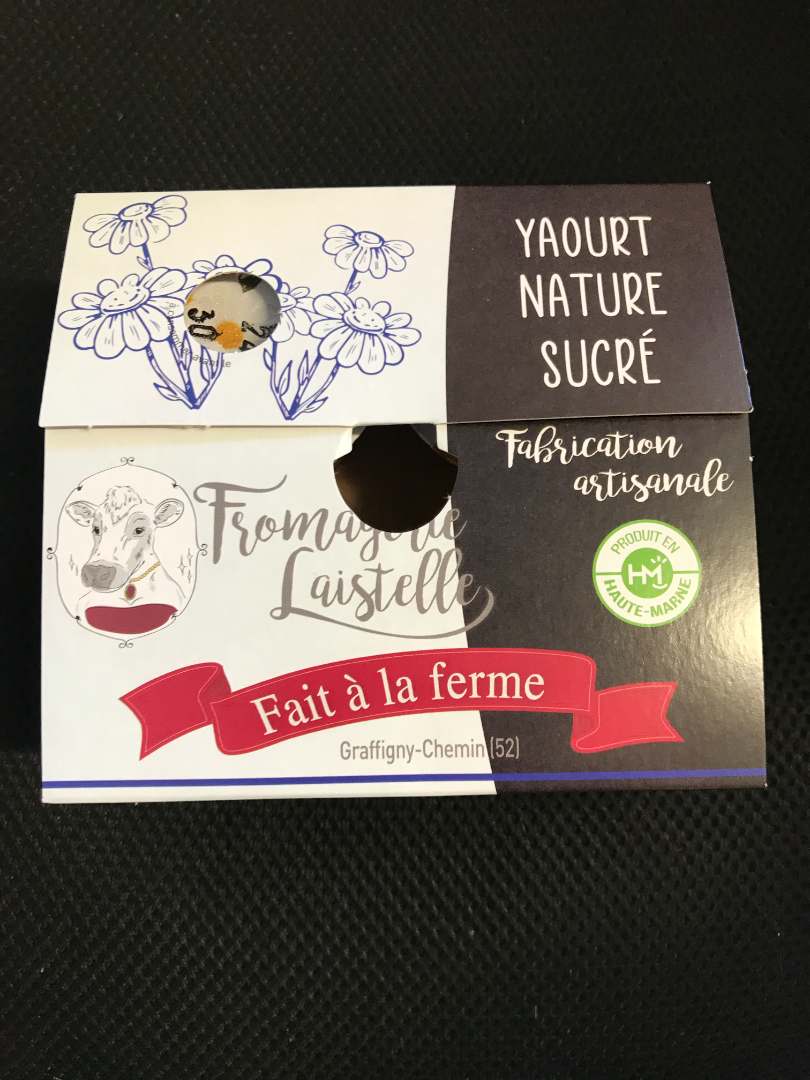
France – Plain sweetened yogurt pack*4 – Salmonella

Gov france

Identification information of the recalled product

  • Product category Food
  • Product subcategory Milk and dairy products
  • Product brand name Laistelle cheese dairy
  • Model names or references Plain sweetened yogurt pack*4
  • Identification of products
    GTIN Lot Dated
    3760260500371 3048 Use-by date 03/24/2022
  • Packaging pack of 4 yoghurts
  • Marketing start/end date From 02/22/2022 to 02/25/2022
  • Storage temperature Product to be stored in the refrigerator
  • Health marken52227001ce
  • Geographic area of ​​sale Whole France
  • Distributors Intermarché Longeau, Brin de campagne (chaumont), E.Leclerc Chaumont, E.Leclerc Troyes, E.Leclerc Langres.

Practical information regarding the recall

  • Reason for recall salmonella