rand : Fontina DOP 250 G Pascoli Italiani – expiry 10/04/2023
Denomination : Fontina DOP
Reason for reporting : Reminder for microbiological risk
Publication date : 10 March 2023


rand : Fontina DOP 250 G Pascoli Italiani – expiry 10/04/2023
Denomination : Fontina DOP
Reason for reporting : Reminder for microbiological risk
Publication date : 10 March 2023
Posted in food contamination, food handler, Food Hazard, Food Hygiene, Food Inspections, Food Micro Blog, Food Microbiology, Food Microbiology Blog, Food Microbiology Testing, Food Pathogen, Food Poisoning, Food Quality, food recall, Food Safety, Food Safety Alert, Food Safety Management, Food Safety Regulations, Food Testing, Food Toxin, STEC, STEC E.coli
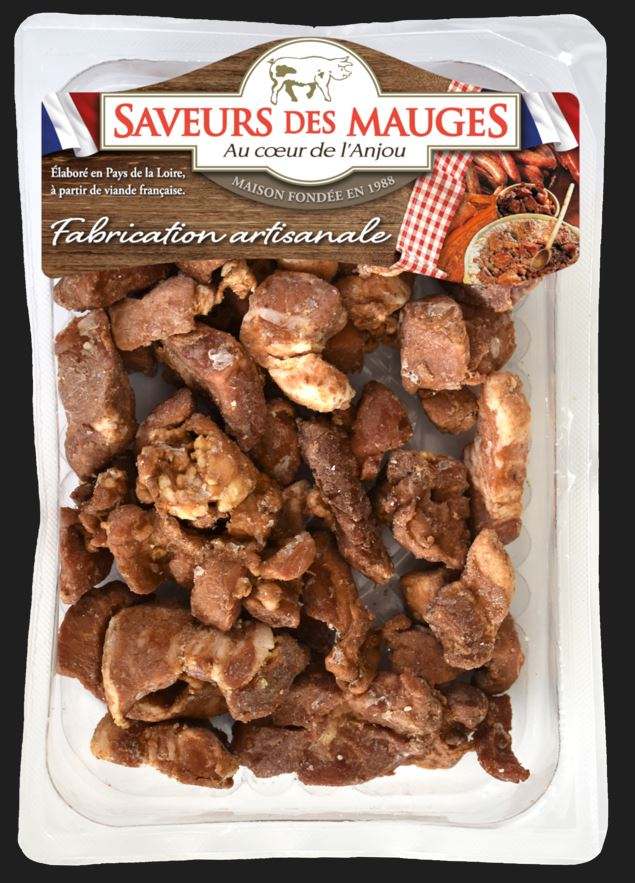
| GTIN | Batch | Date |
|---|---|---|
| 3340584109087 | 3061 | Use-by date 03/28/2023 |
| 3340584106079 | 3061 | Use-by date 03/28/2023 |
Posted in food contamination, food handler, Food Hazard, Food Hygiene, Food Inspections, Food Micro Blog, Food Microbiology, Food Microbiology Blog, Food Microbiology Testing, Food Pathogen, Food Quality, food recall, Food Safety, Food Safety Management, Food Safety Regulations, Food Testing, Listeria, Listeria monocytogenes

| GTIN | Batch | Date |
|---|---|---|
| 3700216261857 | 221213001 | Date of minimum durability 13/12/2025 |
| 3700216205806 | 221213001 | Date of minimum durability 13/12/2025 |
Posted in E.coli, food contamination, food handler, Food Hazard, Food Hygiene, Food Inspections, Food Micro Blog, Food Microbiology, Food Microbiology Blog, Food Microbiology Testing, Food Pathogen, Food Quality, food recall, Food Safety, Food Safety Alert, Food Safety Management, Food Safety Regulations, Food Testing
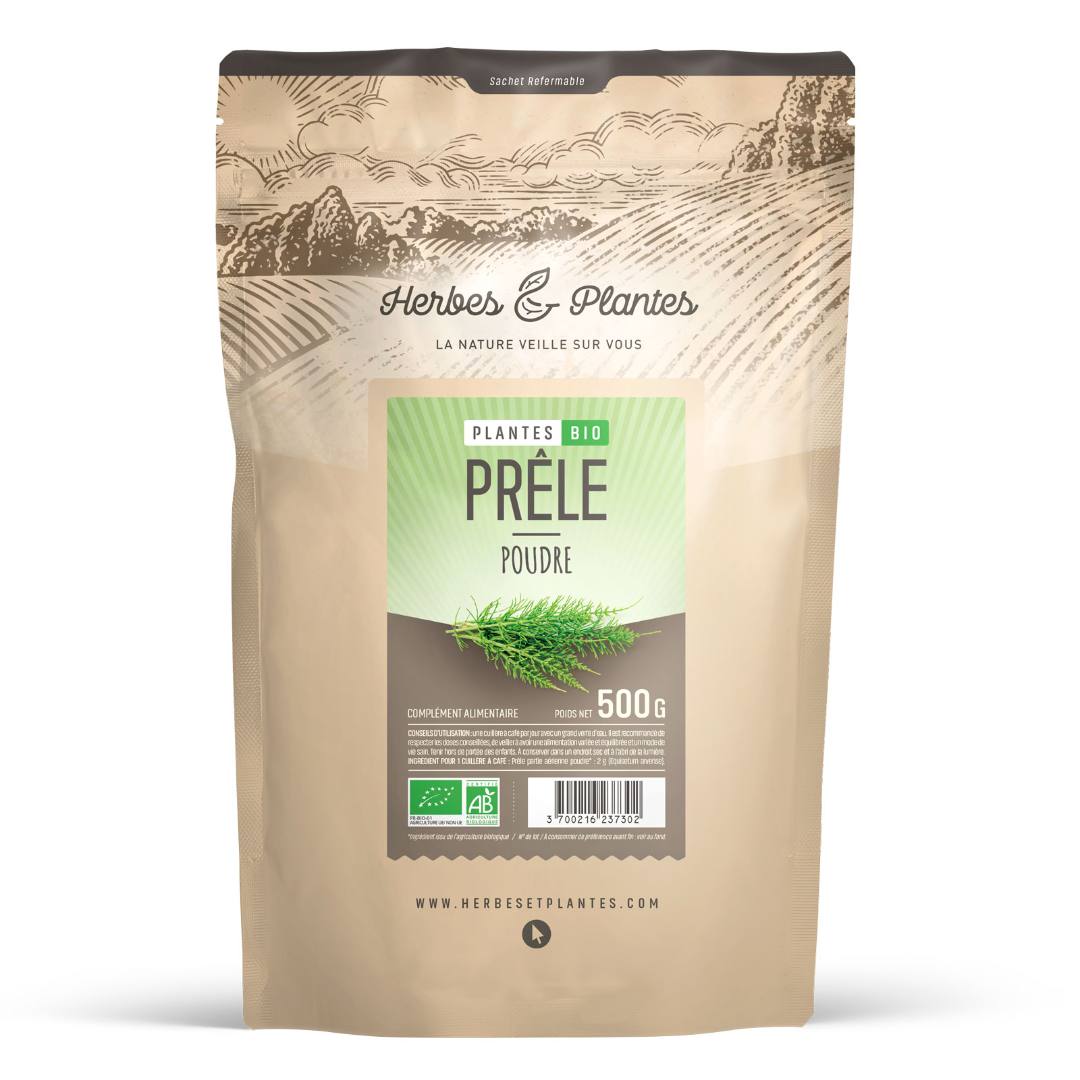
| GTIN | Batch | Date |
|---|---|---|
| 3700216237302 | 221006008 | Date of minimum durability 06/10/2024 |
| 3700216237302 | 221017008 | Date of minimum durability 17/10/2024 |
| 3700216237302 | 221102018 | Date of minimum durability 02/11/2024 |
| 3700216237302 | 221117013 | Date of minimum durability 17/11/2024 |
| 3700216237302 | 230103016 | Date of minimum durability 03/01/2025 |
| 3700216237302 | 230110011 | Date of minimum durability 10/01/2025 |
Posted in E.coli, food contamination, food handler, Food Hazard, Food Hygiene, Food Inspections, Food Micro Blog, Food Microbiology, Food Microbiology Blog, Food Microbiology Testing, Food Pathogen, Food Poisoning, Food Quality, food recall, Food Safety, Food Safety Alert, Food Safety Management, Food Safety Regulations, Food Testing

Posted in Cold Atmospheric Plasma, Cold Plasma, Decontamination Microbial, Food Micro Blog, Food Microbiology, Food Microbiology Blog, Food Microbiology Research, Food Microbiology Testing, Listeria, Listeria monocytogenes, microbial contamination, Microbial growth, Microbiological Risk Assessment, Microbiology, Microbiology Investigations, Microbiology Risk
On January 12, 2023 , Royal Decree 3/2023 came into force, establishing the technical-sanitary criteria for the quality of drinking water , its control and supply .
This new Royal Decree represents a new, broad and complex regulatory framework to protect human health from any contamination of drinking water. Establishes the technical-sanitary criteria and the quality control of drinking water throughout the supply chain, from catchment water bodies to the user’s tap, with the aim of guaranteeing that drinking water is healthy and clean.
It also specifically establishes the quality criteria for drinking water used in the food industry (CHAPTER VI Water quality in the food company) :
This regulation partially transposes Directive (EU) 2020/2184 in Spain , relating to the quality of water intended for human consumption and repeals Royal Decree 140/2003, which establishes the sanitary criteria for the quality of drinking water .
Posted in Decontamination Microbial, Food Micro Blog, Food Microbiology, Food Microbiology Blog, Food Microbiology Research, Food Microbiology Testing, microbial contamination, Microbial growth, Microbiological Risk Assessment, Microbiology, Microbiology Investigations, Microbiology Risk, Water, water microbiology, Water Safety
Posted in Antimicrobials, Campylobacter, Decontamination Microbial, E.coli, Food Micro Blog, Food Microbiology, Food Microbiology Blog, Food Microbiology Research, Food Microbiology Testing, microbial contamination, Microbial growth, Microbiological Risk Assessment, Microbiology, Microbiology Investigations, Microbiology Risk

There is a significant burden of illness in Canada from foodborne salmonellosis and campylobacteriosis. Both epidemiological evidence end expert opinion recognize poultry and poultry derived products as an important source of these illnesses.
Salmonella and Campylobacter are known to occur naturally in live poultry and contamination may occur at any stage of the farm-to fork production. Accordingly, food businesses that slaughter poultry or process poultry products need to consider Salmonella and Campylobacter as hazards of concern to their products and implement control measures throughout their production process to mitigate risks. Food businesses can verify the efficacy of their control measures, such as sanitary dressing procedures and antimicrobial interventions by implementing the PRMP.
Posted in Campylobacter, campylobacter coli, Campylobacter jejuni, Food Micro Blog, Food Microbiology, Food Microbiology Blog, Food Microbiology Research, Food Microbiology Testing, microbial contamination, Microbial growth, Microbiological Risk Assessment, Microbiology, Microbiology Investigations, Microbiology Risk, Salmonella, Salmonella in Chicken

About 10 percent of the passengers and 3 percent of the crew onboard were sick, according to the CDC.
Posted in food bourne outbreak, Food Illness, Food Micro Blog, Food Microbiology, Food Microbiology Blog, Food Microbiology Research, Food Microbiology Testing, Foodborne Illness, foodborne outbreak, foodbourne outbreak, Illness, microbial contamination, Microbial growth, Microbiological Risk Assessment, Microbiology, Microbiology Investigations, Microbiology Risk, Norovirus, outbreak


