Category Archives: Food Microbiology Blog

UK – Port health agency stops import of Salmonella tainted chicken

Food Safety News

Port health officials in England have blocked a shipment of cooked chicken from entering the country because it was contaminated with Salmonella.

Suffolk Coastal Port Health Authority (SCPHA), part of East Suffolk Council, recently discovered Salmonella Mbandaka in 21,800-kilograms (48,000 pounds) of cooked chicken imported to the Port of Felixstowe.

In the UK, more than 130 people are sick with Salmonella Mbandaka after eating chicken products from Ukraine. Four patients were admitted to hospital and one person has died.

Intensified Official Controls started in April. This included a requirement that the next 10 imported consignments from the implicated establishment would be subject to extra inspections.

USA – DPH warns residents about severe Vibrio infections caused by consumption of raw shellfish or exposure to salt or brackish water

CT Portal

The Connecticut Department of Public Health (DPH) is warning residents about the potential dangers of consuming raw shellfish and exposure to salt or brackish water along Long Island Sound, due to severe Vibrio vulnificus infections.

 Since July 1, three cases of V. vulnificus infections have been reported to DPH. The three patients are between 60-80 years of age. All three patients were hospitalized and one died.  One patient reported consuming raw oysters from an out-of-state establishment. Two patients reported exposure to salt or brackish water in Long Island Sound. Both patients had pre-existing open cuts or wounds or sustained new wounds during these activities which likely led to the infections. 

 “The identification of these severe cases, including one fatality, due to V. vulnificus is concerning,” said DPH Commissioner Manisha Juthani, MD. “People should consider the potential risk of consuming raw oysters and exposure to salt or brackish water and take appropriate precautions. Particularly during the hottest months of the summer, bacteria are more likely to overgrow and contaminate raw shellfish. Given our current heat wave, this may be a time to exercise particular caution in what you consume.”

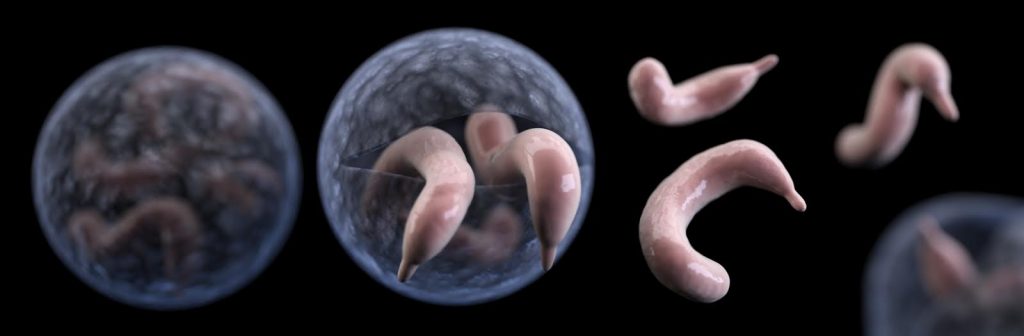
Ireland – Boil notice an ongoing risk for the immunocompromised in West Limerick -Cryptosporidium

Limerick Post

LIMERICK residents who are at risk by being immunocompromised may be waiting months before they can shower in their own homes.

“Months” is how long Uisce Éireann says it may be until it can put a new treatment system in place to deal with cryptosporidium (a parasite found in human and animal faeces) found in the water supply at the Shannon Estuary Water Treatment Plant, which has seen a boil notice enforced in the area since May.

Affected households have been told that the water is safe to drink and to use to brush teeth if boiled, but medical experts warn that while infection can cause healthy people to become mildly ill, it can lead to a life-threatening illness for people with weak immune systems.

USA – Salmonella tainted Raw Milk sickens 5 children in Minnesota

Food Poison Journal

The Minnesota Department of Health (MDH) is investigating a cluster of five illnesses caused by the bacteria Salmonella Typhimurium among children from the Twin Cities metro. The families of two children reported that they consumed unpasteurized milk. Information could not be obtained from the remaining families, but the bacteria from the cases were found to be identical through laboratory analysis. This indicates the infections came from the same source.

The cases include children ranging in age from 3 months to 10 years who became ill between the end of June and early July. One child was hospitalized.

Israel – Salmonella fears spark product recall by Shewa Frozen Dough Industries

Jpost

Salmonella bacteria were found in several products after an inspection by the Health Ministry’s Central District Food Service.

Shewa Frozen Dough Industries issued a recall of several products due to possible salmonella contamination on Thursday.

An inspection by the Health Ministry’s Central District Food Service revealed salmonella bacteria in the following products:

Kreplach “10” filled with chicken meat weighing 500 grams Barcode 7290005786990 Production date 07.17.2023 Expires 09.16.2023.

Luxembourg – LOUÉ BRAND FREE-RANGE CHICKEN THIGHS – Listeria monocytogenes

SAP

Name

Free-Range Chicken Thigh

Brand

Rented

bar code

3266980318819

Use-by date (DLC)

07/14/23

Sale period

04/07/2023 to 14/07/2023

Danger  : Possible presence of Listeria monocytogenes

Listeria monocytogenes can cause fever, headache and gastroenteritis. Vulnerable people such as immunocompromised and elderly people and young children may present with neurological symptoms due to meningitis. Pregnant women should also be especially alert to these symptoms. Gastroenteritis can appear between a few hours and 3 days after consumption, while neurological symptoms can only appear after 3 months. People who have consumed these products and have these symptoms are invited to consult a doctor and report this consumption to him.

The product can be distributed by various points of sale in Luxembourg.

Information Source: Recall Notification

Click to access 20230727-rappel-affichette-haut-de-cuisse-de-poulet-lou.pdf

Canada reports nearly 200 non-travel related Cyclospora infections

Outbreak News Today

The Public Health Agency of Canada (PHAC) reports investigating 185 non-travel related Cyclospora illnesses as of July 18, 2023.

170 cases, or 92 percent of the cases have been reported in Ontario with the other 15 cases reported from Quebec (9) and British Columbia (6).

Four people were hospitalized for their illnesses.

Germany – PLESSEBLUE – alternative to blue cheese – Bacillus cereus

LMW

Alert type: Groceries
Date of first publication: 07/28/2023
Product name: PLESSEBLUE – alternative to blue cheese
Product images:

Plesse Blue Front.JPG

Cashewrella GmbH

Plesse Blue Backside.JPG

Cashewrella GmbH

Manufacturer (distributor):

Cashewrella GmbH & Co. KG Tiefenbrunner Str. 1 37124 Rosdorf

Reason for warning:

Health hazard from Bacillus cereus

Packaging Unit: 170g
Durability: 07/30/2023
Lot identification: EAN: 4270001908735
Additional Information:

Bacillus cereus

The pathogen Bacillus cereus can produce toxins. In this case, its intake usually leads to sudden nausea and vomiting or diarrhea and abdominal cramps within a few hours. The symptoms usually subside on their own within a day. Babies, small children and the elderly in particular can develop more severe illnesses. Anyone who has eaten this food and develops severe or persistent symptoms should seek medical attention and report possible Bacillus cereus poisoning. It makes no sense to seek preventive medical treatment without symptoms.

Manufacturer’s website:

Germany – ‘Caciotta – Caciotta’, unwrapped cheese wheels, 400 g – Foodborne Outbreak -STEC E.coli O26

LMW

Alert type: Groceries
Date of first publication:

07/28/2023

Product name:

‘Caciotta – Caciotta’, unwrapped cheese wheels, 400 g

Manufacturer (distributor):

farm in Malga di Coredo, in the province of Trento, Italy

Reason for warning:

foodborne disease outbreak HUS (hemolytic uremic syndrome) caused by Shiga toxin-producing Escherichia coli O26 (STEC)

Packaging Unit: á 400 g, total net weight: 20 kg, 50 units
Durability: not specified
Production date: not specified
Lot identification: 24623 and 17623
Additional Information:

Goods that were sold directly to end consumers before July 14, 2023 are affected. It cannot be ruled out that the product concerned was also bought by tourists.

Do not consume this product. If you experience symptoms such as diarrhoea, vomiting, severe abdominal pain, drowsiness, reduced urine production (anuria) and weakness and lack of energy (asthenia), please contact a doctor.

BVL Email:

poststelle@bvl.bund.de

Canada – SSS brand Mushroom (enoki) recalled due to Listeria monocytogenes

CFIA

Mushroom (enoki)
Issue
Food – Microbial Contamination – Listeria
What to do

Do not consume, use, sell, serve, or distribute recalled products

Distribution
Ontario

The affected product is being recalled from the marketplace due to possible Listeria monocytogenes contamination.

  • If you think you became sick from consuming a recalled product, contact your healthcare provider
  • Check to see if you have recalled products
  • Do not consume, serve, use, sell, or distribute recalled products
  • Recalled products should be thrown out or returned to the location where they were purchased

Food contaminated with Listeria monocytogenes may not look or smell spoiled but can still make you sick. Symptoms can include vomiting, nausea, persistent fever, muscle aches, severe headache and neck stiffness. Pregnant women, the elderly and people with weakened immune systems are particularly at risk. Although infected pregnant women may experience only mild, flu-like symptoms, the infection can lead to premature delivery, infection of the newborn or even stillbirth. In severe cases of illness, people may die.