Category Archives: Food Micro Blog

USA- CIBUS Fresh, is Recalling CIBUS Fresh Products Containing Glenview Farms Spreadable Brie, 2/3lb Due to Supplier Notification of a Possible Listeria monocytogenes

FDA

CIBUS Fresh, Noblesville, Indiana, is recalling CIBUS Fresh products containing Glenview Farms Spreadable Brie, 2/3lb due to supplier notification of a possible Listeria monocytogenes (products are listed below). Product was distributed under the following labels: CIBUS Fresh, Jack & Olive, and Sprig and Sprout.

CIBUS Fresh has ceased producing and distributing products containing Glenview Farms Spreadable Brie, 2/3lb.

Use or consumption of products contaminated with Listeria monocytogenes can cause serious and sometimes fatal infections in young children, frail or elderly people, and others with weakened immune systems. Although healthy individuals may suffer only short-term symptoms such as high fever, severe headache, stiffness, nausea, abdominal pain and diarrhea, Listeria infection can cause miscarriages and stillbirths among pregnant women.

The product was distributed to six states: Kentucky, Illinois, Indiana, Missouri, Ohio, and Tennessee.

Product Name Item Number /
Code
Item UPC Expiration Date
CF/ Autumn Turkey
Sandwich 9.65oz
79616 00810028251915 11/02/24 to 11/09/24
J&O Autumn Turkey
Sandwich 9.65oz
79615 00810028251915 11/02/24 to 11/09/24
S&S Autumn Turkey
Sandwich 9.65oz
84408 00810028251915 11/03/24 to 11/09/24

No other CIBUS Fresh products are affected or are involved in this recall.

Food safety remains a top priority for CIBUS Fresh and we have full confidence that all appropriate steps are being taken to protect our consumers. CIBUS Fresh has informed the FDA of this recall and is working with customers to ensure the impacted product is removed from store shelves and is no longer distributed.

If consumers believe they have purchased a recalled item, they should dispose of the product and not consume it or return it to the place of purchase for a full refund. For further information regarding the Brie Recall Consumers can learn more at: https://www.fda.gov/safety/recalls-market-withdrawals-safety-alerts/savencia-cheese-usa-announces-expanded-voluntary-recall-select-soft-ripened-cheeses?utm_medium=email&utm_source=govdelivery

Please contact Chelsea Mascari by email at chelseam@freshedgefoods.com or by phone at 317-981-3460 for any questions related to this matter.
USA – Yu Shang Food Inc. Recalls Ready-to-Eat Meat and Poultry Products Due to Possible Listeria Contamination

FSIS USDA

Yu Shang Food, Inc, a Spartanburg, SC, establishment, is recalling approximately 4,589 pounds of ready-to-eat (RTE) meat and poultry products out of an abundance of caution. These products may be adulterated with Listeria monocytogenes, according to the U.S. Department of Agriculture’s Food Safety and Inspection Service (FSIS).

The ready-to-eat meat and poultry items were produced from October 21 to October 27, 2024. These products have “used by” dates ranging from 21-AUG-2025 through 27-AUG-2025. View full product listView labels.

The products subject to recall bear establishment number “P-46684” or “EST. M46684” inside the USDA mark of inspection. These items were shipped to retail locations nationwide and available for purchase online.

The problem was discovered after FSIS performed routine testing and follow-up activities of finished product produced by Yu Shang Food, Inc. on October 21, 2024, that confirmed the product was positive for Listeria monocytogenes.

Consumption of food contaminated with L. monocytogenes can cause listeriosis, a serious infection that primarily affects older adults, persons with weakened immune systems, and pregnant women and their newborns. Less commonly, persons outside these risk groups are affected.

Listeriosis can cause fever, muscle aches, headache, stiff neck, confusion, loss of balance and convulsions sometimes preceded by diarrhea or other gastrointestinal symptoms. An invasive infection spreads beyond the gastrointestinal tract. In pregnant women, the infection can cause miscarriages, stillbirths, premature delivery or life-threatening infection of the newborn. In addition, serious and sometimes fatal infections in older adults and persons with weakened immune systems. Listeriosis is treated with antibiotics. Persons in the higher-risk categories who experience flu-like symptoms within two months after eating contaminated food should seek medical care and tell the health care provider about eating the contaminated food. Anyone concerned about an injury or illness should contact a healthcare provider.

FSIS is concerned that some product may be in consumers’ refrigerators/freezers. Consumers who have purchased these products are urged not to consume them. These products should be thrown away or returned to the place of purchase.

FSIS routinely conducts recall effectiveness checks to verify recalling firms notify their customers of the recall and that steps are taken to make certain that the product is no longer available to consumers. When available, the retail distribution list(s) will be posted on the FSIS website at www.fsis.usda.gov/recalls.

Media and consumers with questions regarding the recall can send an email to yushangchicken@gmail.com or contact Ling Li, Yu Shang Food, Inc. Plant Manager, at 408-857-0901.

Consumers with food safety questions can call the toll-free USDA Meat and Poultry Hotline at 888-MPHotline (888-674-6854) or send a question via email to MPHotline@usda.gov. For consumers that need to report a problem with a meat, poultry, or egg product, the online Electronic Consumer Complaint Monitoring System can be accessed 24 hours a day at https://foodcomplaint.fsis.usda.gov/eCCF/.

Product Images

Research – Machine Learning and Predictive Microbiology: Enhancing Food Safety Models

Frontiers In.org

The field of food safety is critical in ensuring that the food supply remains safe and nutritious from production to consumption. One of the most pressing challenges in this area is controlling microbial growth, which can significantly reduce the shelf life of food products and pose health risks. The composition and physicochemical characteristics of food can either inhibit or promote the growth of foodborne pathogens. Traditional microbial growth models, often used in laboratory settings, do not always translate well to real-world food environments due to the unique conditions present in food systems. Predictive microbiology has emerged as a valuable tool in this context, allowing researchers to predict the behavior of pathogenic and spoilage microorganisms under various controlled conditions. Despite advancements, there remain significant gaps in our understanding of how to effectively apply these models across different stages of the food processing chain. The need for more comprehensive and adaptable models is evident, particularly as the food industry continues to evolve its processing techniques to enhance food safety and shelf life.
This research topic aims to explore the development and application of predictive models in food safety throughout the processing chain. The primary objectives include understanding how new processing conditions impact microbial safety, examining the interactions between food ingredients and antimicrobials, and developing robust models that can predict microbial behavior in diverse food environments. Specific questions to be addressed include: How do changes in food composition affect microbial growth? What are the best practices for integrating machine learning into predictive microbiology? How can we construct and validate models that are applicable across various stages of food production?
To gather further insights into the boundaries of predictive models in food safety, we welcome articles addressing, but not limited to, the following themes:
– Impact of new food processing conditions on the microbial safety of the final product
– Interaction of added antimicrobials and food ingredients on food safety
– Use of growth/no growth models for the growth of pathogens
– Impact of food composition modifications on the growth of pathogens or concentration of toxins
– Development of empirical or theoretical models for assessing microbial growth under food system conditions
– Machine learning applications in predictive microbiology
– Construction and validation of tertiary predictive models

Research – EPA Approves First Antimicrobial Treatment of Foodborne Pathogens in Preharvest Agricultural Water

Food Safety.com

The first-ever registration of an antimicrobial treatment for foodborne pathogens in preharvest agricultural water has been approved by the U.S. Environmental Protection Agency (EPA), setting a new precedent for preharvest agricultural water treatments specifically intended to reduce the presence of pathogens that affect food safety.

The successful registration of SANIDATE 12.0 is the result of a collaborative effort between EPA and the U.S. Food and Drug Administration (FDA) to develop and refine an efficacy protocol to support such registrations. Using the revised efficacy protocol, the University of Arizona and industry members worked together to register SANIDATE 12.0 for use against foodborne pathogens like Escherichia coli and Salmonella in preharvest agricultural water, and to provide feedback on the protocol that informed updates regarding testing parameters and to clarify the protocol for future users.

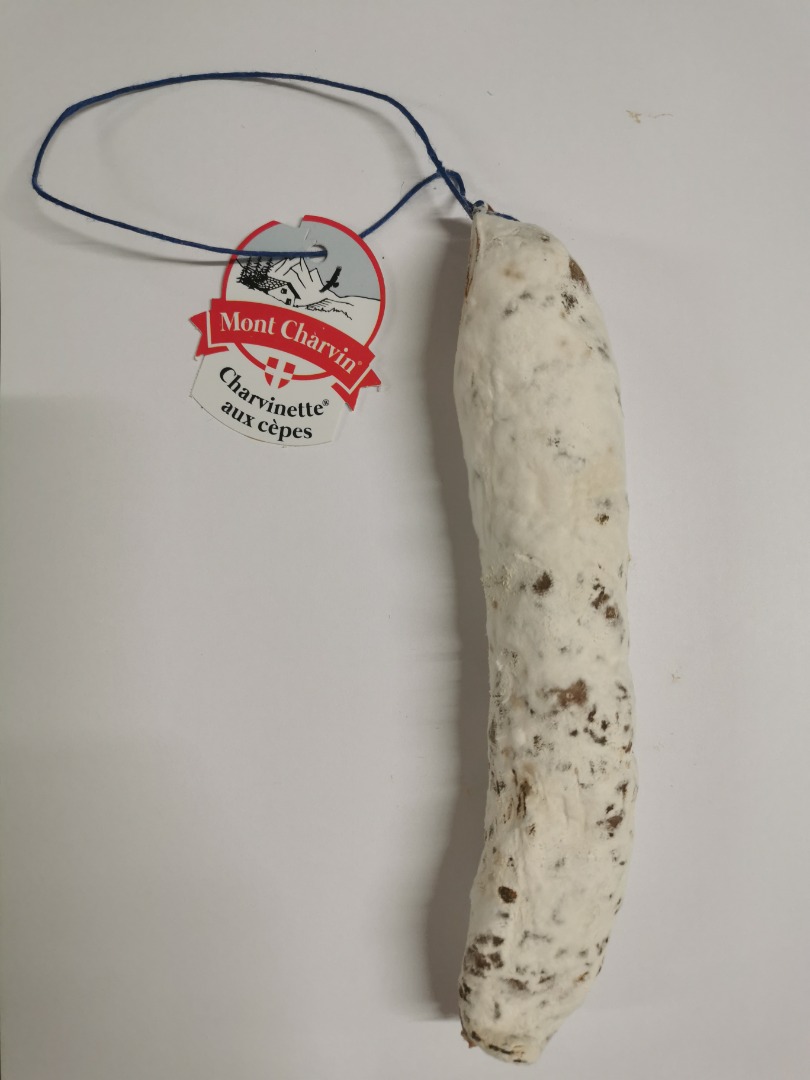
France – CHARVINETTE WITH PORCINI MUSHROOMS – Bacillus cereus

Gov France

Product Category
Food
Product subcategory
Meats
Product brand name
Mont Charvin Salting
Model names or references
Lot 261/24
Product identification
Batch
Lot 261/24
List of products
List_of_products_affected_by_the_recall.pdfAttachment
Storage temperature
Product to be kept in the refrigerator
Health mark
FR.74-104-001 CE
Geographic area of ​​sale
Whole France
Distributors
FROMAGERIE BOUCHET, LA CHAINEE CUTING, KD’O, SAS Our farmers of Savoy, SICA MOUTIERS MAG VALLEE ET MONTAGNE, SAS Our farmers of Savoy, RUGA NICOLE, LA MAISON DU SAUCISSON, MAGMONT CHARVIN DOUSSARD/GILLY, SICA MOUTIERS

France – Tahin helva – Halva mit Vanille – Salmonella

Gov France

Product Category
Food
Product subcategory
Nuts and seeds
Product brand name
buram
Model names or references
Tahin helva – Halva mit Vanille
Product identification
GTIN Batch Date
4260157578548 LN: SH 2308 Minimum durability date 13/12/2025
Storage temperature
Product to be stored at room temperature
Geographic area of ​​sale
Departments: ALPES-MARITIMES (06), BOUCHES-DU-RHONE (13), PUY-DE-DOME (63), SEINE-SAINT-DENIS (93)
Distributors
see attachment

RASFF Alerts – Ochratoxin – Dried Figs

RASFF

Sum of aflatoxins and ochratoxins in dried figs from Türkiye in Italy

RASFF

Sum of aflatoxins and ochratoxins in dried figs from Türkiye in Italy

RASFF

Presence of ochratoxins in dried figs from Türkiye in Italy

RASFF

Ochratoxin A in dried figs from Turkey in Spain

RASFF Alert – STEC E.coli – Minced Mutton and Beef

RASFF

Shigatoxigenic Esherichia coli in minced meat (mutton and beef) from Iceland in Germany

RASFF Alert- Norovirus – Oysters

RASFF

Norovirus in oysters, origin Ireland, via the Netherlands and France in Belgium

RASFF Alert – Mold/Mould – Gluten Free Bread

RASFF

Mold growth in multigrain gluten-free bread from Germany in Slovakia