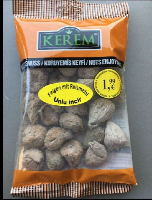
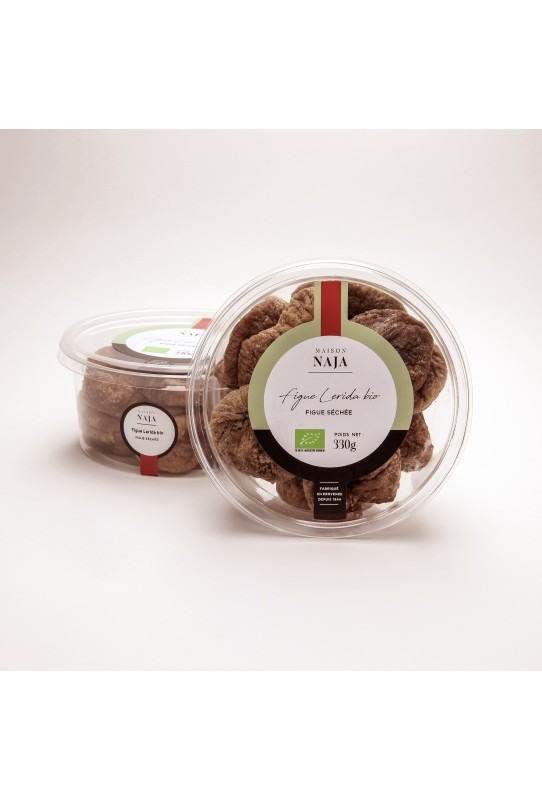
Kerem – mini figs – 250g
Exceeding the limit value of the active substance ochratoxin A
Kerem – mini figs – 250g
Exceeding the limit value of the active substance ochratoxin A
Posted in food contamination, food handler, Food Hazard, Food Hygiene, Food Inspections, Food Micro Blog, Food Microbiology, Food Microbiology Blog, Food Microbiology Testing, Food Poisoning, food recall, Food Safety, Food Safety Alert, Food Temperature Abuse, Food Testing, Food Toxin, Mold Toxin, Mould Toxin, Mycotoxin, Ochratoxin, Ochratoxin A

| GTIN | Lot | Dated |
|---|---|---|
| 3760064261461 | 22-042 | Use-by date 03/22/2022 |
| 3760064261461 | D22-042 | Use-by date 03/23/2022 |
| 3760064261461 | S22-063 | Use-by date 04/12/2022 |
| 3760064261461 | S22-080 | Use-by date 04/29/2022 |
Do not consume, use, sell, serve, or distribute the recalled products
Do not consume the recalled products
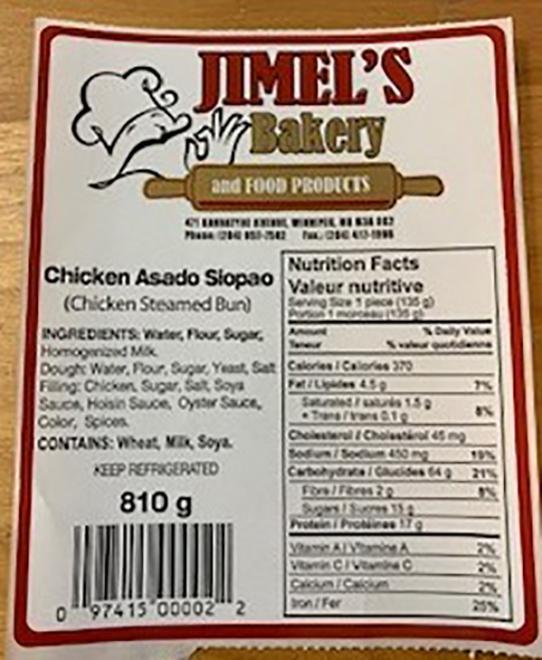
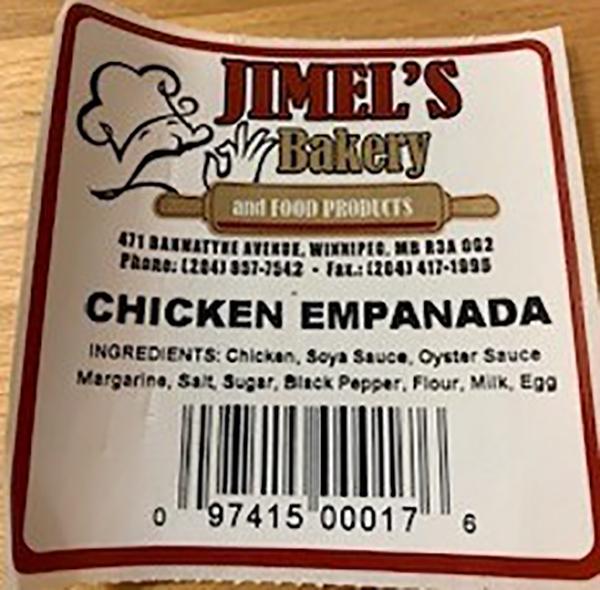
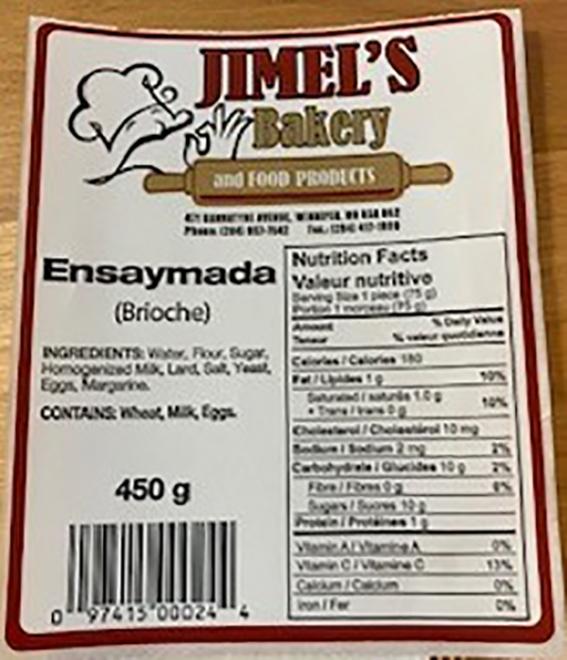
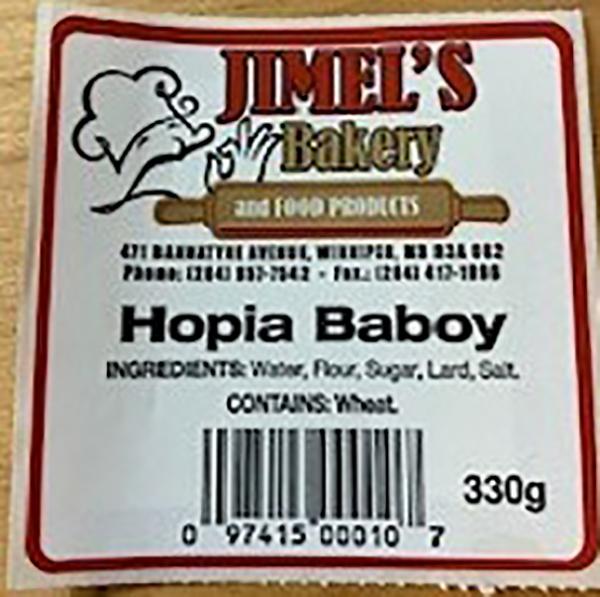
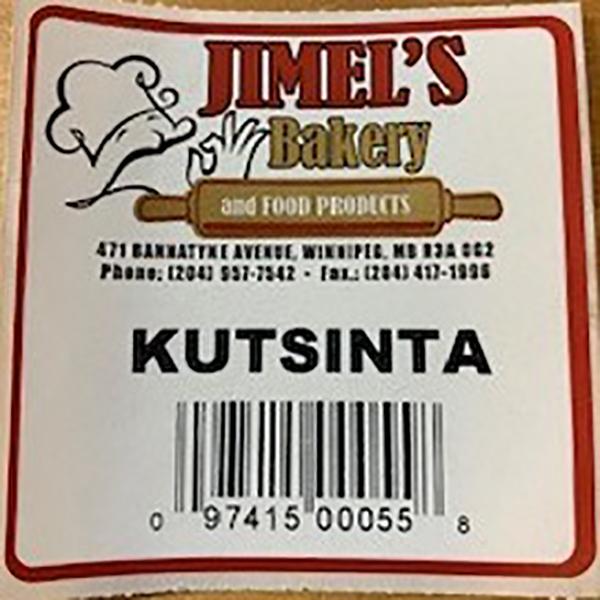
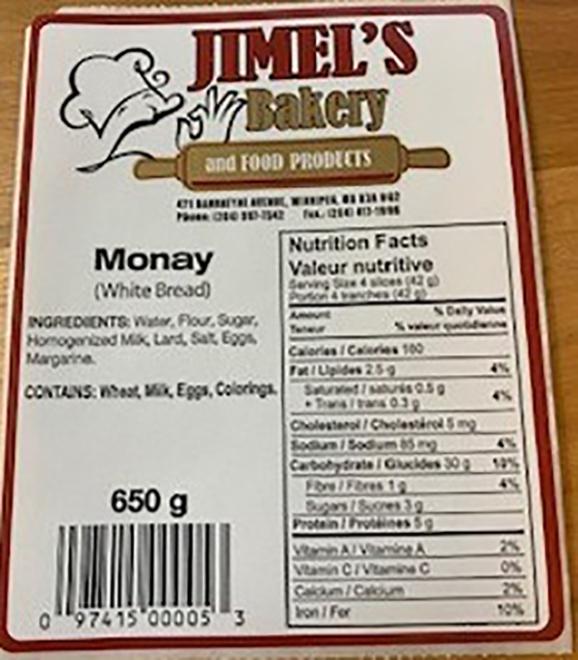
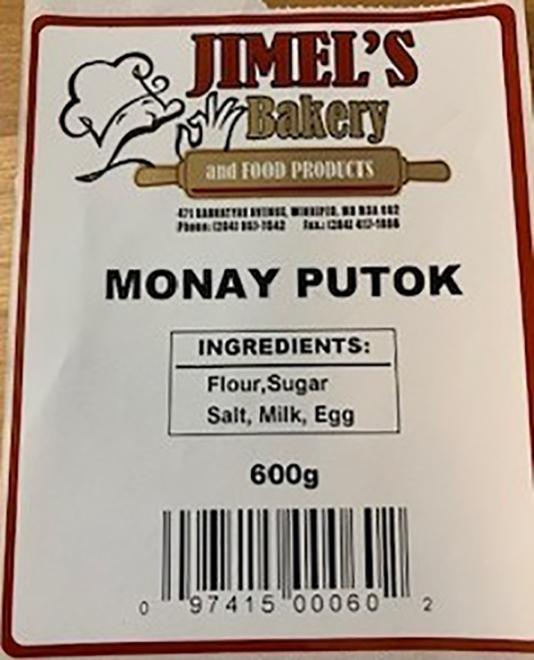
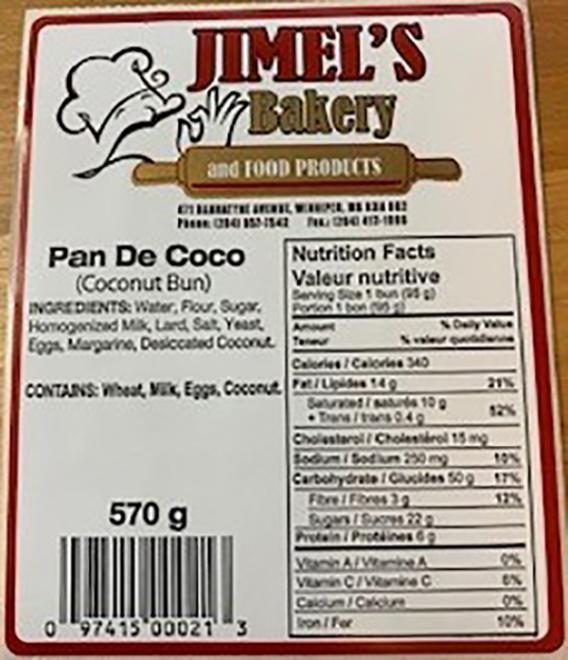
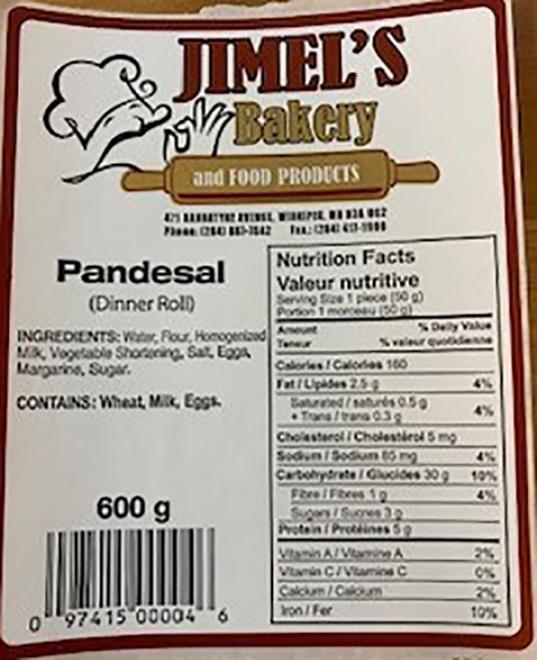
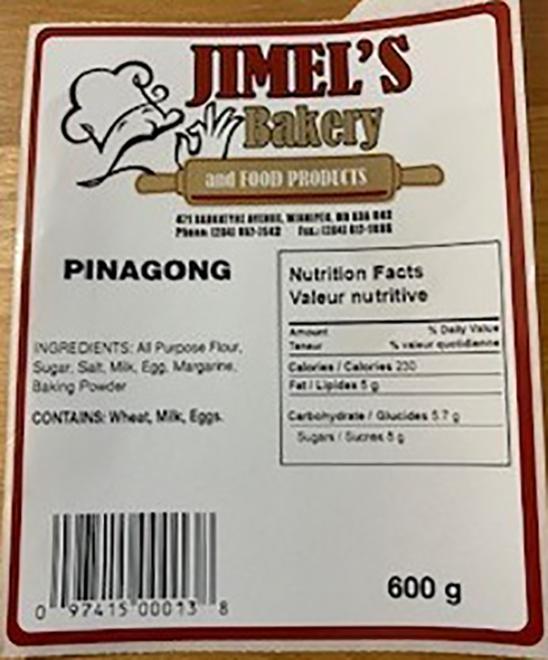
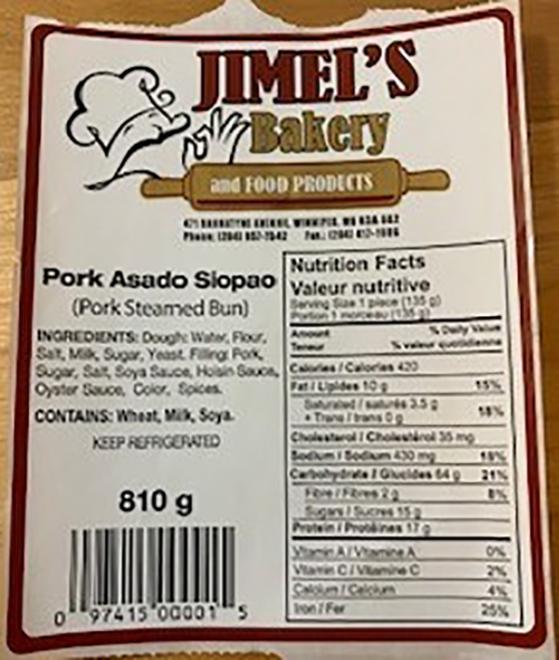
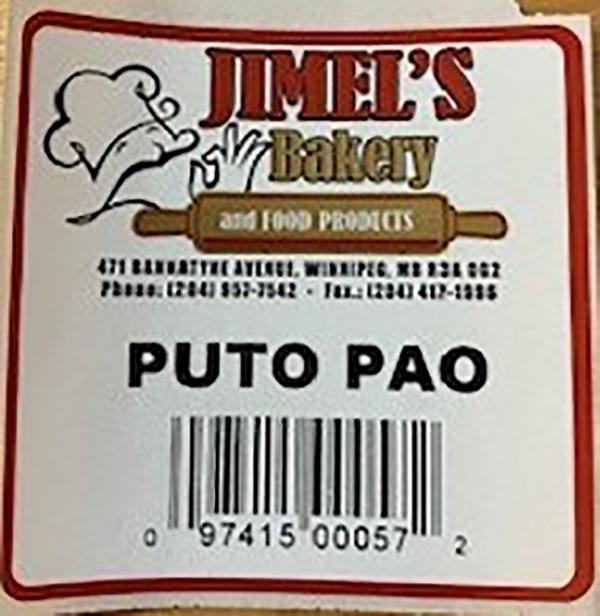
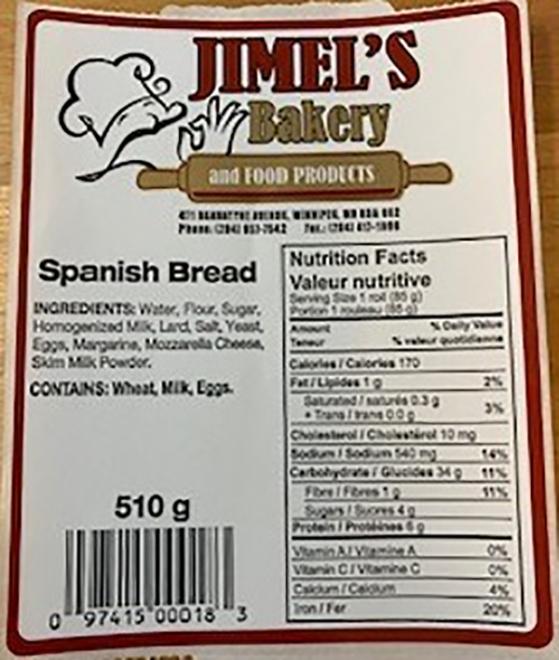
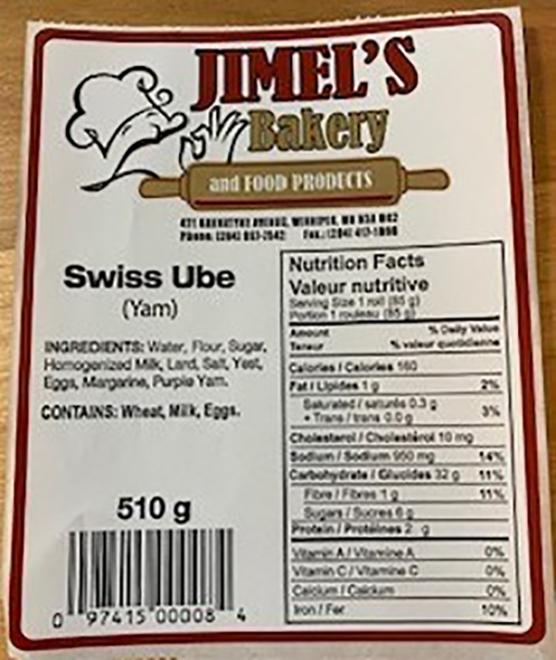
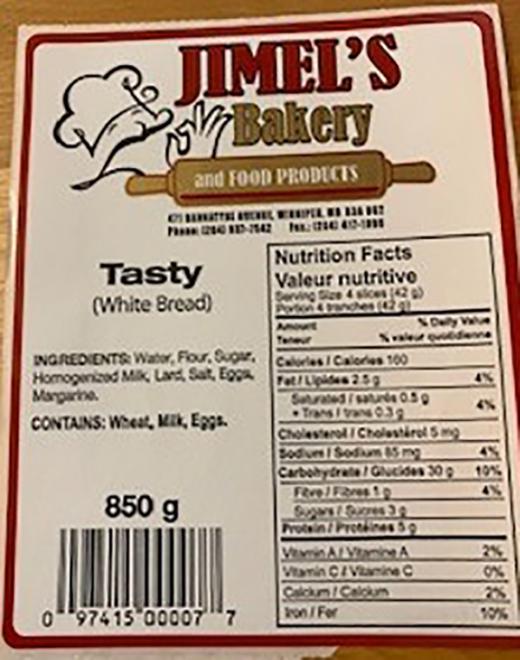
Jimel’s Bakery and Food Products is recalling Jimel’s Bakery brand baked goods from the marketplace due to possible Salmonella contamination from rodent infestation.
The recalled products have been sold in Manitoba.
Food contaminated with Salmonella may not look or smell spoiled but can still make you sick. Young children, pregnant women, the elderly and people with weakened immune systems may contract serious and sometimes deadly infections. Healthy people may experience short-term symptoms such as fever, headache, vomiting, nausea, abdominal cramps and diarrhea. Long-term complications may include severe arthritis.
Do not consume, use, sell, serve, or distribute the recalled products

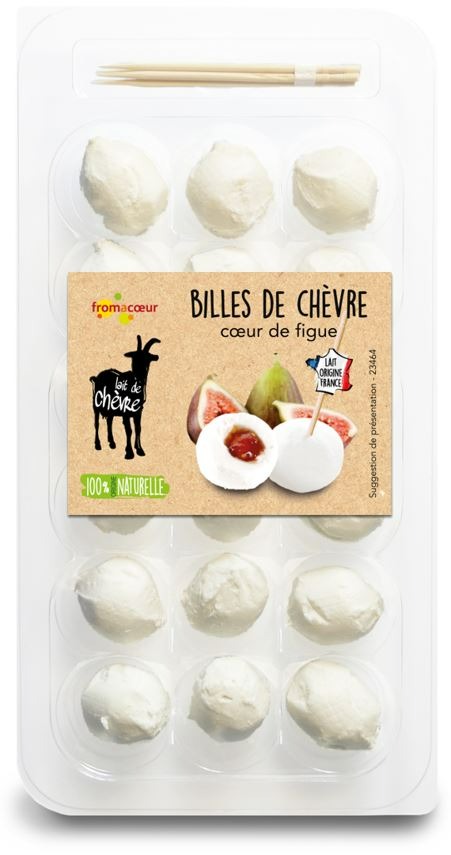
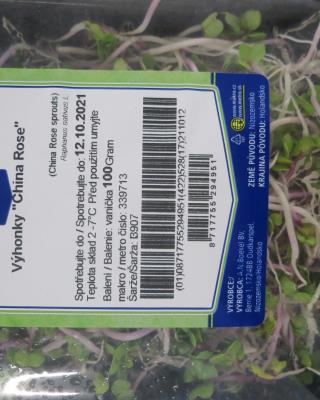
The product has been found to contain the pathogenic bacterium Escherichia coli enteropathogenic (EPEC), which causes diarrheal diseases.
| Lots: | L3907 |
| Expiration date: | 10/12/2021 |
| Packaging: | PP tray with label |
| Quantity of product in package: | 0.1 kg |
| Producer: | AN BOEKEL BV, Berrie 1, 1724BB Oudkarspel, The Netherlands |
| Country of origin: | Netherlands |
| Sampling date: | 4. 10. 2021 |
| Reference number: | 22-000095-CAFIA-CZ |
The pathogenic bacterium Listeria monocytogenes was detected in the product . This bacterium can cause a condition called listeriosis.
| Expiration date: | 12/17/2021 |
| Producer: | Jatka Lisov – Petr Cihal sro, |
| Country of origin: | Czechia |
| Sampling date: | 8. 12. 2021 |
| Reference number: | 22-000026-SVS-CZ |
Posted in food contamination, food handler, Food Hazard, Food Hygiene, Food Inspections, Food Micro Blog, Food Microbiology, Food Microbiology Blog, Food Microbiology Testing, Food Pathogen, food recall, Food Safety, Food Safety Alert, food safety training, Food Testing, Listeria, Listeria monocytogenes, Potravinynapranyri

| GTIN | Lot | Dated |
|---|---|---|
| 3266481738450 | 11/15/2022 | Date of minimum durability 15/11/2022 |
| 3266481738450 | 11/18/2022 | Date of minimum durability 18/11/2022 |
| 3266481738450 | 04/28/2023 | Date of minimum durability 04/28/2023 |
Posted in food contamination, food handler, Food Hazard, Food Hygiene, Food Inspections, Food Micro Blog, Food Microbiology, Food Microbiology Blog, Food Microbiology Testing, Food Poisoning, food recall, Food Safety, Food Safety Alert, Food Spoilage, Food Temperature Abuse, Food Testing, Food Toxin, Mold Toxin, Mould Toxin, Mycotoxin, Ochratoxin, Ochratoxin A
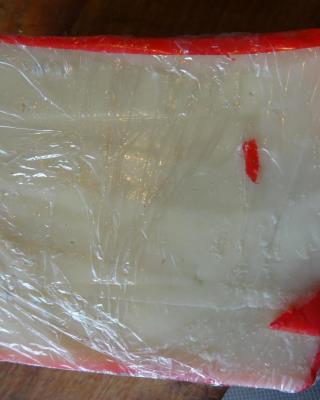
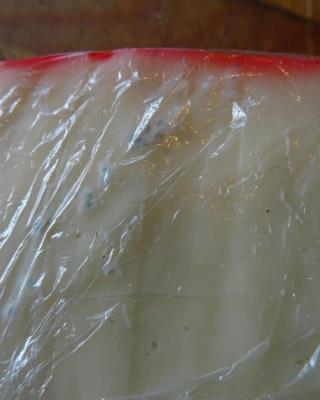
On the surface of the cheese there were colonies of green mold visible to the naked eye. Food is not considered safe if it shows signs of spoilage.
During the inspection, unsatisfactory storage temperatures of this product were not found. The food had an unknown date of minimum durability.
| Packaging: | red plastic foil + repackaged with food foil |
| Quantity of product in package: | 0.41 kg |
| Sampling date: | 7. 1. 2022 |
| Reference number: | 22-000104-CAFIA-CZ |
Six serovars, with S. Infantis and S. Enteritidis most common, found in 9% of samples
Serovar-specific PCR and Cragie’s motility method used for co-contaminated samples
All S. Enteritidis were outbreak strains and affected six products from two plants.
The highest MPN/g was 54 for S. Infantis and 28 and S. Enteritidis.
Detection of Salmonella spp. was associated with higher levels of generic E. coli.
Frozen reformulated (FR) breaded chicken products have previously been implicated in causing human salmonellosis. A multi-country Salmonella enterica serovar Enteritidis outbreak involving several strains with >400 reported human cases in the UK occurred in 2020. Initially S. Infantis was detected in one sample from a case home but S. Enteritidis was then also isolated using a S. Enteritidis specific PCR in combination with isolation via a Craigie-tube. This prompted a survey to examine the presence and levels of Salmonella and E. coli in ready-to-cook FR poultry products in England in 2020.
From a total of 483 samples, including two from cases’ homes, Salmonella was detected in 42 chicken samples, these originated from six out of 53 production plants recorded. Salmonella detection was associated with elevated levels of generic E. coli (OR = 6.63). S. Enteritidis was detected in 17 samples, S. Infantis in 25, S. Newport in four and S. Java, S. Livingstone and S. Senftenberg in one each. The highest levels of Salmonella were 54 MPN/g for S. Infantis and 28 MPN/g for S. Enteritidis; 60% of the Salmonella-positive samples had <1.0 MPN/g. S. Enteritidis was detected together with S. Infantis in five samples and with S. Livingstone in one. Where S. Enteritidis was detected with other Salmonella, the former was present at between 2 and 100-fold lower concentrations. The Salmonella contamination was homogeneously distributed amongst chicken pieces from a single pack and present in both the outer coating and inner content. The S. Enteritidis were all outbreak strains and detected in six products that were linked to four production plants which implicated a Polish origin of contamination. Despite S. Infantis being most prevalent in these products, S. Infantis from only two contemporaneous human cases in the UK fell into the same cluster as isolates detected in one product. Except for one human case falling into the same cluster as one of the S. Newport strains from the chicken, no further isolates from human cases fell into clusters with any of the other serovars detected in the chicken samples.
This study found that higher E. coli levels indicated a higher probability of Salmonella contamination in FR chicken products. The results also highlight the importance of recognising co-contamination of foods with multiple Salmonella types and has provided essential information for detecting and understanding outbreaks where multiple strains are involved.
Posted in E.coli, food bourne outbreak, food contamination, food handler, Food Hazard, Food Hygiene, Food Illness, Food Inspections, Food Micro Blog, Food Microbiology, Food Microbiology Blog, Food Microbiology Research, Food Microbiology Testing, Food Pathogen, food recall, Food Safety, Food Safety Alert, Food Testing, Foodborne Illness, foodborne outbreak, foodbourne outbreak, Illness, outbreak, Research, Salmonella, Salmonella in Chicken