Category Archives: Food Illness

USA – Investigation of E. coli O157:H7 Outbreak Linked to Romaine from Salinas, California, November 2019

FDA

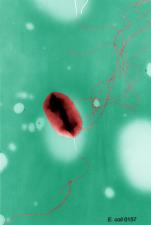
kswfoodworld E.coli O157

Image CDC


Recommendation

FDA, CDC, and state health authorities are investigating an outbreak of illnesses caused by E. coli O157:H7 in the United States. Epidemiologic, laboratory, and traceback evidence indicates that romaine lettuce from the Salinas, California growing region is a likely source of this outbreak. According to CDC, there have been 102 cases reported in 23 states.  The latest date that one of these patients reports becoming ill was on November 18, 2019.

Romaine from Salinas, California Label Enjoy By December 2, 2019


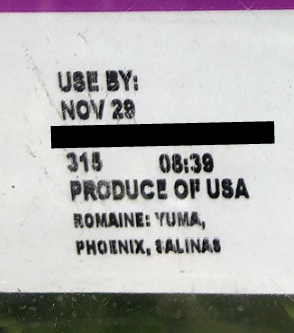
Romaine from Salinas, California Label Use By November 29, 2019

Consumers: Consumers should not eat romaine lettuce harvested from Salinas, California. Additionally, consumers should not eat products identified in the recall announced by the USDA on November 21, 2019.

Romaine lettuce may be voluntarily labeled with a harvest region. If this voluntary label indicates that the romaine lettuce was grown in “Salinas” (whether alone or with the name of another location) do not eat it. Throw it away or return it to the place of purchase.  If romaine lettuce does not have information about harvest region or does not indicate that it has been grown indoors (i.e., hydroponically- and greenhouse-grown), throw it away or return it to the place of purchase. Consumers ordering salad containing romaine at a restaurant or at a salad bar should ask the staff whether the romaine came from Salinas.  If it did, or they do not know, do not eat it.

At this time, romaine lettuce that was harvested outside of the Salinas region has not been implicated in this outbreak investigation. Hydroponically- and greenhouse-grown romaine, which is voluntarily labeled as “indoor grown,” from any region does not appear to be related to the current outbreak. There is no recommendation for consumers to avoid using romaine harvested from these other sources.

Restaurants and Retailers: Restaurants and retailers should not serve or sell romaine harvested from Salinas, California.  If you do not know the source of your romaine lettuce, and if you cannot obtain that information from your supplier, you should not serve, nor sell it.

Suppliers and Distributors: Suppliers, distributors and others in the supply chain should not ship or sell romaine harvested in Salinas, California. If the source of the romaine lettuce is unknown, you should not ship, nor sell the product.

For Restaurants, Retailers, Suppliers and Distributors: Currently, the FDA does not have enough traceback information to identify the specific source of the contamination that would allow us to request a targeted recall from specific growers.

FDA requested that industry voluntarily withdraw romaine grown in Salinas from the market and is requesting that industry withhold distribution of Salinas romaine for the remainder of the growing season in Salinas. Without more specific traceback information, this was the most efficient way to ensure that contaminated romaine was off the market.

At this time, romaine lettuce that was harvested outside of the Salinas region has not been implicated in this outbreak investigation. Hydroponically- and greenhouse-grown romaine, which is voluntarily labeled as “indoor grown,” from any region does not appear to be related to the current outbreak. There is no recommendation for consumers or retailers to avoid using romaine harvested from these other sources.

Update

According to the CDC, as of December 2, 2019, 102 people infected with the outbreak strain of E. coli O157:H7 have been reported from 23 states. The case patients report that illnesses started on dates ranging from September 24, 2019 to November 18, 2019. Illness onset dates reported to date are prior to the public warning issued on November 22.

Based on available traceback data, FDA requested that industry voluntarily withdraw romaine grown in Salinas from the market and is requesting that industry  withhold distribution of Salinas romaine for the remainder of the growing season in Salinas. This was the most efficient way to ensure that contaminated romaine was off the market.

Products that were part of the U.S. Department of Agriculture’s Food Safety and Inspection Service (FSIS) announced recall related to this outbreak investigation had a “Best By” of Nov. 1 or earlier, more than one month ago, and should no longer be on the market.

FDA continues to actively investigate the cause of this outbreak. FDA, with the assistance of staff from the California Department of Public Health and the California Department of Food and Agriculture, immediately deployed investigators to three farms in the Salinas area that were identified based on the traceback investigation. On the farms, investigators sampled soil and animal droppings, compost, water, and other potential environmental sources. The samples and information collected during the farm investigations are currently being analyzed. Investigators are attempting to identify any factors that could have led to contamination. Additionally, state partners are testing romaine lettuce samples for E. coli that they have collected from stores and from case patients’ homes.

The FDA and state partners are conducting a traceback investigation to determine whether a common supplier or source of contamination can be identified.  This investigation involves collecting and analyzing potentially hundreds of distribution records to trace the romaine that may have been available at points of exposure reported by ill people to their source. We are continuing to collect these records.

This remains an evolving and fluid situation. Information about our findings will be forthcoming as the investigation proceeds.

The Salinas region as defined by the United Fresh Produce Association and the Produce Marketing Association Romaine Taskforce ReportExternal Link Disclaimer includes: Santa Cruz, Santa Clara, San Benito, and Monterey counties in California.

Case Counts

Total Illnesses: 102
Hospitalizations: 58
Deaths: 0
Last illness onset: November 18, 2019
States with Cases:  AZ (3), CA (4), CO (6), FL (1), IA (1), ID (3), IL (1), MD (4), MI (1), MN (3), MT (1), NE (1), NJ (7), NC (1), NM (2), OH (12), OR (1), PA (8), SD (1), TX (4), VA (4), WA (2), WI (31)

USA – Outbreak Investigation of Hepatitis A Potentially Linked to Fresh Conventional Blackberries from Fresh Thyme Farmers Market, Fall 2019

FDA

The U.S. Food and Drug Administration (FDA), along with the Centers for Disease Control and Prevention (CDC), and state and local partners, are investigating a multistate outbreak of hepatitis A illnesses in Indiana, Michigan, Minnesota, Missouri, Nebraska, and Wisconsin potentially linked to fresh conventional (non-organic) blackberries from the grocery store, Fresh Thyme Farmers Market.

On December 3, 2019, CDC updated their case counts to 16 illnesses, with the most recent illness onset date on November 15, 2019.

Based on the epidemiological information collected in the investigation thus far, ill patients reported consuming fresh conventional blackberries from Fresh Thyme Farmers Market stores in six states: Indiana, Michigan, Minnesota, Missouri, Nebraska, and Wisconsin.

However, traceback information to date shows that these berries came from a distribution center that ships fresh berries to Fresh Thyme Farmers Market stores in 11 states: IA, IL, IN, KY, MI, MO, MN, NE, OH, PA, and WI. As this investigation continues, the FDA will work with our federal and state partners to obtain additional information during the traceback investigation and will update this advisory as more information becomes available.

Recommendation
The FDA is urging consumers to not eat any fresh conventional blackberries if purchased between September 9 and September 30, 2019, from Fresh Thyme Farmers Market stores in the 11 states mentioned above. People who purchased the fresh blackberries and then froze those berries for later consumption should not eat these berries. They should be thrown away.

If consumers purchased fresh conventional blackberries from Fresh Thyme Farmers Market stores in the 11 states listed above between September 9-30, ate those berries in the last two weeks, and have not been vaccinated for the hepatitis A virus (HAV), they should consult with their healthcare professional to determine whether post exposure prophylaxis (PEP) is indicated. PEP is recommended for unvaccinated people who have been exposed to HAV in the last two weeks. Those with evidence of previous hepatitis A vaccination or previous hepatitis A infection do not require PEP.

Contact your healthcare provider if you think you may have become ill from eating these blackberries, or if you believe that you have eaten these berries in the last two weeks.

Cambodia – Two die from food poisoning in detox centre

Khmer Times

Two young men out of more than 100 youths being treated for drug addiction at a detox centre in Banteay Meanchey province’s Serei Sorphoan city died today from food poisoning, a health official said.

Keo Sopheatra, director of Banteay Meanchey provincial Health Department, today said that more than 100 youths at Phnom Bak New Life Center had food poisoning on Sunday, but two of them died.

Netherlands – Belgium – Outbreak of Listeria monocytogenes infections in Europe linked to meat products

HPS

03 December 2019

Article: 53/4804

A new rapid risk assessment from the European Centre for Disease Prevention and Control (ECDC) shows that twenty-one cases of Listeria monocytogenes IVb sequence type ST 6 infections have been reported in the Netherlands (19 cases) and Belgium (two cases). This outbreak was identified using whole genome sequencing (WGS) analysis.

The patients involved had onset of illness between 2017 and August 2019. Three patients died and one suffered a miscarriage due to the infection. The close genetic relatedness of the strains, and the temporal distribution of the cases suggests a prolonged, intermittent, common source food-borne outbreak which occurred in at least two EU member states.

Nine isolates from six sliced ready-to-eat (RTE) meat products, produced between 2017 and 2019 by the Dutch manufacturing company A, were found to be contaminated with L. monocytogenes strains matching the outbreak strain.

Although the exact points of contamination have not yet been identified, the results of the investigation suggest that the contamination may have happened at the Dutch company, which was the only common manufacturing point of the contaminated products. The company distributed products to several EU countries as well as to countries outside the EU.

Company A stopped production in October 2019, and finalised the withdrawals and recalls of all RTE meat products. This measure lowered the risk of new cases occurring, which may be associated with this company’s products.

Pregnant women, the elderly and immunocompromised people are at higher risk of invasive listeriosis, which is associated with severe clinical course and potential death.

Specific attention should be paid to the administration of RTE meat products to people in hospitals, nursing homes and those belonging to vulnerable population groups.

Source: ECDC, 26 November 2019

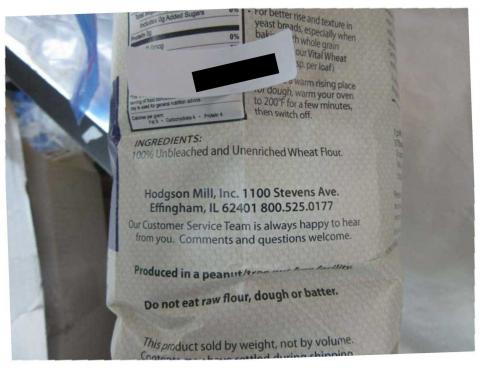
USA -Hodgson Mill Issues Voluntary Recall of Unbleached All-Purpose White Wheat Flour Due to Potential Presence of Pathogenic E.coli

FDA

Hodgson Mill of Effingham, IL, announced today a voluntary national recall of specific lots of its Unbleached All-Purpose White Wheat Flour (5 lb.)

We are taking this voluntary precautionary step because of the potential presence of pathogenic E. coli which was discovered through sampling raw uncooked flour. Hodgson Mill has not received any confirmed reports of illnesses related to this product.

The only product affected by this voluntary recall is:

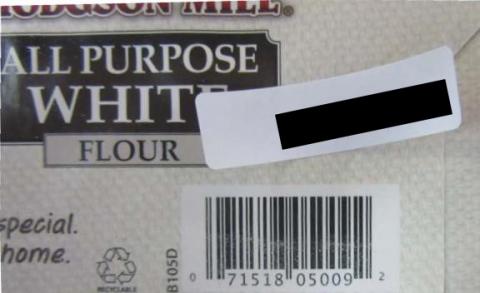
Unbleached All-Purpose White Wheat Flour (5 lb.) UPC 0-71518-05009-2
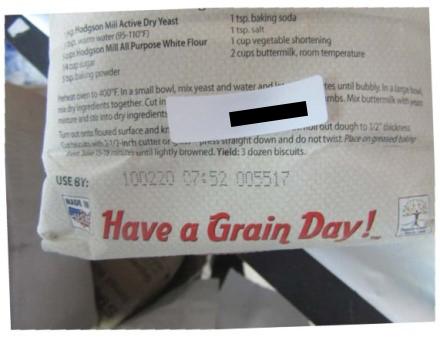
Best By Date 10-01-2020 and 10-02-2020 with lot codes listed Lot# 001042 & 005517

Use By and Lot Code information can be found on the bottom back panel of the 5 lb. Bag. Used By date and Lot Code, along with their location on the bag, must all match in order to represent flour affected by this recall.

Consumer safety is our top priority. Hodgson Mill package states “do not eat raw flour, dough or batter”. The Centers for Disease Control (CDC) warns consumers to not consume raw flour or uncooked raw dough.

E. coli is killed by heat through baking, frying, sautéing, or boiling products made with flour. For more information, refer to the following: https://www.cdc.gov/features/no-raw-dough/index.html. Symptoms of pathogenic E. coli illness include acute, often bloody diarrheal illness and abdominal cramps. Most people recover within a week. However, children, the elderly, and immunosuppressed individuals may develop hemolytic uremic syndrome (HUS), a severe illness which may cause the kidneys to fail.

Consumers are reminded to wash their hands, work surfaces, and utensils thoroughly after contact with raw dough products or flour, and to never eat raw dough or batter.

This lot of flour was milled at an ADM Milling Facility in St Louis, MO and repacked at Hodgson Mill, Inc. facility in Effingham, IL and was distributed by Hodgson Mill through retailers and distribution nationwide and sold through our website www.hodgsonmill.comExternal Link Disclaimer.

Consumers who have purchased 5 lb packages of Unbleached All-Purpose White Wheat Flour with specific lot codes are urged to stop using the product immediately and return them to the place of purchase for a full refund. Consumers with questions may contact the company customer service M-F 9am to 3pm at 1-888-417-9343 x 1.

Any consumers concerned about an illness should contact a physician.

Bakers have trusted Hodgson Mill flour products in their kitchens for many years and because of that trust we have issued this voluntary recall. We remain committed to providing our consumers safe and superior products.


Company Contact Information

Consumers:
 888-417-9343

Product Photos

Hong Kong – *(Updated on 26 November 2019) Not to consume romaine lettuce produced in Salinas, California, US

CFS

Issue Date 23.11.2019
Source of Information US authorities
Food Product Romaine lettuce produced in the US
Product Name and Description Product name: baby spring mix
Brand: organicgirl
Place of origin: Salinas, California, US
Net weight: 5 ounces /142 grams

*Updated on 26 November 2019

(1) Product name: Romaine Heart
Brand: Earthbound
Place of origin: Salinas, California, the US
Net weight: 750 grams per pack
Importer: Wing Kee Produce Ltd

(2) Product name: Chopped Caesar Salad Kit
Brand: Earthbound
Place of origin: Salinas, California, the US
Net weight: 8.5 ounces per pack
Importer: Wing Kee Produce Ltd

(3) Product name: Asian Style Chopped Salad Kit
Brand: Earthbound
Place of origin: Salinas, California, the US
Net weight: 8.5 oz per pack
Importer: Wing Kee Produce Ltd

(4) Product name: Southwest Chopped Salad Kit
Brand: Earthbound
Place of origin: Salinas, California, the US
Net weight: 8.5 oz per pack
Importer: Wing Kee Produce Ltd

(5) Product name: Classic Caesar Salad
Brand: Ready pac
Place of origin: Salinas, California, the US
Net weight: 9.5 oz per pack
Importer: Wing Kee Produce Ltd

(6) Product name: salad italiano
Brand: Ready pac
Place of origin: Salinas, California, the US
Net weight: 9.5 oz per pack
Importer: Wing Kee Produce Ltd

(7) Product name: KALE CAESAR PREMIUM SALAD KIT
Brand: josie’s organics
Place of origin: Salinas, California, the US
Net weight: 262g per pack
Importer: City Super Limited

(8) Product name: MEDITERRANEAN CRUNCH CHOPPED SALAD KIT
Brand: josie’s organics
Place of origin: Salinas, California, the US
Net weight: 326g per pack
Importer: City Super Limited

(9) Product name: SOUTHWEST CHOPPED SALAD KIT
Brand: josie’s organics
Place of origin: Salinas, California, the US
Net weight: 326g per pack
Importer: City Super Limited

(10) Product name: SRIRACHA CHOPPED SALAD KIT
Brand: josie’s organics
Place of origin: Salinas, California, the US
Net weight: 326g per pack
Importer: City Super Limited

(11) Product name: Romaine Hearts
Brand: FOXY
Place of origin: Salinas, California, the US
Net weight: 340g per pack
Importer: City Super Limited

Reason For Issuing Alert
  • The CFS, through its Food Incident Surveillance System, noted a notice from the US Food and Drug Administration about the investigation of an outbreak of E. coli infections that was likely linked to the consumption of romaine lettuce produced in Salinas, California, which was suspected to be contaminated with E. coli O157:H7.
  • For the sake of prudence, the CFS has immediately suspended the import into and sale within Hong Kong of romaine lettuce produced in the area concerned.

*Updated on 26 November 2019

  • The CFS has earlier instructed the importer concerned, Wing Kee Produce Ltd, to stop sale and recall a kind of the affected product. The CFS’ follow-up investigations found that the importer had also sold several other kinds of the affected products produced in the area concerned. In addition, the Centre found that another importer, City Super Limited, had also imported several kinds of the affected products.
Action Taken by the Centre for Food Safety
  • CFS has informed the US authorities concerned of the import suspension and alerted the trade to the incident.
  • The Centre will continue to follow up on the incident and take appropriate action.

*Updated on 26 November 2019

  • The above-mentioned importers concerned had removed from shelves and stopped sale of the affected products, and initiated a recall according to the CFS’ instructions.
  • The CFS has enhanced surveillance of romaine lettuce produced in the US at import and retail levels.
Advice to the Trade
  • Stop using or selling the affected batches of the products immediately if they possess them.
Advice to Consumers
  • Not to consume the affected batches of the products if they have purchased any.
Further Information The CFS press release (23 November 2019)

The CFS press release (26 November 2019)

Members of the public may call the hotline of the importer at 2299 1133 during office hours for enquiries about the recall.

*Updated on 26 November 2019

Members of the public may call the hotline of Wing Kee Produce Ltd at 2796 3111 and the hotline of City Super Limited at 2736 3866 during office hours for enquiries about the recall.

Australia -Kalleske Meats Plain Mettwurst 500g bonus 150g – Listeria monocytogenes

Food Standards Au

Product information

Kalleske Meats is conducting a recall of Kalleske Meats Plain Mettwurst 500g, bonus 150g. The product has been available for sale at Coles in South Australia.

Date markings

Best Before 11 May 20

Problem

The recall is due to potential Listeria monocytogenes contamination.

Food safety hazard

Listeria may cause illness in pregnant women and their unborn babies, the elderly and people with low immune systems.

Country of origin

Australia

What to do​

Any consumers concerned about their health should seek medical advice and should return the products to the place of purchase for a full refund.

For further information please contact:

Kalleske Meats

08 8254 1151

info@kalleskemeats.com.au

Related links:

Kenya – What Must Be Done to Get Toxin Out of Kenya’s Food Supply – Aflatoxin

All Africa

An exposé in Kenya has revealed that there are high amounts of a poisonous substance, known as aflatoxin, in many of Kenya’s popular maize flour brands. This is particularly worrying as maize flour is a staple food for most Kenyans. Part of the problem is in how maize is processed and distributed in the country. Vivian Hoffmann shares her insights on this and what must be done to prevent it.

What are aflatoxins and how do they get into our food?

Aflatoxins are toxic chemicals produced by a fungus, Aspergillus flavus. The fungus occurs naturally in soils, but under hot, dry conditions, it can grow and spread to a variety of crops. Maize and groundnut are two crops that are especially susceptible to contamination with aflatoxins.

While aflatoxin is a known carcinogen, and can be fatal to people in large doses, some of the other potential health impacts of consuming moderate amounts of aflatoxin over long periods of time are less well understood.

USA -Outbreak Investigation of Hepatitis A Potentially Linked to Fresh Conventional Blackberries from Fresh Thyme Farmers Market, Fall 2019

FDA

November 26, 2019

The U.S. Food and Drug Administration (FDA), along with the Centers for Disease Control and Prevention (CDC), and state and local partners, are investigating a multistate outbreak of hepatitis A illnesses in Indiana, Michigan, Minnesota, Nebraska, and Wisconsin potentially linked to fresh conventional (non-organic) blackberries from the grocery store, Fresh Thyme Farmers Market.

CDC has updated their case counts to 14 illnesses, with the most recent illness onset date on November 15, 2019.

Based on the epidemiological information collected in the investigation thus far, ill patients reported consuming fresh conventional blackberries from Fresh Thyme Farmers Market stores in five states: Indiana, Michigan, Minnesota, Nebraska, and Wisconsin.

However, traceback information to date shows that these berries came from a distribution center that ships fresh berries to Fresh Thyme Farmers Market stores in 11 states: IA, IL, IN, KY, MI, MO, MN, NE, OH, PA, and WI. As this investigation continues, the FDA will work with our federal and state partners to obtain additional information during the traceback investigation and will update this advisory as more information becomes available.

Recommendation

The FDA is urging consumers to not eat any fresh conventional blackberries if purchased between September 9 and September 30, 2019, from Fresh Thyme Farmers Market stores in the 11 states mentioned above. People who purchased the fresh blackberries and then froze those berries for later consumption should not eat these berries. They should be thrown away.

If consumers purchased fresh conventional blackberries from Fresh Thyme Farmers Market stores in the 11 states listed above between September 9-30, ate those berries in the last two weeks, and have not been vaccinated for the hepatitis A virus (HAV), they should consult with their healthcare professional to determine whether post exposure prophylaxis (PEP) is indicated. PEP is recommended for unvaccinated people who have been exposed to HAV in the last two weeks. Those with evidence of previous hepatitis A vaccination or previous hepatitis A infection do not require PEP.

Contact your healthcare provider if you think you may have become ill from eating these blackberries, or if you believe that you have eaten these berries in the last two weeks.

Case Counts

Total Illnesses: 14
Hospitalizations: 8
Deaths: 0
Last illness onset: November 15, 2019
States with Cases: IN, MI, MN, NE, WI

What is Hepatitis A virus?

USA -Salmonella Outbreak Doug Saul’s Bar-B-Que in Nashville, NC Sickens 14

Food Poisoning Bulletin

Salmonella outbreak Doug Saul’s Bar-B-Que & Seafood restaurant located in Nashville, North Carolina has sickened at least 14 people, according to the Nash County Health Department. Ten of those people named the restaurant as a source of some of the food they ate before they got sick. That facility is located at 813 Western Avenue in Nashville.