The Public Health Agency of Canada collaborated with federal and provincial public health partners, the United States Centres for Disease Control and Prevention (U.S. CDC), and the U.S. Food and Drug Administration to investigate an outbreak of norovirus and gastrointestinal illnesses involving five provinces: British Columbia, Alberta, Saskatchewan, Manitoba and Ontario. The outbreak appears to be over and the outbreak investigation has been closed.
Investigation findings identified consumption of raw oysters from British Columbia as the source of the outbreak. As a result, some oyster harvesting areas in British Columbia that were associated with the outbreak were closed as a part of the investigation.
The Canadian Food Inspection Agency (CFIA) issued several food recalls throughout February, March, and April. Links to each food recall associated with this investigation can be found at the end of this public health notice.
The outbreak investigation is an important reminder to Canadians and businesses that raw oysters can carry harmful germs that can lead to foodborne illness if not properly handled and cooked prior to consuming.
Investigation Summary
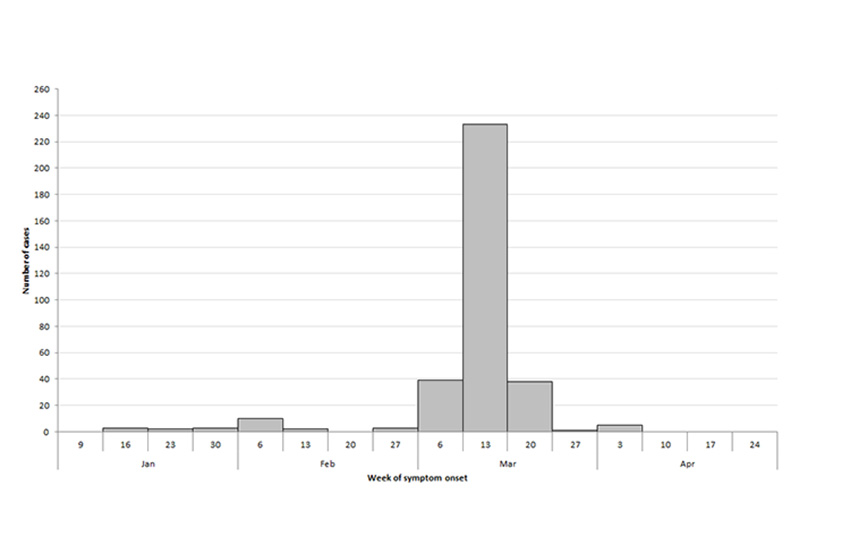
In total, 339 confirmed cases of norovirus and gastrointestinal illness were reported in the following provinces: British Columbia (301), Alberta (3), Saskatchewan (1), Manitoba (15) and Ontario (19). Individuals became sick between mid-January and early April 2022, and no deaths were reported.
Some oyster harvest areas in British Columbia that were associated with illnesses in the outbreak were closed as a part of the investigation. The CFIA issued several food recalls throughout February, March, and April. For more information on the recalled products, please consult the Government of Canada’s Recalls and Safety Alerts website.
The U.S. CDC also investigated a multistate norovirus outbreak linked to raw oysters from British Columbia.
Who is most at risk
Acute gastrointestinal illnesses such as norovirus illness are common in North America and are very contagious, affecting all age groups. However, pregnant women, people with compromised immune systems, young children and the elderly are at risk for developing more serious complications, like dehydration.
What you should do to protect your health
Raw oysters contaminated with noroviruses may look, smell and taste normal. The following safe food-handling practices will reduce your risk of getting sick:
Do not eat, use, sell, or serve any recalled oysters.
Avoid eating raw or undercooked oysters. Cook oysters to an internal temperature of 90° Celsius (194° Fahrenheit) for a minimum of 90 seconds before eating.
Discard any oysters that did not open while cooking.
Eat oysters right away after cooking and refrigerate leftovers.
Always keep raw and cooked oysters separate to avoid cross-contamination.
Do not use the same plate or utensils for raw and cooked shellfish, and wash counters and utensils with soap and warm water after preparation.
Wash your hands well with soap before and after handling any food. Be sure to clean and sanitize cutting boards, counters, knives and other utensils after preparing raw foods.
Noroviruses can be transmitted by ill individuals and are able to survive relatively high levels of chlorine and varying temperatures. Cleaning and disinfecting practices are the key to preventing further illnesses in your home.
Thoroughly clean contaminated surfaces, and disinfect using chlorine bleach, especially after an episode of illness.
After vomiting or diarrhea, immediately remove and wash clothing or linens that may be contaminated with the virus (use hot water and soap).
If you have been diagnosed with norovirus illness or any other gastrointestinal illness, do not prepare food or pour drinks for other people while you have symptoms, and for the first 48 hours after you recover.
Symptoms
People with norovirus illness usually develop symptoms of gastroenteritis within 24 to 48 hours, but symptoms can start as early as 12 hours after exposure. The illness often begins suddenly. Even after having the illness, you can still become re-infected by norovirus.
The main symptoms of norovirus illness are:
diarrhea
vomiting (children usually experience more vomiting than adults)
nausea
stomach cramps
Other symptoms may include:
low-grade fever
headache
chills
muscle aches
fatigue (a general sense of tiredness)
Most people feel better within one or two days, with symptoms resolving on their own, and experience no long-term health effects. As with any illness causing diarrhea or vomiting, people who are ill should drink plenty of liquids to replace lost body fluids and prevent dehydration. In severe cases, patients may need to be hospitalized and given fluids intravenously. If you have severe symptoms of norovirus, consult your healthcare provider.
What the Government of Canada is doing
The Government of Canada is committed to food safety. The Public Health Agency of Canada leads the human health investigation of an outbreak and is in regular contact with its federal and provincial partners to monitor and take collaborative steps to address outbreaks.
Health Canada provides food-related health risk assessments to determine whether the presence of a certain substance or microorganism poses a health risk to consumers.
The CFIA conducts food safety investigations into the possible food source of an outbreak. CFIA also monitors for biotoxins in shellfish in harvesting areas and is responsible for registering and inspecting fish and shellfish processing plants. The CFIA may recommend that affected sites or areas be opened or closed based on epidemiological information, sample testing results and/or relevant harvest area information.
Fisheries and Oceans Canada is responsible for opening and closing shellfish harvest areas, and enforcing closures under the authority of the Fisheries Act and the Management of Contaminated Fishery Regulations.
Under the Canadian Shellfish Sanitation Program, Environment and Climate Change Canada monitors pollution sources and sanitary conditions in shellfish growing waters.
The Government of Canada will continue to update Canadians as new information related to this investigation becomes available.
Epidemiological information
Figure 1 is an epidemiological curve for this outbreak, which shows the numbers of new cases by week. Outbreak investigators use this information to show when illnesses begin, when they peak, and when they trail off. It can take several weeks from the time a person becomes ill to when the illness is reported and linked to the outbreak. Data are available for 339 cases.
Figure 1: Reported number of cases of norovirus or acute gastrointestinal illness associated with exposures to oysters, by weekFigure 1: Text description
Ferrero is expanding its recall of Kinder products made in Arlon, Belgium with three more products: Kinder Happy moments mini mix, Kinder maxi and Kinder Schokobons. This in connection with ongoing salmonella investigations.
The entire production of Kinder Surprise, Kinder Mini Eggs, Kinder Surprise Maxi 100 g and Kinder Shoko bons manufactured in Arlon has already been recalled.
See Ferrero’s Children’s website for details on the recall. The three products now added can be found in Swedish stores.
Identification information of the recalled product
Product category Food
Product subcategory Meats
Product brand name Charcuterie signature
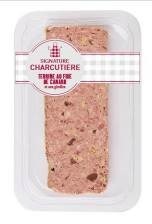
Model names or references Duck liver and chanterelle mushroom terrine from the Signature charcutière brand in a 155g tray (packaged in a protective atmosphere)
All packages sold up to and including April 14, 2022
Issue
Healthy Planet – Oakville is recalling certain blue organic poppy seeds from the marketplace due to possible Salmonella contamination.
The recalled product has been sold at Healthy Planet – Oakville, 2501 Hyde Park Gate, Unit C2, Oakville, Ontario.
What you should do
If you think you became sick from consuming a recalled product, call your doctor
Check to see if you have the recalled product in your home
Do not consume the recalled product
Recalled products should be thrown out or returned to the location where they were purchased
Food contaminated with Salmonella may not look or smell spoiled but can still make you sick. Young children, pregnant women, the elderly and people with weakened immune systems may contract serious and sometimes deadly infections. Healthy people may experience short-term symptoms such as fever, headache, vomiting, nausea, abdominal cramps and diarrhea. Long-term complications may include severe arthritis.
All packages sold from March 16, 2022 up to and including April 4, 2022
Issue
Healthy Planet – Markham is recalling certain organic poppy seeds from the marketplace due to possible Salmonella contamination.
The recalled product has been sold at Healthy Planet – Markham, 8567 McCowan Rd., Unit #2, Markham, ON.
What you should do
If you think you became sick from consuming a recalled product, call your doctor
Check to see if you have the recalled product in your home
Do not consume the recalled product
Recalled products should be thrown out or returned to the location where they were purchased
Food contaminated with Salmonella may not look or smell spoiled but can still make you sick. Young children, pregnant women, the elderly and people with weakened immune systems may contract serious and sometimes deadly infections. Healthy people may experience short-term symptoms such as fever, headache, vomiting, nausea, abdominal cramps and diarrhea. Long-term complications may include severe arthritis.

 Czechia