Which product:
Sold in:

Which product:
Posted in food contamination, food handler, Food Hazard, Food Hygiene, Food Inspections, Food Micro Blog, Food Microbiology, Food Microbiology Blog, Food Microbiology Testing, Food Pathogen, food recall, Food Safety, Food Safety Alert, Food Safety Management, Food Testing, Food Virus, Hepatitis E, Virus

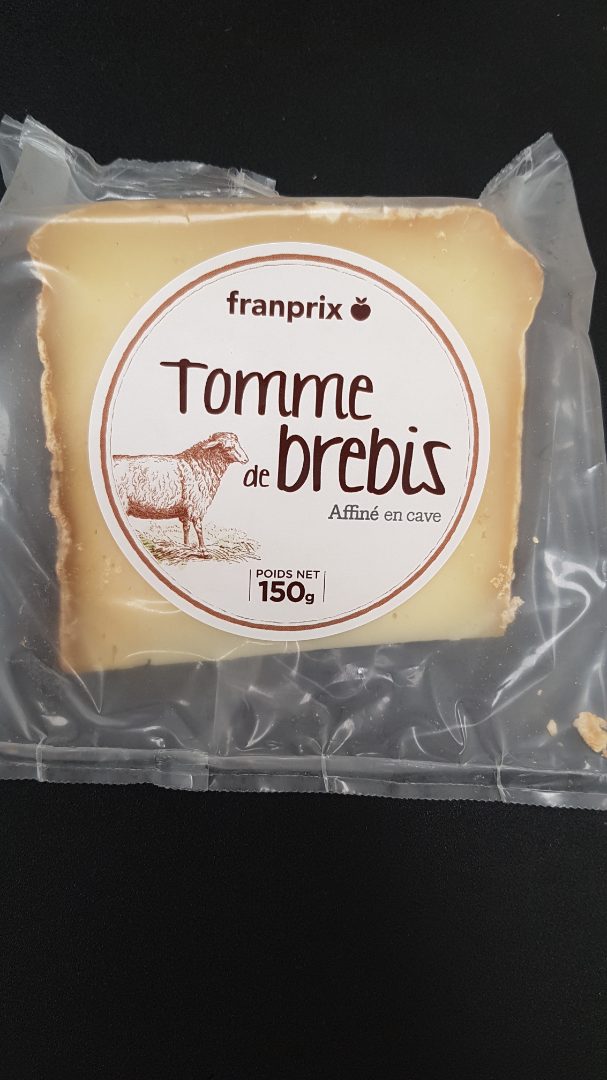
| GTIN | Lot | Date |
|---|---|---|
| 3263859364410 | vf059 | Date of minimum durability 08/22/2022 |
Posted in food contamination, food handler, Food Hazard, Food Hygiene, Food Inspections, Food Micro Blog, Food Microbiology, Food Microbiology Blog, Food Microbiology Testing, Food Pathogen, food recall, Food Safety, Food Safety Alert, Food Safety Management, Food Testing, Listeria, Listeria monocytogenes

| GTIN | Batch | Date |
|---|---|---|
| 1111111111116 | Unit self-service tray (1 slice) | Use-by date between 25/07/2022 and 29/07/2022 |
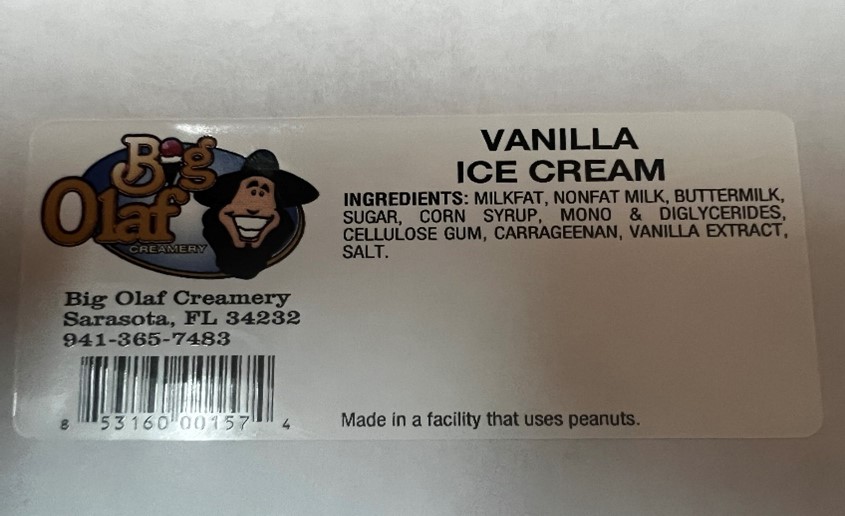
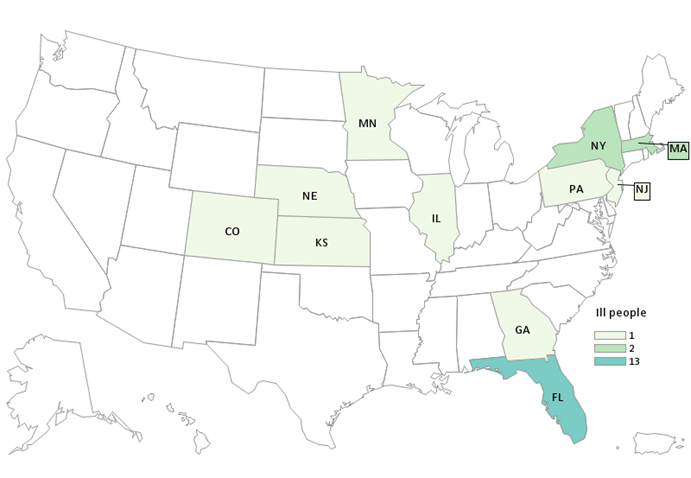
The FDA, along with CDC, is assisting the Florida Department of Health (FL DOH) and Florida Department of Agriculture & Consumer Services (FDACS) in investigating an outbreak of Listeria monocytogenes infections linked to ice cream supplied by Big Olaf Creamery of Sarasota, Florida. As of August 2, 2022, CDC reports 25 illnesses in 11 states.
This is an ongoing investigation, and the FDA is continuing to work with the FL DOH and FDACS to investigate. FDA will update this advisory should additional consumer safety information become available.
Consumers, restaurants, and retailers should not eat, sell, or serve any recalled Big Olaf ice cream products and should throw the product away, regardless of the “Best By” or expiration date.
Listeria is most likely to sicken pregnant people and their newborns, adults aged 65 or older, and people with weakened immune systems. Other people can be infected with Listeria, but they rarely become seriously ill.
Call your healthcare provider right away if you have these symptoms after eating Big Olaf ice cream products:
Consumers, restaurants, and retailers who purchased or received any recalled Big Olaf ice cream products should throw the products away, follow FDA’s safe handling and cleaning advice and use extra vigilance in cleaning and sanitizing any surfaces and containers that may have come in contact with these products to reduce the risk of cross-contamination. Listeria can survive in refrigerated temperatures and can easily spread to other foods and surfaces.
The Big Olaf brand ice cream was sold to consumers in plastic pint size containers, plastic ½ gallon containers, and plastic 2.5-gallon tubs, scoopable are sold to the independent retail stores. All flavors, lots, codes, and all expiration dates through 6/30/2022 are included in this recall.
Total Illnesses: 25
Hospitalizations: 24
Deaths: 1
Fetal Loss: 1
Last illness onset: 6/24/2022
States with Cases: CO (1), FL (13), GA (1), IL (1), KS (1), NE (1), MA (2), MN (1), NJ (1), NY (2), PA (1)
Product Distribution*: FL, OH
*Distribution has been confirmed for states listed, but product could have been distributed further, reaching additional states
Posted in Death, food bourne outbreak, food contamination, food death, food handler, Food Hazard, Food Hygiene, Food Illness, Food Inspections, Food Micro Blog, Food Microbiology, Food Microbiology Blog, Food Microbiology Research, Food Microbiology Testing, Food Pathogen, food recall, Food Safety, Food Safety Alert, Food Testing, Foodborne Illness, Foodborne Illness Death, foodborne outbreak, foodbourne outbreak, Illness, Listeria, Listeria monocytogenes, outbreak
Listeria in hummus from the Netherlands in Germany
Detection of Listeria monocytogenes in Gorgonzola from Italy in France
Listeria monocytogenes in ham from Italy in Switzerland
Listeria monocytogenes <10 ufc/g in chicken nugget from France in Luxembourg and Belgium
Microbiological spoilage of milk from Belgium in the Netherlands
Aflatoxins in peanuts from the United States in Germany
Aflatoxins in pistachios from USA via Turkey in Belgium
Level of aflatoxins exceeding limits in dried figs from Turkey in France
Too high content of aflatoxins in groundnuts from USA in France
Aflatoxin in Egyptian groundnuts in the Netherlands
Aflatoxins in pistachios from the Islamic Republic of Iran in Germany
Aflatoxins in hazelnut Kernels from Georgia in Bulgaria and Germany
Level of aflatoxins exceeding limits in figs from Turkey in France
Aflatoxins in peanuts from India in Belgium
Posted in Aflatoxin, Aspergillus Toxin, food contamination, food handler, Food Hazard, Food Hygiene, Food Inspections, Food Micro Blog, Food Microbiology, Food Microbiology Blog, Food Microbiology Testing, Food Poisoning, food recall, Food Safety, Food Safety Alert, Food Safety Management, Food Testing, Food Toxin, Mold Toxin, Mould Toxin, Mycotoxin, RASFF
Spoilage and increased total microbial count in chilled leg of lamb from New Zealand in Germany
VTEC/EHEC in chilled lamb rump steaks from New Zealand in Austria, Germany and Sweden
STEC (stx+;eae+) in minced meat in Belgium and the Netherlands
STEC (stx+;eae+) in horse meat from Italy in Belgium
Posted in E.coli, food contamination, food handler, Food Hazard, Food Hygiene, Food Inspections, Food Micro Blog, Food Microbiology, Food Microbiology Blog, Food Microbiology Testing, Food Pathogen, Food Poisoning, food recall, Food Safety, Food Safety Alert, Food Safety Management, Food Testing, Food Toxin, RASFF, STEC, STEC E.coli, VTEC
Listeria ST155 outbreak in Italy
Posted in food bourne outbreak, food contamination, food handler, Food Hazard, Food Hygiene, Food Inspections, Food Micro Blog, Food Microbiology, Food Microbiology Blog, Food Microbiology Testing, Food Pathogen, food recall, Food Safety, Food Safety Alert, foodborne outbreak, foodbourne outbreak, Listeria, Listeria monocytogenes, outbreak