Brand : POSEIDON
Name : READY-TO-COOK SMOKED SALMON CUTTINGS
Reason for reporting : Recall for microbiological risk
Publication date : December 9, 2022


Brand : POSEIDON
Name : READY-TO-COOK SMOKED SALMON CUTTINGS
Reason for reporting : Recall for microbiological risk
Publication date : December 9, 2022
Posted in food contamination, Food Hazard, Food Hygiene, Food Inspections, Food Micro Blog, Food Microbiology, Food Microbiology Blog, Food Microbiology Testing, Food Pathogen, food recall, Food Safety, Food Safety Alert, Food Safety Management, Food Temperature Abuse, Food Testing, Listeria, Listeria monocytogenes
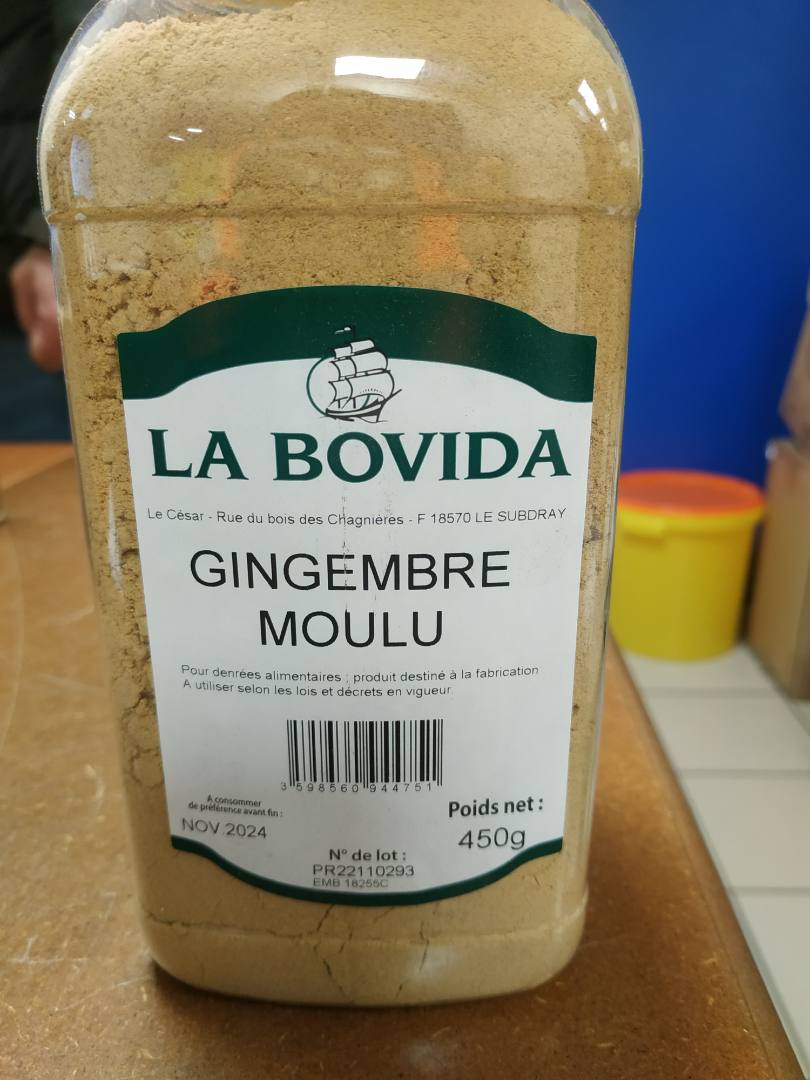
| GTIN | Batch | Date |
|---|---|---|
| 3598560944751 | PR22110293 | Best before date 30/11/2024 |
Posted in Bacillus, Bacillus cereus, food contamination, food handler, Food Hazard, Food Hygiene, Food Inspections, Food Micro Blog, Food Microbiology, Food Microbiology Blog, Food Microbiology Testing, Food Pathogen, Food Poisoning, food recall, Food Safety, Food Safety Alert, Food Safety Management, Food Testing, Food Toxin
| GTIN | Batch | Date |
|---|---|---|
| 3598560944010 | PR22110341 | Best before date 30/11/2024 |
Posted in Bacillus, Bacillus cereus, food contamination, food handler, Food Hazard, Food Hygiene, Food Inspections, Food Micro Blog, Food Microbiology, Food Microbiology Blog, Food Microbiology Testing, Food Pathogen, Food Poisoning, food recall, Food Safety, Food Safety Alert, Food Safety Management, Food Testing, Food Toxin
Do not consume, use, sell, serve, or distribute recalled products
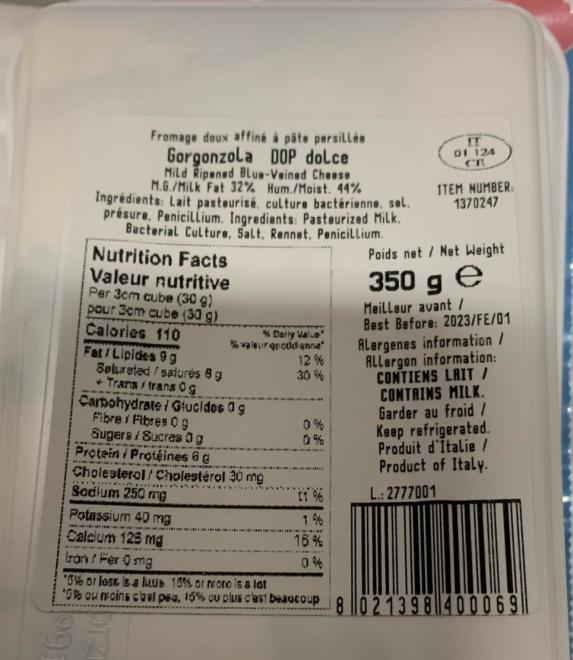
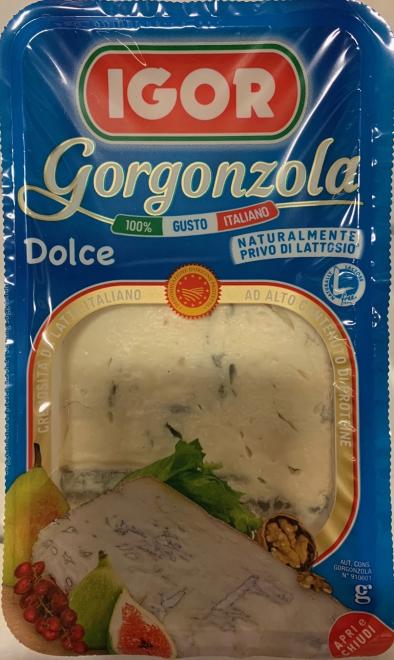
The affected product is being recalled from the marketplace due to possible Listeria contamination.
The recalled product has been sold in Ontario and Quebec.
Posted in food contamination, food handler, Food Hazard, Food Hygiene, Food Inspections, Food Micro Blog, Food Microbiology, Food Microbiology Blog, Food Microbiology Testing, Food Pathogen, food recall, Food Safety, Food Safety Alert, Food Safety Management, Food Testing, Listeria, Listeria monocytogenes
Recall of the SAINTE LUCIE company
Product: various spices from the SAINTE LUCIE brand.
Problem: possible presence of Bacillus cereus.
In agreement with the AFSCA, SAINTE LUCIE withdraws various spices from sale and recalls them from consumers because of the possible presence of Bacillus cereus.
SAINTE LUCIE asks its customers not to consume these products and to bring them back to the point of sale where they were purchased, where they will be reimbursed.
Description of products:


The products were distributed by:
SPAR QUAREGNON CHEMIN DU BON DIEU 148 7390 QUAREGNON
INTERMARCHE BOUSSU RUE DES CHAUFOURS 19 7300 BOUSSU
FAMIFLORA 14 RUE JULES VANTIEGHEM 7711 MOUSCRON
CARREFOUR MARKET MANAGE GRAND RUE 77 7170 MANAGE
INTERMARCHE FRAMERIES 29 ROUTE NATIONALE 7080 FRAMERIES
For any additional information, contact Mrs FAUX RESNIER: communication@saintelucie1885.fr.
Posted in afsca, Bacillus, Bacillus cereus, food contamination, food handler, Food Hazard, Food Hygiene, Food Inspections, Food Micro Blog, Food Microbiology, Food Microbiology Blog, Food Microbiology Testing, Food Pathogen, Food Poisoning, food recall, Food Safety, Food Safety Alert, Food Testing, Food Toxin
Checks on spices as part of a food fraud project in Finland didn’t find any authenticity issues but did uncover Salmonella contamination.
Monitoring was targeted at operators whose batches were found to have been non-compliant in the past. Of 24 spices investigated, 11 received a reprimand for minor labeling and microbial issues, and five products were blocked but no prohibited dyes were found.
Curry, chili, paprika, and turmeric samples were tested for 20 banned food dyes in the lab with a focus on Sudan dyes but were all negative.
One of the rejected spices contained Salmonella and four had high levels of pesticide residues. One of the spices had incorrect labeling.
All five blocked products came from Asian countries, but three had been imported to Finland via another EU member state.
Histamine beyond the limits in “VeroSapore Anchovy Fillets” in extra virgin olive oil from Peru in Spain and Italy
Posted in food contamination, food handler, Food Hazard, Food Hygiene, Food Inspections, Food Micro Blog, Food Microbiology, Food Microbiology Blog, Food Microbiology Testing, Food Poisoning, food recall, Food Safety, Food Safety Alert, Food Safety Management, Food Testing, Food Toxin, Histamine, RASFF
Ochratoxin A in Turkish Figs in the Netherlands
Posted in food contamination, food handler, Food Hazard, Food Hygiene, Food Inspections, Food Micro Blog, Food Microbiology, Food Microbiology Blog, Food Microbiology Testing, Food Poisoning, food recall, Food Safety, Food Safety Alert, Food Safety Management, Food Testing, Food Toxin, mold, Mold Toxin, Mould/Mold, Mycotoxin, Ochratoxin, Ochratoxin A, RASFF
Aflatoxin in USA groundnuts in the Netherlands
Posted in Aflatoxin, Aspergillus Toxin, food contamination, food handler, Food Hazard, Food Hygiene, Food Inspections, Food Micro Blog, Food Microbiology, Food Microbiology Blog, Food Microbiology Testing, Food Poisoning, food recall, Food Safety, Food Safety Alert, Food Safety Management, food safety training, Food Testing, Food Toxin, Mold Toxin, Mould Toxin, Mycotoxin, RASFF
Salmonella in Pork sausage from the Netherlands in Belgium
Salmonella spp. in black pepper from Brazil in Germany
Salmonella Typhimurium in turkey meat from Poland in the Czech Republic, Denmark, France, Germany, Poland, Romania, Slovakia, Sweden
Salmonella Typhimurium in sliced turkey meat from Italy in Germany
Salmonella Enteritidis in chicken meat from Poland in Germany
Salmonella Enteritidis in chilled poultry meat from Poland in the Czech Republic
Posted in food contamination, food handler, Food Hazard, Food Hygiene, Food Inspections, Food Micro Blog, Food Microbiology, Food Microbiology Blog, Food Microbiology Testing, Food Pathogen, food recall, Food Safety, Food Safety Alert, Food Safety Management, Food Testing, Polish Chicken Salmonella, RASFF, Salmonella, Salmonella in Black Pepper, Salmonella in Chicken, Salmonella Poland, salmonellosis


