Category Archives: food contamination

RASFF Alerts – Listeria monocytogenes – Shrimp Salad – Venison Salami – Frozen Smoked Salmon Trimmings – Frozen Cooked Meatballs

European Food Alerts

RASFF

suspicion of Listeria monocytogenes in shrimp from Bulgaria used in shrimp salad manufactured in Sweden in Sweden

RASFF

Listeria monocytogenes (1200 CFU/g) in venison salami from Italy in Italy

RASFF

Listeria monocytogenes (< 10 CFU/g) in frozen smoked salmon trimmings from Poland, via Denmark in Italy

RASFF

Listeria monocytogenes (200 CFU/g) in frozen cooked meatballs from Germany in Germany

RASFF Alerts – STEC E.coli – Frozen Beef – Frozen Beef Tenderloins

European Food Alerts

RASFF

shigatoxin-producing Escherichia coli (stx1+ /25g) in frozen beef from Brazil in the Netherlands

RASFF

shigatoxin-producing Escherichia coli (stx2+ /25g) in frozen beef tenderloins from Brazil in the Netherlands

RASFF Alert – Mycotoxin – Fumonsin – White Maize Flour

European Food Alerts

RASFF

fumonisins (1642 µg/kg – ppb) in white maize flour from Kosovo in Switzerland

RASFF Alert – Ochratoxin A – Dried Figs

European Food Alerts

RASFF

ochratoxin A (73.35 µg/kg – ppb) in dried figs from Italy in Germany

RASFF Alert – Histamine – Frozen Sardine Trunks

European Food Alerts

RASFF

histamine (up to 571.19 mg/kg – ppm) in frozen sardine trunks from Morocco, via Spain in Romania

RASFF Alerts – Salmonella – Black Pepper – Moringa Powder

European Food Alerts

RASFF

Salmonella enterica ser. Javiana (presence /25g), Salmonella enterica ser. Matadi (presence /25g), Salmonella enterica ser. Miami (presence /25g) and Salmonella enterica ser. Saintpaul (presence /25g) in black pepper from Brazil in Germany

RASFF

Salmonella enterica ser. Bonariensis (in 1 out of 10 samples /25g), Salmonella enterica ser. Coeln (in 2 out of 10 samples /25g), Salmonella enterica ser. Infantis (in 1 out of 10 samples /25g), Salmonella enterica ser. Matadi (in 1 out of 10 samples /25g), Salmonella enterica ser. Morehead (in 1 out of 10 samples /25g) and Salmonella enterica ser. Newport (in 1 out of 10 samples /25g) in black pepper from Brazil in Germany

RASFF

Salmonella (presence /25g) in black pepper from Brazil in the Netherlands

RASFF

Salmonella (present /25g) in moringa powder from the Netherlands in Germany

RASFF

Salmonella enterica ser. Derby (presence /25g) in raw milk cheeses from France in France

RASFF

Salmonella enterica ser. Gaminara (presence /25g), Salmonella enterica ser. Minnesota (presence /25g) and Salmonella enterica ser. Newport (presence /25g) in black pepper from Brazil in Germany

RASFF

Salmonella (in 4 out of 10 samples /25g) in black pepper from Brazil in Spain

Switzerland – Listeria in Naturaplan market salad, sold at Coop

FSVO

Bern, 02/10/2021 – Listeria were detected on maize kernels as part of internal controls. These corn kernels were used in Naturaplan market salad. A health hazard cannot be ruled out. Coop immediately removed the affected product from sale and launched a recall.

What is the risk of the product?

An infection with the bacterium Listeria monocytogenes is usually mild or even without symptoms in people with an intact immune system. In immunocompromised people, a number of severe symptoms can develop with, under certain circumstances, fatal outcome. Listeria infection during pregnancy can lead to a miscarriage or the child can be born with blood poisoning or meningitis.

Which product is affected?

Naturaplan organic market salad 205g

Article number: 4.032.298

To be used by: 08.02.2021; 02/09/2021; 02/10/2021; 02/11/2021; 02/12/2021

What should affected consumers do?

The FSVO recommends not to consume and dispose of the affected product.

   Address for queries

Consumers:
Federal Food Safety and Veterinary Office (
FSVO ) Infodesk: Tel. 058 463 30 33; info@blv.admin.ch

Journalists:
Federal Food Safety and Veterinary Office (FSVO)
Media office: Tel. 058 463 78 98; media@blv.admin.ch


editor

Federal Food Safety and Veterinary Office
http://www.blv.admin.ch 

USA -CORE Table Updates

FDA

The following is a list of outbreak investigations being managed by FDA’s CORE Response Teams. These two investigations are still active.

2/23/202011Salmonella PotsdamNot Yet Identified7ActiveEnded
See Advice
 ✔✔✔
1/13/202110Salmonella MiamiNot Yet Identified61ActiveOngoing
See Advice
 ✔  

New Zealand – South Island Fresh Foods Ltd – Update Listeria monocyotgenes – Recall

MPI

Updated on 11 February 2021: This recall has been amended to update the distribution list of stores where the affected products were sold. (Link above for all the stores)

Updated on 4 February 2021: This recall has been updated to remove all Night ‘n Day stores from the distribution list.

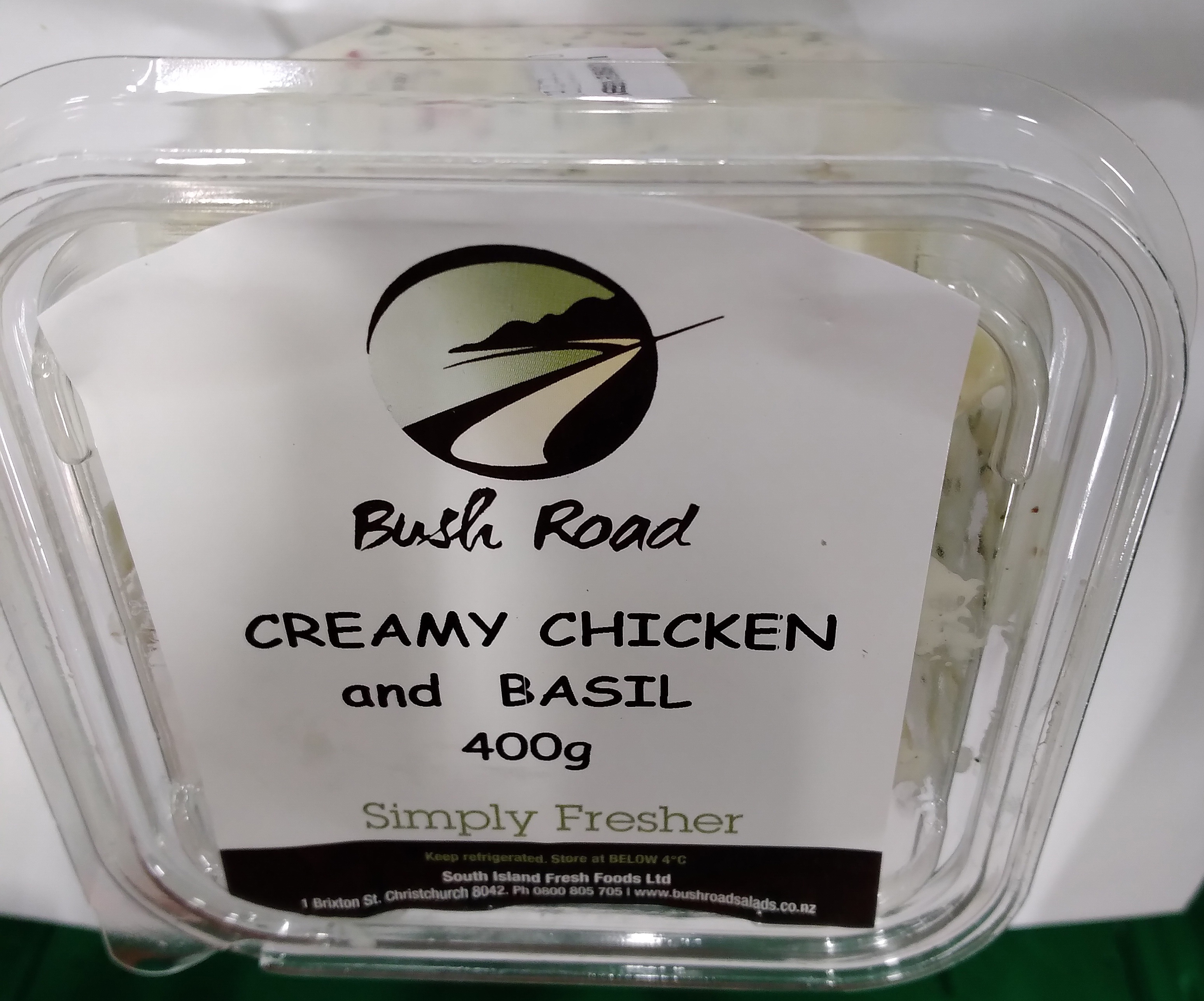
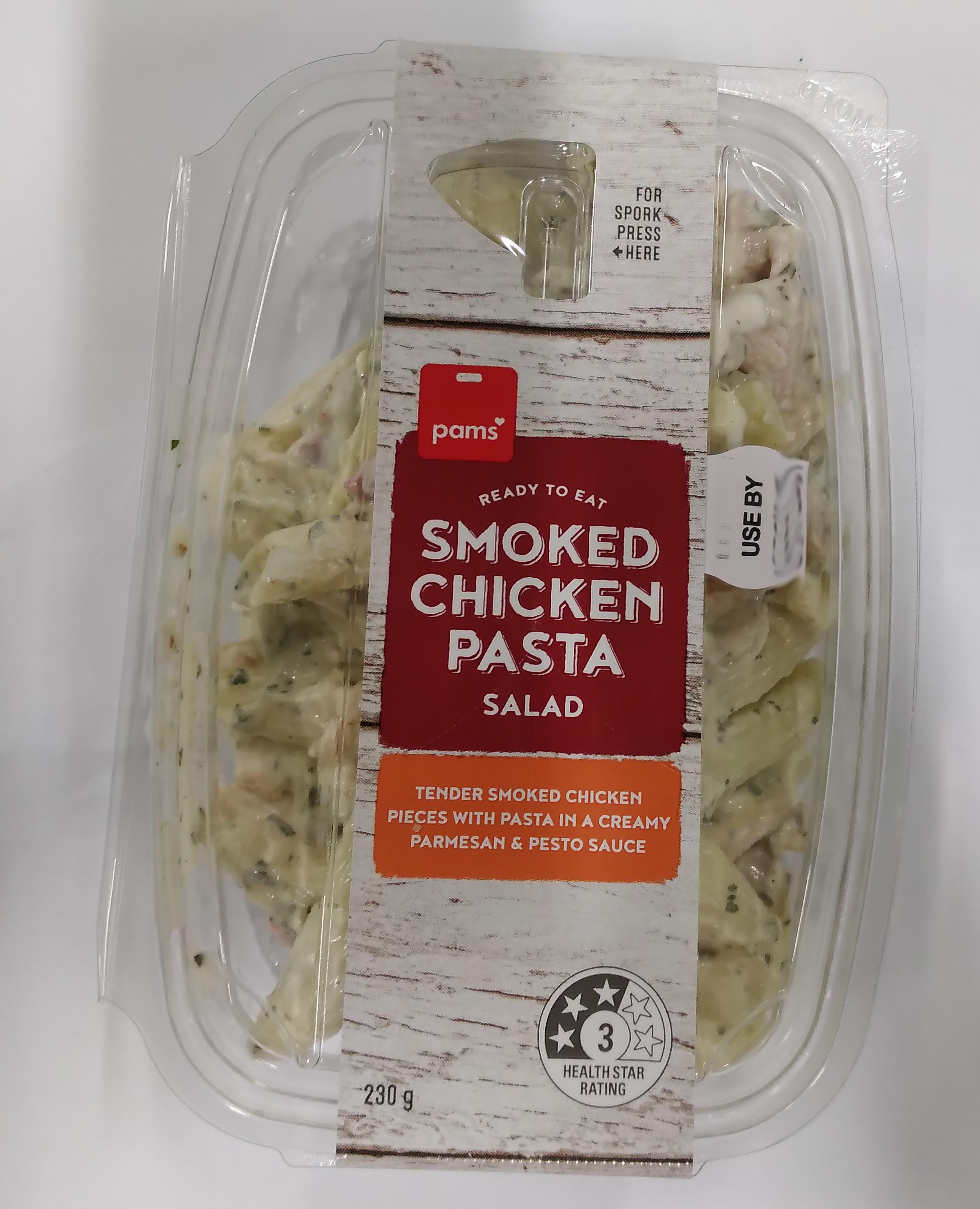
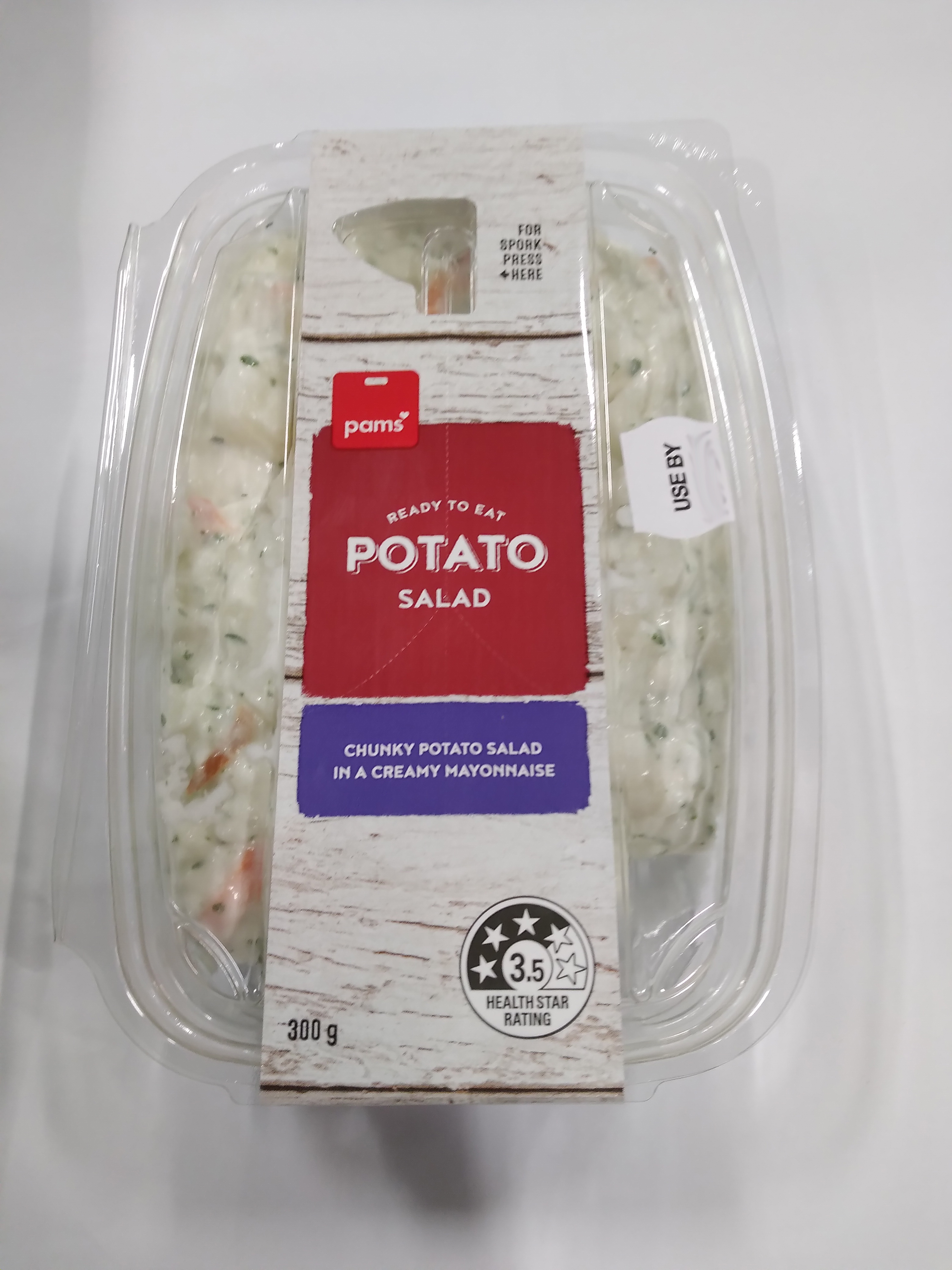
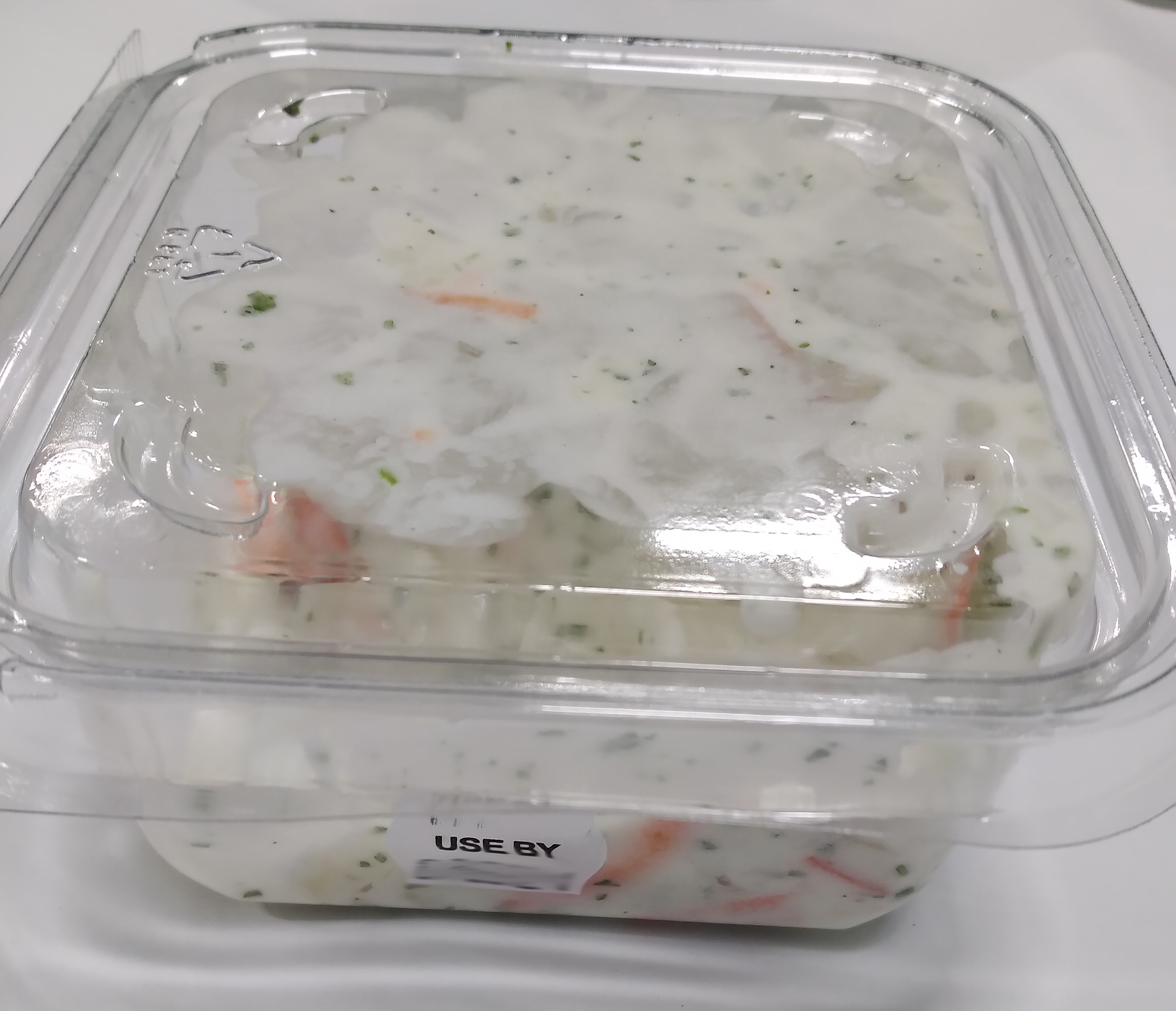
29 January 2021: South Island Fresh Foods Ltd is recalling specific varieties and batches of Bells, Bush Road, Country Foods and Pams brands ready-to-eat salads due to the possible presence of Listeria monocytogenes.

Bush Road Creamy Chicken and Basil 400g.

Bush Road Egg Supreme 200g.

Pams Smoked Chicken Pasta Salad 230g.

Pams Potato Salad 300g.

Unbranded Potato Salad 200g.

Product identification
Product type Ready-to-eat salads
Name of product (size) Sold pre-packed:

Bush Road brand Creamy Chicken Salad with Basil 400g with a use by date of 27JAN21 – 06FEB21

Bush Road brand Egg Supreme (200g) with a use by date of 31JAN21 – 07FEB21

Bush Road brand Potato Salad (250g) with a use by date of 31JAN21 – 07FEB21

Bush Road brand Potato Salad (400g) with a use by date of 31JAN21 – 10FEB21

Pams brand Potato Salad (300g) with a use by date of 31JAN21 – 10FEB21

Pams brand Smoked Chicken Pasta Salad (230g) with a use by date of 27JAN21 – 05FEB21

Unbranded Potato Salad (400g) and (600g) with a use by date of 31JAN21 – 07FEB21

Unbranded Potato Salad (200g) with a use by date of 08FEB21 – 09FEB21

Sold in-stores from deli counter:

Bells brand Potato Salad sold between 18 – 29 January 2021

Bush Road Creamy Chicken Salad with Basil sold between 18 – 29 January 2021

Bush Road brand Egg Supreme sold between 18 – 29 January 2021

Country Foods brand Egg and Celery sold between 18 – 29 January 2021

Country Foods brand Broccolini and Bacon sold between 18 – 29 January 2021

Use by Various weights with specific use by dates between 27JAN21 – 10FEB 21 (for pre-packed salads)

Various weights sold in-stores from the deli counter between 18 – 29 January 2021

Package size and description The product is sold in the deli section of the supermarket and in various weights in plastic packaging.

USA Research – Sources and prevalence of Cyclospora cayetanensis in Southeastern US water sources and growing environments

Centre For Produce Safety

Summary

220px-Cyclospora_cayetanensis_stained

In 2018, a domestic-produce associated cyclosporiasis outbreak and the first Cyclospora detection on domestic produce demonstrated the need for a better understanding of Cyclospora prevalence in US produce growing environments. The Southeastern Coastal Plain growing region has several risk factors that warrant the evaluation of Cyclospora prevalence, including a farm worker population from Cyclospora-endemic areas, use of surface water for irrigation, and heavy rainfall that could transport Cyclospora into surface waters. The proposed study will assess Cyclospora prevalence in this region through two Georgia industry partners representing growing practices across the southeastern US. Human sewage samples from municipal wastewater influents and on-farm portable toilets will be tested to assess Cyclospora shedding in the region and on-farm, respectively. Cyclospora prevalence in the agricultural environment will be assessed in irrigation water and on produce (via a proxy measurement). Using newly developed tools, Cyclospora contamination found will be traced through the produce growing process by genetic typing to match detections between samples and by assessing parasite’s maturation state to approximate time since shedding. This study will add to the understanding of Cyclospora contamination in US produce growing environments and provide information about contamination routes to produce within the Southeastern US.

Technical Abstract

The increased frequency of produce-associated cyclosporiasis outbreaks highlights Cyclospora cayetanensis as an important emerging foodborne pathogen. Most produce associated cyclosporiasis outbreaks have implicated produce grown in areas where the disease is endemic. However, the 2018 detection of C. cayetanensis on US-grown produce and a cyclosporiasis outbreak associated with US-grown produce highlights the need for a better understanding of C. cayetanensis prevalence in US
agricultural environments and of the risks of oocyst contamination to domestically grown produce. The aims of the current study are to assess C. cayetanensis prevalence in irrigation water, harvested produce (via spent packing house water as a proxy), on-farm portable toilets, and municipal wastewater influents in the Southeastern Coastal Plain growing region in Georgia. Georgia vegetable growers produce a wide variety of ready-to-eat produce and utilize well water- and surface water-fed irrigation water holding ponds for produce irrigation, similar to other large agricultural regions in the US. Georgia growing regions are also subject to heavy rainfalls, which we have shown contributes to human fecal contamination of irrigation ponds in the region. Additionally, a majority of the farm workers harvesting
produce are from Cyclospora-endemic regions, representing a potential shedding source C. cayetanensis oocysts.

C. cayetanensis prevalence in the agricultural environment will be assessed by analyzing large-volume (50 L) irrigation water samples on eight farms monthly during non-harvesting periods and twice a month during harvest. At most, one additional irrigation water sample will be collected per month following heavy rainfall. The prevalence of C. cayetanensis from harvested produce will be assessed by analyzing large-volume (up to 50 L) of spent rinse and wash water from packing houses as a proxy measurement. Generic Escherichia coli and the human-specific Bacteroides HF183 fecal marker will be assessed to evaluate the overall and human-specific fecal contamination, respectively, in the water samples. Human sewage samples from municipal wastewater influents and on-farm portable toilets will be analyzed to assess the prevalence of C. cayetanensis shedding in the region generally and on the farm environment, respectively. C. cayetanensis detections will be subsequently analyzed to determine the genotype and sporulation state of detected oocysts, in order to estimate oocyst maturation level and compare the genetic relatedness of oocysts detected in various sample matrices. The typing information will allow for C. cayetanensis contamination to be traced through the growing process. The maturation data will allow for an estimate of the time spent in the environment after shedding from the human host and of potential health risks associated with consumption of contaminated produce, as maturation state determines infectivity of the parasite.

Data from this project will aid in the understanding of the domestic prevalence of C. cayetanensis in agricultural environments and provide the information needed to begin answering questions related to domestic C. cayetanensis produce contamination risks and identify best practices for risk reduction. Additionally, the evaluation of the human-specific fecal marker can provide insight into how Georgia vegetable growing practices are potentially preventing environmental and produce contamination.