Category Archives: food contamination

Norway – Iceberg salad and salad mix- Listeria monocytogenes

Matportalen

KLAR AS is withdrawing Iceberg salad and salad mix from the market following detection of Listeria Monocytogenes

KLAR AS is withdrawing the following salads, with a best before date: 06.10.2022, following the discovery of Listeria Monocytogenes in Iceberg salad: Romano-Mix, Favoritsalat, Hverdagssalat, Iceberg and Saladbar-Mix

Iceberg and salad mixes are distributed to: Coop, German Vervik, Haugaland Storhusholding, Engrosfrukt Vest, Måkestad and Bama. Recipients of the salad have been notified.

Consumers who have Isberg, Romano-Mix, Favoritsalat, Hverdagssalat, Saladbarmix with a best before date of 06.10.22 are asked to throw these away.

Listeria Monocytogenes is a bacterium that is found almost everywhere in soil and sludge and vegetation, in rivers, ponds and in the intestines of many animal species. It can cause a rare but sometimes serious infection in humans.

The following goods are distributed to consumers / retail:

Via Coop:

  • 24 packs of Romano-Mix
  • 160 packs Favorite salad

Via German Vervik:

  • 20 packs Everyday salad
  • 20 pk Favorite salad
  • 20 packs of Romano-Mix

Contact person for the Norwegian Food Safety Authority: Arve Kolbeinsen, Norwegian Food Safety Authority. Phone 970 93 400

Contact person KLAR AS: Trond Skjældal, Tel 922 21 113

Germany – Cinnamon stars, 150 g EAN: 4250096908926-Mold/Moulds

LMW

Alert type: Food

Date of first publication:
09/30/2022

Product name:
Cinnamon stars, 150 g EAN: 4250096908926

Wertkreis Gütersloh gGmbH, Im Heidkamp 20, 33334 Gütersloh

Manufacturer (distributor):
Kiebitzhof Wertkreis Gütersloh gGmbH, Im Heidkamp 20, 33334 Gütersloh

Reason for warning:
mold growth

Packaging Unit: 150g

Durability: 02/28/2023

Lot identification: Batch: 2343 (carton:32202343)

Further information:
Reference is made to the attached market notice

Click to access Aushang.pdf

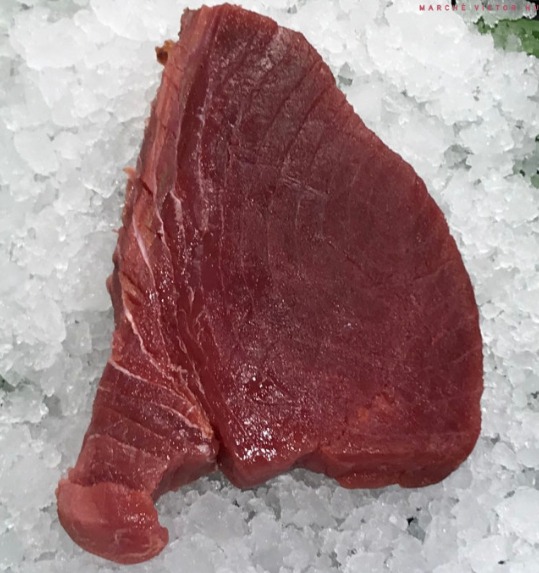
France – Tuna sold in the traditional section of the Carrefour Maket Fonsorbes Tarbes store between September 20 and 28, 2022- Histamine

Gov france

Identification information of the recalled product

  • Product category Feed
  • Product subcategory Fishery and aquaculture products
  • Product brand name unbranded
  • Model names or references Tuna sold in the traditional section of the Carrefour Market Fonsorbes Tarbes store between September 20 and 28, 2022
  • Identification of products
    GTIN Batch
    1111111111116 sold between 09/20/22 and 09/28/22
  • Packaging The cutting
  • Marketing start/end date From 09/20/2022 to 09/28/2022
  • Storage temperature Product to be stored in the refrigerator
  • Further information Tuna sold in the traditional section of the Carrefour Maket Fonsorbes Tarbes store between September 20 and 28, 2022
  • Geographic area of ​​sale Carrefour Market Fonsorbes Tarbes
  • Distributors ONLY Carrefour Market Fonsorbes Tarbes

Practical information regarding the recall

  • Reason for recall Presence of histamine
  • Risks incurred by the consumer Endogenous toxins: histamine (fish, cheese, alcoholic beverages, meats)

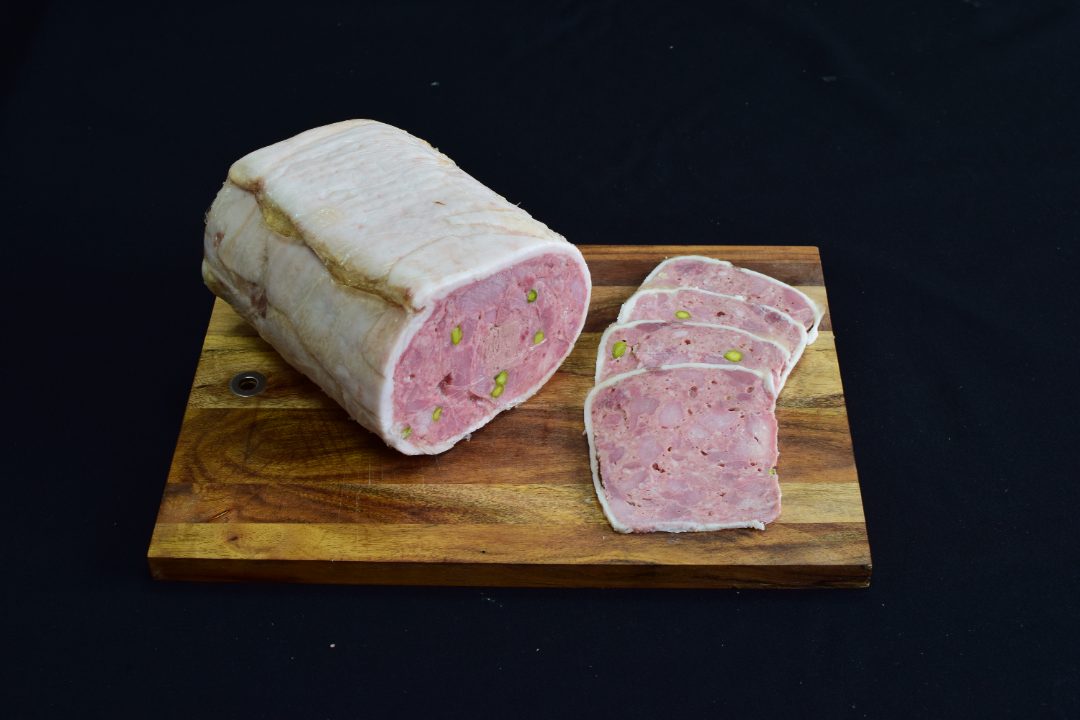
France – PISTACHIO PORK GALANTINE- Listeria monocytogenes

Gov france

Identification information of the recalled product

  • Product category Feed
  • Product subcategory Meats
  • Product brand name un branded
  • Model names or references Pistachio pork galantine
  • Identification of products
    Batch Date
    1251 Use-by date 10/10/2022
  • Packaging Product sold by the slice in the traditional charcuterie-caterer department
  • Marketing start/end date From 09/19/2022 to 09/27/2022
  • Storage temperature Product to be stored in the refrigerator
  • Health mark71.306.001
  • Geographic area of ​​salebi1 Saint Benigne
  • Distributorsbi1 Saint Benigne

Practical information regarding the recall

  • Reason for recall Presence of Listeria
  • Risks incurred by the consumer Listeria monocytogenes (causative agent of listeriosis)

Spain – Alert for the presence of Listeria monocytogenes in black pudding (liver sausage) from Spain

ACSA

Product affected by the alert

The Public Health Agency of Catalonia (ASPCAT) has learned through the Coordinated System for the Rapid Exchange of Information (SCIRI) of an alert notification regarding the presence of Listeria monocytogenes in black pudding from the Chacinas del Bosque brand.

Through the SCIRI, the Spanish Agency for Food Safety (AESAN) received this alert from the health authorities of the autonomous community of Andalusia and has sent it to the rest of the autonomous communities so that the withdrawal of the affected products can be verified. through marketing channels.

The data of the product involved are:

  • Name of the product (on the label): EL BOSQUE LIVER SAUSAGES MORCILLA
  • Brand: CHACINAS EL BOSCH
  • Authorization No.: 10.024902/CA
  • Batch numbers: 120922
  • Preferential consumption date: 03/12/2023

The initial distribution of the product has been carried out in certain towns in Andalusia and in an establishment in Barcelona.

As a precautionary measure, it is recommended that people who have the product indicated above in their homes refrain from consuming it and return it to the point of sale.

In the case of having consumed this product from the affected batch and presenting symptoms compatible with listeriosis (fever, headache, vomiting or diarrhea), it is recommended to go to a health center.

USA – Outbreak Investigation of Listeria monocytogenes: Brie and Camembert Soft Cheese Products (September 2022)

FDA

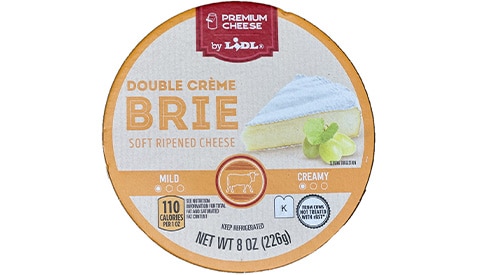
Recalled brie and camembert cheese

The FDA, along with CDC and state and local partners, is investigating a multistate outbreak of Listeria monocytogenes infections linked to Brie and Camembert soft cheese products manufactured by Old Europe Cheese, Inc. of Benton Harbor, MI, and sold at various retailers under multiple labels and brands, including Reny Picot.

Based on epidemiologic information provided by CDC, of the five patients with information available, four (80%) report eating Brie or Camembert cheese prior to illness. FDA, with assistance from the Michigan Department of Agriculture and Rural Development, initiated an inspection at the Old Europe Cheese, Inc. facility in Michigan, which included sample collection and analysis. Analysis of environmental samples collected at the facility showed the presence of Listeria monocytogenes. Whole Genome Sequencing (WGS) analysis determined that the Listeria strain found in the facility matches the Listeria strain causing illnesses in this outbreak.

Old Europe Cheese, Inc. has voluntarily recalled multiple brands of Brie and Camembert cheeses produced at their Michigan facility in response to investigation findings. The firm has also halted production and distribution of their Brie and Camembert products from the Michigan facility and is working with FDA on corrective actions. Consumers, restaurants, and retailers should not eat, sell, or serve recalled products and should throw them away; this includes Best By Dates ranging from September 28, 2022 to December 14, 2022, and all flavors and quantities. A full list of recalled products and stores that potentially sold these products is available below and on the firm’s recall.

FDA’s investigation is ongoing to determine if additional products are potentially contaminated. Updates to this advisory will be provided as they become available.

Recommendation

Consumers, restaurants, and retailers should not eat, sell, or serve recalled products and should throw them away; this includes Best By Dates ranging from September 28, 2022 to December 14, 2022, and all flavors and quantities. A full list of recalled products and stores that potentially sold these products is available below and on the firm’s recall.

Retailers may have repackaged bulk Old Europe Cheese items into smaller containers and sold this repackaged product to consumers. This repackaged product may not bear the original labeling and product information. If you are unsure where your Brie or Camembert cheese is from, ask your retailer or throw it away.

Listeria is most likely to sicken pregnant people and their newborns, adults aged 65 or older, and people with weakened immune systems. Other people can be infected with Listeria, but they rarely become seriously ill.

Call your healthcare provider right away if you have these symptoms after eating Old Europe Cheese Inc. or Reny Picot brand Brie and Camembert products:

  • Pregnant people typically experience only fever, fatigue, and muscle aches. However, Listeria infection during pregnancy can lead to miscarriage, stillbirth, premature delivery, or life-threatening infection of the newborn.
  • People who are not pregnant may experience headache, stiff neck, confusion, loss of balance, and convulsions, in addition to fever and muscle aches.

Follow FDA’s safe handling and cleaning advice and use extra vigilance in cleaning and sanitizing any surfaces and containers that may have come in contact with these products to reduce the risk of cross-contamination, including retailers who repackaged bulk recalled cheese. Listeria can survive in refrigerated temperatures and can easily spread to other foods and surfaces.

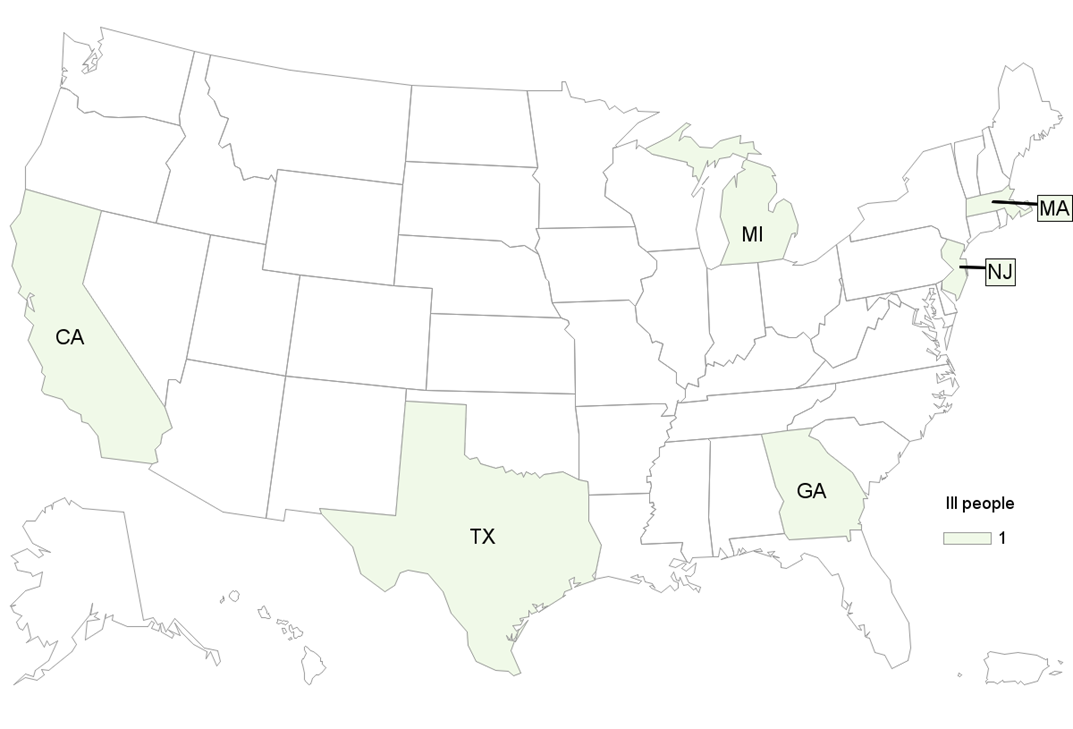
Case Count Map Provided by CDC

CDC Case Count Map of Listeria monocytogenes: Brie and Camembert Soft Cheese Products

Case Counts

Total Illnesses: 6
Hospitalizations: 5
Deaths: 0
Last illness onset: August 5, 2022
States with Cases: CA, GA, MA, MI, NJ, TX
Product Distribution: Nationwide

USA – FSIS Issues Public Health Alert for Ready-To-Eat Chili Cheese Wieners Due to Possible Listeria Contamination

FSIS USDA

WASHINGTON, Oct. 1, 2022 – The U.S. Department of Agriculture’s Food Safety and Inspection Service (FSIS) is issuing a public health alert because Family Fare, a Chippewa Falls, Wisc. establishment, produced ready-to-eat chili cheese wieners that may be contaminated with Listeria monocytogenes. A recall was not requested because it is believed that the products are no longer in commerce.

The ready-to-eat chili cheese wieners were produced on Sept. 21, 2022. The following products are subject to the public health alert [view labels]:

  • 15-oz. vacuum-packed packages containing “Our Local SMOKEHOUSE Chili Cheese flavored Wieners” with a use by date of January 19, 2023.

The products bear establishment number “695SEWI” inside the USDA mark of inspection. These items were shipped to a Family Fare retail location in Cannon Falls, Minnesota, where three packages of the wieners were sold.

The problem was discovered when the Wisconsin Department of Agriculture reported to FSIS that some product was found to be contaminated with Listeria monocytogenes during routine testing.

There have been no confirmed reports of adverse reactions due to consumption of these products. Anyone concerned about an illness should contact a health care provider.

Consumption of food contaminated with L. monocytogenes can cause listeriosis, a serious infection that primarily affects older adults, persons with weakened immune systems, and pregnant women and their newborns. Less commonly, persons outside these risk groups are affected.

Click to access pha-label-10012022.pdf

Research – Spread of Hepatitis A virus strains of genotype IB in several EU countries and the United Kingdom – including foodborne spread

ECDC

As of 29 September 2022, 303 cases with identical or closely related HAV strains have been identified in Austria (7), Germany (8), Hungary (161), the Netherlands (8), Slovenia (35), Sweden (8), and the UK (76). Currently available epidemiological and microbiological data suggest that human-to-human transmission has occurred, and possibly also transmission through contaminated food.

On 15 February 2022, Hungary reported an outbreak of HAV genotype IB with the disease onset of the first case in early December 2021. To date, 161 cases (139 males, 22 females) have been confirmed with this strain in the National Hepatitis Reference Laboratory in Hungary. The weekly number of reported hepatitis A cases have been declining since June 2022. Several infected people identified themselves as men who have sex with men (MSM), suggesting possible transmission among sexual contacts. Several patients have been hospitalised.

In July 2022, a foodborne outbreak was suspected with a link to a restaurant in Hungary, where 16 people fell ill with HAV IB infection. Some of the patients reported consuming cold soup made with frozen berries. In the UK, no clear source of infection has been identified, but epidemiological investigations so far indicate possible foodborne infections in addition to person-to-person transmission. Germany, the Netherlands, and Sweden have reported a total of nine cases infected with strains matching the sequences of the UK strain. Investigations of these cases didn’t find any clear risk factors for infection such as a travel history or consumption of berries. Further investigations are ongoing.

HAV is highly transmissible through contaminated water, food, and via the faecal–oral route among close contacts (e.g. household contacts, sexual contacts, and contacts in day-care centres or schools), with an average incubation period of four weeks, ranging from two to six weeks. The virus is highly resistant to environmental conditions as well as to several preservation methods like acidification or freezing. Therefore, possible food-borne transmission should be investigated when several cases are reported within a short period.

Practising good hand hygiene – including thoroughly washing hands with soap after using the bathroom, changing nappies, and before preparing or eating food – plays an important role in preventing the spread of hepatitis A. Scaling up surveillance to detect and investigate sporadic and clusters of cases possibly associated with foodborne transmission in collaboration with food safety authorities is essential.

MSM are at risk of HAV infection when engaging in sexual practices that facilitate faecal-oral transmission of the virus. Hepatitis A vaccination, which is safe and highly effective, is the main option for response in the context of the current circulation of HAV genotype IB among MSM. The World Health Organisation and most EU/EEA countries recommend hepatitis A vaccination for MSM.

Besides vaccination, other options can contribute to the prevention of transmission among MSM: the use of condoms for anal sex, which have the additional benefit of offering protection against other sexually transmitted infections and good personal hygiene (e.g. washing hands and genital areas before and after sex). For the provision of primary prevention advice, authorities should consider engaging with civil society, social media, media outlets and dating apps to raise awareness among MSM about the risk of contracting HAV and the importance of vaccination. MSM who have already contracted the infection should be referred to sexual health services for further testing.

Research -Microbial safety and sanitary quality of strawberry primary production in Belgium: risk factors for Salmonella and Shiga toxin producing Escherichia coli (STEC) contamination

Academia Edu

Hepatitis A kswfoodworld

ABSTRACT 
Strawberries are an important fruit in Belgium both in production and consumption, but little
information is available about the presence of Salmonella  and STEC in these berries, the risk
factor in agricultural production and possible specific mitigation options. In 2012, a survey
was undertaken of three soil and three soilless cultivation systems in Belgium.
No Salmonella spp. was isolated. No STEC was detected in the strawberry samples (0 out of 72), but STEC
was detected by qPCR in 11 out of 78 irrigation water and 2 out of 24 substrate samples.
Culture isolates were obtained for 2 out of 11 qPCR positive irrigation water samples and 2
out of 2 substrate samples. Multivariable logistic regression analysis revealed elevated generic  E. coli
numbers (odds ratio (OR) for 1 log increase being 4.6) as the most important risk factor for STEC, together with the berry picking season (elevated risk in summer). Presence of generic  E. coli in the irrigation water (≥ 1 cfu per 100 ml) was mainly influenced by the type of irrigation water (collected rainfall water stored in ponds was more often contaminated than ground water pumped from boreholes (OR = 5.8)) and the lack of prior treatment (untreated water versus water subjected to sand filtration prior to use (OR = 19.2)). The follow-up study in 2013 at one of the producers indicated cattle as the most likely source of 
STEC contamination of the irrigation water.

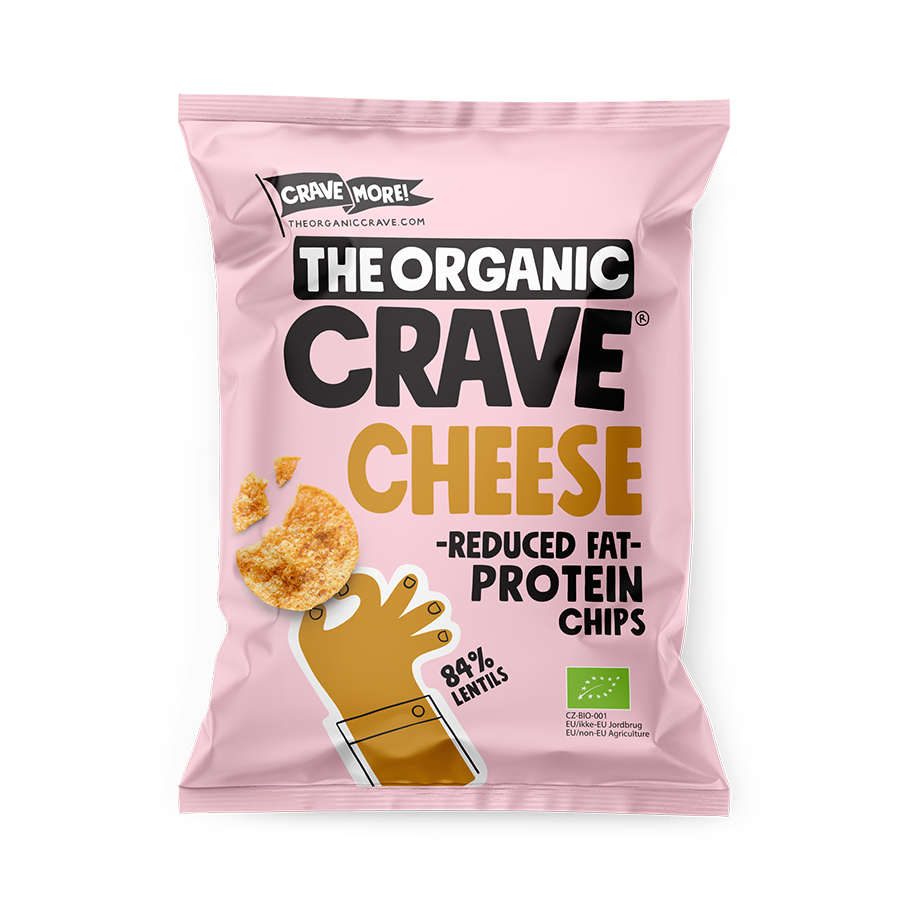
Netherlands – Crave Chips variant Cheese from The Organic Crave Company – Salmonella

NVWA

Safety warning Crave Chips variant Cheese from The Organic Crave Company

The Organic Crave Company warns against Crave Chips variant Cheese from The Organic Crave Company. The product may be contaminated with salmonella. Do not eat the product.

See the website of the Bickery Food Group

Which product is it?

  • Crave Chips variant Cheese packaging
  • Best before date (Best before): 08-05-2023
  • Lot number: 20202008D