Category Archives: food bourne outbreak

Research – A cross-border outbreak of Salmonella Bareilly cases confirmed by whole genome sequencing, Czech Republic and Slovakia, 2017 to 2018

Eurosurveillance

spp. are the third most common cause of bacterial food-borne illnesses worldwide and the second most commonly reported zoonotic agents in the European Union (EU). The bacterial genus  consists of  and  species. More than 2,500 serotypes of  have been identified so far , many of them commonly infecting animals (e.g. poultry, pigs, cattle) and humans. The distribution of predominant serovars in each country are affected by changes in the global food and livestock trade, international travel, and human migration.

 subsp.  serovar Bareilly ( Bareilly) belongs to the C1 serogroup (antigenic formula 6, 7, 14: y: 1,5) and was first identified in India in 1928. In the United Kingdom (UK), 31% of all  Bareilly human cases identified between 2005 and 2009 were attributed to travel from India. Since 2004,  Bareilly has most commonly been isolated from spices. Contaminated mung bean seeds were the likely source of a  Bareilly outbreak in the UK in 2010, with total of 231 cases. In an outbreak of salmonellosis in the United States, which comprised 410 cases of  Bareilly across 28 states and the District of Columbia, tuna scrape imported from India was identified to be the source using whole genome sequencing (WGS)-based methods.

Since 2016,  Bareilly has been among the top 20  serotypes associated with human diseases in the European Union/European Economic Area (EU/EEA) . Between 2006 and 2016,  Bareilly was among the top 25 serotypes detected in humans in the Czech Republic, with the annual incidence ranging from 0.04 to 0.23 per 100,000 inhabitants (data from the Czech national electronic communicable diseases notification system). According to data from the Czech national control programme for  in poultry,  Bareilly was identified in broiler flocks with a prevalence of up to 0.06%.

Salmonellosis has been a mandatory notifiable disease in both the Czech Republic and Slovakia since 1951. Regional public health officers notify case-based data to the national electronic communicable diseases notification system (EpiDat/ISIN in the Czech Republic and the Epidemic Intelligence Information System (EPIS) in Slovakia). Both systems record data on all cases that meet the definition of a confirmed case in accordance with the European Commission Implementing Decision 2119/98/EC. The information on  serovar, which is provided by routine microbiological laboratories handling human samples, is included in the reporting systems. These laboratories typically test for a limited spectrum of serovars only, and  Bareilly is usually not included. The Czech and Slovak National Reference Laboratories (NRLs) (the Czech NRL is a part of the National Institute of Public Health in Prague, the Slovak NRL is part of the Public Health Authority in Bratislava) provide serotyping of less common serovars and confirm results from routine microbiological laboratories on request.

There are several options to confirm the relatedness of  isolates in laboratories. Macro-restriction analysis followed by pulsed-field gel electrophoresis (PFGE) is usually a suitable method for the detection and investigation of  outbreaks. However, in some cases, it does not provide sufficient discriminatory power to distinguish outbreak isolates. Therefore, WGS-based typing methods are now increasingly applied as molecular epidemiology tools to assist in outbreak investigations.
Research – Exotic dried fruits caused Salmonella Agbeni outbreak with severe clinical presentation, Norway, December 2018 to March 2019

Eurosurveillance

Non-typhoid salmonellosis is a gastrointestinal infection characterised by diarrhoea, nausea and occasionally vomiting and fever. In 2017, 20 confirmed salmonellosis cases per 100,000 population were reported in the European Union (EU), making it the second most commonly reported food-borne infection [1]. In Norway, it is mandatory to report all cases of salmonellosis to the Norwegian Surveillance System for Communicable Diseases (MSIS), and the medical microbiology laboratories submit  isolates to the National Reference Laboratory for Enteropathogenic Bacteria (NRL) at the Norwegian Institute of Public Health (NIPH) for confirmation and molecular epidemiological surveillance by whole genome sequencing (WGS). The incidence rate was 18 per 100,000 inhabitants in 2018

The majority of cases are travel-related, as Norway has few known domestic reservoirs. The dominating serotypes detected are  Typhimurium and  Enteritidis. Outbreaks involving different serovars of  are observed irregularly in Norway, with four national outbreaks reported in 2018.

On Tuesday 12 February 2019, the NRL identified a cluster of four  Agbeni isolates, identical by WGS. Previously, this rare serotype of  had only been reported from a few sporadic cases in Norway and from a few outbreaks in the United States (US) and Canada. The cases resided in different municipalities in Norway. The following week, three more cases were detected. The initial interviews indicated a dried fruit mix product as the possible source of the outbreak. The NIPH initiated an outbreak investigation in collaboration with the Norwegian Food Safety Authority (NFSA) and the Norwegian Veterinary Institute (NVI) to identify the source of the outbreak and implement control measures.

This article describes the outbreak investigation and public health measures, and the finding that consumption of a ready-to-eat snack product of dried exotic fruits caused the outbreak of  Agbeni in Norway.

Foodborne Outbreak – Histamine – Frozen Tuna Loins

RASFF

foodborne outbreak caused by histamine (420 mg/kg – ppm) in frozen tuna loins from Vietnam, via the Netherlands in Sweden

Lithuania – Investigation into Gastroenteritis Outbreak in a Kindergarten

VMVT

The State Food and Veterinary Service (SFVS) informs that it is conducting an investigation into the increased incidence of children in the Kelmė pre-school education institution. It is suspected that it may have been caused by poorly organized feeding of children or non-compliance with hygiene requirements.

The SFVS inspectors received the initial information about the suspicions of children attending the Ąžuoliukas kindergarten from the Šiauliai Department of the National Center for Public Health on 2 April. about 1 p.m. The primary diagnosis was made in children with gastroenteritis of unknown origin, colitis.

On the same day, the SFVS inspectors inspected the food handling premises of this nursery, assessed the safety, quality, shelf life, storage conditions and traceability of food for children. Checked the implementation of the self-monitoring system, the hygiene of the premises and staff, and the proper use of biocidal products.

Although preliminary inspection data did not reveal any significant discrepancies in food quality, product labeling, shelf life, storage conditions, traceability, self-monitoring or staff hygiene, discrepancies were found in the layout of cooking flows, incomplete hand hygiene measures, etc. A protracted problem was also identified – repairs to the cooking premises were required immediately. During the inspection, the windows were found to be in a particularly bad condition, they were covered with mold, the floor had to be repaired, and the production inventory had to be updated.

In the food preparation premises, the inspectors took samples of the surface of the detergents from the production inventory and selected samples of frozen poultry.

In order to carefully examine and evaluate the work of the power supply of this educational institution, during the outbreak investigation it was additionally decided to investigate more and larger spectrum of safety-sensitive foods and their raw materials in the laboratory, suppliers and raw materials will be evaluated. The control also assesses the technological descriptions of the institution’s menu for the preparation of dishes, for which certain corrective actions have been proposed.

At present, the Ąžuoliukas kindergarten does not carry out educational activities and, to the knowledge of the SFVS, will not accept children until 12 April. The premises of the nursery power supply unit are cleaned and disinfected, and the results of sample tests are expected this week to evaluate the effectiveness of the performed disinfection.

France – France sees increase in foodborne outbreaks

Food Safety News

French public health officials have reported a rise in the number of foodborne outbreaks in 2019 compared to the year before.

Sante publique France, the public health agency, recorded 1,783 outbreaks in the country affecting 15,641 people. In total, 609 people needed hospital treatment and 12 died. In 2018, 1,630 outbreaks were declared affecting 14,742 people.

Winter 2019 saw a spike in outbreak reports with 134 associated with the consumption of oysters reported in December alone compared to between four and 30 in December to January in previous winters.

USA – FDA Releases Investigation Report Following Fall 2020 Outbreak of E. coli O157:H7 Illnesses Linked to Leafy Greens

FDA

As part of our ongoing efforts to combat foodborne illness, today the U.S. Food and Drug Administration published a report on the investigation into the Fall 2020 outbreak of Shiga Toxin-Producing E. coli (STEC) O157:H7 illnesses linked to the consumption of leafy greens grown in the California Central Coast. The report describes findings from the investigation, as well as trends that are key to understanding leafy green outbreaks that are linked to the California Central Coast growing region, specifically encompassing the Salinas Valley and Santa Maria growing areas every fall since 2017.

We released our preliminary findings earlier this year that noted this investigation found the outbreak strain in a sample of cattle feces collected on a roadside about a mile upslope from a produce farm. This finding drew our attention once again to the role that cattle grazing on agricultural lands near leafy greens fields could have on increasing the risk of produce contamination, where contamination could be spread by water, wind or other means. In fact, the findings of foodborne illness outbreak investigations since 2013 suggest that a likely contributing factor for contamination of leafy greens has been the proximity of cattle. Cattle have been repeatedly demonstrated to be a persistent source of pathogenic E. coli, including E. coli O157:H7.

Considering this, we recommend that all growers be aware of and consider adjacent land use practices, especially as it relates to the presence of livestock, and the interface between farmland, rangeland and other agricultural areas, and conduct appropriate risk assessments and implement risk mitigation strategies, where appropriate. Increasing awareness around adjacent land use is one of the specific goals of the Leafy Greens Action Plan we released last March, which we’re also announcing is being updated today to include new activities for 2021.

During our analysis of outbreaks that have occurred each fall since 2017, we have determined there are three key trends in the contamination of leafy greens by E. coli O157:H7 in recent years: a reoccurring strain, reoccurring region and reoccurring issues with activities on adjacent land. The 2020 E. coli O157:H7 outbreak associated with leafy greens represents the latest in a repeated series of outbreaks associated with leafy greens that originated in the Central Coast of California (encompassing Salinas Valley and Santa Maria) growing region.

In the investigation, the FDA recommends that growers of leafy greens in the California Central Coast Growing Region consider this reoccurring E. coli strain a reasonably foreseeable hazard, and specifically of concern in the South Monterey County area of the Salinas Valley. It is important to note that farms covered by the Food Safety Modernization Act (FSMA) Produce Safety Rule are required to implement science and risk-based preventive measures in the rule, which includes practices that prevent the introduction of known or reasonably foreseeable hazards into or onto produce.

The FDA also recommends that the agricultural community in the California Central Coast growing region work to identify where this reoccurring strain of pathogenic E. coli is persisting and the likely routes of leafy green contamination with STEC. Specifically, we have outlined specific recommendations in our investigation report for growers in the California Central Coast leafy greens region. Those recommendations include participation in the California Longitudinal Study and the California Agricultural Neighbors workgroup. When pathogens are identified through microbiological surveys, pre-harvest or post-harvest testing, we recommend growers implement industry-led root cause analyses to determine how the contamination likely occurred and then implement appropriate prevention and verification measures.

We issued the Leafy Green Action Plan last year to foster a more urgent and collaborative approach to preventing leafy greens outbreaks caused by STEC. We have updated our plan for 2021 to include a renewed emphasis on actions to help prevent contamination from adjacent land, to include new actions that build on the accomplishments and learnings from the 2020 plan, and to renew our commitment to actions that were difficult to accomplish in 2020 due to challenges presented by the COVID-19 pandemic.

The FDA has made significant progress on our Leafy Greens Action Plan this year by enhancing prevention strategies, improving response activities by the agency and other entities, and identifying and addressing the knowledge gaps that exist around STEC contamination of leafy greens. We launched the California Longitudinal Study, developed an efficacy protocol for the development and registration of antimicrobial treatments for pre-harvest agricultural water and took critical steps to advance traceability of leafy greens. We have also conducted several focused inspections, follow-up investigations and sampling assignments.

Although the FDA is keenly focused on taking steps to help mitigate recurring leafy green contamination events, we alone cannot fix this issue. Industry leadership and collaboration among growers, processors, retailers, state partners and the broader agricultural community is critical to reducing foodborne illnesses. At the FDA, the safety of leafy greens remains a top priority, and we are committed to working with all stakeholders to address this significant public health issue and further protect consumers.

The FDA, an agency within the U.S. Department of Health and Human Services, protects the public health by assuring the safety, effectiveness, and security of human and veterinary drugs, vaccines and other biological products for human use, and medical devices. The agency also is responsible for the safety and security of our nation’s food supply, cosmetics, dietary supplements, products that give off electronic radiation, and for regulating tobacco products.

Ireland – Public health investigating E.coli outbreak at childcare facility in Mid-West

Irish Examiner

The Department of Public Health in the Mid-West is handling an E.coli outbreak at a childcare facility and is reminding the public of the danger this bacteria can pose.

Verotoxigenic E.coli (VTec) is a powerful strain of E.coli bacterium that lives in the gut of healthy cattle and sheep and can cause serious illness in the elderly and in children aged under five.

The Mid-West public health department said the outbreak was under control but the incidence highlights the importance of hand hygiene and proper water treatment. 

VTec can be a source of food poisoning and can cause bowel inflammation leading to bloody diarrhoea and severe stomach cramps.

While some people may experience no symptoms, severe diarrhoea from VTec can last as long as nine days.

Public Health Mid-West said a hospital laboratory can confirm the presence of VTec if a person provides a stool sample to their doctor.

USA – Caldwell Idaho Subway link in Norovirus Outbreak that has sickened 25

Food Poison Journal

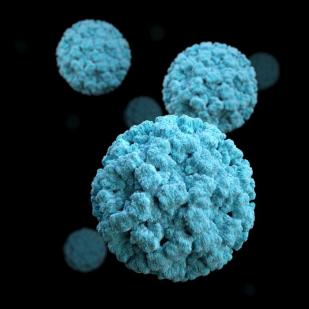
Food Borne Illness - Norovirus -CDC Photo

Nearly 25 known individuals have reported experiencing gastro-intestinal illness symptoms to Southwest District Health (SWDH) since Friday, March 19. SWDH is currently investigating each reported illness to help determine the exact source and has confirmed 1 positive case of Norovirus. So far, there is a strong link to the Subway at 319 N 10th Ave in Caldwell, individuals that are reporting symptoms visited the establishment or received food from this location March 16-19.

The Subway involved is working cooperatively with SWDH following suspected presence of Norovirus and instituted mitigation measures to halt the spread of the virus. Following the inspection by SWDH, it was determined that the facility was following all guidance and recommendations.

USA – Rare Norovirus GIV Foodborne Outbreak, Wisconsin, USA

CDC

Food Borne Illness - Norovirus -CDC Photo

We report a norovirus GIV outbreak in the United States, 15 years after the last reported outbreak. During May 2016 in Wisconsin, 53 persons, including 4 food handlers, reported being ill. The outbreak was linked to individually prepared fruit consumed as a fruit salad. The virus was phylogenetically classified as a novel GIV genotype.

Norovirus is the leading cause of epidemic and endemic acute gastroenteritis globally. The virus can be transmitted through person-to-person contact, consumption of fecally contaminated food or water, or self-contamination after touching contaminated environmental surfaces (1,2). Noroviruses are divided into at least 10 genogroups (G), and viruses in GI, GII, GIV, GVIII, and GIX cause illness in humans (3). More than 99% of all norovirus outbreaks are caused by GI and GII viruses in the United States (4). GVIII includes 2 strains that have been detected in Japan during 2004 and 2011 (3), and GIX has caused 11 reported outbreaks in the United States since 2013 (https://www.cdc.gov/norovirus/reporting/calicinet/data.html).

GIV is divided into 2 recognized genotypes: GIV.1, which infects humans (5), and GIV.2, which infects canines and felines (6). GIV viruses were reported in humans in the Netherlands during 1998 and the United States during 1999 (7,8) and have since been sporadically reported in clinical and environmental samples (5,911). An outbreak linked to a GIV norovirus in the United States has not been reported since 2001 (4,8). In this article, we describe a 2016 foodborne norovirus outbreak associated with a novel GIV strain (tentatively GIV.NA).

France – Product recall: Brittany oysters and special hollow oysters from QUIBERON brand MYTILIMER PRODUCTION – Norovirus

Oulah

Product recall: Brittany oysters from MYTILIMER PRODUCTION

ENCOUNTERED PROBLEM

The relaying area for these oysters, located in the Crac’h river (Morbihan-56) is the subject of a prefectural closure order dated March 19, 2021 for the presence of norovirus in oysters having caused Food Toxi Infection. Collective. (Order N ° 19.03.2021, prefecture of Morbihan).

PROPOSED SOLUTION

People who still hold these products are asked not to consume them and to return them to the point of sale for destruction.

Foodborne illnesses (TIAC) ​​caused by Noroviruses result in gastrointestinal disorders often accompanied by symptoms of acute gastroenteritis (sudden onset of
vomiting, nausea and / or diarrhea sometimes associated with abdominal cramps, moderate fever, chills, etc. stiffness and headache). These symptoms appear after an incubation period of between 10 and
50 hours following consumption of the products. Pregnant women should pay special attention to these symptoms, as well as immunocompromised people, young children and the elderly.

FURTHER INFORMATION

▸ Huitre Bretagne N ° 2 5KG 48P
• Barcode: 3760 116 23048 3
• Lot: 15032021 – 16032021 – 17032021 – 18032021 – 19032021
• Packaging date : 03/15/2021 – 03/16/2021 – 03/17 / 2021 – 03/18/2021 – 03/19/2021

▸ Huitre Bretagne N ° 3 6KG 72P
• Barcode: 3760 116 23049 0
• Lot: 19032021
• Packaging date : 03/19/2021

▸ Huitre Bretagne N ° 4 1.5KG 24P
• Barcode: 3760 116 23039 1
• Lot: 16032021 – 17032021 – 18032021 – 19032021
• Packaging date: 03/16/2021 – 03/17/2021 – 03/18/2021 – 03/19/2021

▸ Huitre Bretagne N ° 2 2,5KG 24P
• Barcode: 3000 046 26851 5
• Lot: 08032021 – 09032021 – 10032021 – 11032021 – 12032021
• Packaging date: 08/03/2021 – 09/03/2021 – 10 / 03/2021 – 03/11/2021 – 03/12/2021

▸ Huitre Bretagne N ° 2 2KG 18P
• Barcode: 3760 116 23039 1
• Lot: 10032021 – 11032021 – 12032021
• Packaging date : 03/10/2021 – 03/11/2021 – 03/12/2021

▸ Huitres Bretagne N ° 3 2Kg 24P
• Barcode: 3000 046 12912 0
• Lot: 17032021 – 18032021 – 19032021
• Packaging date : 03/17/2021 – 03/18/2021 – 03/19/2021

▸ Special hollow oysters from QUIBERON N ° 2 1.2KG 12P
• Barcode: 3000 045 26881 3
• Lot: 05032021 – 08032021 – 09032021 – 10032021 – 11032021 – 12032021 – 15032021 – 16032021 – 17032021 – 18032021 – 19032021
• Packaging date 03/05/2021 – 03/08/2021 – 03/09/2021 – 03/10/2021 – 03/11/2021 – 03/12/2021 – 03/15/2021 – 03/16/2021 – 17 / 03/2021 – 03/18/2021 – 03/19/2021

▸ Health
stamp FR 35-132-018 CE

▸ Consumer service contact
For any questions, you can contact MYTILIMER on 0 801 800 820 (free service and call)

▸ Source
https://www.coursesu.com/
https://www.auchan.fr/
https://www.geantcasino.fr/