Category Archives: Clostridium

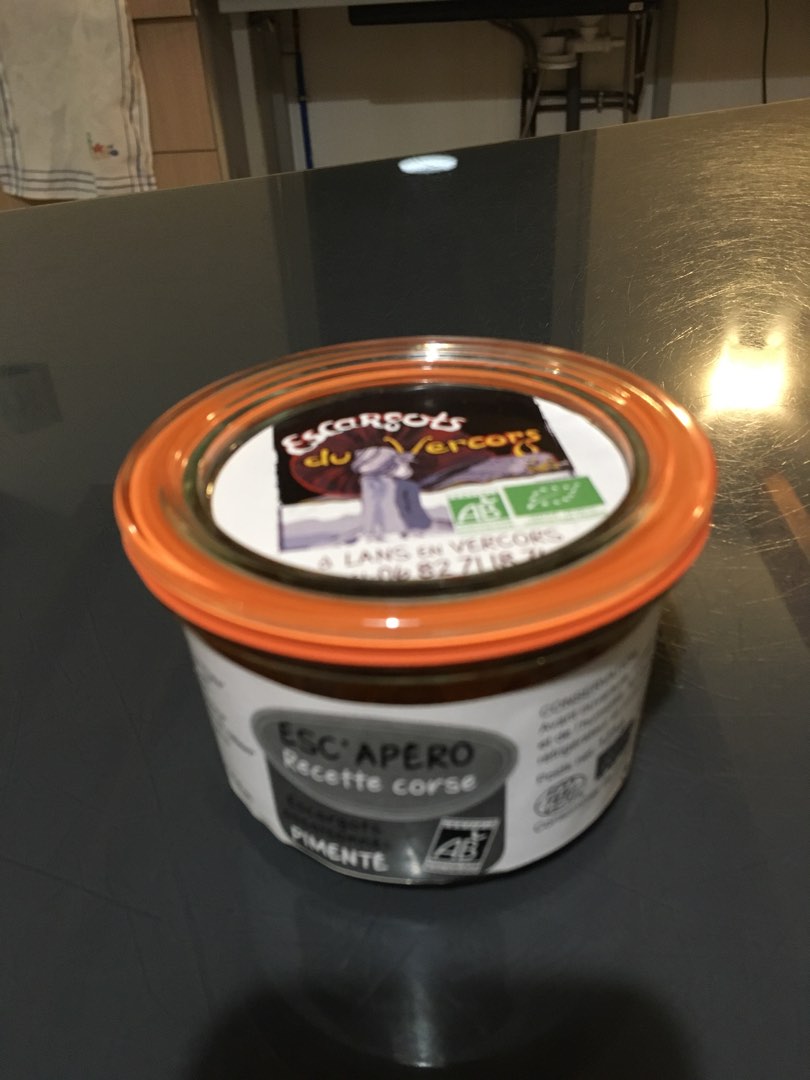
France – Esc’Apéro Corsican Sauce, Spicy – Clostridium botulinum

Gov france

Identification information of the recalled product

  • Product category Food
  • Product subcategory Snails and frogs
  • Product brand name Unbranded
  • Model names or references Esc’Apéro Corsican Sauce, Spicy
  • Identification of products
    Batch Date
    Esc’Apéro Corsican Sauce Batch No. 33221130 Date of minimum durability 31/01/2024
  • Products List Product_list.pdf Enclosed
  • Packaging Weck type glass jar.
  • Marketing start/end date From 06/12/2022 to 20/12/2022
  • Storage temperature Product to be stored at room temperature
  • Geographic area of ​​sale Isere 38
  • Distributors Flavors of the Haut Plateau, Autrans TerraTerre, Villard de Lans Margot’s Delights, Corrençon en Vercors
  • List of points of sale List_points_of_sale_pdf.pdf

Practical information regarding the recall

  • Reason for recall Observation of an unstable pot in the batch during an analysis ordered by the producer at the Departmental Veterinary Laboratory of Isère
  • Risks incurred by the consumer Clostridium botulinum (causative agent of botulism)

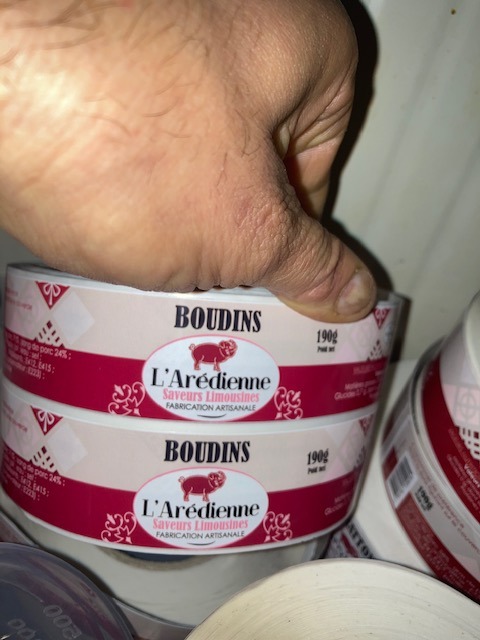
France – Canned sausages – Clostridium botulinum

Gov france

Identification information of the recalled product

  • Product category Food
  • Product subcategory Meats
  • Product brand name the aredian
  • Model names or references sausages
  • Identification of products
    Batch Date
    76 Best before date 03/17/2025
  • Packaging can 190g
  • Marketing start/end date From 03/17/2022 to 03/17/2024
  • Storage temperature Product to be stored at room temperature
  • Health mark19.249.002
  • Further information sausages
  • Geographic area of ​​sale Departments: CORREZE (19)
  • Distributors friends like pigs, the aredienne market of tulle, ussel and bugeat

Practical information regarding the recall

  • Reason for recall can stability issues
  • Risks incurred by the consumer Clostridium botulinum (causative agent of botulism)

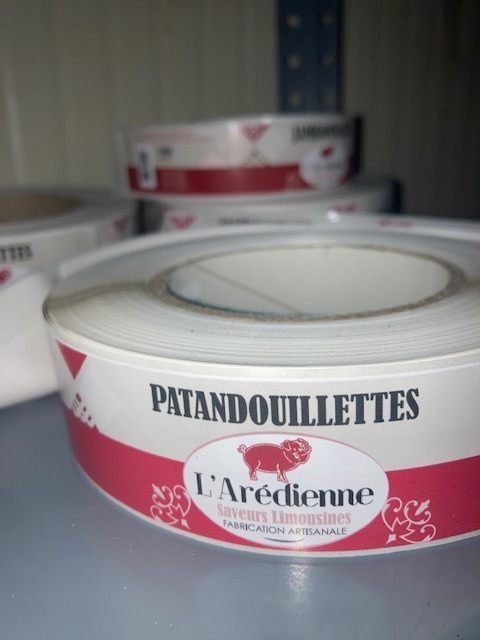
France – Patandouillettes – Clostridium botulinum

Gov france

Identification information of the recalled product

  • Product category Food
  • Product subcategory Meats
  • Product brand name the aredian
  • Model names or references patandouillettes 190g
  • Identification of products
    Batch Date
    295 Best before date 22/10/2024
  • Packaging canned metal 190g
  • Marketing start/end date From 30/10/2021 to 17/03/2023
  • Storage temperature Product to be stored at room temperature
  • Health mark19.249.002
  • Further information patandouillettes 190g
  • Geographic area of ​​sale Departments: CORREZE (19)
  • Distributors friends like pigs and the aredienne market of tulle, ussel and bugeat

Practical information regarding the recall

  • Reason for recallcanned food stability problem
  • Risks incurred by the consumer Clostridium botulinum (causative agent of botulism)

Research – A Comprehensive Review of Variability in The Thermal Resistance (D-Values) of Food-Borne Pathogens—A Challenge for Thermal Validation Trials

MDPI

Abstract

The thermal processing of food relies heavily on determining the right time and temperature regime required to inactivate bacterial contaminants to an acceptable limit. To design a thermal processing regime with an accurate time and temperature combination, the D-values of targeted microorganisms are either referred to or estimated. The D-value is the time required at a given temperature to reduce the bacterial population by 90%. The D-value can vary depending on various factors such as the food matrix, the bacterial strain, and the conditions it has previously been exposed to; the intrinsic properties of the food (moisture, water activity, fat content, and pH); the method used to expose the microorganism to the thermal treatment either at the laboratory or commercial scale; the approach used to estimate the number of survivors; and the statistical model used for the analysis of the data. This review focused on Bacillus cereus, Cronobacter sakazakii, Escherichia coli, Listeria monocytogenes, and Clostridium perfringens owing to their pathogenicity and the availability of publications on their thermal resistance. The literature indicates a significant variation in D-values reported for the same strain, and it is concluded that when designing thermal processing regimes, the impact of multiple factors on the D-values of a specific microorganism needs to be considered. Further, owing to the complexity of the interactions involved, the effectiveness of regimes derived laboratory data must be confirmed within industrial food processing settings.


Research – Prevent Illness From C. perfringens

CDC

CDC Clost perf

Clostridium perfringens bacteria are one of the most common causes of food poisoning. CDC estimates that the bacterium causes nearly 1 million foodborne illnesses in the United States every year.

C. perfringens makes spores, which are inactive forms of the bacterium that help it survive heat, dryness, and other environmental conditions. Under certain conditions, such as when food is kept at an unsafe temperature (between 40°F and 140°F), C. perfringens spores can transform into active bacteria, which multiply in the food. After someone eats food containing C. perfringens, it can produce a toxin (poison) that causes diarrhea.

Foods cooked in large batches and held at unsafe temperatures are typically involved in outbreaks of C. perfringens food poisoning. Specific foods commonly linked to C. perfringens food poisoning include

  • Poultry, such as turkey and chicken
  • Meat, such as beef and pork
  • Gravy

Outbreaks of C. perfringens food poisoning tend to happen in settings where large groups of people are served and keeping food at proper temperatures may be difficult—for example, hospitals, school cafeterias, prisons, nursing homes, and large events with catered food.

Most of these outbreaks happen in November and December. Many of them have been linked to popular holiday foods, such as turkey and roast beef.

USA – Botulism from food causes the death of a respected outdoorsman from Jackson Hole

Food Safety News

Wyoming social media reports the death of 55-year-old Hans Russell, who succumbed to botulism after being conscious but also completely paralyzed for several weeks in a Salt Lake City hospital.

Russell was a popular outdoorsman and river guide in Jackson Hole, WY. His death is blamed on a solo camping trip to Idaho where he consumed a can of soup that was not properly refrigerated. The doctors in Salt Lake City who fought to keep him alive came to believe that the single can of soup was the source of the botulism toxin Russell consumed.

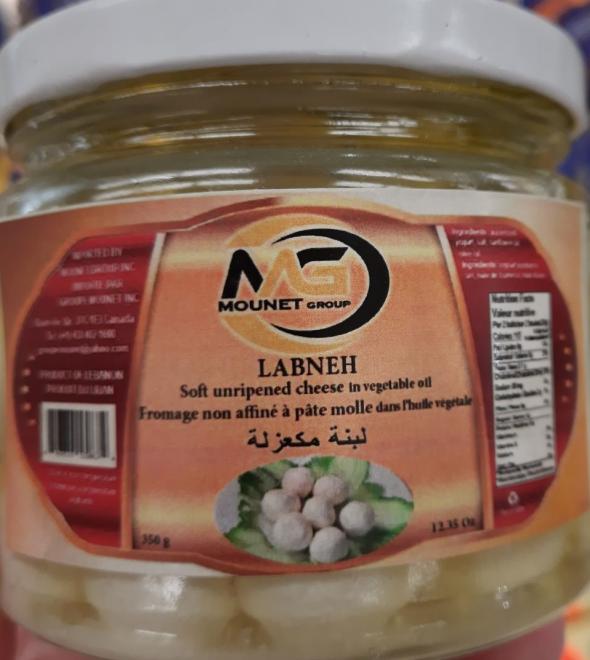
Canada – Mounet Group brand Labneh – Soft Unripened Cheese in Vegetable Oil recalled due to potential presence of dangerous bacteria – Clostridium botulinum

CFIA

Summary

Product
Labneh – Soft Unripened Cheese in Vegetable Oil
Issue
Food – Microbial Contamination – Clostridium botulinum
What to do

Do not consume, use, sell, serve, or distribute recalled products

Affected products

Issue

The affected product is being recalled from the marketplace because it may permit the growth of Clostridium botulinum.

The recalled product has been sold in Quebec.

What you should do

  • If you think you became sick from consuming a recalled product, contact your healthcare provider
  • Check to see if you have recalled products
  • Do not consume, serve, use, sell, or distribute recalled products
  • Recalled products should be thrown out or returned to the location where they were purchased

Food contaminated with Clostridium botulinum toxin may not look or smell spoiled but can still make you sick. Symptoms in adults can include facial paralysis or loss of facial expression, unreactive or fixed pupils, difficulty swallowing, drooping eyelids, blurred or double vision, difficulty speaking, including slurred speech, and a change in sound of voice, including hoarseness. Symptoms of foodborne botulism in children can include difficulty swallowing, slurred speech, generalized weakness and paralysis. In all cases, botulism does not cause a fever. In severe cases of illness, people may die.

Greece – Two Clostridium botulinum Cases

Hellas Posten

The EODY rang the bell for two serious cases of botulism in Greece.

As he states in his announcement, on November 15, 2022, a confluence of 2 suspected botulism cases linked to each other by a family relationship (couple) was declared through the EODY’s Mandatory Disease Notification System.

The botulism antitoxin distribution mechanism was immediately mobilized through the EODY, in collaboration with the treating doctors, to administer the antitoxin to the two patients.

With the assistance of the World Health Organization, it was possible to administer the special antitoxin within the first twenty-four hours from the declaration of the 2 cases to EODY. The two patients, one of whom is intubated, are hospitalized in a stable clinical condition in health units in Attica.

According to the EODY, from the reported food consumption history, it emerged that the couple, of foreign nationality, who were in Greece on vacation, consumed, a few days before the onset of symptoms, asparagus prepared by them through the canning process.

It is noted that in the period 2004-2021, three laboratory-confirmed cases of botulism in infants and one suspected case in an adult were reported to EODY.

Research – Attribution Analysis of Foodborne Disease Outbreaks Related to Meat and Meat Products in China, 2002–2017

Mary Anne Liebert

Abstract

kswfoodworld

This study aimed to understand the epidemiological characteristics of foodborne disease outbreaks related to meat and meat products in China from 2002 to 2017. Data collected from the National Foodborne Diseases Surveillance System and searched databases were analyzed. From 2002 to 2017, China reported 2815 outbreaks caused by foodborne diseases related to meat and meat products, resulting in 52,122 illnesses and 25,361 hospitalizations, and 96 deaths. Outbreaks were markedly seasonal and concentrated from May to September, accounting for 66.93%. Outbreaks were concentrated mainly in China’s eastern coastal and southern regions. Unidimensional attribution analysis revealed that livestock meat was the most commonly implicated food category causing the outbreaks, accounting for 28.67%. Bacteria were the most common pathogenic cause of outbreaks, accounting for 51.94%. Clostridium botulinum was the most common pathogenic cause of death, accounting for 34.38%. Improper processing was the most common contributing factor, accounting for 27.89%. Households were the most common food preparation location causing the outbreak, accounting for 34.39%. Two-dimensional and multidimensional attribution analysis found that Salmonella contamination occurred in different locations and regions, mainly caused by various contributing factors and improper processing. Nitrite poisoning is caused by improper processing in households in East China. Bacterial causes were the commonest agents associated with foodborne diseases related to meat and meat products, and improving the safety and quality of meat and meat product should be a priority.

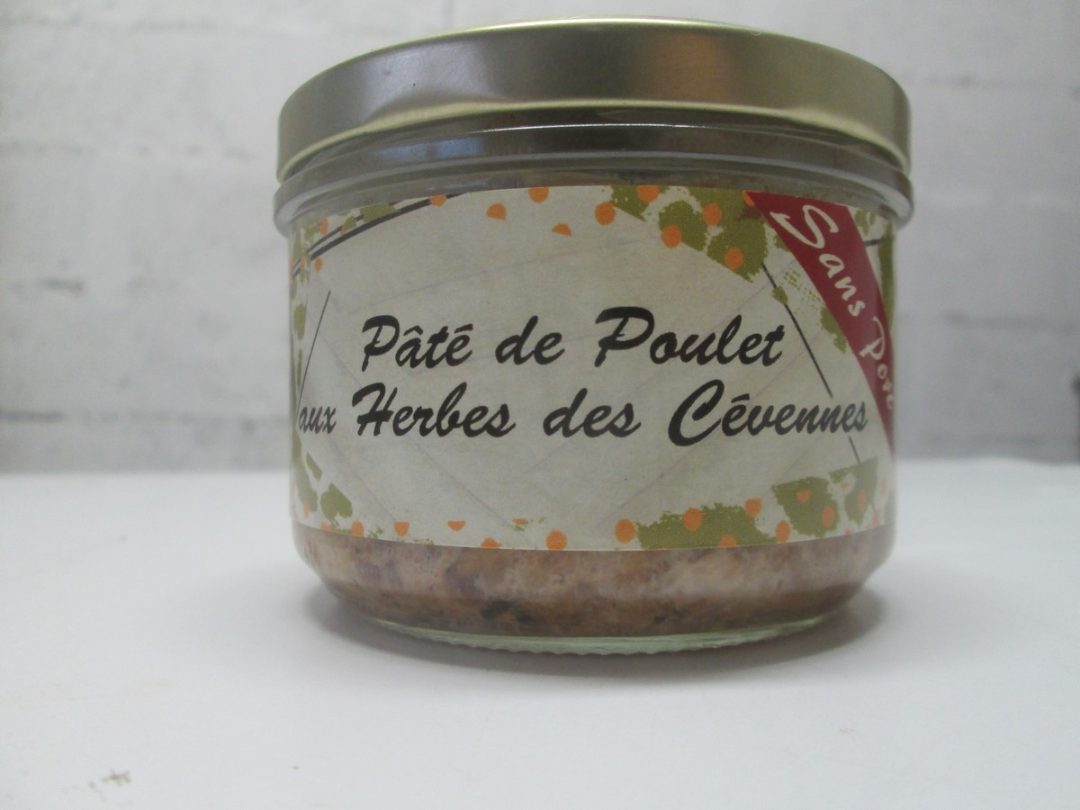
France – Chicken pâté with Cévennes herbs, Chicken pâté with peppers, Guinea fowl pâté with trumpets of death – Clostridium botulinum

Gov france

Identification information of the recalled product

  • Product category Feed
  • Product subcategory Meats
  • Product brand name without marks
  • Model names or references Can of 200gr
  • Identification of products
    Batch Date
    151024 Date of minimum durability 15/10/2024
  • Packaging glass jar
  • Marketing start/end date From 22/10/2021 to 03/12/2021
  • Storage temperature Product to be stored at room temperature
  • Geographic area of ​​sale Lozère and Gard
  • Distributors Direct sales Market of Sainte Croix French Valley Market of Saint Jean du Gard

Practical information regarding the recall

  • Reason for recall Can stability problem
  • Risks incurred by the consumer Clostridium botulinum (causative agent of botulism)