Category Archives: Biotoxin

Research – Clostridial Neurotoxins: Structure, Function and Implications to Other Bacterial Toxins

MDPI

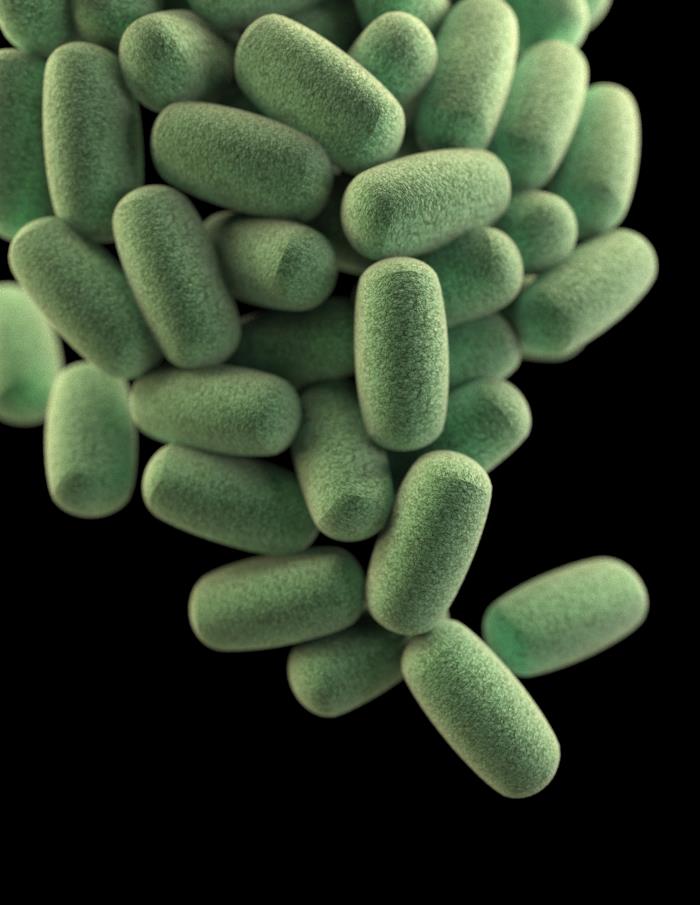
Gram-positive bacteria are ancient organisms. Many bacteria, including Gram-positive bacteria, produce toxins to manipulate the host, leading to various diseases. While the targets of Gram-positive bacterial toxins are diverse, many of those toxins use a similar mechanism to invade host cells and exert their functions. Clostridial neurotoxins produced by Clostridial tetani and Clostridial botulinum provide a classical example to illustrate the structure–function relationship of bacterial toxins. Here, we critically review the recent progress of the structure–function relationship of clostridial neurotoxins, including the diversity of the clostridial neurotoxins, the mode of actions, and the flexible structures required for the activation of toxins. The mechanism clostridial neurotoxins use for triggering their activity is shared with many other Gram-positive bacterial toxins, especially molten globule-type structures. This review also summarizes the implications of the molten globule-type flexible structures to other Gram-positive bacterial toxins. Understanding these highly dynamic flexible structures in solution and their role in the function of bacterial toxins not only fills in the missing link of the high-resolution structures from X-ray crystallography but also provides vital information for better designing antidotes against those toxins. View Full-Text

RASFF Alert – LIPOPHILIC BIOTOXINS – LIVE SLIPPER CLAM (VENERUPIS CORRUGATA)

RASFF

HIGH LEVELS OF LIPOPHILIC BIOTOXINS IN LIVE SLIPPER CLAM (VENERUPIS CORRUGATA) FROM PORTUGAL in Spain

RASFF Alerts – Histamine – Yellow Fin Tuna

RASFF

Histamine and E 300 – ascorbic acid unauthorised in frozen yellowfin tuna (Thunnus albacares) from India in Italy

RASFF Alert – Diarrhoeic Shellfish Poisoning (DSP) – Live Scallops

RASFF

Withdrawal of live scallops (Aequipecten operculatis) harvested in France because of possible contamination with Diarrhoeic Shellfish Poisoning (DSP) toxins from Spain in France

RASFF Alert – Marine Biotoxin – Live Slipper Clams

RASFF

HIGH LEVELS OF LIPOPHILIC BIOTOXINS IN LIVE SLIPPER CLAM (VENERUPIS CORRUGATA) FROM PORTUGAL in Spain

Lipophilic marine biotoxins include okadaic acid, pectenotoxin, yessotoxin and azaspiracid groups.

New Zealand – Shellfish biotoxin alert for Hawke Bay has been removed

MPI

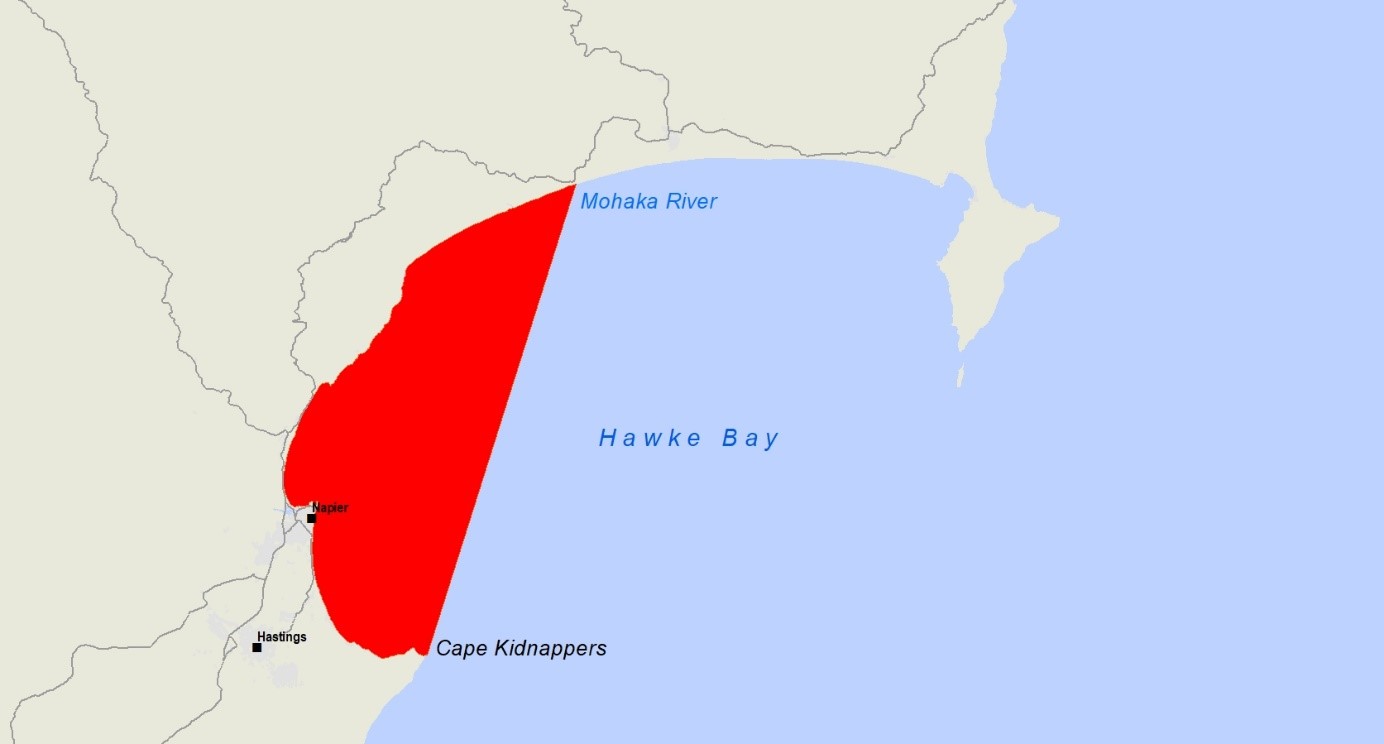
The Ministry for Primary Industries today removed the public health warning against collecting shellfish from the Hawke Bay. This warning was from the Mohaka River Mouth South to Cape Kidnappers. Further sampling of shellfish along this coastline has showed that PSP toxins are now at safe levels.

No other warnings remain in place.

Ukraine- Botulism case reported in Melitopol, Ukraine, Linked to smoked mackerel

Outbreak News Today

kswfoodworld

On June 21, 2021, a case of botulism – food poisoning was registered in Melitopol- a city in Zaporizhzhia Oblast of southeastern Ukraine, according to the city health department.

The patient is a 65-year-old man who bought cold-smoked mackerel in a retail chain and consumed it himself on June 18-19, 2021.

New Zealand – Shellfish biotoxin alerts – Hawkes Bay

MDPI

North Island warnings

Hawke’s Bay

Reason for alert Paralytic Shellfish Poisoning (PSP)

Check the symptoms of PSP

Date warning issued 16 June 2021

Media release

Affected area From the Mohaka River mouth, south to Cape Kidnappers.
Shellfish affected Mussels, oysters, tuatua, pipi, toheroa, cockles, scallops, catseyes, kina (sea urchin), and all other bivalve shellfish.

Note, cooking shellfish does NOT remove the toxin.

Pāua, crab, and crayfish may still be eaten if the gut has been completely removed prior to cooking, as toxins accumulate in the gut. If the gut is not removed its contents could contaminate the meat during the cooking process.

Symptoms Symptoms typically appear between 10 minutes and 3 hours after ingestion and may include:

  • numbness and a tingling (prickly feeling) around the mouth, face, and extremities (hands and feet)
  • difficulty swallowing or breathing
  • dizziness
  • headache
  • nausea
  • vomiting
  • diarrhoea
  • paralysis and respiratory failure, and in severe cases, death.
Other information Paralytic shellfish toxins have been detected in shellfish from Pania Reef at levels over the safe limit of 0.8mg/kg set by MPI. Ongoing testing will continue and any changes will be communicated accordingly.

Map of affected area

Map showing the affected area

British Virgin Islands- Ciguatera increase

Food Safety News

Authorities in the British Virgin Islands have issued a warning after a surge in Ciguatera fish poisoning (CFP) within the past few weeks.

Cases until the week of June 6 were sporadic, but within three weeks there have been eight confirmed infections with other suspected cases also being investigated.

National Epidemiologist Harmony Massiah said CFP is not uncommon in tropical and sub-tropical areas and is mainly associated with consumption of big coral reef fish like snapper, bass and perch that have accumulated ciguatoxin in the body.

Larger fish will have higher amounts of the toxin. Contaminated fish cannot be identified by appearance and the toxin cannot be destroyed by cooking or freezing.

France – Product recall: MAISON CHEVALLIER canned cooked meals – DSP

Oulah

Product recall: MAISON CHEVALLIER canned cooked meals

ENCOUNTERED PROBLEM

Health risk, linked to the lack of stability test. (microbiological)
Marine biotoxins DSP (diarrheal toxins)
Manufacturing defect, sealing defect (ex: micro leaks, defective heat sealing) or packaging anomalies

PROPOSED SOLUTION

Do not consume and return to the point of sale for reimbursement

FURTHER INFORMATION

▸ Names of the models or references
• Country
pâté • Country pâté
• Rabbit terrine with prunes
• Rabbit terrine with duck foie gras • Pork terrine with duck
foie gras
• Lamb semolina
• Duck
parmentier • Diots crozets
• Quinoa salmon
• Sauerkraut
• Beef bourguignon
• Savoyard stew
• Blanquette of veal
• Chicken curry


▸ Packaging
Canned in glass


▸ Start date / End of marketing
From 12/01/2020 to 05/06/2021


▸ Health mark
FR 74 006 007 CE


▸ Geographical sales area
AIN (01), LOIRET (45), MARNE (51), SAVOIE (73), HAUTE-SAVOIE (74)


MAISON CHEVALLIER – TRES ALPAIN distributors


▸ List of points of sale
Click here


▸ Consumer service contact
0450695241


▸ Source
SARL CHEVALLIER