Category Archives: Bacteria

France – Mon chevalin à moi brand Hippotonic and hippovrac – E.coli O157

https://www.oulah.fr/rappel-produit-hippotonic-et-hippovrac-de-marque-mon-chevalin-a-moi/

ENCOUNTERED PROBLEM

Presence of Escherichia coli O157: H7

PROPOSED SOLUTION

People who hold the product in question are asked not to consume them – and more particularly young children, pregnant women, immunocompromised people and the elderly – and to return them to the point of sale where they were purchased.

People who have consumed it and who present symptoms such as diarrhea, abdominal pain or vomiting should consult their doctor as soon as possible, mentioning this consumption and the possible link with the bacterium Escherichia coli.

In the absence of symptoms within 10 days after consuming the affected products, there is no need to worry and consult a doctor.

The E. coli bacterium is naturally present in the digestive microflora of humans and warm-blooded animals. Some strains of E. coli are pathogenic, and can be responsible in humans for various disorders ranging from mild diarrhea to more serious forms such as hemorrhagic diarrhea or severe kidney damage such as HUS, mainly in young children.

FURTHER INFORMATION

▸ Type of packaging
container under skin gingham red white

▸ Lot
102240010

▸ Barcode
• hippovrac: 0264205000000
• hippotonic: 3427240001029

▸ DLC / DLUO
• hippovrac: from 08/24 to 08/25
• hippotonic: from 08/29 to 08/31

▸ Veterinary identification number
FR 27 656 001 CE

▸ Marketing period
from 08/20 to 08/31

▸ Consumer service contact
SNVC is available to answer their questions on the telephone number 02.32.41.13.48 (8 am-12.30pm 1.30pm-5.30pm).

▸ Source
https://www.auchan.fr/

Research – Persistent contamination of raw milk by Campylobacter jejuni ST-883

PubMed

Raw Milk Food Safety KSW FoodworldCampylobacter kswfoodworld

Campylobacter jejuni has caused several campylobacteriosis outbreaks via raw milk consumption. This study reports follow-up of a milk-borne campylobacteriosis outbreak that revealed persistent C. jejuni contamination of bulk tank milk for seven months or longer. Only the outbreak-causing strain, representing sequence type (ST) 883, was isolated from milk, although other C. jejuni STs were also isolated from the farm. We hypothesized that the outbreak strain harbors features that aid its environmental transmission or survival in milk. To identify such phenotypic features, the outbreak strain was characterized for survival in refrigerated raw milk and in aerobic broth culture by plate counting and for biofilm formation on microplates by crystal violet staining and quantification. Furthermore, whole-genome sequences were studied for such genotypic features. For comparison, we characterized isolates representing other STs from the same farm and an ST-883 isolate that persisted on another dairy farm, but was not isolated from bulk tank milk. With high inocula (105 CFU/ml), ST-883 strains survived in refrigerated raw milk longer (4-6 days) than the other strains (≤3 days), but the outbreak strain showed no outperformance among ST-883 strains. This suggests that ST-883 strains may share features that aid their survival in milk, but other mechanisms are required for persistence in milk. No correlation was observed between survival in refrigerated milk and aerotolerance. The outbreak strain formed a biofilm, offering a potential explanation for persistence in milk. Whether biofilm formation was affected by pTet-like genomic element and phase-variable genes encoding capsular methyltransferase and cytochrome C551 peroxidase warrants further study. This study suggests a phenotypic target candidate for interventions and genetic markers for the phenotype, which should be investigated further with the final aim of developing control strategies against C. jejuni infections.

RASFF Alerts – Salmonella – Black Pepper – Basil – Chicken Breast Fillets – Pre-Cooked Fish Products – Gouda Cheese – Rucola – Turkey Thigh Meat – Chicken Breast and Inner Fillet

European Food Alerts

RASFF

Salmonella enterica ser. Rubislaw (present /25g) in black pepper in Germany

RASFF

Salmonella enterica ser. Newport (presence /25g) in black pepper from Brazil in Germany

RASFF

Salmonella (presence /25g) and Salmonella enterica ser. Sandiego (presence /25g) in black pepper from Brazil in Germany

RASFF

Salmonella (presence /25g) and Salmonella enterica ser. Rubislaw (presence /25g) in black pepper from Brazil in Germany

RASFF

Salmonella enterica ser. Oranienburg (presence /25g) in black pepper from Brazil in Germany

RASFF

Salmonella enterica ser. Cerro and Salmonella enterica ser. Oranienburg (presence /25g) in black pepper from Brazil in Germany

RASFF

Salmonella enterica ser. Sandiego (presence /25g) in black pepper from Brazil in Germany

RASFF

Salmonella enterica ser. Münster (presence /25g) in black pepper from Brazil in Germany

RASFF

Salmonella enterica ser. München (presence /25g) and Salmonella enterica ser. Rubislaw (presence /25g) in black pepper from Brazil in Germany

RASFF

Salmonella enterica ser. Javiana (presence /25g) and Salmonella enterica ser. Sandiego (presence /25g) in black pepper from Brazil in Germany

RASFF

Salmonella enterica ser. Poona (presence /25g) in black pepper from Brazil in Germany

RASFF

Salmonella enterica ser. Enteritidis (in 1 out of 5 samples /25g) in chilled chicken breast fillets from Poland in Poland

RASFF

Salmonella in mix of frozen precooked fish products from Italy in Austria

RASFF

Salmonella (presence /25g) in gouda cheese cubes from the Netherlands in the Netherlands

RASFF

Salmonella enterica ser. Minnesota (presence /25g) in black pepper from Brazil in Germany

RASFF

Salmonella (presence /25g) in basil from Laos in Germany

RASFF

Salmonella in rucola from Poland, with raw material from Italy in Poland

RASFF

Salmonella enterica ser. Bargny in frozen boneless turkey thigh meat from Poland in Bulgaria

RASFF

Salmonella enterica ser. Paratyphi B (presence /25g) in fresh chicken breast fillets and inner fillet from the Netherlands in the UK

RASFF

Salmonella (presence /25g) in basil from Cambodia in Germany

RASFF

Salmonella (presence /25g) in basil from Cambodia in Germany

RASFF Alert – E.coli – Live Mussels

European Food Alerts

RASFF

too high count of Escherichia coli (1100 MPN/100g) in live mussels (Mytilus edulis) from Ireland in France

RASFF Alert – Bacillus cereus – Cooked Scorpions!

RASFF

Bacillus cereus (5.58x10E10 CFU/g) in cooked whole scorpions (Mesobuthus martensii) from Thailand in Germany

RASFF Alerts – Listeria monocytogenes – Chilled Roasted Chicken Breast Pieces – Frozen Caviar- Raw Milk Goats Cheese – Chilled Pate with Nuts

European Food Alerts

RASFF

Listeria monocytogenes (in 3 out of 5 samples /25g) in chilled roasted chicken breast pieces from Ireland in Ireland

RASFF

Listeria monocytogenes (presence /25g) in frozen caviar from Poland in Poland

RASFF

Listeria monocytogenes in raw milk goat’s cheese from Belgium in Belgium

RASFF

Listeria monocytogenes (presence /25g) in chilled paté with nuts from Belgium in Belgium

Europe – Shigellosis – Annual Epidemiological Report for 2017

Shigella - kswfoodworld

Image CDC

Shigellosis is a relatively uncommon disease in the European Union/European Economic Area (EU/EEA), but remains of concern in some countries and for some population groups. For 2017, 30 EU/EEA countries reported 6 337 confirmed shigellosis cases. The overall notification rate was 1.7 cases per 100 000 population, slightly higher than in 2016. The highest notification rate was observed in children below five years of age, followed by male adults aged 25–44 years. Sexual transmission of shigellosis among men who have sex with men (MSM) is thought to have contributed to the gender imbalance in the latter group.

Click to access AER_for_2017_shigellosis.pdf

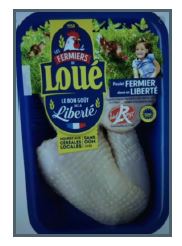
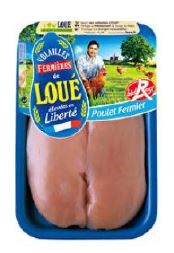
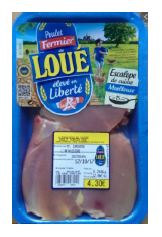
Luxembourg – TRAYS OF 2 CHICKEN THIGHS, 2 CHICKEN FILLETS, 3 CHICKEN THIGH CUTLETS, 3 LOUÉ BRAND CHICKEN THIGHS – PRESENCE OF SALMONELLA

SAP

Last name Tray of 2 S / AT chicken thighs
Mark Rented
Bar code 0217810000000
Best before date (DLC) 09/16/20 and 09/18/20
Lot 2020037740
Last name Tray of 2 chicken fillets S / AT
Mark Rented
Bar code 0217247000000
Best before date (DLC) 09/18/20
Lot 2020037807
Last name Tray of 3 chicken thigh cutlets
Mark Rented
Bar code 0265971000000
Best before date (DLC) 09/16/20 and 09/18/20
Lot 2020037809
Last name Tray of 3 high chicken thighs S / AT
Mark Rented
Bar code 3266980006969
Best before date (DLC) 09/16/20
Lot 2020037740

Danger  : Presence of Salmonella

Salmonella can cause symptoms such as nausea, vomiting, abdominal cramps, diarrhea, fever and headache within 6 to 72 hours after consumption. These symptoms may be aggravated in young children, immunocompromised individuals and the elderly. People who have consumed these products and who present these symptoms are advised to consult a doctor, notifying him of this consumption.

Sale in Luxembourg by: Auchan

A sale by other operators cannot be excluded.

Source of information: Notification of recall by Auchan.

Communicated by: Government Commission for Quality, Fraud and Food Safety .

Germany – Beef Salami Recall – Microbial Load

lebensmittelwarnung

Warning type:

Food

Date of first publication:

09/10/2020

Product name:

Beef salami

Manufacturer (distributor):

Country butcher’s shop Paradieshof Wehr Breite Straße 32 39638 Gardelegen OT Miesterhorst

Reason for warning:

Microbiological load

Production date:

08/18/2020

Lot identification:

180820

Further information:

Regional sales also via sales vehicles in Saxony-Anhalt and Lower Saxony.

Further information from the manufacturer: see attachment

USA – As 1500 Become Ill, with over 200 Hospitalized, the CDC and Canadian Health Agencies Investigation of Salmonella Red Onion Outbreak Continues

As 1500 Become Ill, with over 200 Hospitalized, the CDC and Canadian Health Agencies Investigation of Salmonella Red Onion Outbreak Continues

The Victim Count Nears 1500, with over 200 Hospitalizations in the Red Onion Salmonella Outbreak – Heath Investigators in Two Countries Scramble to Get it Under Control

The CDC has released new information on the Salmonella red onion outbreak, which has caused 1012 illnesses in the United States, with illnesses in 47 states and 136  infections requiring hospitalizations. In Canada, there have been 457 confirmed cases and 66 individuals requiring hospitalizations with illnesses.

CDC