Category Archives: Aflatoxin B1

RASFF Alerts – Aflatoxin – Rice – Dried Figs – Peanuts – Groundnuts – Nutmeg- Golden Sun Basmati Rice

RASFF

Aflatoxin in Pakistan Rice in the Netherlands

RASFF

Aflatoxin in Pakistan Rice in the Netherlands

RASFF

Aflatoxins beyond the limits allowed in Dried Figs from Turkey in Italy

RASFF

Excessive aflatoxin levels (aflatoxin B1 and total aflatoxin) in dried figs from Turkey in Germany

RASFF

Aflatoxin in peanuts from Argentina in the Netherlands

RASFF

Aflatoxin in groundnut kernels from Argentina in the Netherlands

RASFF

Aflatoxin in Indian groundnuts in the Netherlands and Switzerland

RASFF

Aflatoxin in Indian groundnuts in the Netherlands and Switzerland

RASFF

Aflatoxin in Turkish Figs in the Netherlands and Germany

RASFF

Aflatoxin B1 found in golden sun basmati rice from Pakistan in Belgium and the Netherlands

RASFF

Aflatoxin in Indonesian Nutmeg in the Netherlands

Research – How do Time, Tannin and Moisture Content Influence on Toxicogenic Fungal Populations during the Storage of Sorghum Grains?

Journal of Food Protection

Cereal grains are usually ensiled to improve their nutritional value and are one of the main sources of feed for dairy cattle. However, during storage, grains can be contaminated with toxicogenic fungi. Sorghum is one of the most economically important cereals in the world. Therefore, the aim of this work was to evaluate the influence of storage duration and tannin and moisture contents on toxicogenic fungal populations in sorghum grain storage. Samples were prepared with variety high in tannins (genotypes Morgan 108 and ACA 558, >5g/kg DM) and with variety low tannin content (genotypes Flash 10 and ACA 546, <1g/kg DM) were collected and manually compacted in experimental laboratory silos where they received different moisture content treatments, namely low (15-25%), medium (26-32%) and high (33-42%). Freshly harvest grains were analyzed at time 0 and storage grains were analyzed at different times (30, 90 and 180 days). Fungal isolation and identification were performed following conventional mycological methods. Penicillium citrinum (34%), Aspergillus flavus (60%) and Fusarium nygamai (68%) were the most abundant species. Rapid detection of aflatoxins and fumonisins in each sample was performed by ELISA according to the AOAC method, and the quantification of aflatoxin B 1 was performed by HPLC. Aflatoxins were detected in four samples with levels of 6.7-28.8 µg/kg and aflatoxin B 1 with a level of 2-14 µg/kg in pre- and post-storage grains . Fumonisins were only detected in two freshly harvested samples with levels of 500-900 µg/kg . In general, the storage time favored the increase of Penicillium population, instead the Aspergillus and Fusarium are reduced. Conversely the abundance of the three population was not affected by the moisture content. The results of this study show that fungal population must be analyzed at different times.

RASFF Alerts -Aflatoxin – Shelled Pistachios – Dried Figs – Peanuts – Groundnuts- Basmati Rice

RASFF

AFLATOSSINE B1 E TOTALI OLTRE I LIMITI DI LEGGE.1881/2006 from the USA in Italy

RASFF

High content of aflatoxins (total: 28.2 – B1:26.3 µg/kg) in shelled pistachios from Turkey origin Iran in Italy

RASFF

Too high content of aflatoxins in dried figs from Turkey in France

RASFF

Aflatoxins in peanuts in shell from Egypt in Germany

RASFF

Aflatoxins in Brazilian peanuts in the Netherlands

RASFF

Aflatoxins in Egyptian Organic Groundnuts in Germany and the Netherlands

RASFF

Aflatoxin in Basmati rice from Pakistan in Finland, France and the Netherlands

RASFF

Aflatoxins in Bolivian Peanuts in the Netherlands

RASFF Alerts – Aflatoxin – Pistachios – Groundnuts – Peanuts

RASFF

Aflatoxins in pistachios inshell from Turkey in Greece

RASFF

Aflatoxins in pistachios inshell from Turkey in Greece

RASFF

Aflatoxin in Egyptian groundnuts in Germany and the Netherlands

RASFF

Aflatoxin in USA groundnuts in the Netherlands

RASFF

Aflatoxins in Egyptian Organic Peanut Kernels in the Netherlands

RASFF

Aflatoxin in South African groundnuts in the Netherlands

RASFF

Aflatossine oltre i limiti consentiti in Pistacchio in guscio da Iran/Aflatoxins beyond the allowed limits in Pistachio in shell from Iran in Italy

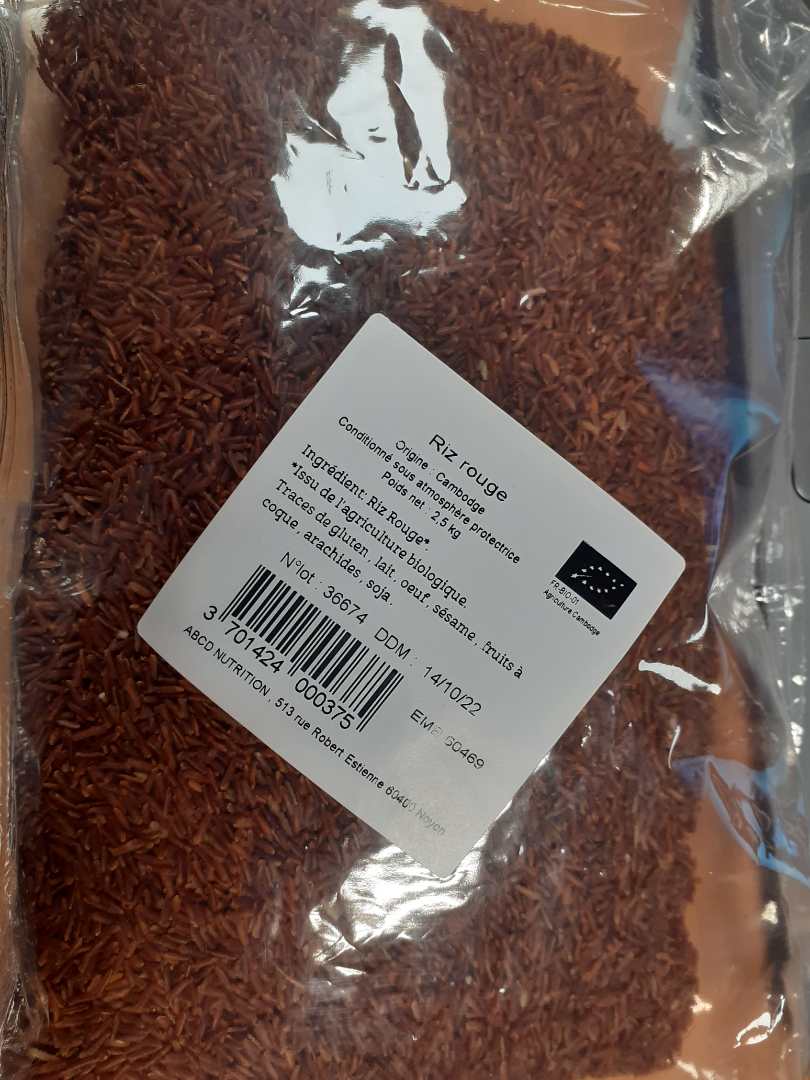
France – ORGANIC red rice – Aflatoxin

Gov france

Identification information of the recalled product

  • Product category Food
  • Product subcategory Others
  • Product brand name BULK RADIUS
  • Model names or references ORGANIC red rice
  • Identification of products
    GTIN Lot Dated
    3701424000375 36674 Date of minimum durability 14/10/2022
  • Packaging Bulk, product in hopper on the BIO shelf
  • Marketing start/end date From 19/10/2021 to 29/11/2021
  • Storage temperature Product to be stored at room temperature
  • Health mark Not concerned
  • Further information Bulk product found in the hopper in the BIO departments
  • Geographic area of ​​sale Whole France
  • Distributors Carrefour Cora Auchan Leclerc Intermarché System U Organic time

Practical information regarding the recall

  • Reason for recall Aflatoxin B1 and B, G levels
  • Risks incurred by the consumer Aflatoxins

Research – Role of climate change in increased mycotoxin levels

All About Feed

Climate change is likely to be part of the reason for the increase in mycotoxin issues for the global animal feed business. And the trend is expected to continue and even accelerate over the next 5 years.

7 out of 10 analyses run last year found raw ingredients contaminated with mycotoxins, according to Cargill’s annual review. But reassuringly, just 35% of these reached performance risk thresholds, showing that positive analyses are not always concerning.

Last year’s study analysed more than 328,000 samples across more than 150 global feed plants, on-farm samplings and storage locations in 54 countries. The majority of these were corn (212,254), cereals (85,478), oilseeds (27,602) or others (3,632). It found 72% of analyses were contaminated with at least one mycotoxin showing that contamination is more likely than not across all ingredients.

Since mycotoxins are produced by moulds as a natural defence response to environmental factors, their occurrence is linked to climate conditions.

RASFF Alerts – Aflatoxin – Groundnuts – Peanuts – Organic Mace – Hazelnut Kernels – Chopped Chilli

RASFF

Aflatoxin in Argentine groundnuts in the Netherlands

RASFF

Aflatoxins and ochratoxin A in organic mace powder from Sri Lanka in Germany

RASFF

Aflatoxins in groundnuts from USA in Portugal

RASFF

Aflatoxins in groundnuts in shell from Egypt in the Netherlands

RASFF

Excessive levels of aflatoxins (aflatoxin B1 and total aflatoxin) in organic hazelnut kernels from Azerbaijan in Germany

RASFF

Aflatoxin B1 in Argentine peanuts in the Netherlands

RASFF

Alti valori di Aflatossina su peperoncino sminuzzato dallo (chopped chilli) Sri Lanka//High Aflatoxin values on crushed chili from Sri Lanka in Italy

RASFF Alert – Aflatoxin – Dried Figs – Pistachio Kernels – Assorted Spice Mix – Sesame Seeds – Groundnuts – Millet Flour – Ground Ginger

RASFF

Aflatoxins (B1 = 12.6; Tot. = 13.1 µg/kg – ppb) in pistachio kernels from the United Kingdom in Ireland

RASFF

Aflatoxins (B1 = 59.2; Tot. = 136.8 µg/kg – ppb) in dried figs from Turkey in Belgium

RASFF

Aflatoxins (B1 = 168; Tot. = 275.7 µg/kg – ppb) in dried figs from Turkey in Belgium

RASFF

Aflatoxins in pistachio kernels from turkey in Germany

RASFF

Aflatoxins (B1 = 29.5; Tot. = 31.2 µg/kg – ppb) in pistachios from Iran in Germany

RASFF

Aflatoxines B1 in assorted spices mix from Pakistan in France and Belgium

RASFF

Aflatoxins and Bacillus cereus in organic sesame seeds from Togo in Germany, Netherlands and Switzerland

RASFF

Aflatoxins in millet flour from Senegal in the Netherlands

RASFF

Aflatoxins (B1 = 18.4; Tot. = 20.3 / B1 = 26.9; Tot. = 29.3 µg/kg – ppb) in groundnuts in shell from Egypt in Italy

RASFF

Aflatoxins in dried figs from Turkey in Germany

RASFF

Aflatoxin in Ground Ginger from India, distribution from UK in Ireland

Research – Mycotoxins impact feed quality in 2021 European grain harvest

All About Feed

Extreme weather patterns across Europe in 2021 have been blamed for increased levels of mycotoxins in arable crops creating concerns over the subsequent quality of animal feed.

Mycotoxins, which are produced by certain species of moulds, are a concern for livestock producers due to their ability to influence feed quality and subsequent animal health and performance.

During extensive research across a number of European countries, a pattern of increased mycotoxins has been documented in the latest harvest analysis report from Alltech, in collaboration with SGS.

Just under 1,200 samples of barley, wheat, corn, corn silage, grass silage, alfalfa haylage, triticale, straw and whole crop silage (wheat and barley) were taken for analysis. Several farms or animal feed production sites across Russia, Spain, Denmark, Hungary, Romania, Germany, Netherlands, the UK, Ireland, Bulgaria, Czech Republic, Lithuania, Latvia, Greece, Belarus, Croatia, Serbia, Slovakia and Ukraine were involved in the data gathering.

Moderate to high risk

Data collected for the key feed ingredients indicated the presence of moderate to high levels of mycotoxin risk. Across all samples, there was an average of 4.34 mycotoxins detected, with 98.5% containing at least 1 mycotoxin and 86.1% containing 2 or more mycotoxins.

Type B-trichothecenes were found in 87% of the grain samples, which is a similar number to those found in 2020. The highest concentration of deoxynivalenol or DON (10,914 ppb) was detected in a Danish straw sample. Out of over 600 corn samples analysed, 24% of these contained aflatoxins, a notably higher percentage than 2020 and something feed and livestock producers should be aware of when putting mycotoxin control plans in place for the coming season.

Of the corn samples analysed using an LC-MS/MS method, fusaric acid was the most prominent mycotoxin, detected in 96.7% of samples, while type B-trichothecenes and fumonisins were found in 90% and 83% of samples, respectively.

RASFF Alerts – Aflatoxin – Dried Figs – Groundnuts – Peanuts- Pistachios

RASFF

Aflatoxins in dried figs from Turkey in Germany

RASFF

Aflatoxins in shelled groundnuts from the United States in the Netherlands

RASFF

Aflatoxins (B1 = 330; Tot. = 540 µg/kg – ppb) in dried figs from Turkey in France

RASFF

Aflatoxins (B1 = 16.1; Tot. = 17.9 µg/kg – ppb) in dried figs from Turkey in France

RASFF

Aflatoxins (Tot. = 8.9 µg/kg – ppb) in peanuts in shell from China in Italy

RASFF

Aflatoxins (B1 = 21; Tot. = 23 µg/kg – ppb) in pistachios in shell from Iran in France

RASFF

Aflatoxins (B1 = 39; Tot. = 41 µg/kg – ppb) in shelled pistachios from Turkey in Germany and Italy

RASFF

Aflatoxin B1 in Bolivian organic groundnuts in the Netherlands and Spain

RASFF

Aflatoxins (B1 = 20.8; Tot. = 29.5 µg/kg – ppb) in dried figs from Turkey, via Bosnia and Herzegovina in Croatia