As many as 58 children fell sick due to suspected food poisoning after having meal following the Republic Day function at a government school in Madhya Pradesh’s Rewa district, an official said on Friday.
KSWFoodWorld

As many as 58 children fell sick due to suspected food poisoning after having meal following the Republic Day function at a government school in Madhya Pradesh’s Rewa district, an official said on Friday.
Posted in Food Poisoning, Poisoning
Natures Wonder Premium Bean Sprouts are being recalled for possible Listeria monocytogenes contamination. Because the recall notice was posted on the FDA’s Enforcement Reports page, not the regular recall page, there is no mention about whether or not any illnesses have been reported to date in connection with the consumption of this item. The recalling firm is Chang & Sons Enterprises of Whately, Massachusetts.
Posted in food contamination, food handler, Food Hazard, Food Hygiene, Food Inspections, Food Micro Blog, Food Microbiology, Food Microbiology Blog, Food Microbiology Testing, Food Pathogen, Food Quality, food recall, Food Safety, Food Safety Alert, Food Safety Management, Food Safety Regulations, Food Testing, Listeria, Listeria monocytogenes
The Philadelphia Department of Public Health has recently confirmed that a person who works at the ShopRite at Oxford and Levick, located at 6301 Oxford St, Philadelphia, has acute Hepatitis A. The store is aware of the situation and is working collaboratively with the Health Department.
No additional ill people have been reported and no other stores are affected. While the risk of Hepatitis A infection is very low, the Health Department recommends that people who handled raw beef or pork or ate undercooked beef or pork purchased from the store’s meat counter between January 4th, 2024 and January 21st, 2024 receive Hepatitis A vaccine as soon as possible.
Posted in food recall, Hepatitis A, product recall, Recall
Recall of Tam Y
Product: “Nem Chua” & “Nem Chua La Tam Ruot” from the brand ORIENTAL KITCHEN
Nature of the problem: presence of Listeria and Staphylococci
In agreement with the AFSCA, Tam Y is withdrawing the “Nem Chua” & “Nem Chua La Tam Ruot” products of the ORIENTAL KITCHEN brand from sale and recalling them from consumers due to the presence of Listeria and Staphylococci.
Tam Y asks its customers not to consume these products and to return them to the point of sale where they were purchased, where they will be refunded.
Product description:
– Product name: Nem Chua
– Brand: ORIENTAL KITCHEN
– Best before date (Best before): 01/28/2024
– Batch number: 01/28/2024
– Sales period: from 01/08/2024 to 01/26/2024
– Nature of packaging: net of 10 units.
– Weight: 300g

The product was distributed by Tam Y (Chaussée du Roi Albert 86, 4431 Loncin).
For any further information , contact:
Mr. Tran Huu Duc
Telephone number and email address: 0499611766 and tamy4447@gmail.com .
Posted in food contamination, food handler, Food Hazard, Food Hygiene, Food Inspections, Food Micro Blog, Food Microbiology, Food Microbiology Blog, Food Microbiology Testing, Food Pathogen, Food Poisoning, Food Quality, food recall, Food Safety, Food Safety Alert, Food Safety Management, Food Safety Regulations, Food Testing, Food Toxin, Listeria, Listeria monocytogenes, Staphylococcal Toxin, Staphylococcus aureus
Product category
Food
Product subcategory
Meats
Product brand name
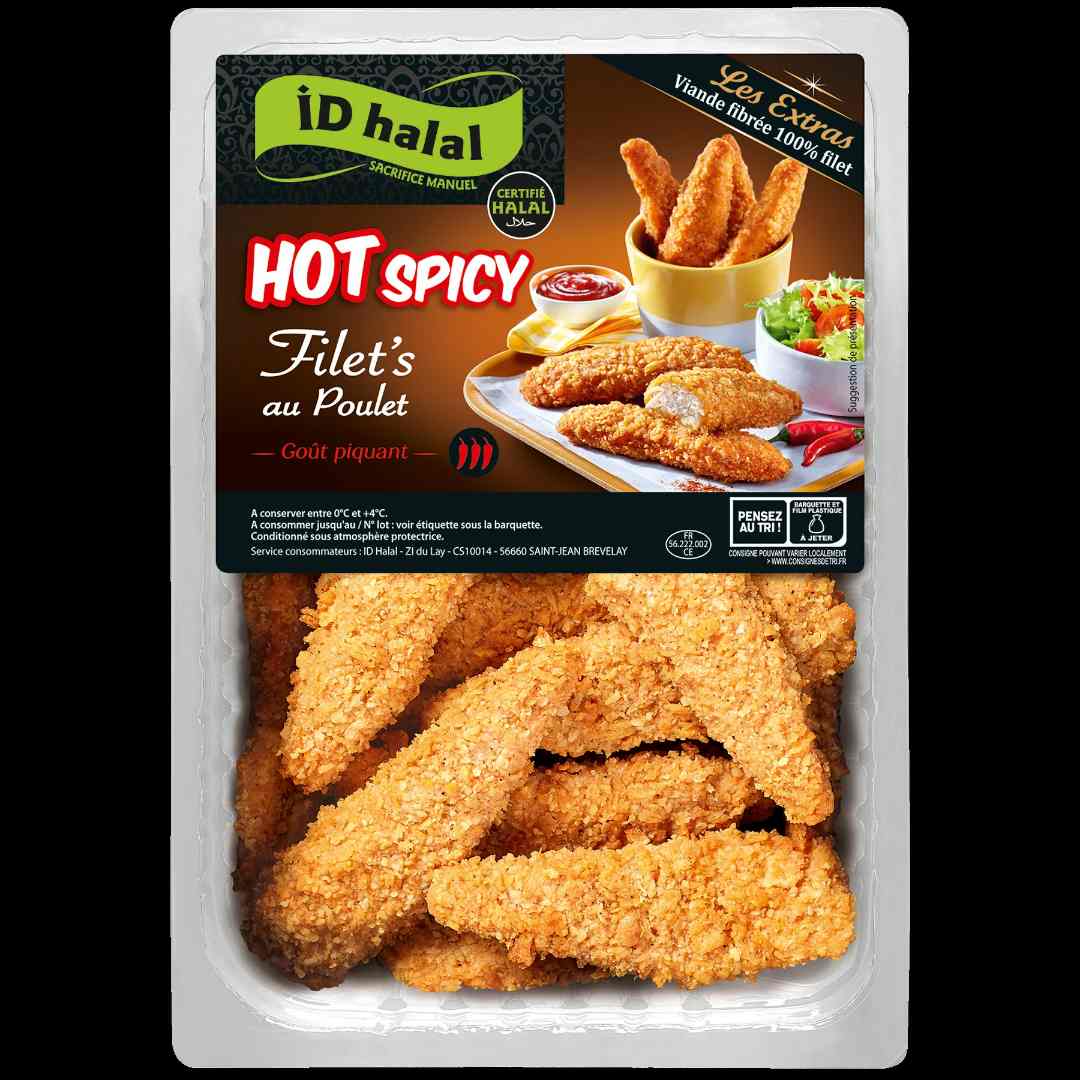
ID’HALAL
Model names or references
BQ 1KG HOT SPICY CHICKEN ID’HAL S/AT
Product identification
GTIN Batch Date
3378740002293 4704533658 Use-by date 02/13/2024
Packaging
Modified atmosphere tray, 1 kg
Start/end date of marketing
From 01/09/2024 to 02/13/2024
Storage temperature
Product to keep in the refrigerator
Health mark
FR 56-222-002
Geographical sales area
Whole France
Distributors
AGRODIS ABO, AGROMA FRAIS, AL SIMA VERNET, ALFAZO TOULON, APRIBA LENS / ANTI G, ATG DISTRIBUTION, ATIMEX, BM SUPERMARCHE, BVBA JOUNES, DJAOU VIANDE HALAL, FRANCE VIANDE TRAD, FRANGO CONCEPT, FRANPRIX – MAMINA, GARGES DIS FRAIS.. .
Posted in food contamination, food handler, Food Hazard, Food Hygiene, Food Inspections, Food Micro Blog, Food Microbiology, Food Microbiology Blog, Food Microbiology Testing, Food Pathogen, Food Quality, food recall, Food Safety, Food Safety Alert, Food Safety Management, Food Safety Regulations, Food Testing, Listeria, Listeria France, Listeria monocytogenes
Product category
Food
Product subcategory
Meats
Product brand name
UNBRANDED
Model names or references
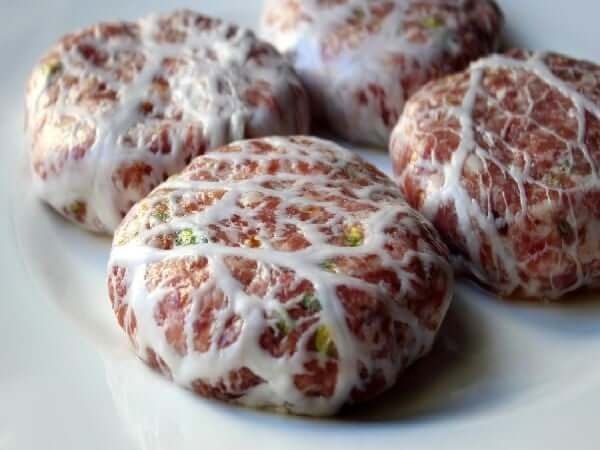
ELABORATED PORK VEAL CREPINETTE
Product identification
GTIN Batch Date
0211668000000 Packed on 01/17/2024 Use-by date 01/22/2024
Products List
Reminder.pdfAttachment
Packaging
Sold in trays of two units packaged in film
Start/end date of marketing
From 01/17/2024 to 01/22/2024
Storage temperature
Product to keep in the refrigerator
Further information
Sold in the self-service butcher section between 01/17/2024 and 01/22/2024
Geographical sales area
Leclerc Colmar
Distributors
Leclerc Colmar
Posted in food contamination, food handler, Food Hazard, Food Hygiene, Food Inspections, Food Micro Blog, Food Microbiology, Food Microbiology Blog, Food Microbiology Testing, Food Pathogen, Food Quality, food recall, Food Safety, Food Safety Alert, Food Safety Management, Food Safety Regulations, Food Testing, Salmonella
Food-borne pathogens and their toxins cause significant health problems in humans. Formation of biogenic amines (BAs) produced by microbial decarboxylation of amino acids in food is undesirable because it can induce toxic effects in consumers. Therefore, it is crucial to investigate the effects of natural additives with high bioactivity like spice extracts to inhibit the growth of these bacteria and the formation of BAs in food. In the present study, the antibacterial effects of diethyl ether spice (sumac, cumin, black pepper, and red pepper) extracts at doses of 1% (w/v) on Gram-positive (Staphylococcus aureus and Enterococcus faecalis) and Gram-negative (Klebsiella pneumoniae, Pseudomonas aeruginosa, Campylobacter jejuni, Aeromonas hydrophila, Salmonella Paratyphi A, and Yersinia enterocolitica) food-borne pathogen bacterial strains (FBP) were established. In addition, the accumulation of ammonia (AMN), trimethylamine (TMA), and biogenic amines (BAs) in tyrosine decarboxylase broth (TDB) was investigated by using high performance liquid chromatography (HPLC). Sumac extract exhibited the highest antibacterial potential against all FBPs, followed by cumin and peppers. AMN (570.71 mg/L) and TMA (53.66 mg/L) production were strongly inhibited by sumac extract in the levels of 55.10 mg/L for Y. enterocolitica and 2.76 mg/L for A. hydrophila, respectively. With the exception of S. aureus, black pepper dramatically reduced the synthesis of putrescine, serotonin, dopamine, and agmatine by FBP especially for Gram-negative ones. Furthermore, sumac extracts inhibited histamine and tyramine production by the majority of FBP. This research suggests the application of sumac extracts as natural preservatives for inhibiting the growth of FBPs and limiting the production of AMN, TMA, and BAs.
Posted in Decontamination Microbial, Food Micro Blog, Food Microbiology, Food Microbiology Blog, Food Microbiology Research, Food Microbiology Testing, Food Pathogen, microbial contamination, Microbial growth, Microbial Spoilage, Microbiological Risk Assessment, Microbiology, Microbiology Investigations, Microbiology Risk, Pathogen, Research


