Author Archives: KSW

RASFF Alert- Animal Feed – Salmonella – Fish Meal

RASFF

Salmonella in fishmeal from Morocco in Spain

Australia – Gippsland Jersey Pty Ltd – Unhomogenised Jersey Milk 750ml and 2L – Listeria monocytogenes

FSANZ

Product information

Gippsland Jersey Pty Ltd is conducting a recall of the above products. The 750ml product has been available for sale at independent retailers including Richies IGA Paynesville in VIC and independent health food stores in NSW. The 2L product has been available for sale at an independent health food store in Cooma NSW.

Date markings

Use By 13/08/24

Problem

The recall is due to Microbial (Listeria monocytogenes) contamination.

Food safety hazard

Listeria monocytogenes may cause severe illness in pregnant women, unborn babies, neonates, the elderly, and immunocompromised individuals. The general population can also become ill from consuming food contaminated with Listeria monocytogenes.

What to do​

Consumers should not eat these products. Consumers should return the products to the place of purchase for a full refund. Any consumers concerned about their health should seek medical advice.

For further information please contact:

Gippsland Jersey Pty Ltd
0412359713
http://Gippslandjersey.com.au

Related links:

Gippsland Jersey Pty Ltd – Unhomogenised Jersey Milk 750ml and 2L – Recall Notice PDF [61kb].pdf

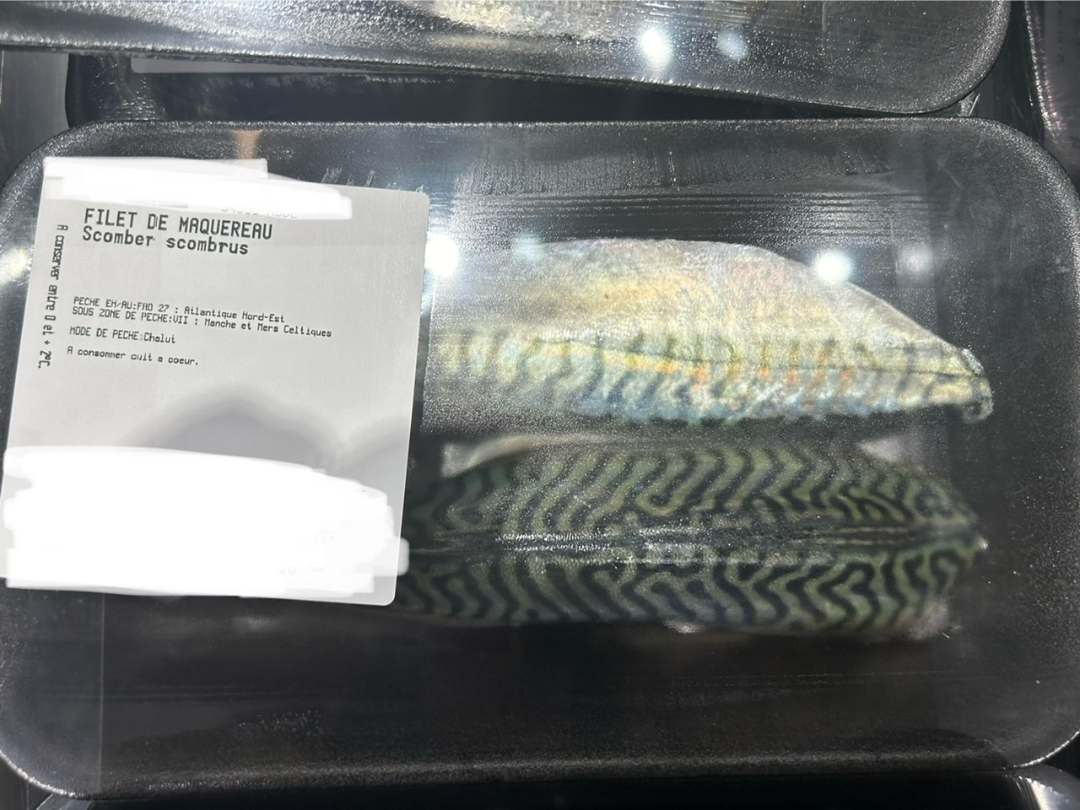
France – Mackerel Fillets – Histamine

Gov France

Product Category
Food
Product subcategory
Fishery and aquaculture products
Product brand name
WITHOUT
Model names or references
without
Product identification
GTIN Batch Date
2888866000000 10/07/2024 Expiry date 07/13/2024
Packaging
Tray under film
Start/End of marketing date
From 07/10/2024 to 07/12/2024
Storage temperature
Product to be kept in the refrigerator
Geographic area of ​​sale
Agde
Distributors
Intermarche Agde

Research – The microbiological quality of flour products in the UK with respect to Salmonella and Shiga-toxin-producing Escherichia coli

Applied Microbiology

Abstract

Aim

To investigate the possible contamination of raw flour and raw flour-based products, such as pancake/batter mixes, with Salmonella, generic Escherichia coli, and Shiga-toxin-producing E. coli (STEC). Samples included flours available for sale in the UK over a period of four months (January to April 2020). The Bread and Flour regulations, 1998 state the permitted ingredients in flour and bread but it does not specify the regular monitoring of the microbiological quality of flour and flour-based products.

Methods and results

Samples of raw flour were collected by local authority sampling officers in accordance with current guidance on microbiological food sampling then transported to the laboratory for examination. Microbiological testing was performed to detect Salmonella spp., generic E. coli, and STEC characterized for the presence of STEC virulence genes: stx1, stx2, and subtypes, eae, ipah, aggR, lt, sth, and stp, using molecular methods Polymerase Chain Reaction (PCR). Of the 882 flours sampled, the incidence of Salmonella was 0.1% (a single positive sample that contained multiple ingredients such as flour, dried egg, and dried milk, milled in the UK), and 68 samples (7.7%) contained generic E. coli at a level of >20 CFU/g. Molecular characterization of flour samples revealed the presence of the Shiga-toxin (stx) gene in 10 samples (5 imported and 5 from the UK) (1.1%), from which STEC was isolated from 7 samples (0.8%). Salmonella and STEC isolates were sequenced to provide further characterization of genotypes and to compare to sequences of human clinical isolates held in the UKHSA archive. Using our interpretive criteria based on genetic similarity, none of the STEC flour isolates correlated with previously observed human cases, while the singular Salmonella serotype Newport isolate from the mixed ingredient product was similar to a human case in 2019, from the UK, of S. Newport. Although there have been no reported human cases of STEC matching the isolates from these flour samples, some of the same serotypes and stx subtypes detected are known to have caused illness in other contexts.

Conclusion

Results indicate that while the incidence was low, there is a potential for the presence of Salmonella and STEC in flour, and a genetic link was demonstrated between a Salmonella isolate from a flour-based product and a human case of salmonellosis.

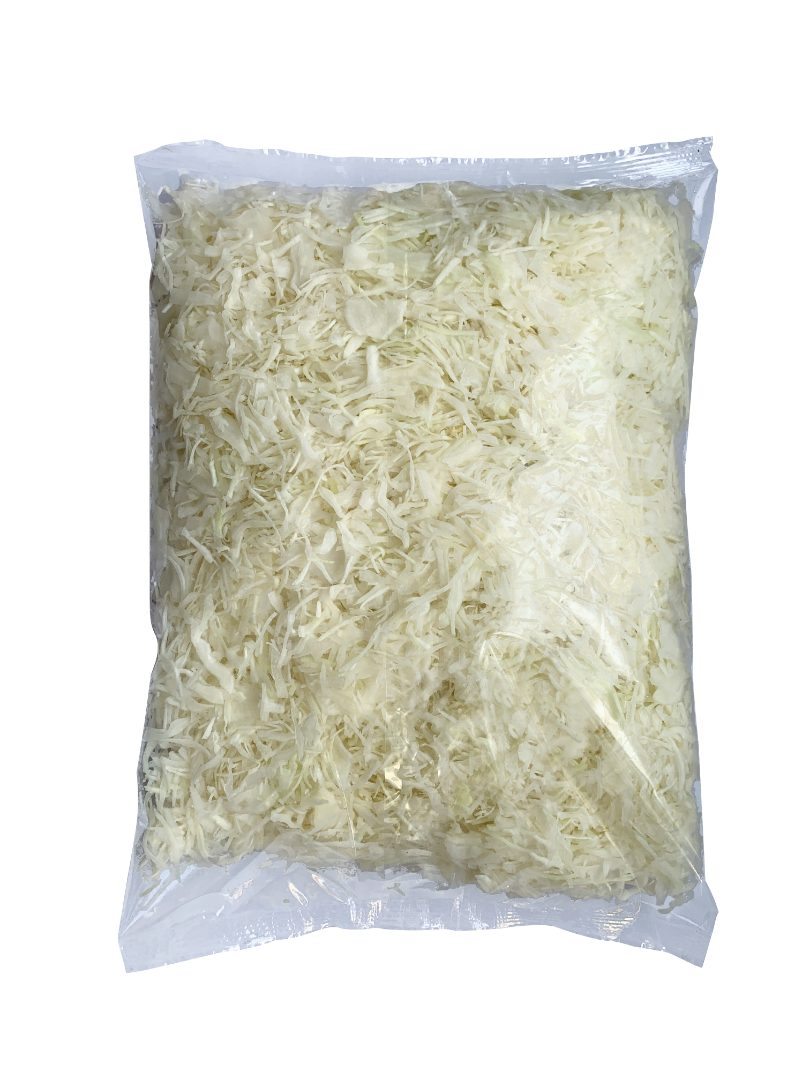
France – MINCED WHITE CABBAGE 1KG – Listeria monocytogenes

Gov France

Product Category
Food
Product subcategory
Fruits and vegetables
Product brand name
100% RESTORATION
Model names or references
MINCED WHITE CABBAGE 1KG
Product identification
GTIN Batch Date
3570250000466 42040001 Expiry date 07/29/2024
3570250000466 42040001 Expiry date 07/30/2024
3570250000466 42040001 Expiry date 07/31/2024
Packaging
1KG BAG
Start/End of marketing date
From 07/22/2024 to 07/24/2024
Storage temperature
Product to be kept in the refrigerator
Geographic area of ​​sale
Whole France
Distributors
PROMOCASH LECLERC PLATFORMS

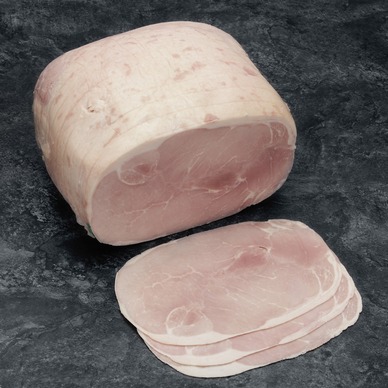
France – Cooked ham cut into slices – Listeria monocytogenes

Gov France

Product Category
Food
Product subcategory
Others
Product brand name
UNBRANDED
Model names or references
Cooked ham cut into slices
Product identification
GTIN Batch Date
1111111111116 240625A Expiry date 08/27/2024
Packaging
Ham cut in the cutting section for slicing
Start/End of marketing date
From 07/22/2024 to 07/25/2024
Storage temperature
Product to be kept in the refrigerator
Further information
Product sold in the cutting department
Geographic area of ​​sale
Carrefour Express Aignan
Distributors
Carrefour Express Aignan

USA- FDA – Investigations of Foodborne Illness Outbreaks

FDA

What’s New

  • A new outbreak of Cyclospora cayetanensis illnesses (ref #1237) linked to a not yet identified product has been added to the table. FDA has initiated traceback.
  • A new outbreak of Cyclospora cayetanensis illnesses (ref #1239) linked to a not yet identified product has been added to the table. FDA has initiated traceback.
  • For the outbreak of Salmonella Irumu (ref #1235) linked to a not yet identified product, the case count has increased from 31 to 32.
  • For the outbreak of Salmonella Typhimurium (ref #1234) linked to a not yet identified product, FDA has initiated sample collection.
  • For the investigation of illnesses (ref #1233) linked to Diamond Shruumz-brand Chocolate Bars, Cones, and Gummies, the advisory has been updated to include additional illnesses and a list of retailers that may have received recalled product.
  • For the investigation of Listeria monocytogenes (ref #1232) illnesses, the outbreak has ended and FDA’s investigation has closed.  Based on CDC’s epidemiological investigation, ill people reported eating salad mixes before becoming sick. CDC, FDA, and state and local partners conducted epidemiologic and traceback investigations and collected and analyzed finished product and environmental samples. All samples collected as part of the investigation were reported as negative for Listeria monocytogenes. The products making people sick in this outbreak are off the market and past shelf life. There is no ongoing risk to the public.

Ireland – FSAI reminds consumers on cooking duck eggs before consumption – Salmonella

FSAI

hazegg.jpg

The Food Safety Authority of Ireland (FSAI) today would like to remind consumers of its advice that duck eggs should only be eaten after they have been thoroughly cooked. Consumers should not use raw duck eggs in any dishes that will not be cooked thoroughly before eating. The FSAI, together with the National Health Protection Office of the HSE, are currently investigating an outbreak of illness involving five human cases of Salmonellosis within the last 12 months and linked to the consumption of duck eggs. The investigation is ongoing.

Duck eggs are legitimately available on the Irish retail market and are used by some people instead of hens’ eggs in cooking and baking. Producers are responsible for ensuring the safety of food placed on the market. However, from time-to-time, Salmonella occurs in duck eggs. Salmonella can cause serious illness. The risk is greatest for people who are very young, for older people, and for people who have a suppressed immune system.

The FSAI advises consumers to only eat duck eggs that have been thoroughly cooked and to only use raw duck eggs in dishes that will be cooked thoroughly before eating. Maintaining stringent hygiene practices, such as washing hands and preparation surfaces, is important when handling or breaking raw duck eggs. Therefore, duck eggs should always be handled and cooked carefully.

Specifically, it is advised that:

  • Duck eggs should not be eaten raw or lightly cooked.
  • Duck eggs should only be eaten after they have been thoroughly cooked, until both the white and yolk are solid. A duck egg is heavier and larger than a hen’s egg, and therefore needs more cooking time.
  • Dishes that contain duck eggs should be cooked until they are piping hot all the way through.
  • Do not use raw duck eggs in the preparation of products that contain raw or lightly cooked egg, such as homemade mayonnaise, tiramisu, icing, hollandaise sauce.
  • When using duck eggs in cooking or baking, pay attention to hygiene when breaking duck eggs and handling the empty shells afterwards, and do not eat or taste the raw mix.
  • After handling raw duck eggs, always wash hands thoroughly.
  • Ensure all utensils and preparation surfaces that have been in contact with raw duck eggs are washed thoroughly before being re-used.
  • Store duck eggs in the fridge away from ready-to-eat food.

The investigation into the outbreak is ongoing and the FSAI will provide further updates, as necessary.

For more information, see our Q&A advice for consumers and Health Protection Surveillance Centre Factsheet on Salmonella.

Singapore – 60 people fall ill after mass food poisoning incident at ByteDance office; SFA, MOH investigating

Channel News Asia

SINGAPORE: Authorities are investigating dozens of cases of gastroenteritis reported at TikTok owner ByteDance’s Singapore office at One Raffles Quay on Tuesday (Jul 30).

Sixty people developed symptoms of gastroenteritis and 57 of them sought medical treatment at hospitals, the Singapore Food Agency (SFA) and the Ministry of Health (MOH) said in a joint statement on Tuesday night.

A buffet section at the canteen will be closed until investigations are complete, the company said.

“We are taking this incident very seriously and are working closely with local authorities and caterers to identify the cause as soon as possible,” it added.

CNA understands that ByteDance engages licensed external vendors to cater food for its offices, and that food is not prepared or cooked at its office premises in Singapore.

USA – Lower Valley Processing recalls beef due to E. coli O157:H7

Food Poison Journal

Lower Valley Processing, Official Establishment No. 007 located in Kalispell, Montana, has voluntarily recalled all non-intact, raw products (e.g., ground meat products) produced from animals slaughtered on June 5, 2024, because they may be adulterated with Escherichia coli 0157:H7, the Montana Department of Livestock announced today. Potentially affected products were labeled with “Lower Valley Processing, Co.”, establishment number “EST. 007” inside the Montana mark of inspection on the product labels, and lot numbers 1398, 1399, and 1400. The source of the E. coli contamination has not been identified.