Monthly Archives: February 2023

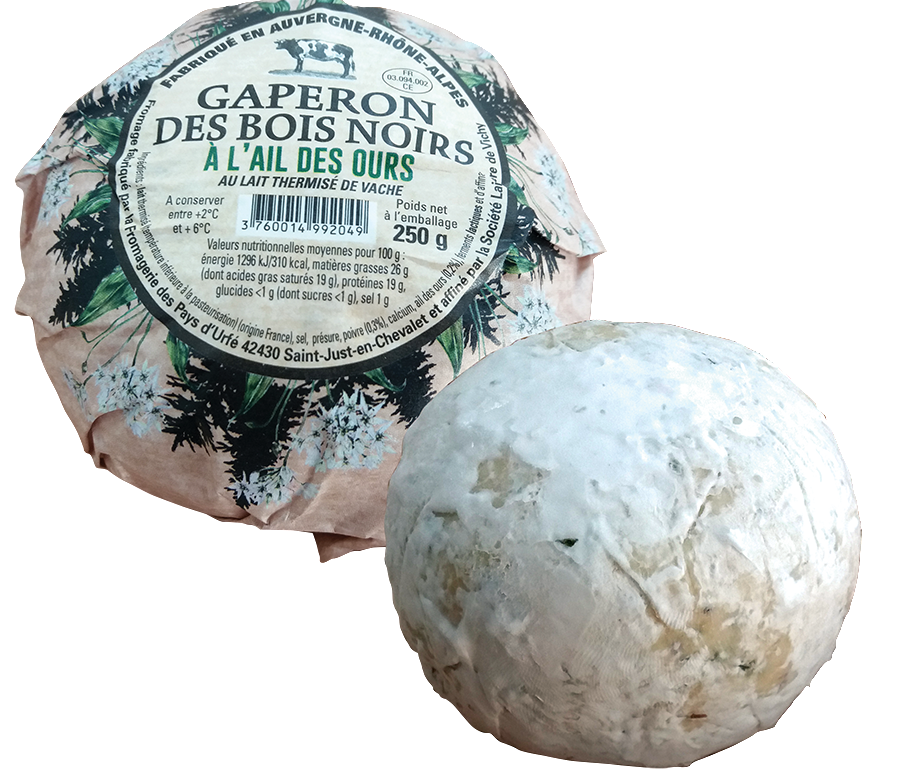
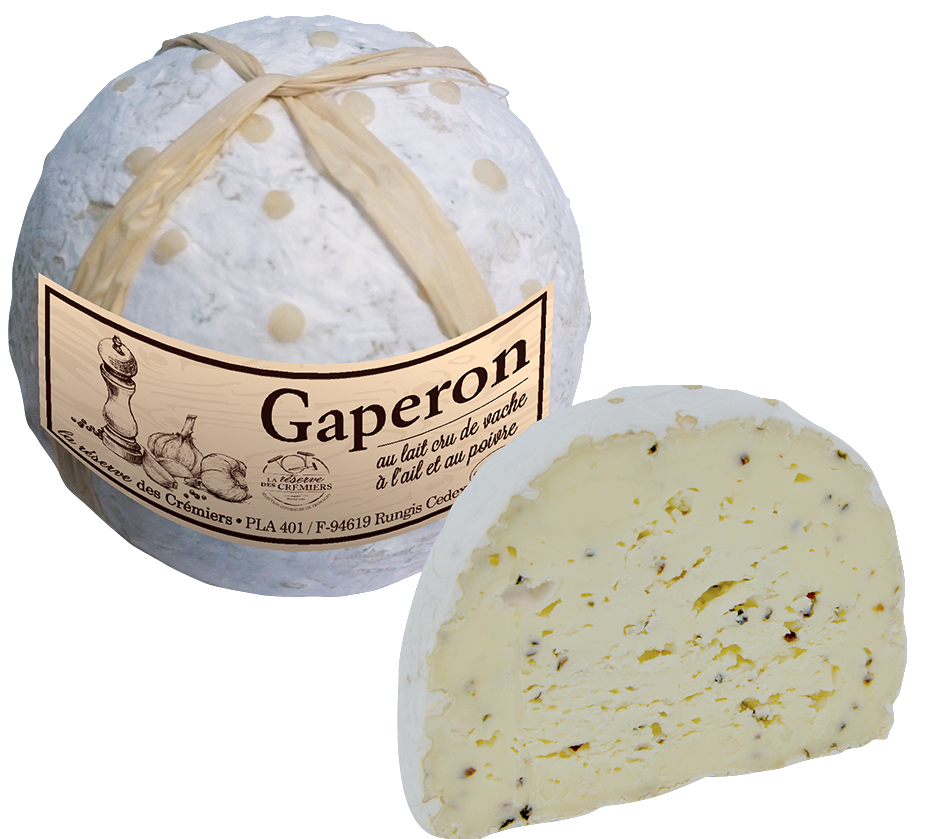
Germany -Galet de la Loire Gaperon ficelle lait thermise Gaperon ail des ours Cheese – Listeria monocytogenes

LMW

Alert type: Groceries
Date of first publication: 02/09/2023
Product name:

Galet de la Loire Gaperon ficelle lait thermise Gaperon ail des ours

Product images:

Unnamed.PNG
Unnamed1.PNG
3.PNG
Manufacturer (distributor):

Laiterie de Vichy, France

Reason for warning:

Due to suspected contamination with unwanted bacteria Listeria monocytogenes.

Durability: BBDs: from 01/21/2023 to 03/18/2023
Lot identification: 

Identification mark : FR03094002CE

Additional Information:

Reference is made to the company’s attached customer information.

Click to access 09.02.2023+-+Thekenaushang.pdf

Research – Assessing the Impact of Different Technological Strategies on the Fate of Salmonella in Chicken Dry-Fermented Sausages by Means of Challenge Testing and Predictive Models

MDPI

Abstract

Salmonella is the main relevant pathogen in chicken dry-fermented sausages (DFS). The safety of shelf-stable DFS must rely on the production process, which should not only prevent growth but promote inactivation of Salmonella. The aim of the study was to assess the behaviour of Salmonella during the production process of two types of low-acid chicken DFS. The impact of the use of starter culture, corrective storage and high-pressure processing (HPP) at different processing times was assessed through challenge testing, i.e., inoculating a cocktail of Salmonella into the meat batter (at 6 Log10 cfu/g) used for sausage manufacture. Sausages of medium (fuet-type, FT) and small (snack-type, ST) calibre were elaborated through ripening (10–15 °C/16 d) and fermentation plus ripening (22 °C/3 d + 14 °C/7 d). Physico-chemical parameters were analysed and Salmonella was enumerated throughout the study. The observed results were compared with the simulations provided by predictive models available in the literature. In FT, a slight decrease in Salmonella was observed during the production process while in ST, a 0.9–1.4 Log10 increase occurred during the fermentation at 22 °C. Accordingly, DFS safety has to be based on the process temperature and water activity decrease, these factors can be used as inputs of predictive models based on the gamma-concept, as useful decision support tool for producers. Salmonella lethality was enhanced by combining HPP and corrective storage strategies, achieving >1 and 4 Log10 reductions for FT and ST, respectively.

Research – ESBL- and Carbapenemase-Producing Escherichia coli and Klebsiella pneumoniae among Bivalves from Portuguese Shellfish Production Areas

MDPI

Abstract

Bivalves are filter-feeding organisms and biomarkers of bacterial pollution. Our study aimed to analyze the occurrence and characteristics of extended-spectrum β-lactamase (ESBL)- and carbapenemase-producing Escherichia coli among bivalves. A total of 522 bivalve samples were collected along Portuguese shellfish production areas. Homogenized samples were screened for E. coli contamination on corresponding selective plates, allowing for concomitant growth of Klebsiella pneumoniaeE. coli growth was observed in 39% of the samples. Subsequent selective screening identified nine samples (4.4%) contaminated with ESBL producers, corresponding to E. coli (n = 7) and K. pneumoniae (n = 2), while a single carbapenemase-producing K. pneumoniae (0.5%) was identified. ESBLs were all CTX-M-types commonly identified in human isolates, i.e., CTX-M-32 (n = 4), CTX-M-15 (n = 4), and CTX-M-14 (n = 1). The carbapenemase producer harbored the blaGES-5 gene located on a ColE plasmid. Clonality was evaluated by multilocus sequence typing, identifying E. coli backgrounds as ST10, ST23, ST540, ST617, ST746, SLV206, and SLV2325, commonly identified among environmental and human strains. The K. pneumoniae isolates belonged to ST834, ST15, and DLV644. The occurrence of ESBL- and carbapenemase-producing Enterobacteriaceae in bivalves reveals how the marine environment constitutes a reservoir of critical bacterial pathogens, thus potentially representing a risk to human health.

Research – Microbiological Changes during Long-Storage of Beef Meat under Different Temperature and Vacuum-Packaging Conditions

MDPI

Abstract

We evaluated a combination of two temperatures and two packaging materials for long-term storage of vacuum-packaged (VP) beef striploins. Microbial populations and microbiome composition were monitored during refrigerated storage (120 days between 0–1.5 °C) and refrigerated-then-frozen storage (28 days between 0–1.5 °C then 92 days at −20 °C) under low-O2 permeability VP and high-O2 permeability VP with an antimicrobial (VPAM). Pseudomonas (PSE) and Enterobacteriaceae (EB) counts in VPAM samples were significantly higher (p < 0.05) than in VP samples at 28, 45, 90, and 120 days of storage. Microbiome data showed that bacteria of the genera Serratia and Brochothrix were more abundant in VPAM samples at 120 days, while lactic acid bacteria (LAB) dominated in VP samples. Frozen temperatures inhibited microbial growth and maintained a relatively stable microbiome. Refrigerated and frozen VPAM samples showed the greatest difference in the predicted metabolic functions at the end of storage driven by the microbiome composition, dominated by PSE and LAB, respectively. Although no signs of visible meat deterioration were observed in any sample, this study suggests that VP meat refrigerated and then frozen achieved better microbiological indicators at the end of the storage period.

Research – Influence of Hurdle Technology on Foodborne Pathogen Survival in the Human Gastrointestinal Tract

MDPI

Abstract

The application of several sublethal stresses in hurdle technology can exert microbial stress resistance, which, in turn, might enable foodborne pathogens to overcome other types of lethal stresses, such as the gastrointestinal barriers. The present study evaluated the survival of Salmonella Typhimurium and Listeria monocytogenes during simulated digestion, following exposure to combinations of water activity (aw), pH and storage temperature stresses. The results revealed that both pathogens survived their passage through the simulated gastrointestinal tract (GIT) with their previous habituation to certain hurdle combinations inducing stress tolerance. More specifically, the habituation to a low temperature or to a high pH resulted in the increased stress tolerance of Salmonella, while for Listeria, the cells appeared stress tolerant after exposure to a high temperature or to a low pH. Nonetheless, both pathogens expressed increased sensitivity after habituation to growth-limiting hurdle combinations. The survival of stress-tolerant pathogenic cells in the human GIT poses major public health issues, since it can lead to host infection. Consequently, further research is required to obtain a deeper understanding of the adaptive stress responses of foodborne bacteria after exposure to combinations of sublethal hurdles to improve the existing food safety systems.

Research – Effect of Ultrasound Combinated with Sodium Hypochlorite Treatment on Microbial Inhibition and Quality of Fresh-Cut Cucumber

MDPI

Abstract

The influence of ultrasound combined with sodium hypochlorite (US-NaClO) treatment on microorganisms and quality of fresh-cut cucumber during storage were investigated. Ultrasound (400 W, 40 kHz, US: 5, 10 and 15 min) and sodium hypochlorite (NaClO: 50, 75, 100 ppm) were used to treat fresh-cut cucumber in a single or combined treatment and stored at 4 °C for 8 days and analyzed for texture, color and flavor. The results showed that US-NaClO treatment had a synergistic effect on the inhibition of microorganisms during storage. It could significantly reduce (p < 0.05) the number of microorganisms by 1.73 to 2.17 log CFU/g. In addition, US-NaClO treatment reduced the accumulation of malondialdehyde (MDA) during storage (4.42 nmol/g) and water mobility, and maintained the integrity of the cell membrane, delayed the increase of weight loss (3.21%), reduced water loss, thus slowing down the decline of firmness (9.20%) of fresh-cut cucumber during storage. The degradation of chlorophyll (6.41%) was reduced to maintain the color of freshly cut cucumbers. At the same time, US-NaClO could maintain the content of aldehydes, the main aromatic substance of cucumber, and reduced the content of alcohols and ketones during storage. Combined with the electronic nose results, it could maintain the cucumber flavor at the end of the storage period and reduce the odor produced by microorganisms. Overall, US-NaClO was helpful to inhibit the growth of microorganisms during storage, improve the quality of fresh-cut cucumber.

Research -Burden of foodborne disease due to bacterial hazards associated with beef, dairy, poultry meat, and vegetables in Ethiopia and Burkina Faso, 2017

Frontiers in Microbiology

Foodborne disease is a significant global health problem, with low- and middle-income countries disproportionately affected. Given that most fresh animal and vegetable foods in LMICs are bought in informal food systems, much the burden of foodborne disease in LMIC is also linked to informal markets. Developing estimates of the national burden of foodborne disease and attribution to specific food products will inform decision-makers about the size of the problem and motivate action to mitigate risks and prevent illness. This study provides estimates for the burden of foodborne disease caused by selected hazards in two African countries (Burkina Faso and Ethiopia) and attribution to specific foods. Country-specific estimates of the burden of disease in 2010 for Campylobacter spp., enterotoxigenic Escherichia coli (ETEC), Shiga-toxin producing E. coli and non-typhoidal Salmonella enterica were obtained from WHO and updated to 2017 using data from the Global Burden of Disease study. Attribution data obtained from WHO were complemented with a dedicated Structured Expert Judgement study to estimate the burden attributable to specific foods. Monte Carlo simulation methods were used to propagate uncertainty. The burden of foodborne disease in the two countries in 2010 was largely similar to the burden in the region except for higher mortality and disability-adjusted life years (DALYs) due to Salmonella in Burkina Faso. In both countries, Campylobacter caused the largest number of cases, while Salmonella caused the largest number of deaths and DALYs. In Burkina Faso, the burden of Campylobacter and ETEC increased from 2010 to 2017, while the burden of Salmonella decreased. In Ethiopia, the burden of all hazards decreased. Mortality decreased relative to incidence in both countries. In both countries, the burden of poultry meat (in DALYs) was larger than the burden of vegetables. In Ethiopia, the burdens of beef and dairy were similar, and somewhat lower than the burden of vegetables. The burden of foodborne disease by the selected pathogens and foods in both countries was substantial. Uncertainty distributions around the estimates spanned several orders of magnitude. This reflects data limitations, as well as variability in the transmission and burden of foodborne disease associated with the pathogens considered.

Research – Biocontrol Potential of Bacillus subtilis and Bacillus tequilensis against Four Fusarium Species

MDPI

Abstract

The use of biological control agents as opposed to synthetic agrochemicals to control plant pathogens has gained momentum, considering their numerous advantages. The aim of this study is to investigate the biocontrol potential of plant bacterial isolates against Fusarium oxysporum, Fusarium proliferatum, Fusarium culmorum, and Fusarium verticillioides. Isolation, identification, characterization, and in vitro biocontrol antagonistic assays of these isolates against Fusarium species were carried out following standard protocols. The bacterial endophytes were isolated from Glycine max. L leaves (B1), Brassica napus. L seeds (B2), Vigna unguiculata seeds (B3), and Glycine max. L seeds (B4). The bacterial isolates were identified using 16S rRNA PCR sequencing. A phylogenetic analysis shows that the bacterial isolates are closely related to Bacillus subtilis (B1) and Bacillus tequilensis (B2–B4), with an identity score above 98%. All the bacterial isolates produced a significant amount (p < 0.05) of indole acetic acid (IAA), siderophores, and protease activity. In vitro antagonistic assays of these isolates show a significant (p < 0.05) growth inhibition of the fungal mycelia in the following order: F. proliferatum > F. culmorum > F. verticillioides > F. oxysporum, compared to the control. The results suggest that these bacterial isolates are good biocontrol candidates against the selected Fusarium species.

Research – Treatment of Ready-To-Eat Cooked Meat Products with Cold Atmospheric Plasma to Inactivate Listeria and Escherichia coli

MDPI

Abstract

Ready-to-eat meat products have been identified as a potential vehicle for Listeria monocytogenes. Postprocessing contamination (i.e., handling during portioning and packaging) can occur, and subsequent cold storage together with a demand for products with long shelf life can create a hazardous scenario. Good hygienic practice is augmented by intervention measures in controlling post-processing contamination. Among these interventions, the application of ‘cold atmospheric plasma’ (CAP) has gained interest. The reactive plasma species exert some antibacterial effect, but can also alter the food matrix. We studied the effect of CAP generated from air in a surface barrier discharge system (power densities 0.48 and 0.67 W/cm2) with an electrode-sample distance of 15 mm on sliced, cured, cooked ham and sausage (two brands each), veal pie, and calf liver pâté. Colour of samples was tested immediately before and after CAP exposure. CAP exposure for 5 min effectuated only minor colour changes (ΔE max. 2.7), due to a decrease in redness (a*), and in some cases, an increase in b*. A second set of samples was contaminated with Listeria (L.) monocytogenesL. innocua and E. coli and then exposed to CAP for 5 min. In cooked cured meats, CAP was more effective in inactivating E. coli (1 to 3 log cycles) than Listeria (from 0.2 to max. 1.5 log cycles). In (non-cured) veal pie and calf liver pâté that had been stored 24 h after CAP exposure, numbers of E. coli were not significantly reduced. Levels of Listeria were significantly reduced in veal pie that had been stored for 24 h (at a level of ca. 0.5 log cycles), but not in calf liver pâté. Antibacterial activity differed between but also within sample types, which requires further studies.

Research – Is Airplane Food as Dangerous as its Reputation?

Food Poisoning News

Food served on an airplane is handled differently and has fewer regulations due to the constraints of space, time, and oversight. The FDA typically inspects airline caterers only every three to five years and inspects airplanes whenever it is convenient. Although it is entirely possible for the food to be contaminated from the source, studies have shown that bacteria is most likely to develop from improper storage or handling on board. Flight attendants prioritize time efficiency to serve hundreds of passengers which creates an environment where food safety may not be the prime concern. Bacteria are more likely to spread when there is a general lack of sanitation and preparation areas including a limited availability of hot water and hand washing facilities. The standard design of bathroom sinks on board airplanes typically requires one hand to constantly depress the faucet, thus promoting the spread of bacteria. A lack of sanitation space is a growing concern as newer airplanes are being reconfigured to create more seats per aircraft.