Monthly Archives: March 2020

Research – Careful with the Salmonella if you eat rattlesnake meat

Barf blog

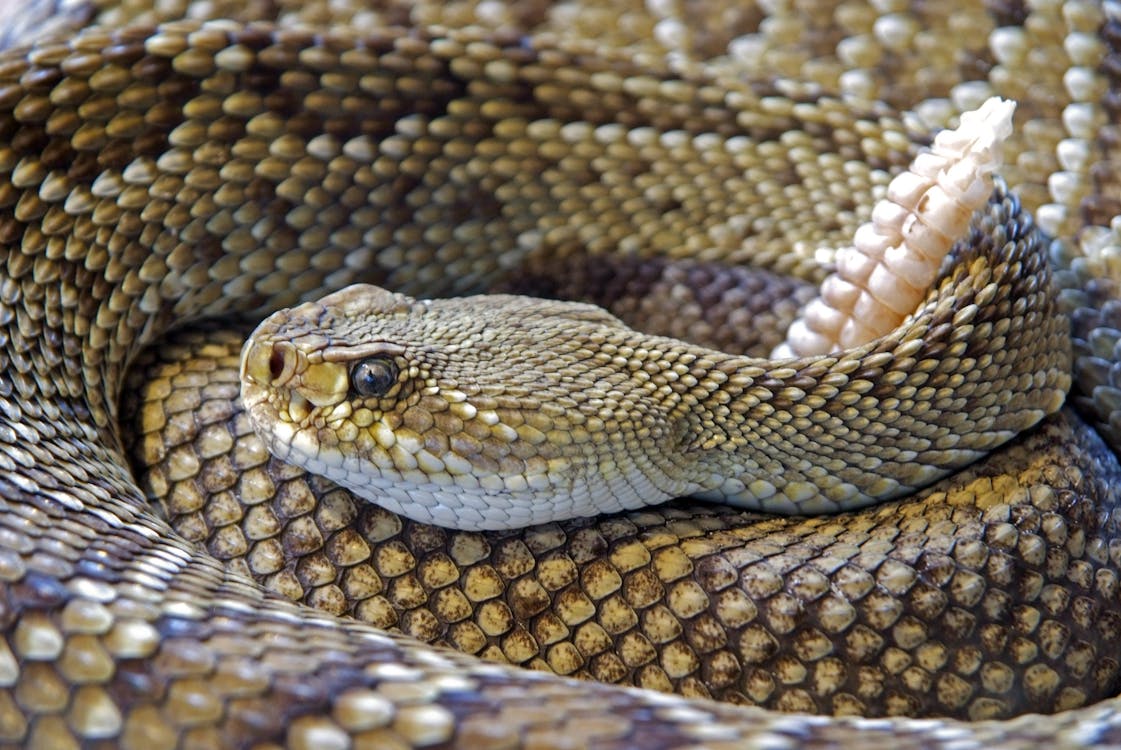
Diamond Back Rattle Snake

Pixabay

Ingestion of rattlesnake meat has been previously studied in populations residing in the United States- Mexico border region. Few case reports have shown a link between consuming rattlesnake meat with Salmonella bacteremia. We are describing a unique case of Salmonella IE in a patient ingesting rattlesnake meat. This case presents an opportunity for physicians to recognize rare sources of IE by looking deep into cultural exposures and practices.


Germany – Survey finds low Campylobacter knowledge in Germany

Food Safety News 

Consumer knowledge in Germany of Toxoplasma was better than that of Campylobacter, according to a recent report on a study.

Researchers surveyed 1,008 consumers in August 2017 in Germany via an online panel on Campylobacter, Salmonella and Toxoplasma and transmissibility via meat. The questionnaire had 43 questions in five sections.

Consumers were most informed about Salmonella and general knowledge of Toxoplasma is better than Campylobacter. Campylobacter, despite its high incidence in Germany, was largely unknown to consumers.

With almost 70,000 confirmed cases in 2017, Campylobacter is the main bacterial infection causing diarrhoeal disease reportable in Germany. Second was salmonellosis with 14,269 confirmed infections. Only seven cases of congenital human toxoplasmosis were confirmed in 2017.

A previous survey by the German Federal Institute for Risk Assessment (BfR) found only 28 percent of people had heard of Campylobacter.

Research – Scale‐up model of forced air‐integrated gaseous chlorine dioxide for the decontamination of lowbush blueberries

Wiley Online 

Gaseous chlorine dioxide (ClO2) is a promising sanitizer for frozen products because of its efficacy under nonthermal and waterless conditions. A major knowledge gap exists between laboratory trials and effectiveness at the industrial scale. To address this, a pilot study implementing a pallet‐sized fumigation container (60 harvest totes) was designed for gaseous ClO2. Fifty kilograms of blueberries were exposed to initial dose of 57.46 mg/L, representing a treatment of 2.35 mg/g of blueberries. Blueberries remained enclosed for 10 hr. Reduction of all viable cells, coliforms, yeasts, and molds were measured by plating treated samples on Tryptic Soy Agar, Violet Red Bile Agar, and Dichloran Rose Bengal Chloramphenicol Agar and compared to untreated controls. The results demonstrate that a significant reduction of 1.5 log CFU/g can be achieved against coliforms after ClO2 exposure. Our findings demonstrate a cost‐effective procedure that could be adapted to commercial processing.

RASFF Alerts – Salmonella – Chicken MDM – Dried Black Mulberry – Chicken Thighs – Sesame Seeds – Paprika Powder – Black Pepper – Chilled Turkey Neck Skin – Frozen Beef Steaks – Minced Chicken Breasts – Half Chicken Breasts – Marinated Chicken – Paprika – Poultry Meat – Chilled Fillet Americain – Sesame Seeds

RASFF-Logo

RASFF – Salmonella (presence /25g) in frozen chicken MDM from Poland in Bulgaria

RASFF – Salmonella enterica ser. Agona (presence /25g) in dried black mulberry from Afghanistan in Finland

RASFF – Salmonella (presence /25g) in frozen chicken thighs from Germany in Italy

RASFF – Salmonella (presence /25g) in white sesame seeds from Sudan, via the United Arab Emirates in Italy

RASFF – Salmonella (presence /25g) in paprika powder from China in Spain

RASFF – Salmonella (presence /25g) in black pepper from Brazil in the Netherlands

RASFF – Salmonella (in 5 out of 5 samples /25g) in chilled turkey neck skin from Poland in Poland

RASFF – Salmonella (in 1 out of 5 samples /25g) in frozen beef steaks from Uruguay in Spain

RASFF – Salmonella enterica ser. Infantis (in 3 out of 5 samples /25g) in frozen minced chicken breasts from Hungary in France

RASFF – Salmonella (in 3 out of 5 samples /25g) in frozen salted half chicken breasts from Brazil in the UK

RASFF – Salmonella enterica ser. Newport (in 5 out of 5 samples /25g) in frozen marinated chicken inner fillets from Poland in Italy

RASFF – Salmonella (presence /25g) in paprika (Capsicum spp.) from China in Spain

RASFF – Salmonella enterica ser. Enteritidis (presence /25g) in chilled poultry meat from Poland in Poland

RASFF – Salmonella (present /25g) in chilled filet americain from the Netherlands in the Netherlands

RASFF – Salmonella (presence /25g) in sesame seeds from Ethiopia in the Netherlands

RASFF Alerts – Listeria monocytogenes – Chilled Marbled Ham – Bavarois Pastry – Fozen Roastbeef

RASFF-Logo

RASFF – Listeria monocytogenes (<10 /g) in chilled marbled ham from France in France

RASFF – Listeria monocytogenes (presence /25g) in frozen bavarois pastry from Belgium in Belgium

RASFF – Listeria monocytogenes (200 CFU/g) and too high count of Enterobacteriaceae (300000 CFU/g) in frozen roastbeef from Argentina, via Italy in Germany

RASFF Alert – PSP – Paralytic Shellfish Poisoning – Chilled Scalops

RASFF-Logo

RASFF – Paralytic Shellfish Poisoning (PSP) toxins (1106 µg/kg – ppb) in chilled scallops from Norway in Norway

RASFF Alerts – Norovirus – Oysters

RASFF-Logo

RASFF – norovirus (GI and GII) in oysters from France in Belgium

RASFF – norovirus (GI and GII) in live oysters (Crassostrea gigas) from France in Germany

RASFF Alert – Ochratoxin A – Raisins

RASFF-Logo

RASFF – ochratoxin A (13.8 µg/kg – ppb) in raisins from Uzbekistan in Latvia

RASFF Alerts – Aflatoxin – Roasted Groundnuts – Salted Pistachios – Almonds – Seasoning Mix – Organic Groundnuts – Spice Mix – Dried Figs – Hazlenuts

RASFF-Logo

RASFF – aflatoxins (B1 = 5.8; Tot. = 7.7 µg/kg – ppb) in roasted groundnuts from Turkey in Switzerland

RASFF – aflatoxins (B1 = 13.4; Tot. = 13.7 µg/kg – ppb) in salted pistachios from Pakistan in Switzerland

RASFF – aflatoxins (B1 = 37.5; Tot. = 62.2 µg/kg – ppb) in almonds from Spain in Germany

RASFF – aflatoxins (B1 = 14.6; Tot. = 15.1 µg/kg – ppb) in seasoning mix from Pakistan in Ireland

RASFF – aflatoxins (B1 = 16; Tot. = 17 µg/kg – ppb) in organic groundnuts from Egypt in the Netherlands

RASFF – aflatoxins (B1 = 20.1; Tot. = 20.8 µg/kg – ppb) in spice mix from Pakistan in Ireland

RASFF – aflatoxins (B1 = 9; Tot. = 12 µg/kg – ppb) in organic groundnuts kernels from Egypt in the Netherlands

RASFF – aflatoxins (B1 = 19; Tot. = 28 µg/kg – ppb) in dried figs from Turkey in the Netherlands

RASFF – aflatoxins (B1 = 38; Tot. = 50 µg/kg – ppb) in shelled groundnuts from the United States in the Netherlands

RASFF – aflatoxins (Tot. = 29.5 µg/kg – ppb) in hazelnut kernels from Georgia in Bulgaria

RASFF Alerts – Animal Feed – Aflatoxins – Groundnuts – Peanuts – Crushed Peanut Kernels

RASFF-Logo

RASFF – aflatoxins (B1 = 46 µg/kg – ppb) in groundnuts for birdfeed from Argentina in the Netherlands

RASFF – aflatoxins (B1 = 81 µg/kg – ppb) in peanuts from India than the Netherlands

RASFF – aflatoxins (B1 = 34.3 µg/kg – ppb) in crushed peanut kernels from Argentina in Germany